
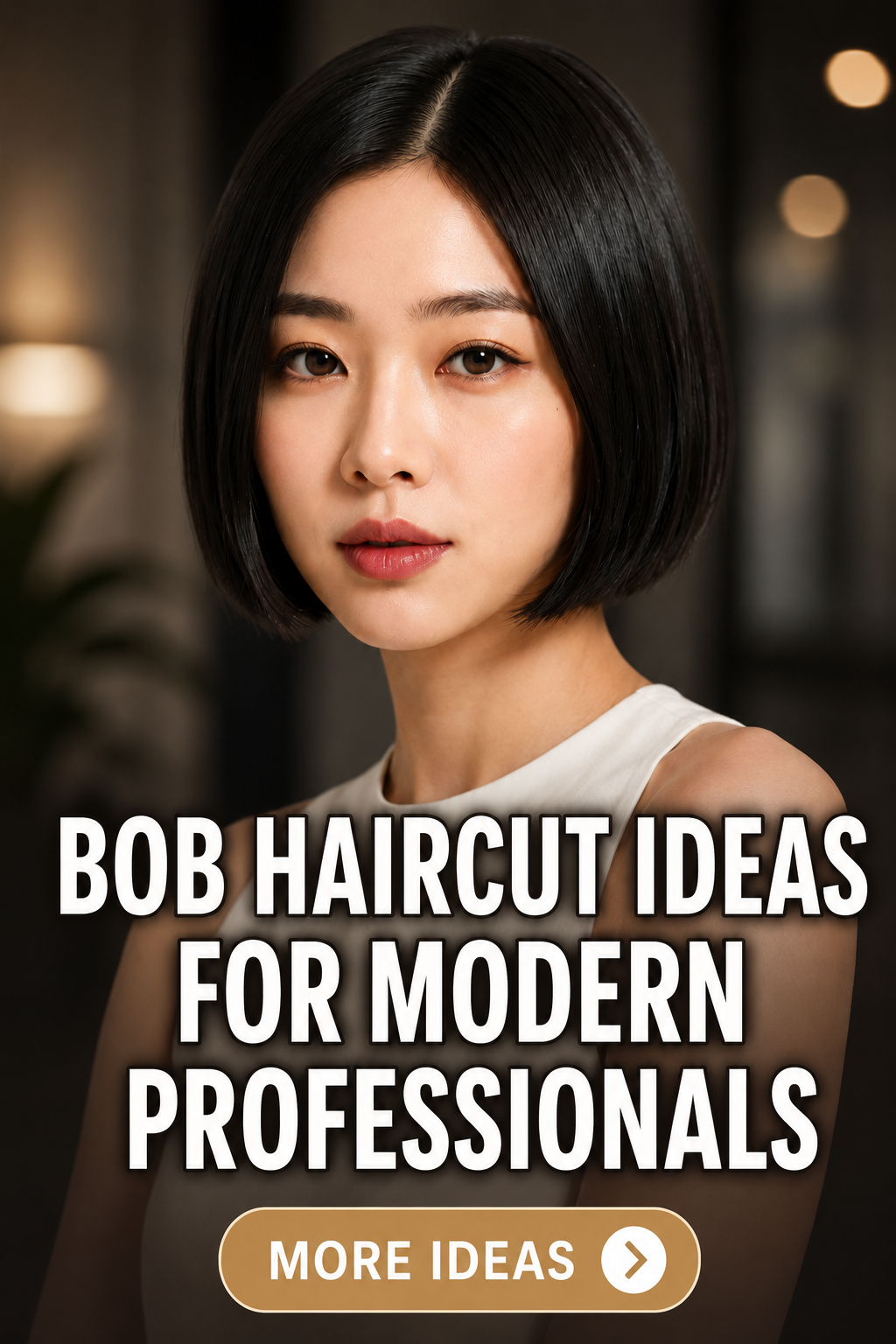
Bob Haircut Ideas for Modern Professionals: Chic, Low-Maintenance Styles
You can refresh your look with a bob that fits your lifestyle and face shape, whether you want a sleek, classic line or a choppy, modern texture. Choose a bob that balances shape, length, and finish to highlight your best features and make daily styling faster.
This post walks you through timeless cuts and current twists—from angled and layered versions to textured, low-maintenance options—so you can pick a style that works with your hair type and routine. Expect practical styling tips, length adjustments for different face shapes, and color ideas inspired by iconic personalities to help you visualize the perfect cut.
Classic Bob Variations
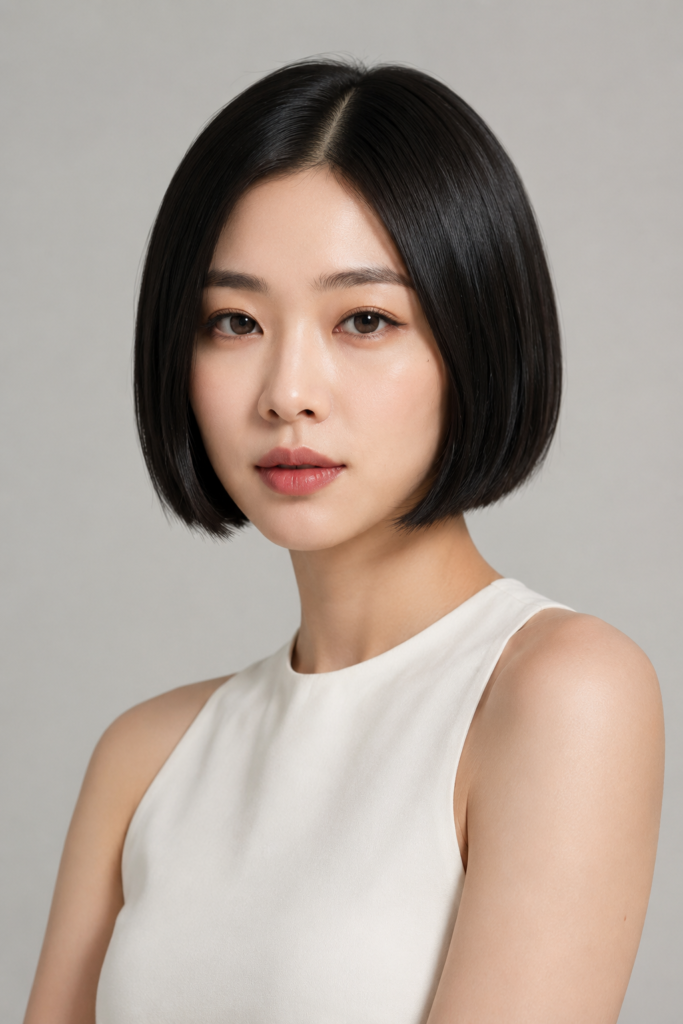
These styles emphasize clean lines, precise shaping, and easy daily maintenance. Expect options that change face-framing, volume control, and styling time while staying rooted in a classic silhouette.
Blunt Cut Bob
A blunt cut bob features a straight, even perimeter with minimal layering. You get a defined edge that reads sharp and modern; it visually thickens fine hair and creates a strong jawline emphasis.
Ask your stylist for weight placement that suits your face: a chin-length blunt adds width, while collarbone-grazing elongates the neck. Styling is simple—smooth with a flat iron or air-dry for a softer finish—but maintain regular trims every 4–6 weeks to preserve the crisp line.
Best for straighter textures or gently waved hair, the blunt bob can also be softened with micro-bangs or a subtle undercut at the nape. Use a smoothing serum or light hairspray to keep the silhouette polished without losing movement.
A-Line Bob
The A-line bob is shorter in the back and gradually longer toward the front, creating forward-leaning angles. You gain forward framing that slims the face and adds perceived length to rounder shapes.
Request a graduated stacking in the back for lift and precise graduation toward the front for a dramatic line. This cut works well with both straight and textured hair; textured finishes add a modern, lived-in look while sleek styling emphasizes geometry.
Styling options include blowout volume at the crown or straight, glossy finishes for professional settings. Plan on trims every 6–8 weeks to maintain the angle; longer intervals will soften the graduation and reduce the A-line effect.
Chin-Length Bob
A chin-length bob sits at or just below the jaw, offering a balance between cropped and medium lengths. It highlights the jawline, helps define the neck, and serves as a versatile canvas for bangs or layers.
This length flatters oval and heart-shaped faces particularly well, but slight inward or outward texturizing adapts the shape for other face proportions. Styling is quick: tousle with a texturizing spray for casual days, or blow-dry under for a smooth, face-framing curve.
Maintenance is moderate—trim every 5–7 weeks to keep the silhouette crisp. Consider subtle layering to reduce bulk on thick hair or internal weight lines to add body for finer textures.
Modern Textured Approaches
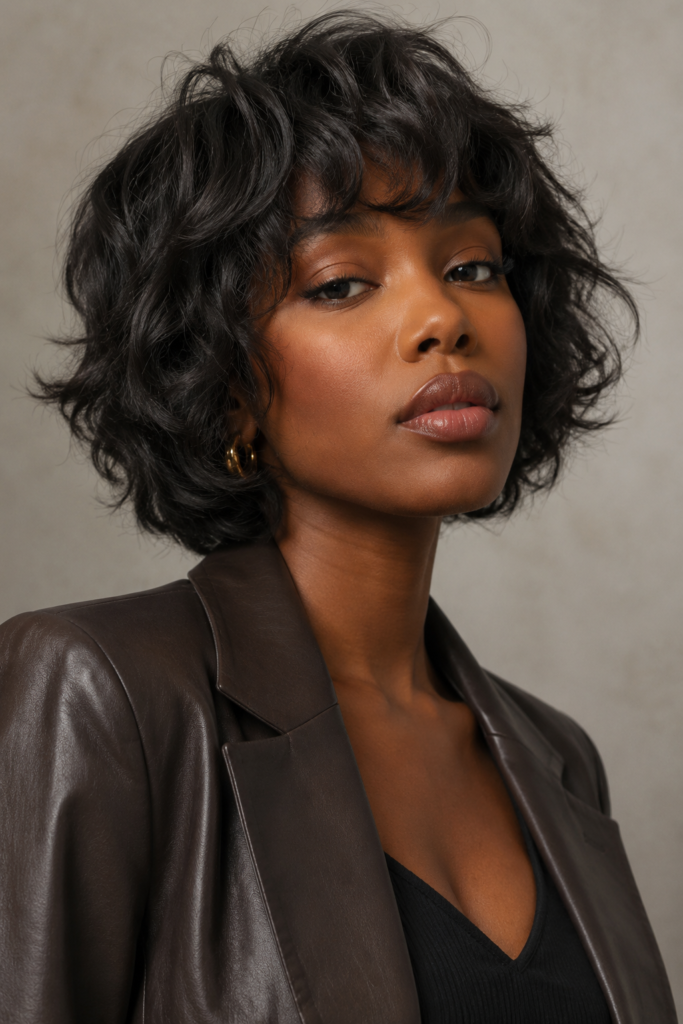
These techniques add movement, control volume, and create intentional shape through layering, feathering, or strategic slicing. Each approach changes how you style, maintain, and product-match your bob.
Layered Bob
A layered bob uses graduated lengths to create lift at the crown and reduce bulk at the ends. Ask your stylist for short, internal layers if you want volume without a dramatically shorter outer silhouette.
For fine hair, tighter, elevated layers at the crown create the perception of fullness; keep outer lengths blunt to preserve weight. For thick hair, longer, graduated layers remove excess weight and prevent a triangular shape; combine with thinning shears sparingly.
Style with a round brush and a medium-heat blow dryer to enhance the shape, or apply a lightweight mousse at roots for added lift. Finish with a matte texturizing spray to separate pieces without weighing them down.
Shaggy Bob
A shaggy bob blends choppy, face-framing pieces with tapered back sections for an easy, lived-in look. Request disconnected lengths around the face and softer, shorter layers through the back to achieve that slightly undone texture.
This cut suits most face shapes when you customize the fringe and cheek-length pieces; longer face-framing sections soften round faces, while a shorter fringe can accent angular cheekbones.
To style, scrunch in a salt spray on damp hair and diffuse or air-dry; use a small amount of cream wax on the ends to define pieces and control frizz. Trim every 6–8 weeks to keep the choppy edges intentional rather than overgrown.
Razored Edges
Razored edges produce wispy ends and sharp separation for a contemporary, edgy finish. Your stylist slices through the hair with a razor to create feathered tips and movement, rather than blunt mass.
This technique works best on medium to thick hair; on very fine hair, ask for conservative razor work to avoid an overly wispy, sparse look. Razored edges pair well with asymmetric bobs or subtle undercutting to emphasize contrast in silhouette.
Maintain the effect with a smoothing serum to prevent fray and periodic dusting trims (every 8–10 weeks) to retain the razor-cut definition. Use a light-hold paste to tug and piece the ends for a defined, modern texture.
Styling Techniques and Finishes
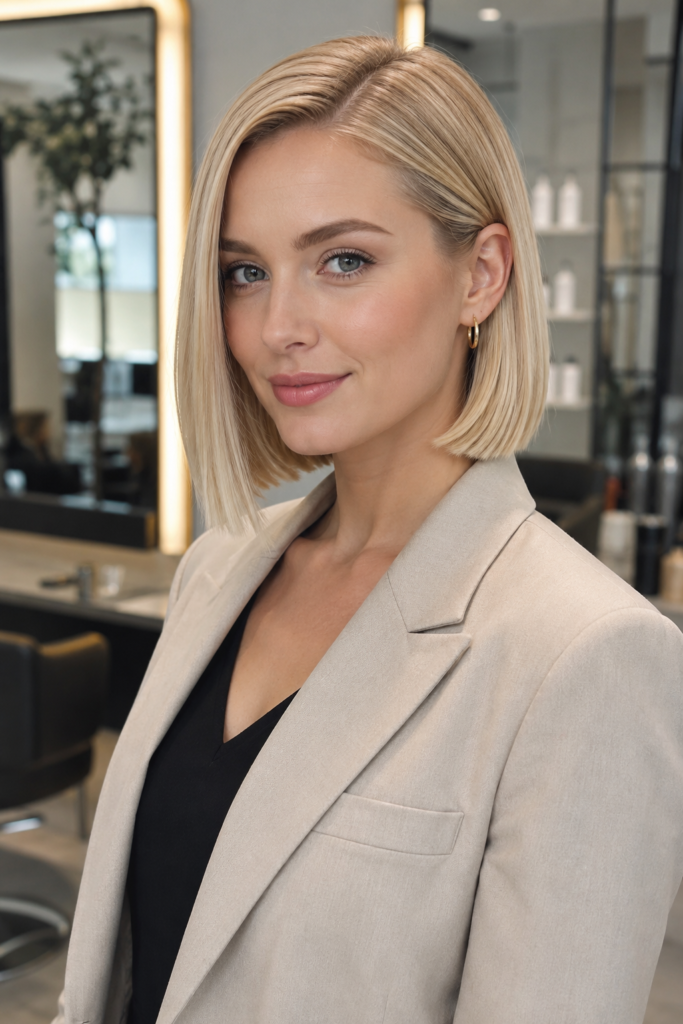
Focus on precise tools, product choices, and heat settings to get the exact finish you want. Small technique tweaks—section size, brush type, and product order—create markedly different results.
Sleek and Straight
Start with clean, towel-dried hair and apply a heat-protectant serum evenly from roots to ends. Use a smoothing cream at mid-lengths if your hair frizzes easily; avoid heavy oils at the roots to prevent limpness.
Blow-dry using a medium-round or paddle brush, directing airflow downward and keeping the nozzle close to the hair for a polished cuticle. Work in 1–2 inch sections for short bobs; larger sections can shorten styling time but may reduce smoothness.
Flat-iron in 1-inch sections on a ceramic or titanium plate, set between 300–380°F (150–195°C) depending on thickness. Glide slowly, avoiding multiple passes. Finish with a light mist of anti-frizz spray and a pea-sized amount of shine serum on ends only.
Beach Waves
Start on dry or nearly dry hair; a light sea-salt spray or texturizing cream gives hold without stiffness. Section hair into 1–1.5 inch pieces for a modern lob or slightly smaller for chin-length bobs.
Use a 1-inch or 3/4-inch curling iron or a flat-iron twist technique. Wrap each section loosely, leaving the last 1/2 inch out for a relaxed, lived-in look. Alternate curl direction for texture, and avoid curling too close to the roots to keep volume natural.
After curling, finger-comb or use a wide-tooth comb to break waves. Finish with a low-hold sea-spray and a dab of lightweight paste at the ends to define pieces without weighing hair down.
Curled Ends
This finish emphasizes shape and bounce at the perimeter of the bob. Apply a lightweight mousse to damp hair and blow-dry straight with a round brush to create tension and lift at the roots.
Use a 1–1.25 inch curling iron or the barrel of a round brush with a blow-dryer to curl only the last 1–2 inches inward or outward depending on the style. For stacked bobs, curl inward for a rounded silhouette; for flipped bobs, curl outward for movement.
Pin curls briefly if you need longer hold, then release and finger-style. Set with a medium-hold hairspray and smooth flyaways with a tiny amount of serum applied to your fingertips.
Length Adaptations for Every Face Shape
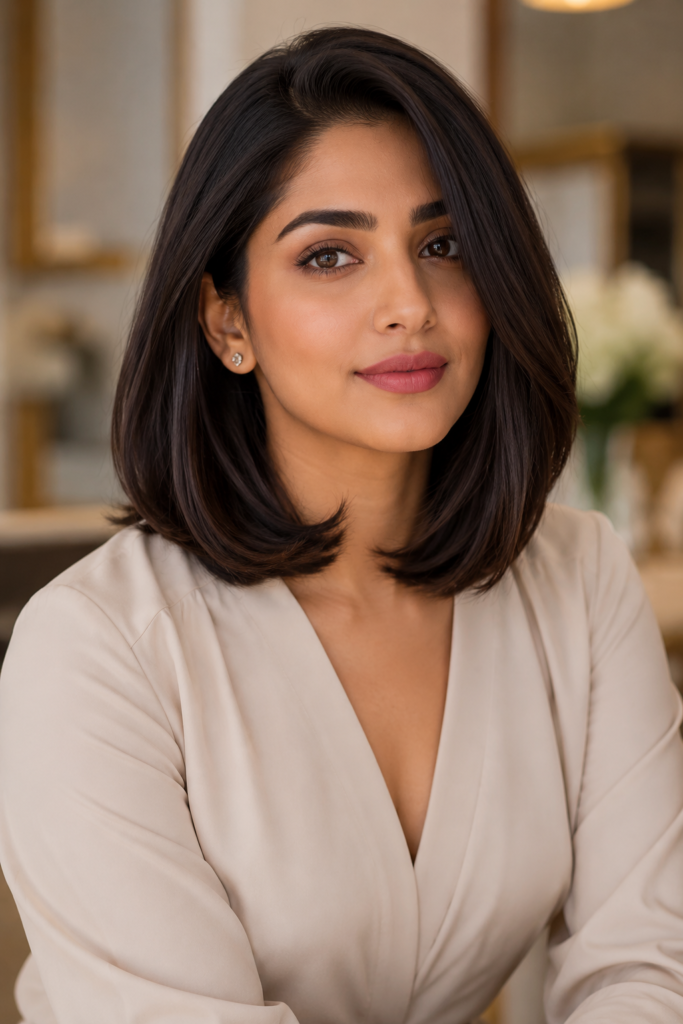
Adjust length to position weight and movement where it flatters your facial proportions. Small changes—chin grazing, shoulder skimming, or a slightly longer front—can balance features, add vertical lines, or soften angles.
Short Bob for Round Faces
Choose a chin-length or slightly below-chin bob to create vertical emphasis and elongate your face. Ask for subtle graduation at the front so hair falls a little longer toward the jawline; that angled line draws the eye down and reduces perceived roundness.
Add soft layers or inward texturing at the ends to avoid a full, circular silhouette. Keep volume low at the sides and slightly lifted at the crown—use a round brush and root-lifting product when styling. If you want bangs, select side-swept or long curtain bangs rather than blunt straight-across bangs to preserve length visually.
Texture works well: gentle waves or a light razor cut can break up width without adding bulk. Maintain regular trims every 6–8 weeks to keep the shape sharp and prevent weight build-up that widens the face.
Medium-Length for Oval Faces
A medium-length bob (jaw to shoulder) suits the natural symmetry of an oval face and gives you the most styling flexibility. You can wear a blunt, layered, or A-line medium bob; choose based on hair thickness and the amount of movement you want.
If you have fine hair, add layers that begin below the chin to create the illusion of density without compromising length. For thick hair, request long graduated layers to remove heaviness and keep the shape from looking boxy. Middle or slightly off-center parts both work; a deep side part introduces asymmetry to emphasize cheekbones.
Styling options include smooth, sleek finishes to highlight bone structure or loose waves for a softer look. Ask your stylist to tailor the end weight and part placement to your forehead height and cheek prominence.
Long Bob for Square Faces
Aim for a long bob (lob) that hits at or slightly below the collarbone to soften a strong jawline. Longer length adds vertical flow and reduces emphasis on angular corners, giving a more oval appearance without losing structure.
Incorporate soft, face-framing layers that start below the jaw to break the square silhouette. Avoid blunt, chin-length cuts that stop attention at the jaw; instead choose gentle texturing at the ends or long, wispy bangs to soften the forehead and jaw connection.
Styling with loose waves or a subtle bend creates curvature that counteracts straight lines. Use a light serum to keep ends smooth and a styling spray to maintain movement without stiff hold. Regular trims every 8–12 weeks prevent ends from appearing heavy and maintain the length’s balancing effect.
Color Trends and Highlights
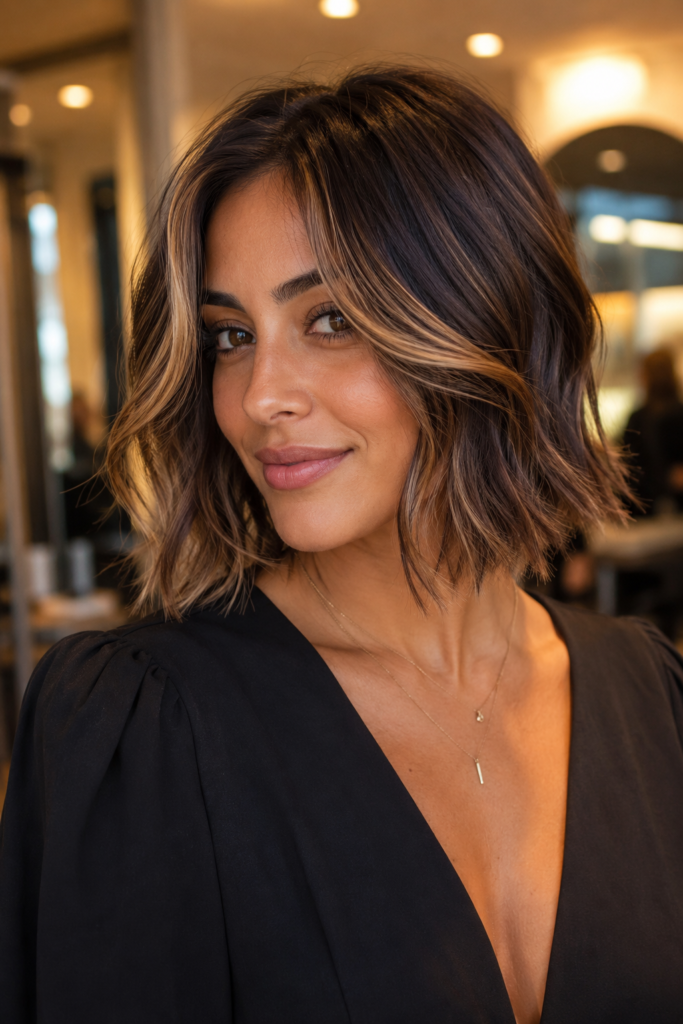
Expect options that either make your bob stand out with a single striking hue, add depth with hand-painted lightening, or brighten the face with targeted strands. Each approach changes texture perception, maintenance level, and how often you’ll revisit the salon.
Bold Monochromatic Shades
Choose a single, saturated color to create a strong silhouette and simplify upkeep. Jet black, rich chestnut, or a vivid platinum can sharpen the bob’s lines and emphasize a blunt or asymmetrical cut. If you pick very light or very dark tones, plan for root touch-ups every 4–8 weeks and use color-safe shampoos and toners to maintain shine and neutralize unwanted brassiness.
Ask your colorist about demi-permanent vs. permanent formulas: demi lasts 6–12 weeks with less damage, while permanent gives longer-lasting coverage but requires more maintenance. Finish with a gloss treatment to enhance reflectivity and a heat protectant before styling to preserve color vibrancy.
Subtle Balayage
Balayage creates seamless, hand-painted highlights that add dimension without harsh regrowth lines. It suits layered or textured bobs because lighter strands blend into the cut and move naturally as you style. Request face-framing and crown placement to lift the look; avoid heavy, uniform foiling which can flatten the bob’s shape.
Maintenance is low compared with full highlight panels—expect a refresh every 3–6 months. Bring reference photos showing the level of contrast and tone you want, and ask the stylist to feather lightness into the mid-lengths rather than the roots for a softer, modern finish.
Face-Framing Highlights
Place thinner, brighter strands around the face to visually lift cheekbones and soften a jawline. These highlights work well on blunt, chin-length bobs and longer lobs alike. Choose warm honey or cool ash tones depending on your skin’s undertone: warm for golden or olive skin, cool for fair or pink undertones.
Keep the sections narrow to avoid a stripy look; subtle placement mimics natural sun exposure. Schedule a toner or glaze every 6–10 weeks to keep the framed pieces consistent with the rest of your color and to prevent them from looking brassy or faded.
Inspiration from Iconic Personalities
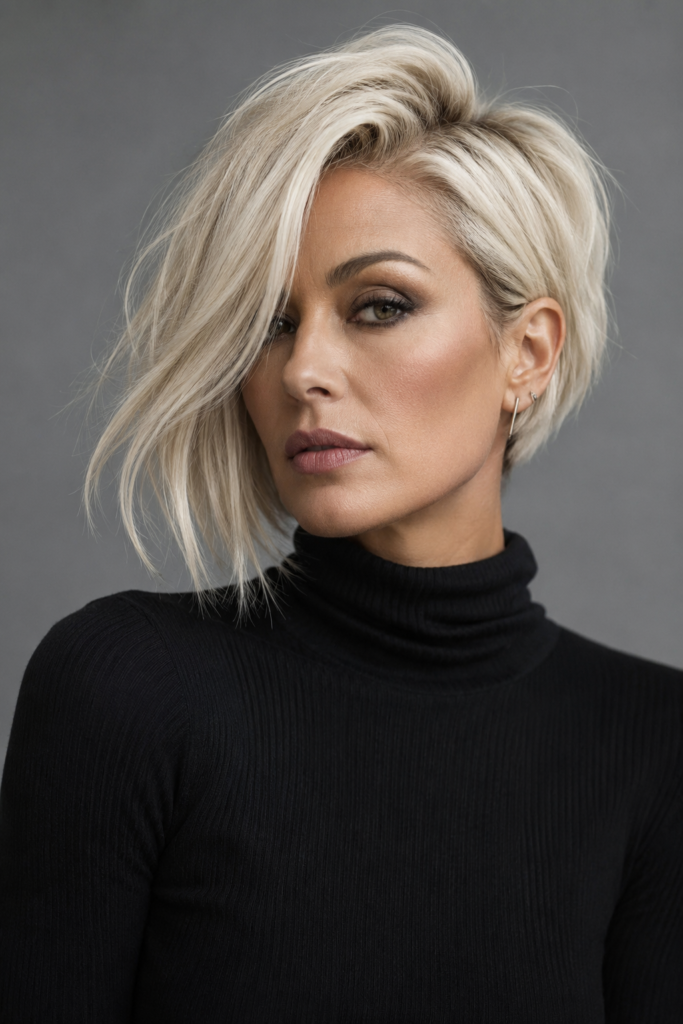
You’ll find clear visual cues and practical takeaways from famous examples, historical figures, and high-fashion shows that make it easier to pick a bob that fits your features and lifestyle. Expect specific cut details, styling notes, and why each look works on different hair textures.
Celebrities with Trendsetting Bobs
Celebrities often adapt bobs to their personal brand, giving you real-world examples to copy. Look to Kendall Jenner and Zendaya for long lobs that maintain movement around the collarbone—these work well if you want length with easy styling.
Kendall’s version is typically blunt at the ends with subtle layering for texture; ask your stylist for a soft undercut layer to reduce bulk. Zendaya switches between blunt and textured finishes; request interchangeable styling tips so you can go sleek for formal events and tousled for casual days.
If you prefer curly hair, H.E.R. shows how a chin-length textured bob can accentuate natural curl patterns without heavy thinning. Use celebrity photos to show your stylist the exact finish—blunt, textured, or layered—so they match your density and daily routine.
Historic Fashion Influencers
Influential figures such as Louise Brooks and Vidal Sassoon shaped the bob’s evolution, offering lessons you can apply today. Brooks’ sharp, chin-length bob defined the 1920s; it works if you want a dramatic, face-framing silhouette with straight hair.
Vidal Sassoon’s geometric cuts from the 1960s emphasize precise angles and low-maintenance styling. Ask for weight-removed graduation and clean lines if you want an architectural cut that holds shape with minimal product.
Consider Coco Chanel’s adoption of shorter styles as a model for practical elegance. Her influence shows that a bob can signal both modernity and refined restraint—ideal if your wardrobe skews tailored or minimalist.
Runway Inspirations
Runways distill trends you can adapt for everyday wear, showing variations in length, texture, and finish. Note how designers pair blunt lobs with slick, center-part styling for polished looks you can replicate with a flat iron and anti-frizz serum.
Textured, choppy bobs appear at streetwear-influenced shows; those cuts use disconnected layers and razored ends to amplify movement. Ask your stylist for point-cutting or a razor finish if you want that lived-in feel.
For high-gloss, editorial bobs, stylists often combine micro-bangs or asymmetry. If you want a statement bob, bring runway images to match the precise angle and fringe placement so the cut flatters your brow line and face shape.
Low-Maintenance and Everyday Options

Focus on cuts and small styling habits that reduce daily effort: choose a length that suits your natural texture, pick a simple part, and learn two quick techniques—air-dry shaping and basic pin-up variations—to stretch time between washes and appointments.
Wash-and-Go Styles
Pick a bob length that works with your natural pattern—chin-length for straighter hair, collarbone or lob for slight waves—to minimize daily tools. Use a lightweight leave-in or curl cream applied to damp hair; distribute with fingers rather than a brush to keep movement and avoid frizz.
Blot excess water with a microfiber towel or cotton T-shirt; rough-dry at the roots with your hands for volume. If you need definition, twist 1–2 sections around your fingers while hair is damp and let them set. Refresh on day two with a dry shampoo at the roots and a spritz of sea-salt or texture spray on mid-lengths for instant shape.
Effortless Air-Dry Techniques
Section hair into three parts—crown, sides, and back—then scrunch product into the crown and sides to encourage lift where you need it most. For straighter bobs, use a flat, wide clip to clamp the ends under while air-drying to create a smooth inward curve without heat.
If you want controlled waves, loosely braid one or two damp sections before bed and release in the morning for soft movement. Finish with a small amount of polish serum on ends to prevent frizz; avoid heavy oils at the roots to keep volume. These techniques cut styling time and extend the life of a fresh cut.
Simple Updo Variations
Keep accessories minimal: two bobby pins, one slip-on clamp, and a thin elastic cover most quick updos. For a polished look, twist one side back and secure with pins at the nape—this keeps hair off your face while preserving the bob silhouette.
Create a half-up knot by gathering the top half, tying a loose knot, and tugging small pieces to soften the line. For active days, roll the ends inward and secure with a claw to form a tidy tuck; this protects ends and looks intentional. Each option takes under two minutes and reduces heat styling on busy mornings.
Frequently Asked Questions
What type of bob haircut is easiest to maintain?
A long bob or a lightly layered bob is generally the easiest to maintain because it grows out smoothly. It also requires fewer salon visits than a short, blunt, or sharply angled bob.
Which bob haircut is best for fine hair?
A blunt bob is ideal for fine hair because the even ends make the hair appear thicker and fuller. Subtle internal layers can also add volume without removing too much weight.
Which bob haircut is best for thick hair?
A layered or textured bob works best for thick hair because it removes excess bulk. Longer layers create movement and prevent the haircut from looking heavy or triangular.
Can a round face look good with a bob haircut?
Yes, a slightly longer or angled bob can help elongate a round face. Keeping the front longer and limiting volume at the sides creates a more balanced appearance.
What bob length is best for a square face?
A collarbone-length bob with soft layers is flattering for a square face. The added length and gentle movement help soften a strong jawline.
How often should a bob haircut be trimmed?
Most bob haircuts should be trimmed every six to eight weeks to maintain their shape. Very short or blunt styles may need trims every four to six weeks.
Can curly hair be cut into a bob?
Yes, curly hair can look beautiful in a bob when the length and layers are properly customized. The stylist should consider curl shrinkage and avoid removing too much weight.
Is a bob haircut suitable for professional settings?
A bob is an excellent professional hairstyle because it looks polished and structured. Sleek, softly waved, and neatly layered styles work particularly well in workplace settings.
How can I style a bob without using heat?
Apply a lightweight styling cream to damp hair and allow it to air-dry naturally. Braids, twists, claw clips, or scrunching can also create shape and texture without heat.
What is the difference between a bob and a lob?
A traditional bob usually falls between the ears and the jawline. A lob, or long bob, typically reaches the shoulders or collarbone.
Does a bob haircut make hair look thicker?
Blunt and chin-length bobs can make hair appear fuller by creating a strong, solid perimeter. Avoid excessive layering if your hair is very fine or thin.
What should I ask my stylist before getting a bob?
Discuss your face shape, natural hair texture, daily styling routine, and preferred maintenance level. Bring reference photos to help your stylist understand the exact length, shape, and finish you want.
Conclusion
A bob haircut can be customized to suit almost any face shape, hair texture, and professional lifestyle. By choosing the right length, layering technique, color, and styling method, you can create a polished look that remains practical and easy to maintain.
Before selecting a style, consider how much time you want to spend on daily styling and regular salon visits. A consultation with an experienced stylist will help you choose a bob that complements your features while working naturally with your hair.
