

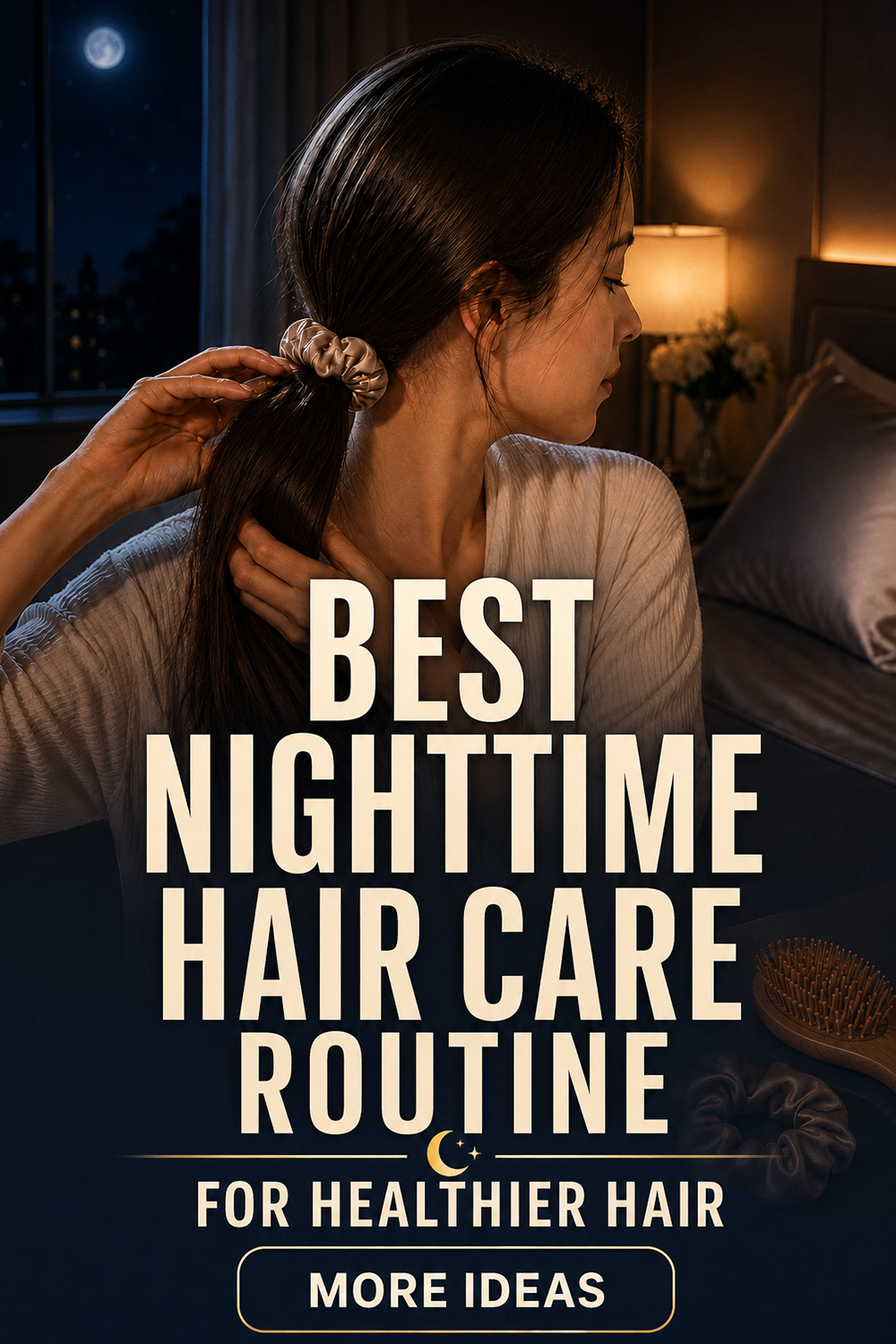
Your nighttime hair care routine can help reduce tangles, friction, dryness, and breakage while you sleep. Small habits, such as gentle detangling and using a smooth pillowcase, support healthier-looking hair without adding much time to your evening.
Protect your hair with a loose style, light moisture, and gentle scalp care before bed. Your hair type and scalp needs should guide the products and techniques you choose. A simple routine can also help you make better use of your beauty sleep.
Key Takeaways
- Use gentle care and low-tension styles before bed.
- Choose overnight products that match your hair’s needs.
- Protect your hair from friction and maintain consistent daytime care.
The Core Five-Minute Bedtime Routine
A simple nighttime hair routine can reduce tangles, dryness, and friction without adding much work. Focus on gentle detangling, light moisture, a low-tension style, and a smooth surface for sleep.
Gently Detangle From Ends to Roots
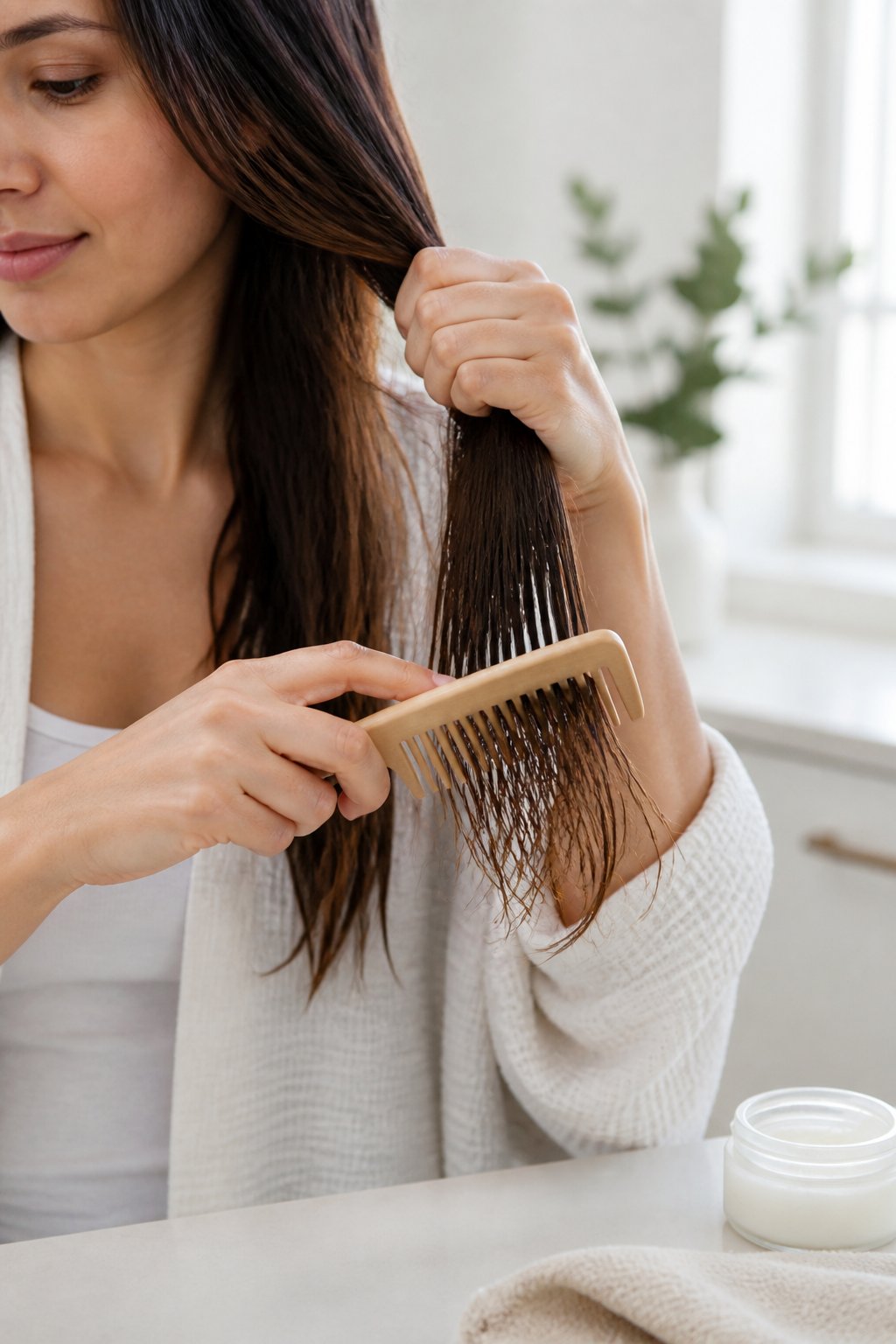
Start with dry or slightly damp hair, depending on your hair type. Use your fingers to separate large knots, then work with a wide-tooth comb. Begin at the ends and move upward in small sections toward the roots.
Hold each section above the area you are combing. This limits pulling at the scalp and reduces stress on the hair shaft. If your hair feels rough or catches easily, apply a small amount of leave-in conditioner before combing.
Avoid brushing wet hair unless your brush is designed for wet detangling and your hair type requires it. Wet strands can stretch more easily, which may increase breakage. Move slowly, and never force the comb through a knot.
Add Targeted Moisture to Lengths and Ends
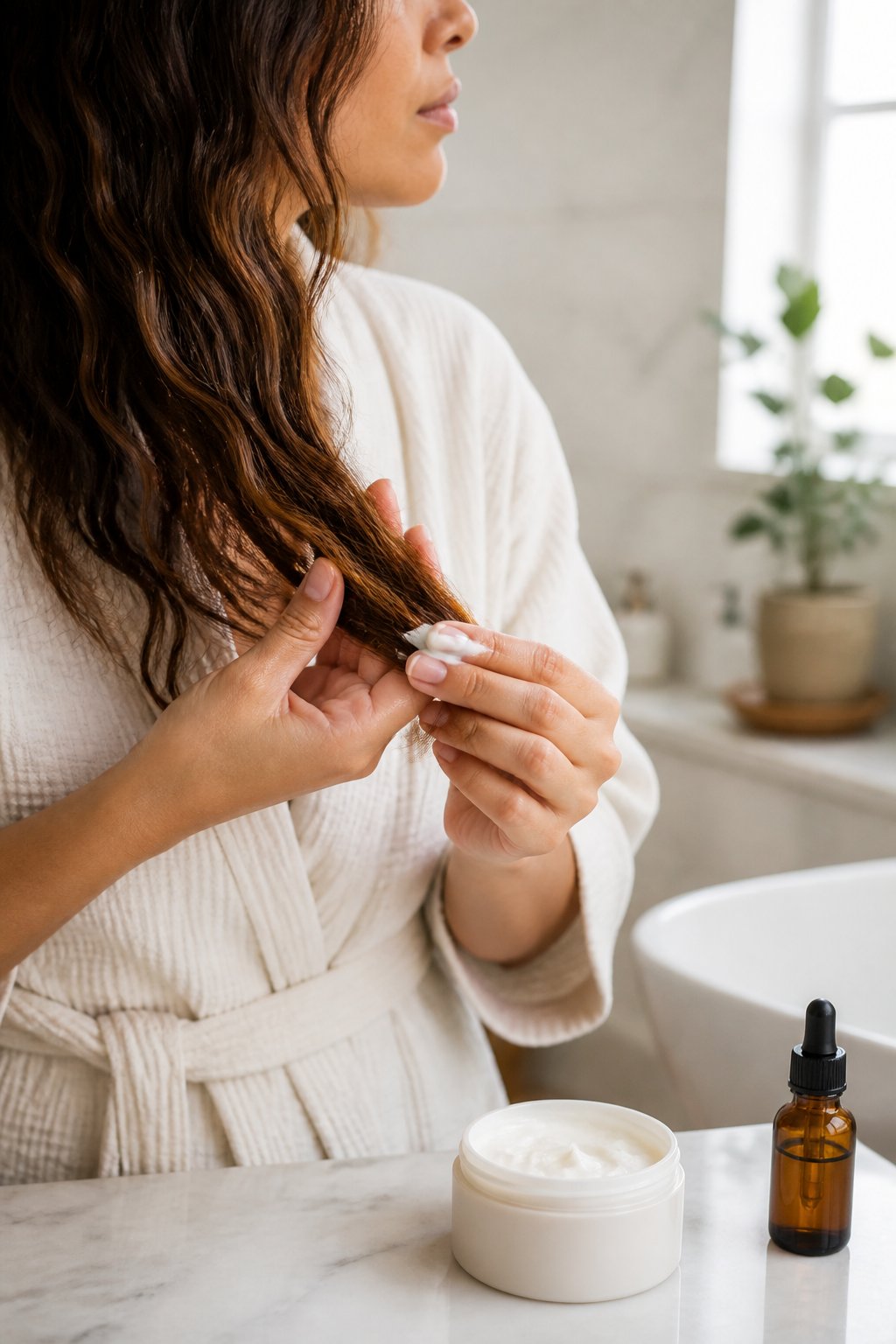
Apply a small amount of leave-in conditioner or a lightweight hair cream to the mid-lengths and ends. These areas receive less natural oil from the scalp and often need more moisture. Start with a pea-sized amount, then add more only if your hair still feels dry.
Keep heavy products away from the scalp unless the product label recommends scalp use. Excess product can leave buildup or make roots look greasy. Fine hair usually needs a light spray, while thick, curly, or coily hair may need a richer cream.
Use an oil only when it suits your hair and scalp. Rub one or two drops between your palms and smooth them over the ends. Moisture products add water-based hydration; oils mainly help slow moisture loss and add slip.
Choose a Low-Tension Sleep Style

Choose a style that keeps hair controlled without pulling at the roots. A loose braid works well for many straight, wavy, and long hair types. Secure it with a soft scrunchie rather than a tight elastic, and leave room for slight movement.
A loose bun can help keep long hair off your neck, but place it high or low based on your comfort. Avoid wrapping the scrunchie tightly or making the same style in the same spot every night. Repeated tension can stress the same sections.
Curly and coily hair may benefit from a loose pineapple, two loose braids, or another protective hairstyle that preserves the shape. Do not tie hair while it remains very wet. Damp hair folded tightly can stay wet for hours and may become more fragile.
Protect Hair From Pillow Friction
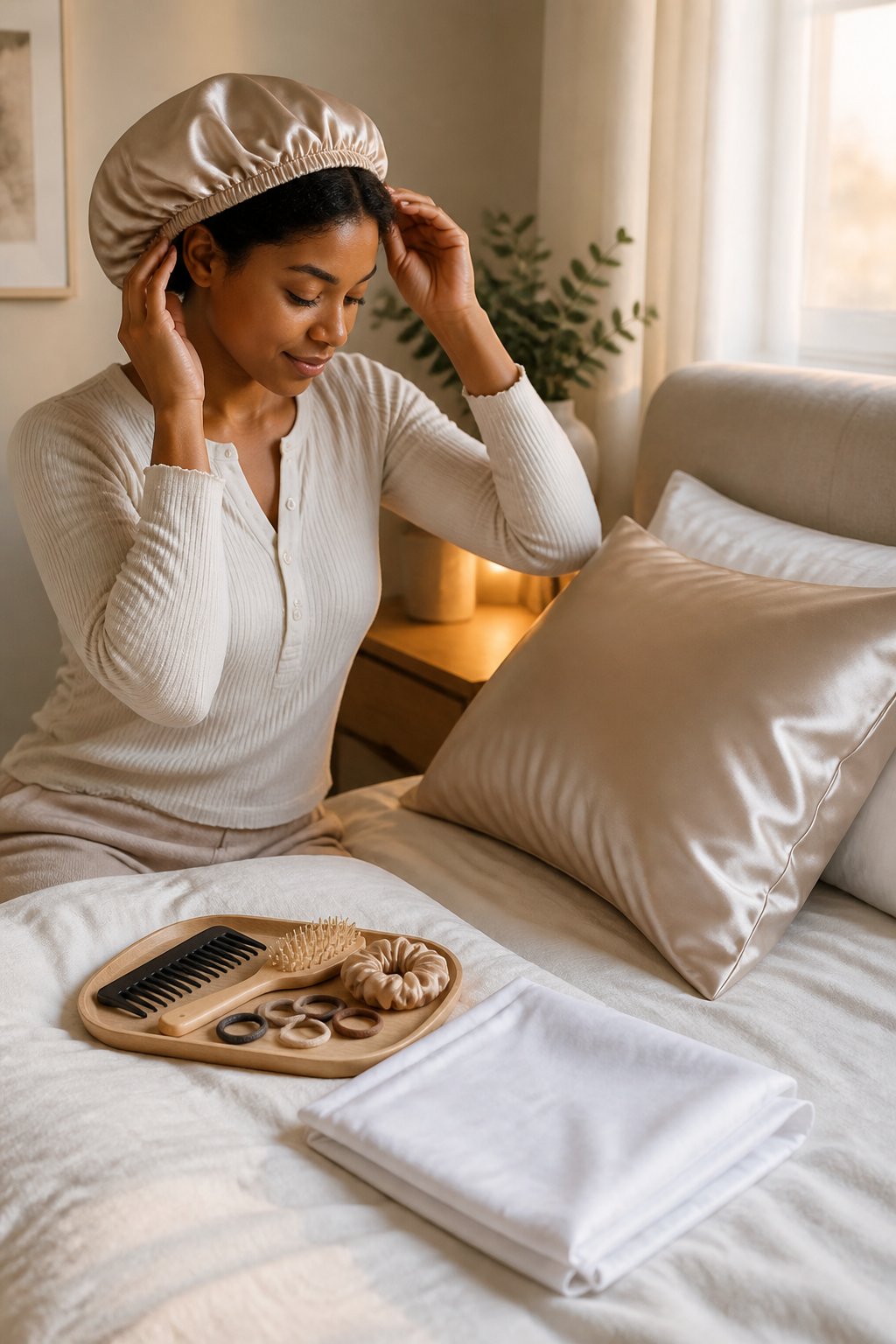
Use a satin or silk pillowcase to reduce rubbing as you turn during sleep. This can help limit tangles and frizz, especially if your hair is curly, coily, dry, or chemically treated. Wash the pillowcase regularly to remove oil and product residue.
You can also cover your hair with a satin or silk bonnet. Choose one that fits comfortably without pressing on your hairline. Tuck the ends inside gently instead of stuffing them into a tight space.
Cotton pillowcases absorb more product and create more friction than smoother fabrics. If you prefer cotton, a loose protective style still helps reduce contact and movement. Replace stretched hair ties and avoid clips with sharp edges or exposed metal.
Why Overnight Habits Affect Hair Health
Your hair faces repeated friction, pressure, and moisture changes while you sleep. Small adjustments can reduce surface damage, protect natural oils, and help you retain more length over time.
Friction, Tangles, and Cuticle Wear
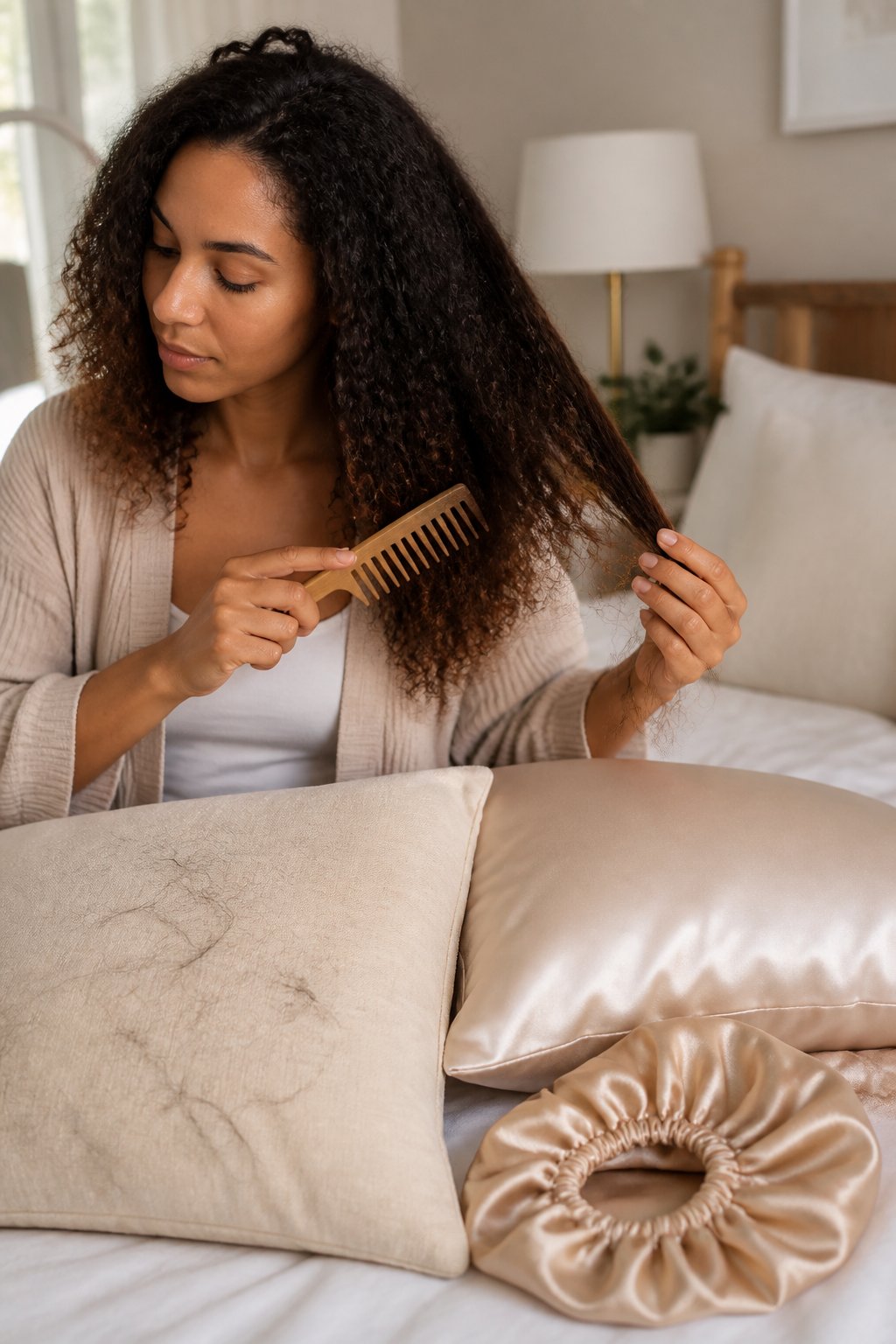
When your hair rubs against a rough cotton pillowcase, the outer cuticle can catch and lift. This friction may increase tangles, frizz, split ends, and breakage, especially if your hair is dry, bleached, curly, or chemically treated.
Loose strands can also wrap around each other during the night. Brushing through these knots in the morning may pull on weakened areas and cause more hair damage. Use a smooth satin or silk pillowcase, or cover your hair with a soft satin bonnet.
Detangle your hair gently before bed with a wide-tooth comb or your fingers. Start at the ends and work upward. Avoid forceful brushing, which can stretch wet or fragile hair and increase breakage.
Moisture Loss and Dryness
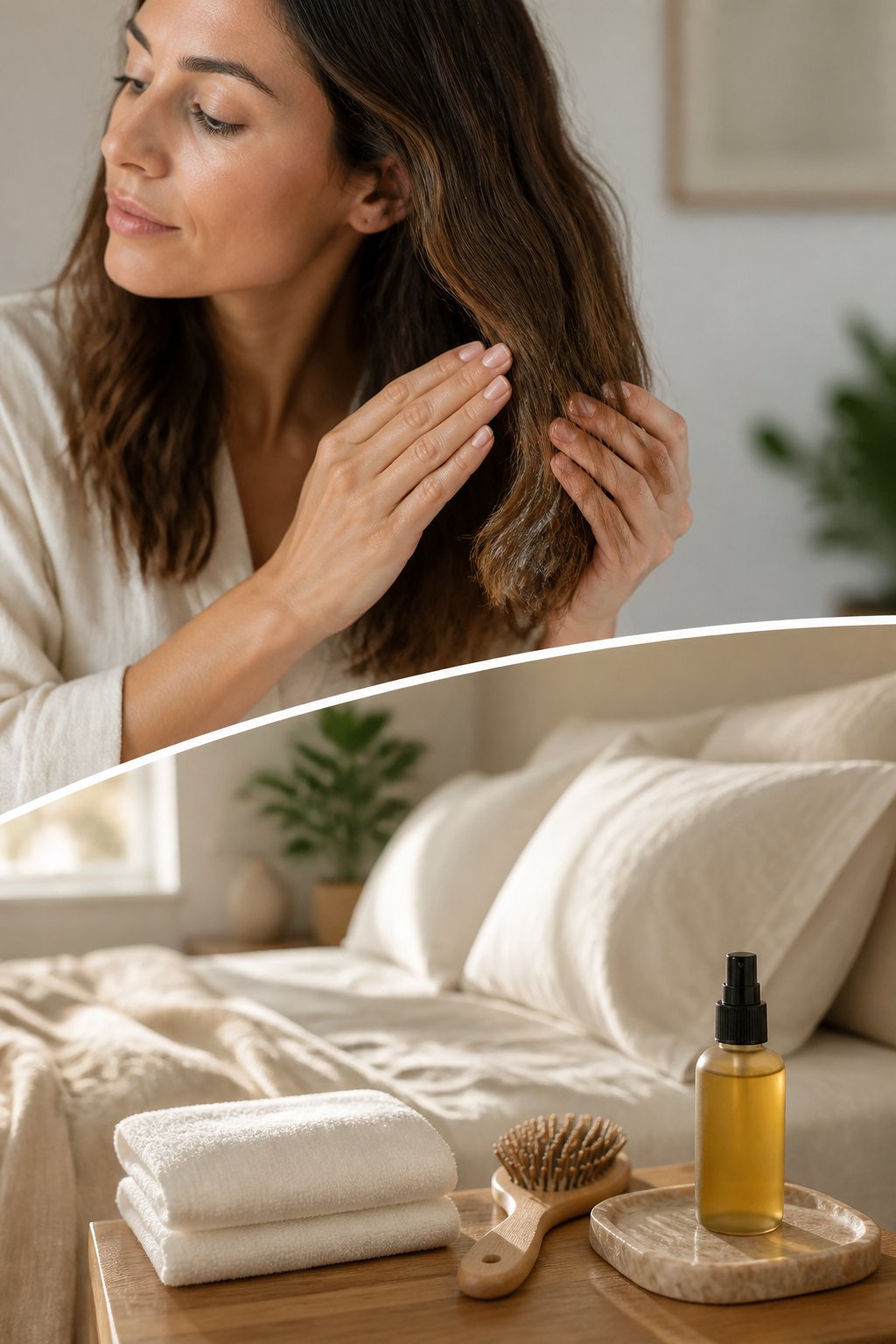
Dry air, absorbent bedding, and friction can remove moisture from the hair shaft during sleep. Cotton can also absorb some of the oils and conditioning products that help your hair feel soft. This may leave your hair rough, dull, or more prone to tangles by morning.
Apply a small amount of leave-in conditioner or a lightweight hair oil to the mid-lengths and ends when needed. Avoid applying heavy products directly to your scalp unless a professional recommends them, since buildup may cause irritation or make hair look greasy.
Do not sleep with soaking-wet hair. Wet strands stretch more easily and can suffer damage from movement against the pillow. Let your hair dry fully, or sleep with it slightly damp only when your hair routine and texture can tolerate the added tension.
Tension, Breakage, and Length Retention

Tight ponytails, buns, and braids can pull on the roots for several hours. Repeated tension may cause hair breakage and, in severe or long-term cases, traction alopecia. You may notice tenderness, short broken hairs, thinning near the hairline, or increased hair fall.
Choose a loose braid, low ponytail, or relaxed bun secured with a soft, fabric-covered tie. Change the placement regularly so one area does not receive constant pressure. Avoid rubber bands, tight elastics, and styles that pull your edges.
A protective style cannot make hair grow faster, but it can reduce daily handling and help you keep the length you grow. Stop any style that causes pain, scalp soreness, headaches, or visible pulling.
Build a Hair-Safe Sleep Environment
Your bedding and nighttime accessories can affect friction, moisture retention, tangles, and scalp comfort. Choose smooth materials, secure your hair without pulling, and wash anything that touches your hair and scalp regularly.
Silk, Satin, and Cotton Pillowcase Differences
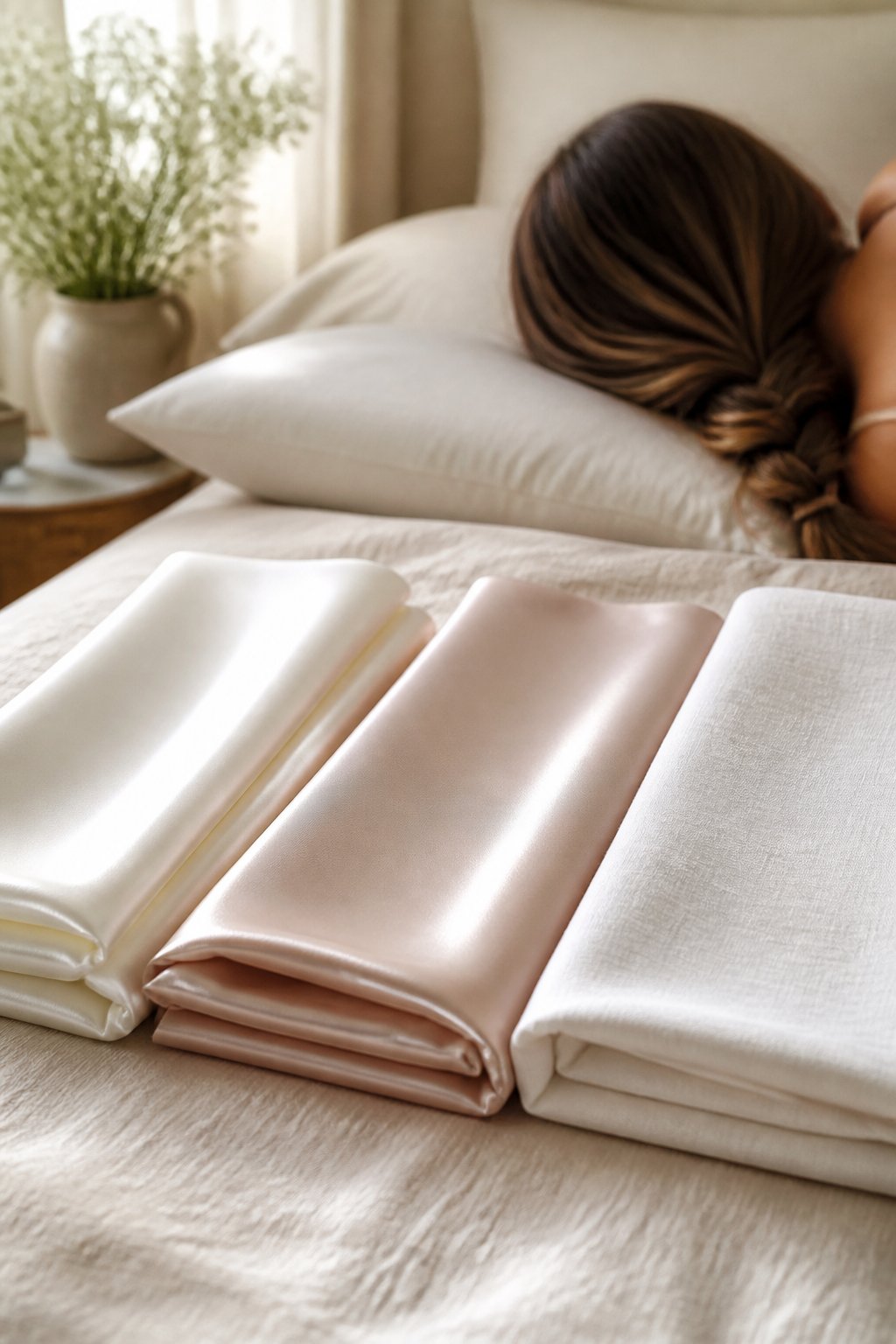
A silk pillowcase has a smooth surface that can reduce friction as your hair moves during sleep. Silk may also help limit moisture loss compared with absorbent fabrics. Look for tightly woven silk, and wash it according to the care label.
A satin pillowcase offers a similar smooth feel and usually costs less than silk. Satin describes the weave, not the fiber, so quality varies. Choose a breathable option that does not feel hot or rough.
A cotton pillowcase absorbs more moisture and creates more friction. It can work well if you prefer cotton, but use a loose braid, low ponytail, or protective style to reduce tangles. Change pillowcases at least weekly, or more often if you sweat or use heavy products.
When to Use a Bonnet, Scarf, or Wrap
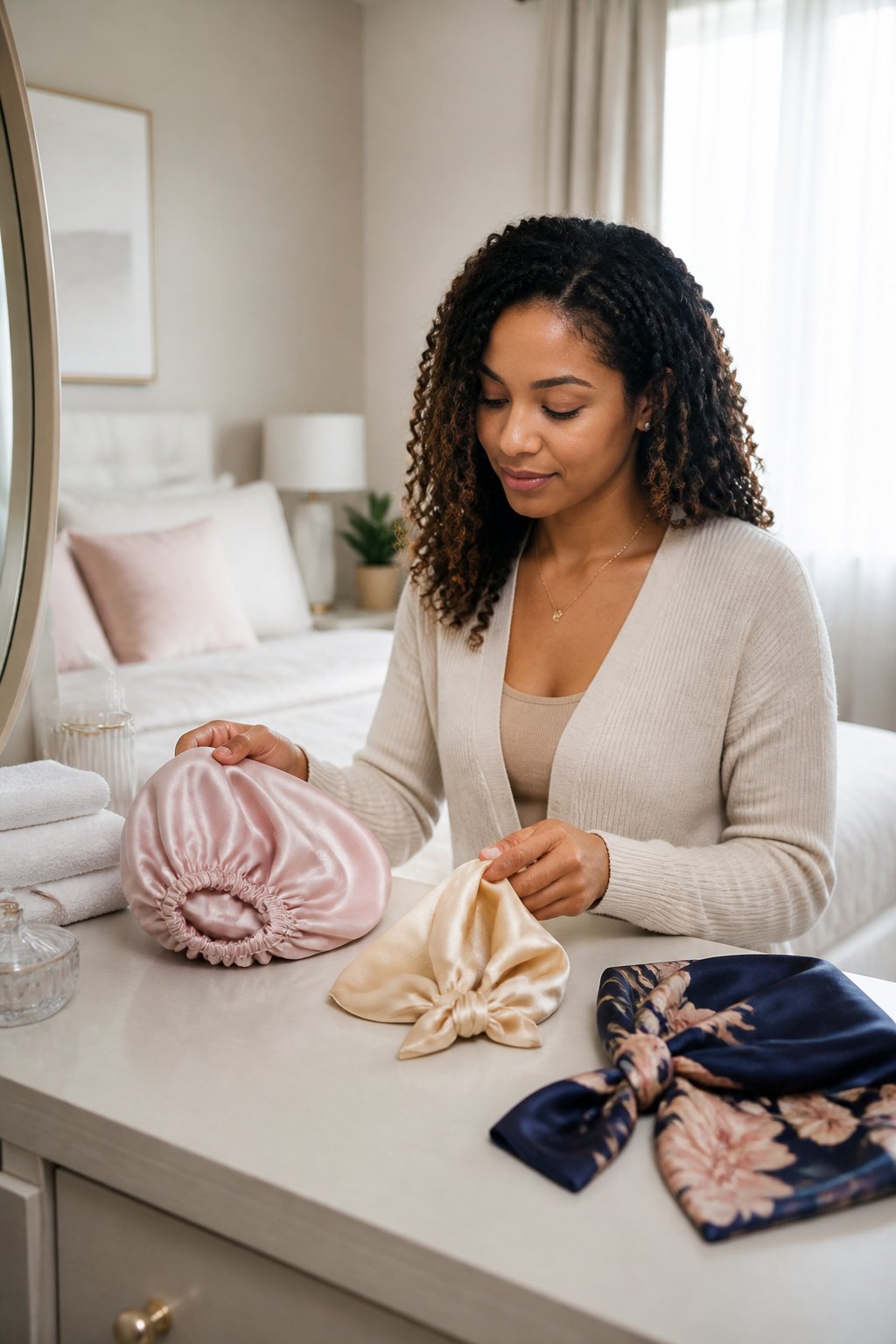
A satin bonnet can protect curls, coils, braids, and textured styles from friction. Choose a size that covers your hair without pressing on your edges. A loose elastic band helps prevent headaches and breakage.
You can use a satin scarf or silk scarf to secure a style or cover shorter hair. Tie it gently and avoid tight knots near your hairline. A silk wrap may suit straight or styled hair when you want to limit movement and preserve the shape.
Do not wrap wet hair tightly. Damp, compressed hair can stay wet for hours and may increase scalp irritation. Let your hair dry fully, then use a loose wrap or bonnet.
Keep Bedding and Accessories Clean
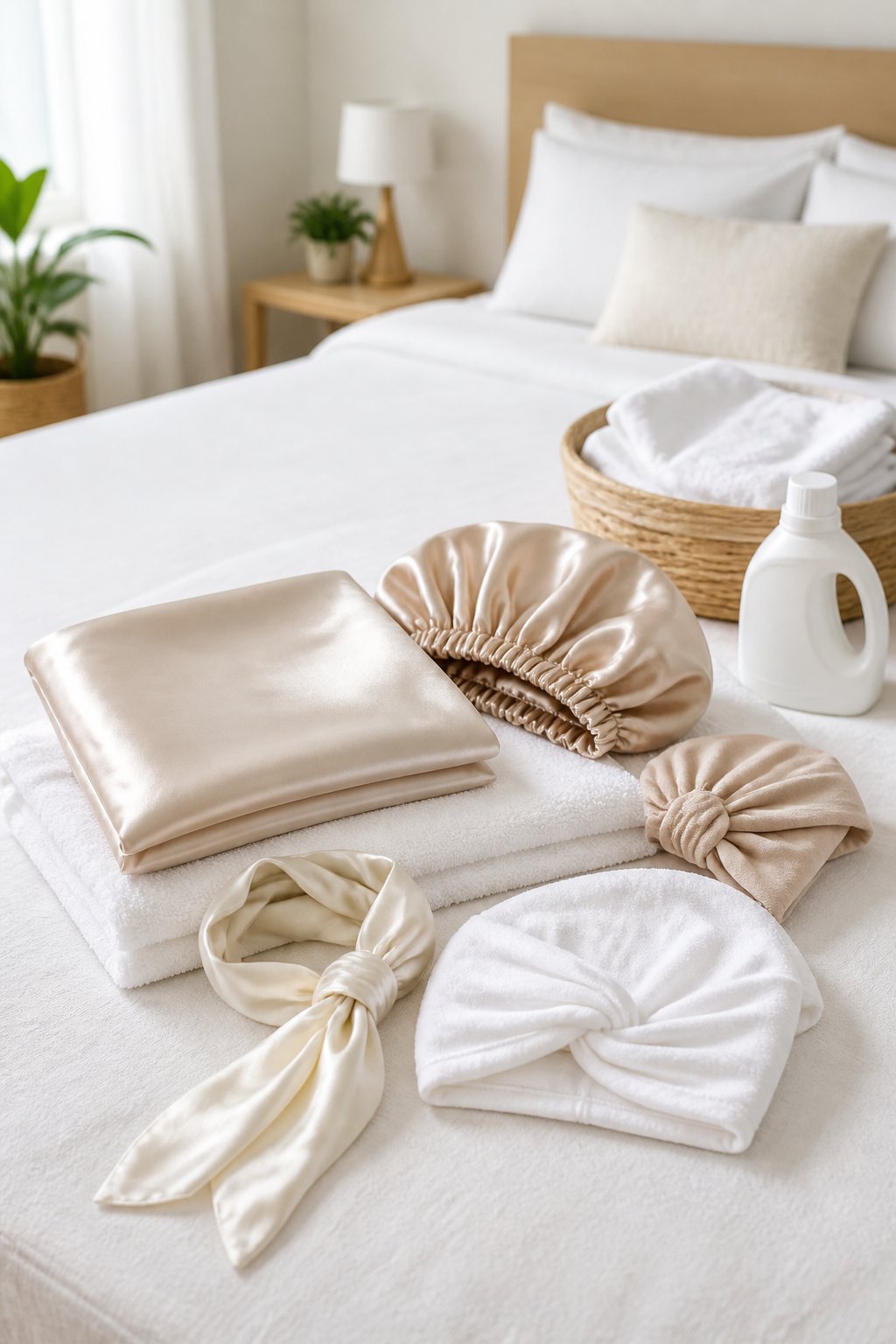
Wash your pillowcase, bonnet, scarf, and wrap often enough to remove sweat, skin oils, and product buildup. Heavy oils, gels, and leave-in products can transfer to fabric and later touch your scalp and face.
Follow each item’s care label. Use a gentle detergent, rinse well, and avoid fabric softener if it leaves a coating on the material. Let accessories dry completely before using them again.
Keep at least one clean spare available so you can change items regularly. If an accessory causes itching, redness, or tenderness, stop using it and check whether the fabric, detergent, or tight fit causes the problem.
Match Your Protective Style to Your Hair Type
Your best nighttime style should limit tension, reduce friction, and preserve your hair’s natural shape. Choose loose styles that match your texture, then secure them with soft materials such as satin or silk.
Straight and Fine Hair
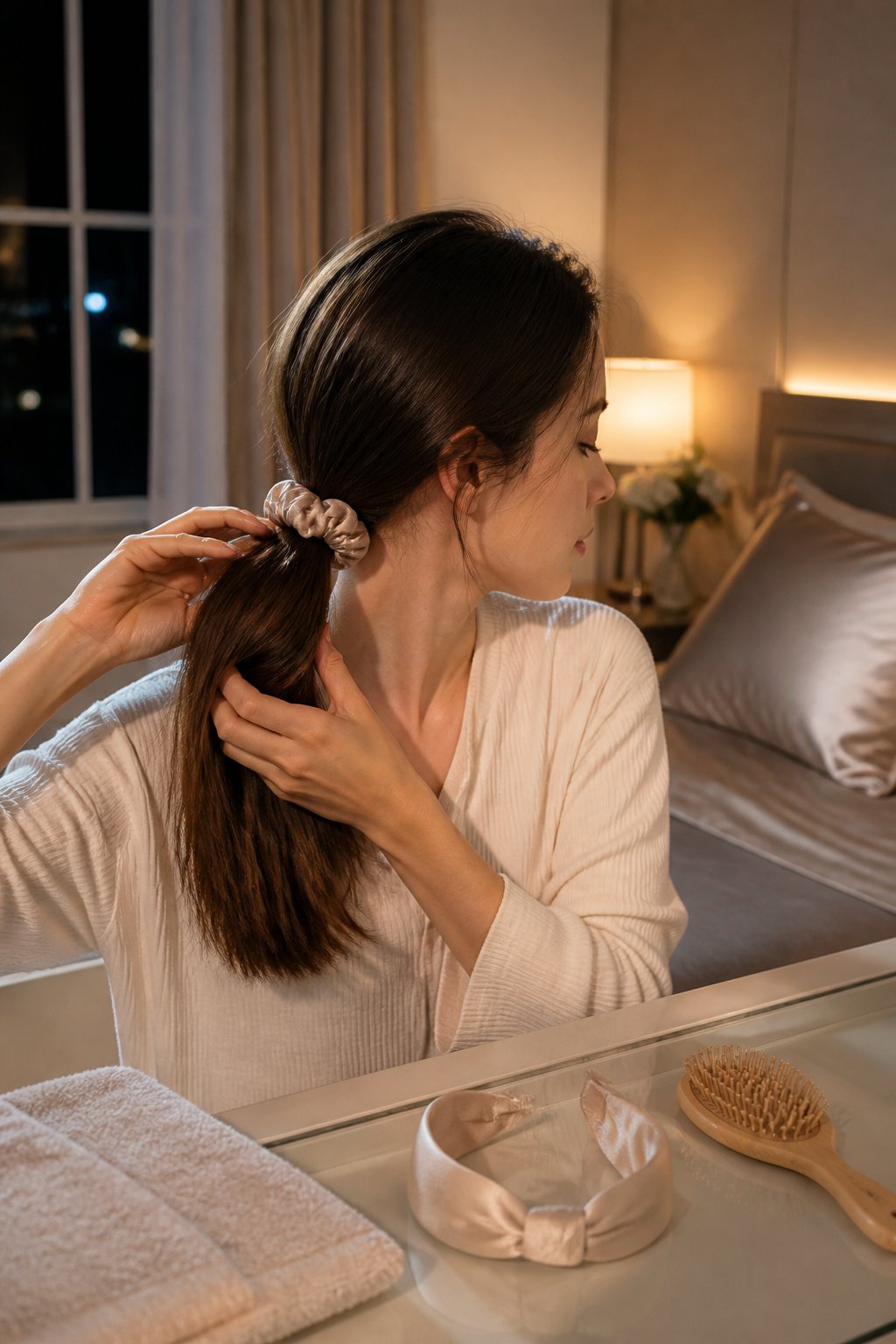
Straight hair can tangle and develop oily roots overnight, while fine hair may break under tight elastics or heavy products. Brush gently to remove tangles, then gather your hair into a loose low ponytail or a soft braid.
Use a silk scrunchie instead of a narrow rubber band. Keep the tie loose enough to slide over one finger. If your hair loses volume easily, skip heavy oils and creams before bed. A satin or silk pillowcase can reduce friction without flattening your hair as much as a tight style.
For short hair, smooth it away from your face with a soft, wide headband. Avoid sleeping with wet hair, since damp strands stretch more easily and may break when you turn in bed.
Wavy Hair
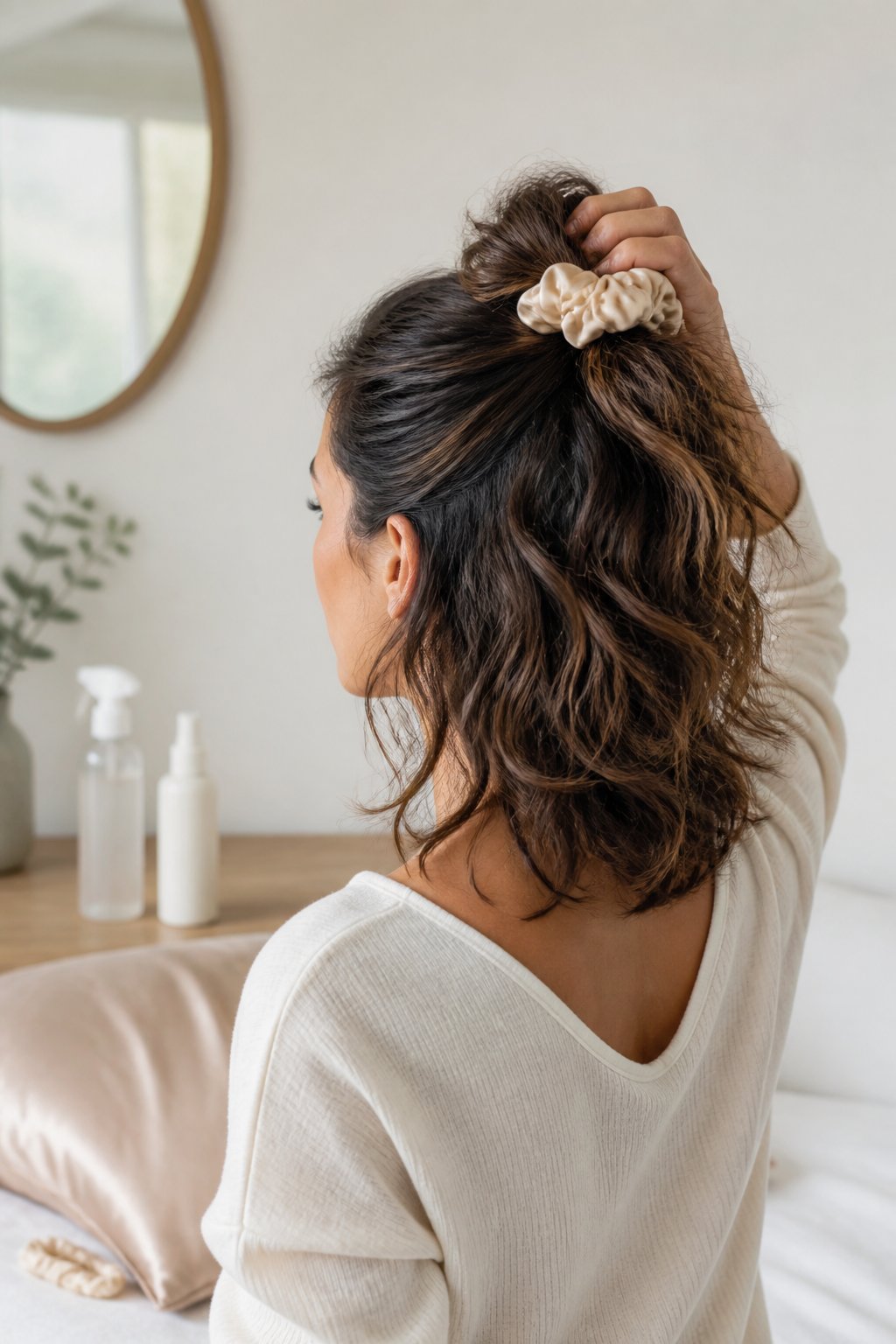
Wavy hair can lose its shape through friction and pressure. Apply a small amount of lightweight leave-in conditioner if your ends feel dry, then let your hair dry fully before styling it.
Try the pineapple method by gathering your hair loosely at the top of your head with a silk scrunchie. This keeps waves from being pressed beneath your head. If your hair is too short for a pineapple, make one or two loose braids instead.
Do not pull the hairline tightly or wrap the ends with firm bands. In the morning, remove the scrunchie and refresh flattened areas with a little water or leave-in conditioner. Avoid brushing dry waves, which can separate the pattern and increase frizz.
Curly and Coily Hair
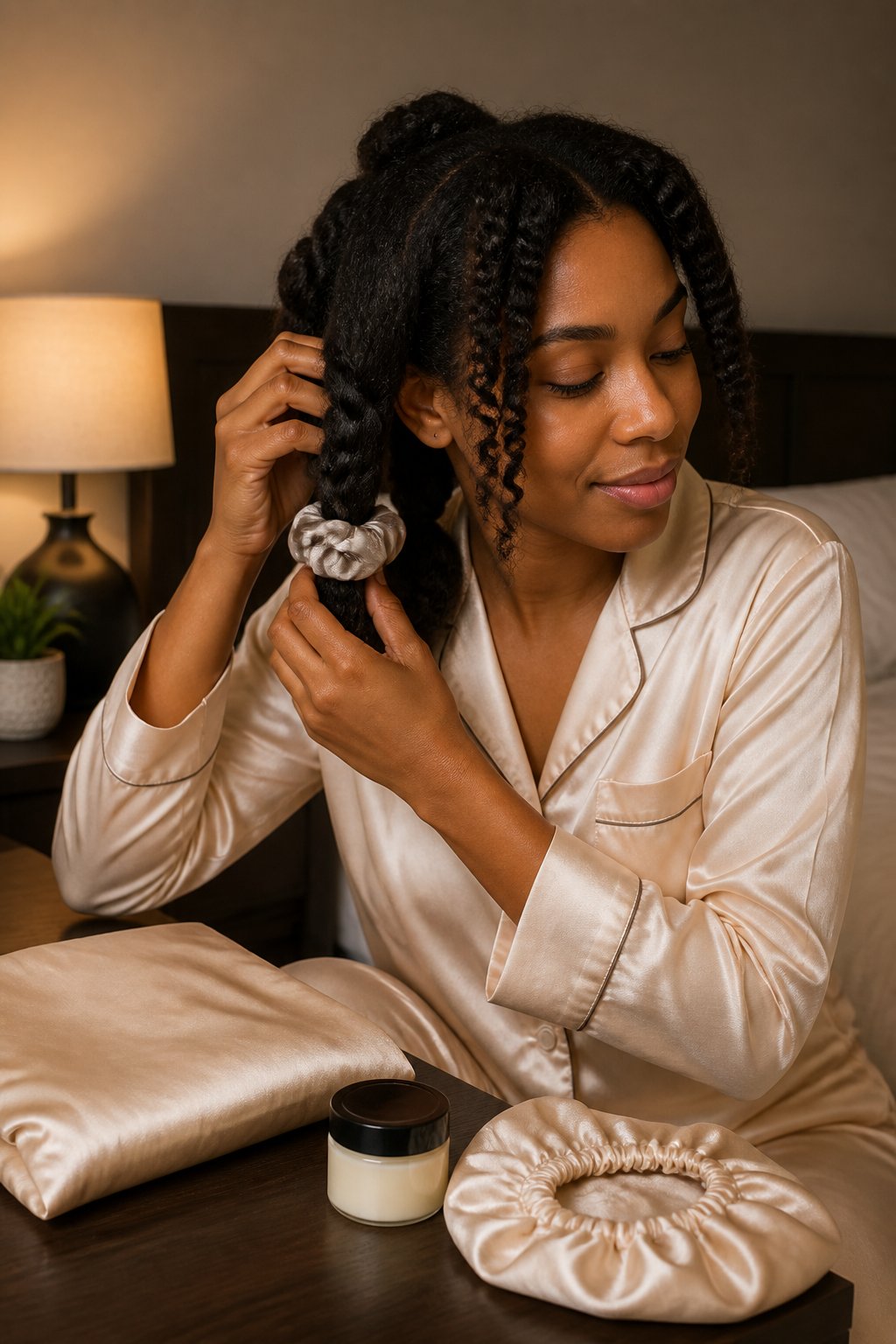
Curly and coily hair often needs protection from dryness, tangles, and friction. Before bed, use a small amount of moisturizer or leave-in conditioner on dry areas, especially the ends. Avoid adding more product if your hair already feels coated or weighed down.
Use the pineapple method for longer curls, or divide your hair into several loose sections. Loose twists or large, loose braids can help protect curl definition and reduce tangling. Secure each section with a satin-covered band or silk scrunchie.
A satin or silk bonnet can provide extra protection, but it should fit comfortably without pressing on your edges. If you use a pillowcase instead, choose satin or silk and wash it regularly. Never tie curls tightly, since repeated tension can cause breakage around the hairline.
Natural Hair, Braids, and Twists
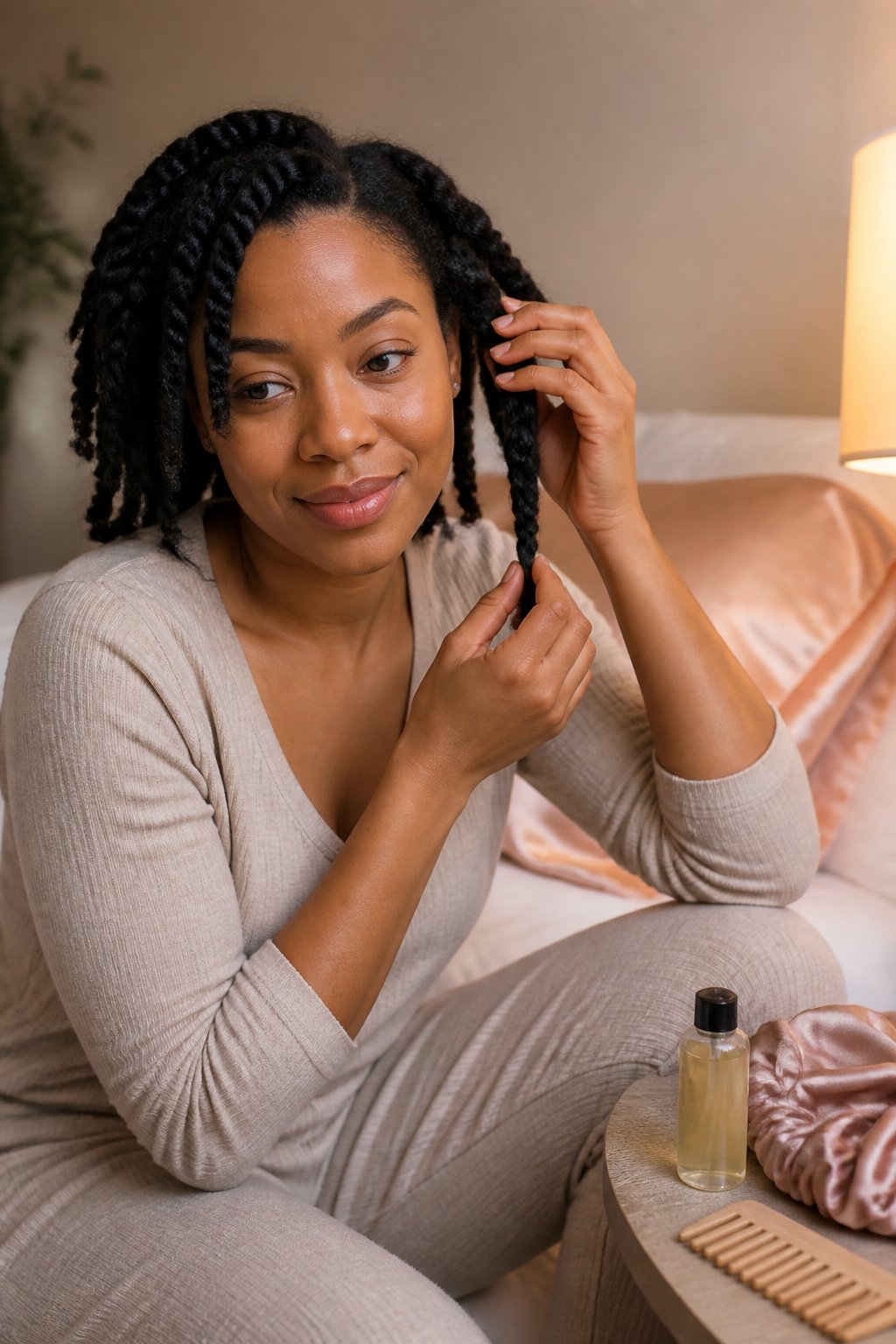
Natural hair benefits from low-tension protective hairstyles that keep the ends covered without pulling the scalp. Depending on your length, use loose braids, twists, or several large sections before bed. Keep each section comfortable and avoid styles that cause soreness or headaches.
If you wear braids or twists, protect them with a satin or silk bonnet, scarf, or pillowcase. Do not wrap wet hair under a covering, because trapped moisture can leave the scalp uncomfortable and may affect the style. Let your hair dry first.
Moisturize your natural hair as needed, focusing on the mid-lengths and ends. Avoid soaking the roots or adding heavy product every night. Check your edges and scalp regularly, and loosen or change any style that creates pain, tightness, or visible stress.
Use Overnight Treatments Without Overloading Hair
Choose products based on your hair’s condition, texture, and porosity. Apply small amounts to the mid-lengths and ends, avoid your scalp unless the label allows it, and alternate rich treatments with lighter care.
Lightweight Leave-Ins, Serums, and Oils
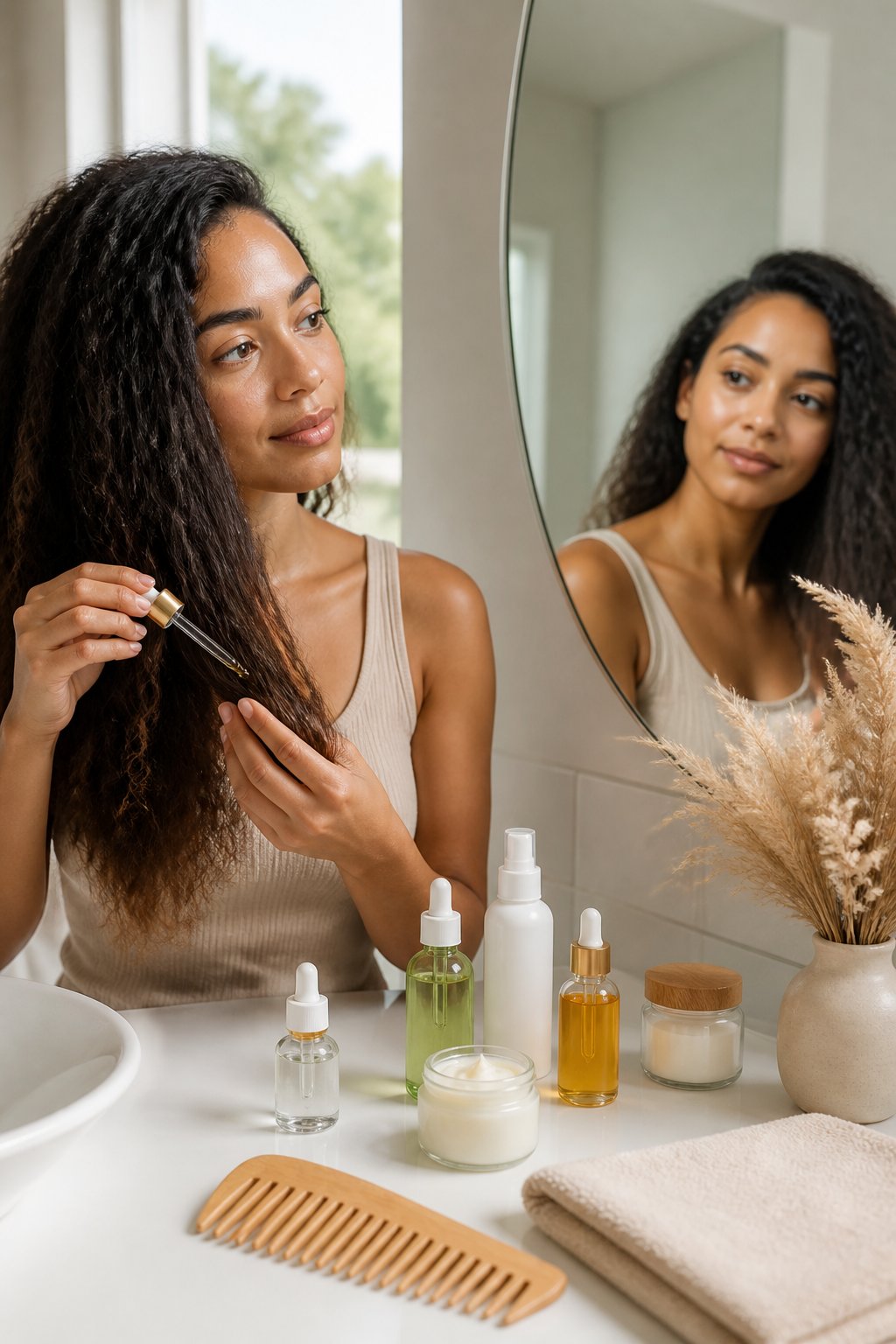
Use a leave-in treatment after washing or on dry hair when your strands need light moisture and easier detangling. Look for aloe vera, aloe vera gel, or other water-based ingredients if your hair feels dry but becomes greasy easily.
A hair serum can smooth the cuticle and reduce frizz caused by pillow friction. Silicone-based serums often work well for this purpose. Apply one or two drops to the ends, then add more only if needed.
Use a hair oil to seal in moisture rather than replace it. Argan oil suits many hair types because it feels light and helps soften dry ends. Coconut oil can reduce moisture loss for some people, but it may make fine or protein-sensitive hair stiff. Shea butter works better for thick, coarse, or very dry hair when you use a small amount.
Overnight Masks for Dry or Damaged Hair
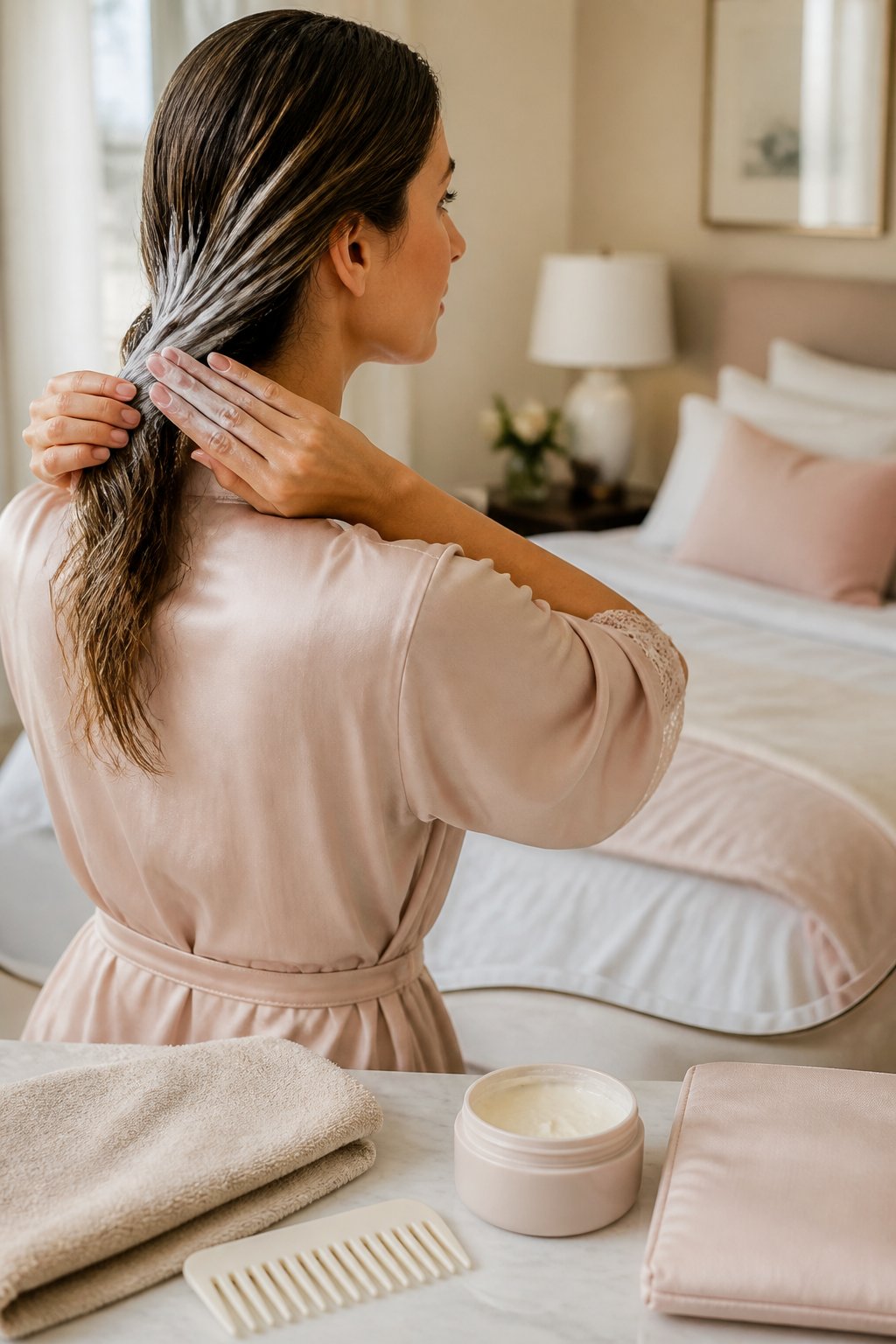
An overnight hair mask provides longer contact time than a short rinse-out mask. Choose one made for dry or damaged hair, and follow its instructions because some formulas work best for only 10–30 minutes.
Apply the mask to clean, damp hair from the ears down. Use enough to coat the strands without leaving them soaked or heavily coated. Comb through with your fingers, place your hair in a loose braid or bun, and protect your pillow with a towel or washable cover.
Use overnight hair masks once a week at first. If your hair feels limp, waxy, or difficult to style, reduce the amount or use the mask less often. Avoid layering an overnight treatment with several oils, serums, and creams in the same routine.
When Protein and Deep Conditioning Make Sense
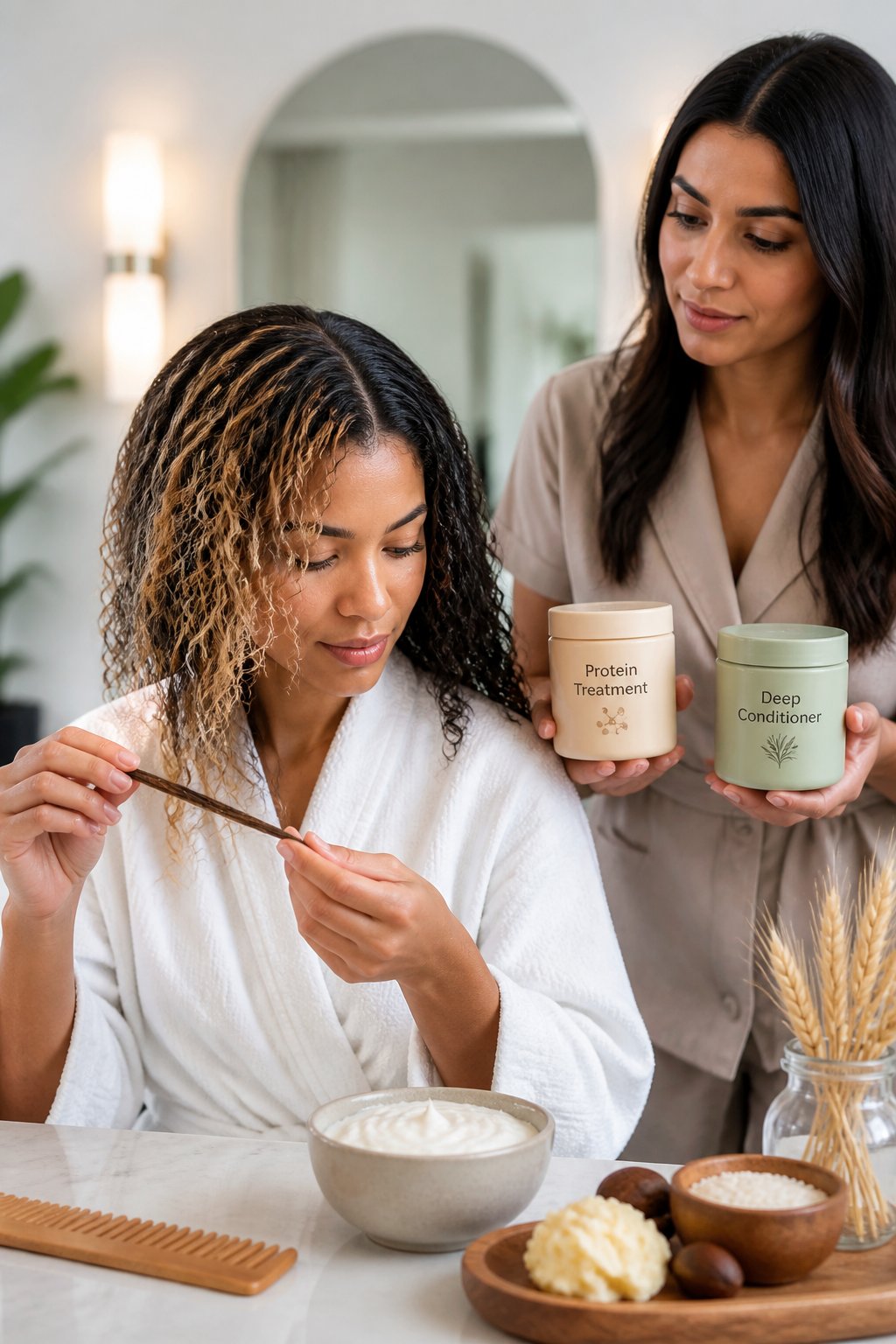
Choose a protein treatment when your hair feels weak, stretches too far when wet, breaks easily, or has damage from bleaching, coloring, or heat. Ingredients such as hydrolyzed keratin, wheat protein, rice protein, or silk protein may temporarily improve strength and reduce breakage.
Use protein treatments according to the product directions, often every few weeks rather than every night. Too much protein can leave hair stiff, rough, or tangled, especially if your strands already feel dry.
Choose a deep conditioning treatment when your hair feels rough, brittle, or hard to detangle. Rich formulas with fatty alcohols, oils, or shea butter can soften the surface and improve manageability. Alternate deep conditioning with protein treatments, and stop or reduce either product if your hair becomes coated or loses its natural movement.
Care for the Scalp Before Bed
Your nighttime scalp care should keep the skin clean, comfortable, and free from excess product. Use gentle techniques, match products to your scalp condition, and watch for symptoms that may need medical care.
A Gentle Scalp Massage
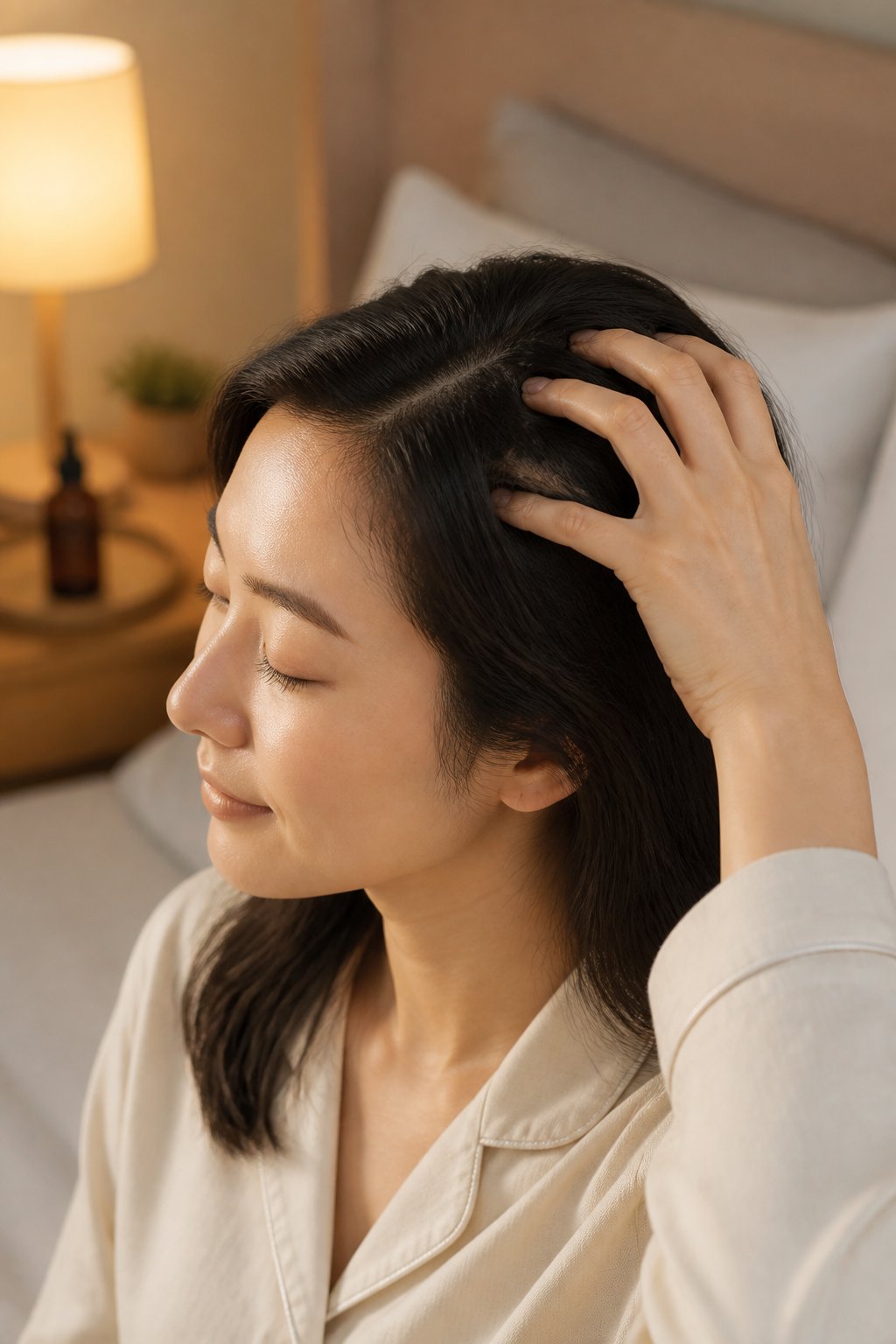
Use your fingertips to massage your scalp for three to five minutes before bed. Apply light, steady pressure with the pads of your fingers, not your nails, which can scratch the skin and cause irritation.
Move your fingers in small circles from your hairline toward the crown and then to the back of your head. A scalp massage can help spread natural oils and loosen flakes or product residue. It may also help you relax, but it does not guarantee hair growth or prevent hair loss.
You can massage a small amount of a lightweight scalp product into clean skin if it suits your hair type. Avoid peppermint oil or other essential oils unless you dilute them properly and test a small area first. Stop using any product that causes burning, redness, or itching.
Managing Dryness, Oil, and Product Buildup
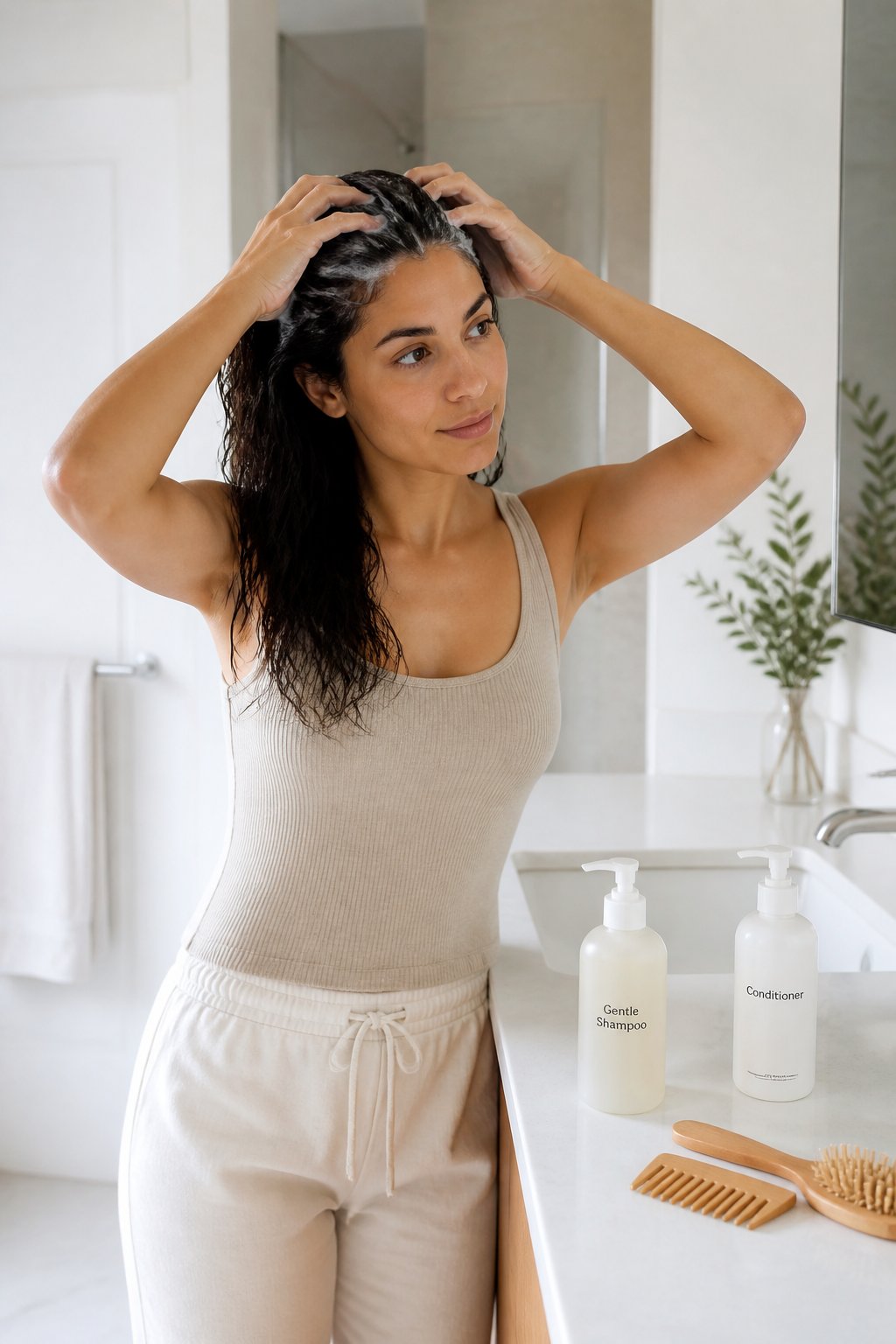
If you have a dry scalp, wash with a gentle, fragrance-free shampoo and avoid very hot water. Apply conditioner mainly to your hair lengths unless your scalp feels dry and the product label says it is suitable for the scalp.
For oily hair, focus shampoo on the scalp and rinse well. Do not use heavy oils or thick leave-in products at the roots, since they can worsen greasiness and cause product buildup. Brush gently to remove loose flakes, but do not scrape the skin.
Persistent flakes may indicate dandruff rather than simple dryness. An anti-dandruff shampoo with an ingredient such as ketoconazole, selenium sulfide, or zinc pyrithione may help. Follow the label directions and give the product time to work before rinsing.
When Scalp Symptoms Need Professional Advice

Contact a dermatologist if you have ongoing itching, painful areas, thick scales, sores, bleeding, or sudden changes in your scalp. These signs may be caused by dandruff, eczema, psoriasis, an infection, or a reaction to a hair product.
Seek advice for noticeable hair loss, bald patches, broken hairs, or scalp tenderness. A healthcare professional can examine your scalp condition and identify causes that home care cannot address.
The American Academy of Dermatology advises avoiding harsh scratching and stopping products that trigger irritation. Keep a list of new shampoos, dyes, oils, or styling products you used before symptoms began. This information can help a dermatologist determine the cause and recommend suitable treatment.
Avoid Common Nighttime Hair Mistakes
Wet strands stretch more easily and face extra friction against your pillow. Avoid tight styles, excess styling products, and heat before bed to reduce moisture loss, hair damage, and breakage.
Do Not Sleep With Wet or Damp Hair
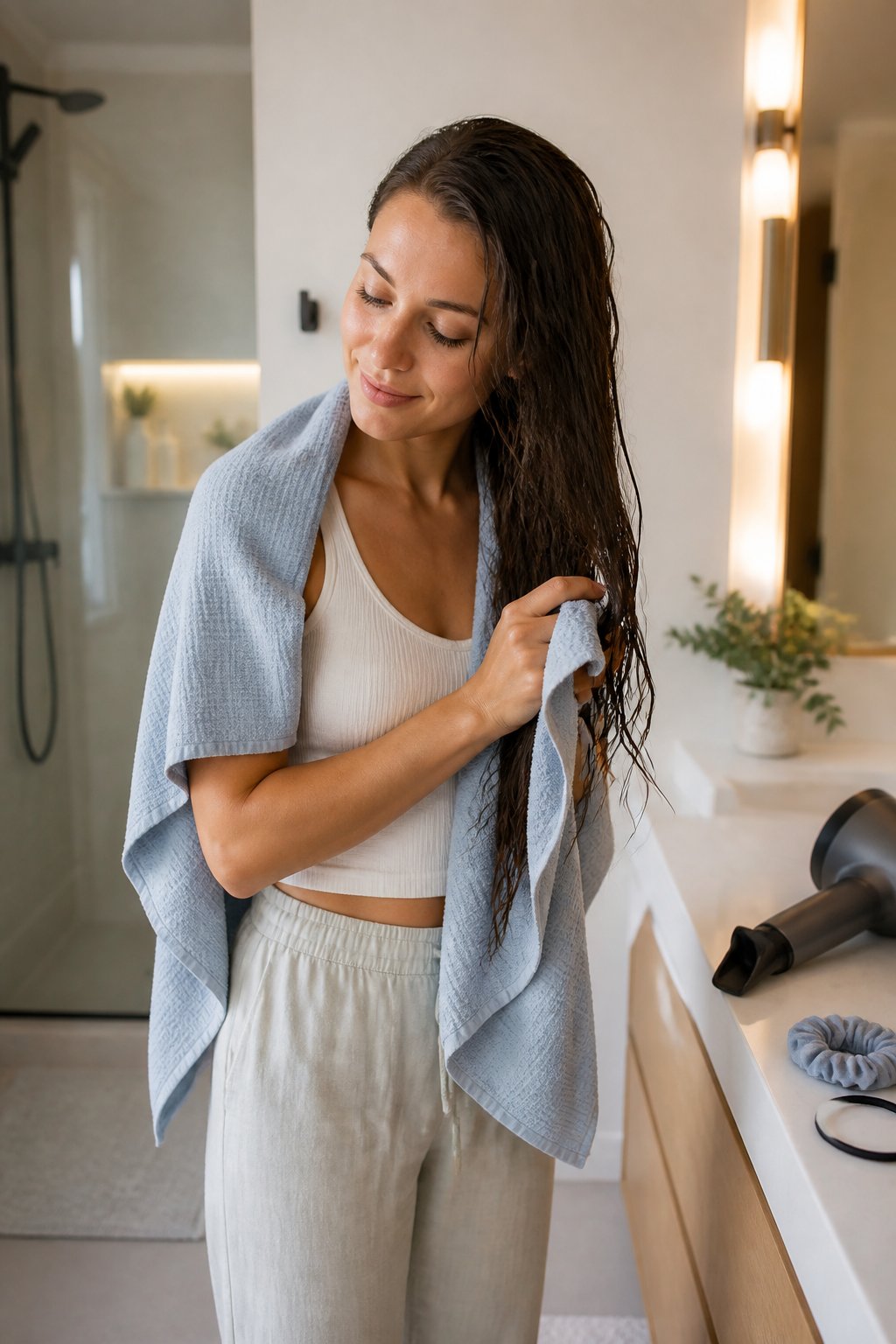
Sleeping with wet hair increases friction as you move against your pillow. Because wet strands are more fragile, this can lead to tangles, frizz, and hair breakage. Let your hair dry fully before bed, especially near the roots and scalp.
After washing, gently squeeze out water with your hands. Wrap your hair in a microfiber towel for a short time instead of rubbing it with a rough towel. If you use a blow-dryer, choose a low or cool setting and keep the dryer moving.
Do not tie up wet or damp hair tightly. A loose braid or low ponytail may help control long hair, but wait until it is mostly dry and use a soft, fabric-covered tie.
Skip Tight Styles and Heavy Product Layers
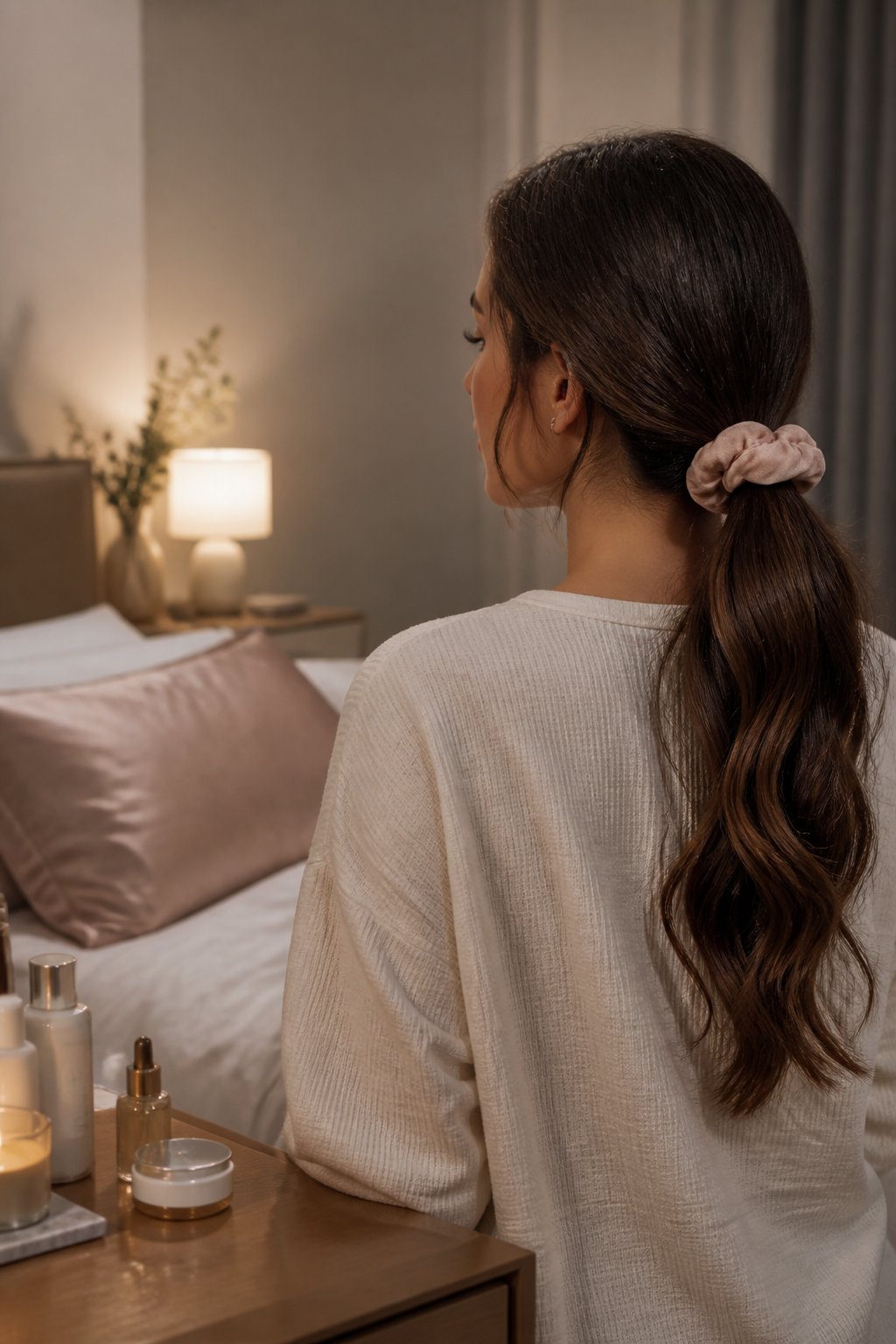
Avoid tight ponytails, buns, braids, and extensions while sleeping. Constant tension can cause scalp discomfort and increase breakage around the hairline, especially when you repeat the same style each night.
Choose a loose braid, a relaxed twist, or a low ponytail secured with a soft scrunchie. Change the position of the tie regularly so one area does not receive pressure night after night.
Use styling products sparingly before bed. Heavy gels, waxes, oils, or creams can leave buildup and make strands stick together, which increases pulling during detangling. Apply only the amount your hair needs, and keep rich products away from the scalp unless the label or a professional recommends them.
Reduce Heat and Mechanical Stress
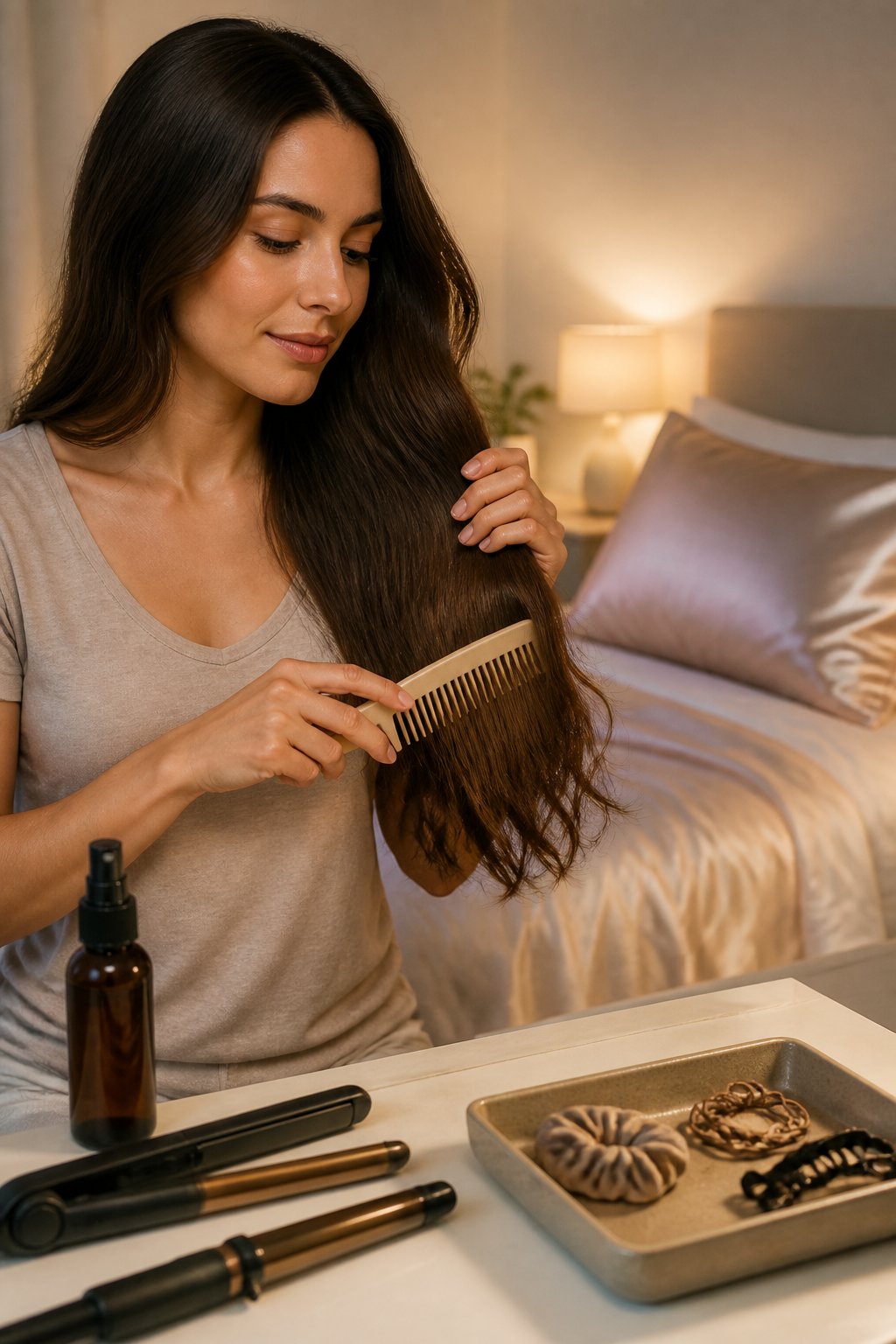
Avoid using a flat iron or curling iron right before sleep. Heat styling can dry the hair and weaken the outer layer, while pillow friction may disturb the style and cause additional stress. If you must style with heat at night, apply a heat protectant, use the lowest effective temperature, and make sure your hair is fully dry.
Detangle gently before bed, starting at the ends and working toward the roots. Use a wide-tooth comb or a flexible brush, and hold the hair above the section you are combing to reduce pulling.
A smooth pillowcase can reduce friction, but it does not replace gentle handling. Keep jewelry, rough hair accessories, and clips away from your sleeping hair because they can catch and pull on strands.
Support Results With Consistent Daytime Care
Your nighttime routine works best when daytime habits also reduce friction, buildup, and unnecessary stress. Gentle styling, a suitable wash schedule, targeted treatments, and regular trims help protect hair health while you retain length.
Refresh and Style Gently in the Morning
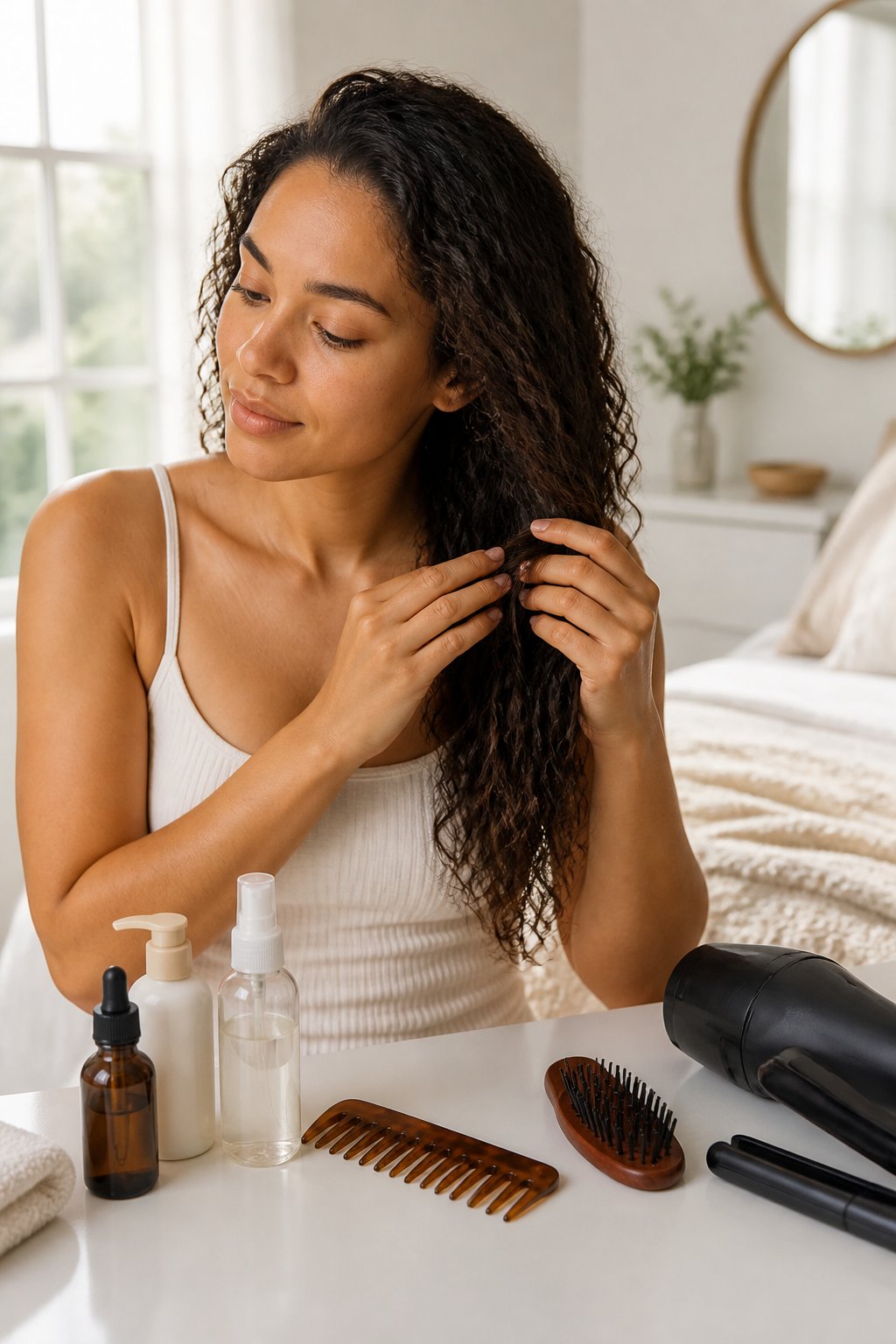
Remove braids, twists, or a loose bun carefully. Use your fingers first, then a wide-tooth comb if needed. Start at the ends and work upward to limit pulling and breakage.
If your hair feels dry, smooth a small amount of leave-in conditioner or lightweight hair oil over the mid-lengths and ends. Apply products gradually so your hair does not become heavy or greasy. Choose formulas that match your hair texture and avoid layering several products without a clear need.
A boar bristle brush may spread natural oils along straight or wavy hair, but it can tug on fragile, curly, or tightly coiled strands. Use it only if it glides easily. Limit heat styling, apply heat protectant before using hot tools, and choose a low or medium setting.
Schedule Cleansing, Treatments, and Trims
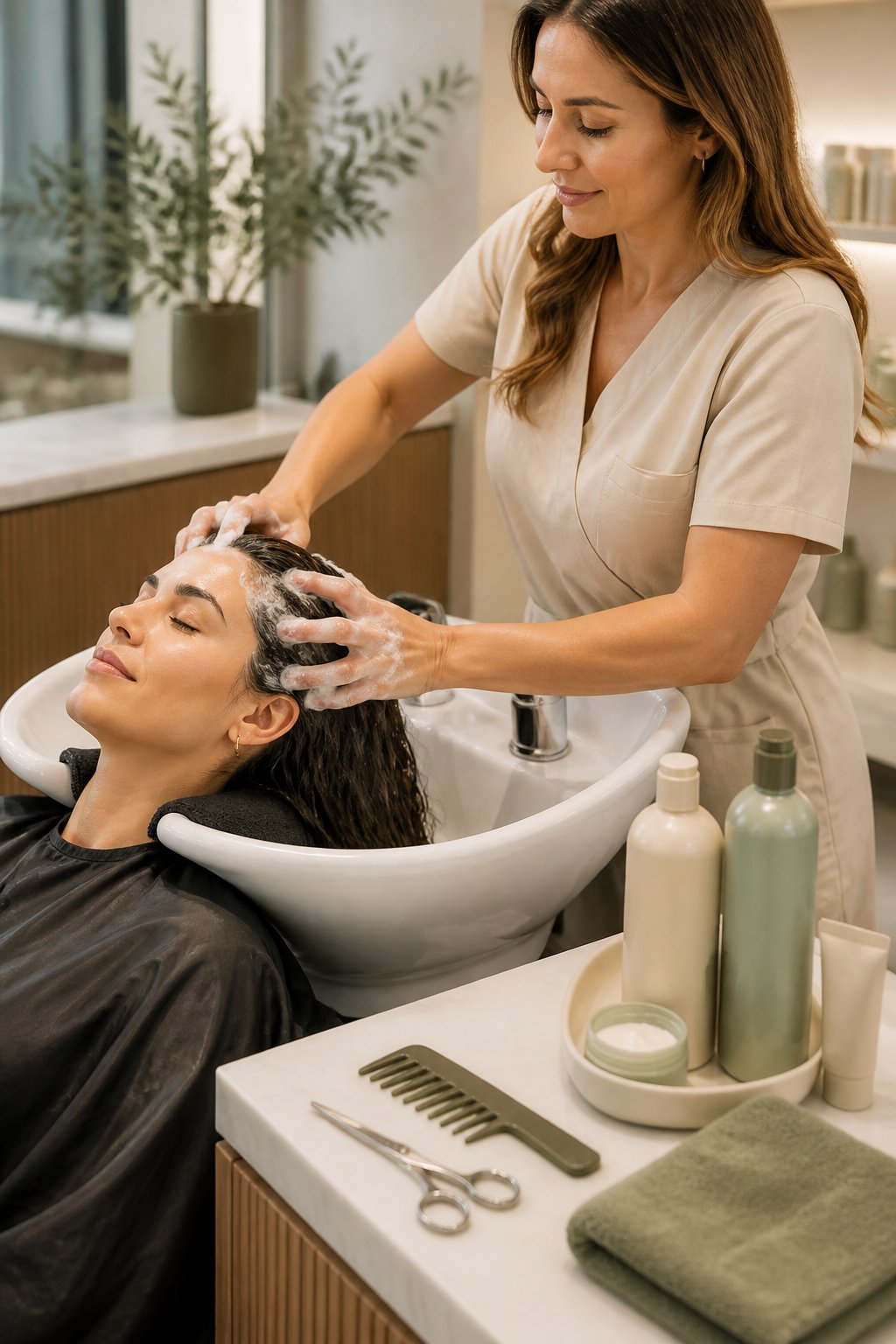
Wash your hair when your scalp feels oily, itchy, sweaty, or coated with product. Your schedule may range from several times a week to less often, depending on your scalp, hair texture, and activity level. Use dry shampoo between washes only when needed, and remove it during your next full wash.
Apply shampoo mainly to your scalp and let the lather rinse through the lengths. Follow with conditioner from the mid-lengths to the ends. A moisturizing treatment can help dry hair, while a protein product may help some damaged hair feel stronger; use it occasionally and stop if your hair becomes stiff or rough.
Schedule regular trims to remove split ends before they travel farther up the hair shaft. Trims do not increase hair growth, but they can reduce breakage and help you retain length.
Set Realistic Expectations for Growth and Repair
Hair grows from follicles beneath the scalp, so a nighttime routine cannot repair a split end or make hair grow dramatically faster. It can reduce preventable damage, preserve moisture, and support better length retention over time.
Expect changes in texture, softness, and shine before you notice more length. Hair growth varies by genetics, age, health, hormones, and nutrition. Consistent care may help your hair look healthier and shinier, but it cannot reverse every cause of thinning or shedding.
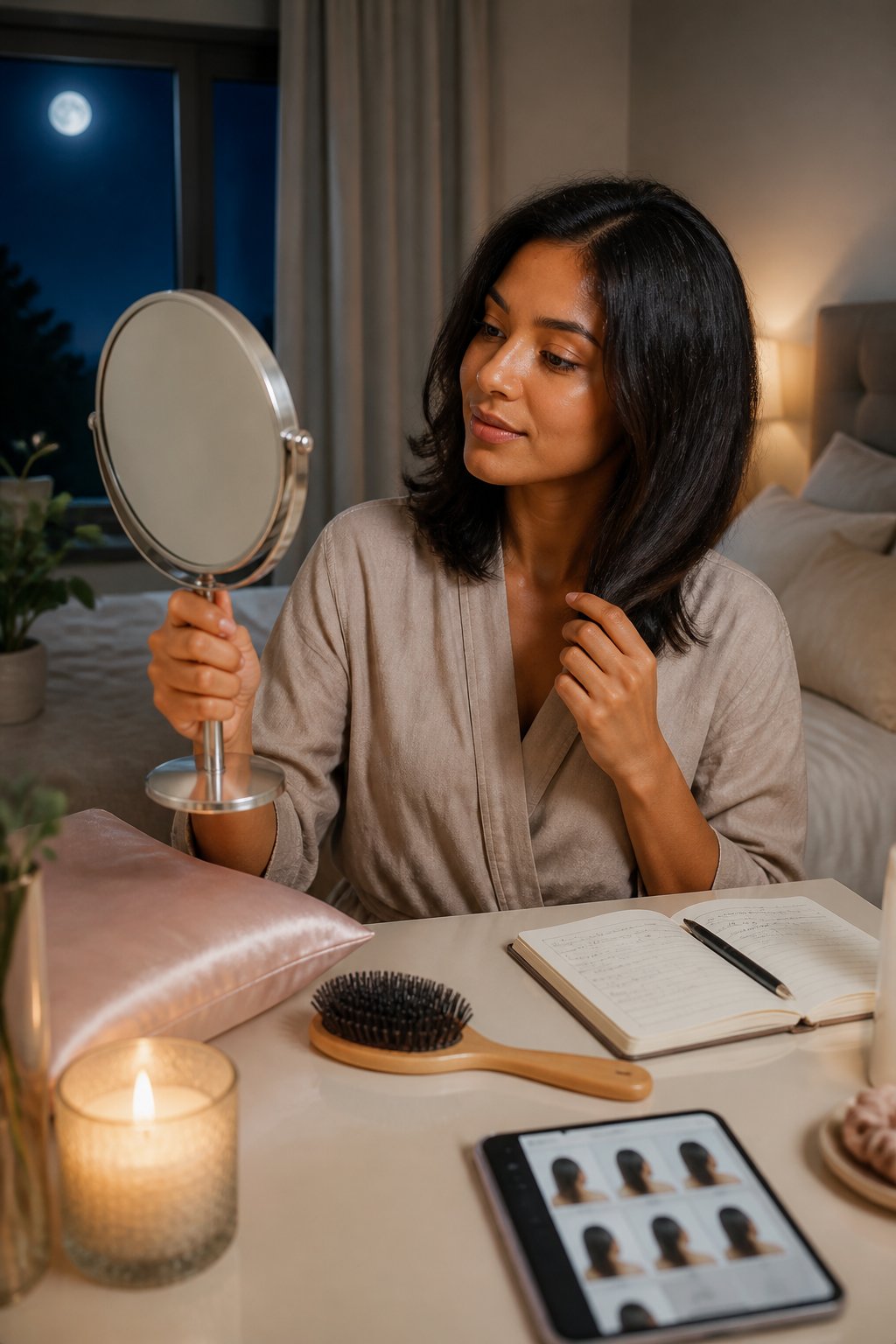
Track progress with monthly photos taken in similar lighting. Seek medical advice if you notice sudden shedding, bald patches, scalp pain, or major changes in hair density. A clinician can check for health conditions, medication effects, or nutrient problems that hair products cannot treat.
Frequently Asked Questions
Gentle handling, loose protective styles, suitable products, and a smooth sleep surface can help limit breakage and dryness. Your routine should also match your hair’s texture, moisture needs, and scalp condition.
What should I do with my hair before bed to prevent breakage?
Detangle your hair gently, starting at the ends and working toward the roots. Use a wide-tooth comb or a soft brush, and avoid pulling through knots.
Make sure your hair is mostly dry before you sleep. Wet hair stretches more easily and may break when it rubs against your pillow. If needed, apply a small amount of leave-in conditioner to the mid-lengths and ends.
What is the best way to wear your hair to sleep?
Choose a loose style that does not pull on your scalp. A low braid, loose ponytail, or relaxed bun can reduce tangling, but avoid tight elastics and styles that create tension at the hairline.
Use a soft scrunchie made from satin or fabric instead of a thin rubber band. Change the position of the style from night to night to avoid repeated pressure on the same areas.
Which nighttime hair products help keep hair healthy and hydrated?
A lightweight leave-in conditioner can add moisture and improve detangling. Apply it mainly to the lengths and ends, especially if your roots become oily easily.
For dry or coarse hair, use a small amount of hair oil or a cream-based moisturizer on the ends. Avoid applying heavy products to your scalp unless the product is designed for scalp use and your scalp tolerates it.
How can I protect curly hair overnight without causing frizz?
Sleep with your curls in a loose pineapple on top of your head, using a satin scrunchie. You can also wear a satin or silk bonnet to reduce friction and help preserve your curl pattern.
Refresh curls in the morning with a light mist of water or leave-in conditioner. Avoid brushing dry curls, which can separate the curl pattern and increase frizz.
What should I put in my hair overnight to support healthier-looking hair?
Choose products based on your hair’s needs. A leave-in conditioner can help with dryness and tangles, while a small amount of lightweight oil can smooth the ends and reduce moisture loss.
Overnight oiling is not necessary for everyone. If you try it, use a small amount, keep it away from your eyes, and wash it out if your scalp feels greasy, itchy, or irritated.
How does a nighttime routine support hair growth and reduce damage?
A nighttime routine does not directly make hair grow faster. It can reduce avoidable damage from tangling, friction, tight hairstyles, and rough handling, which helps you keep more of the hair you grow.
Gentle scalp massage may feel soothing, but it should not involve hard rubbing or pulling. If you notice sudden shedding, bald patches, or ongoing scalp irritation, consult a dermatologist.
