

Humid weather can make your hair swell, lose definition, and develop frizz. You can reduce these changes by using gentle, moisturizing products and limiting friction, heat, and excess moisture during styling.
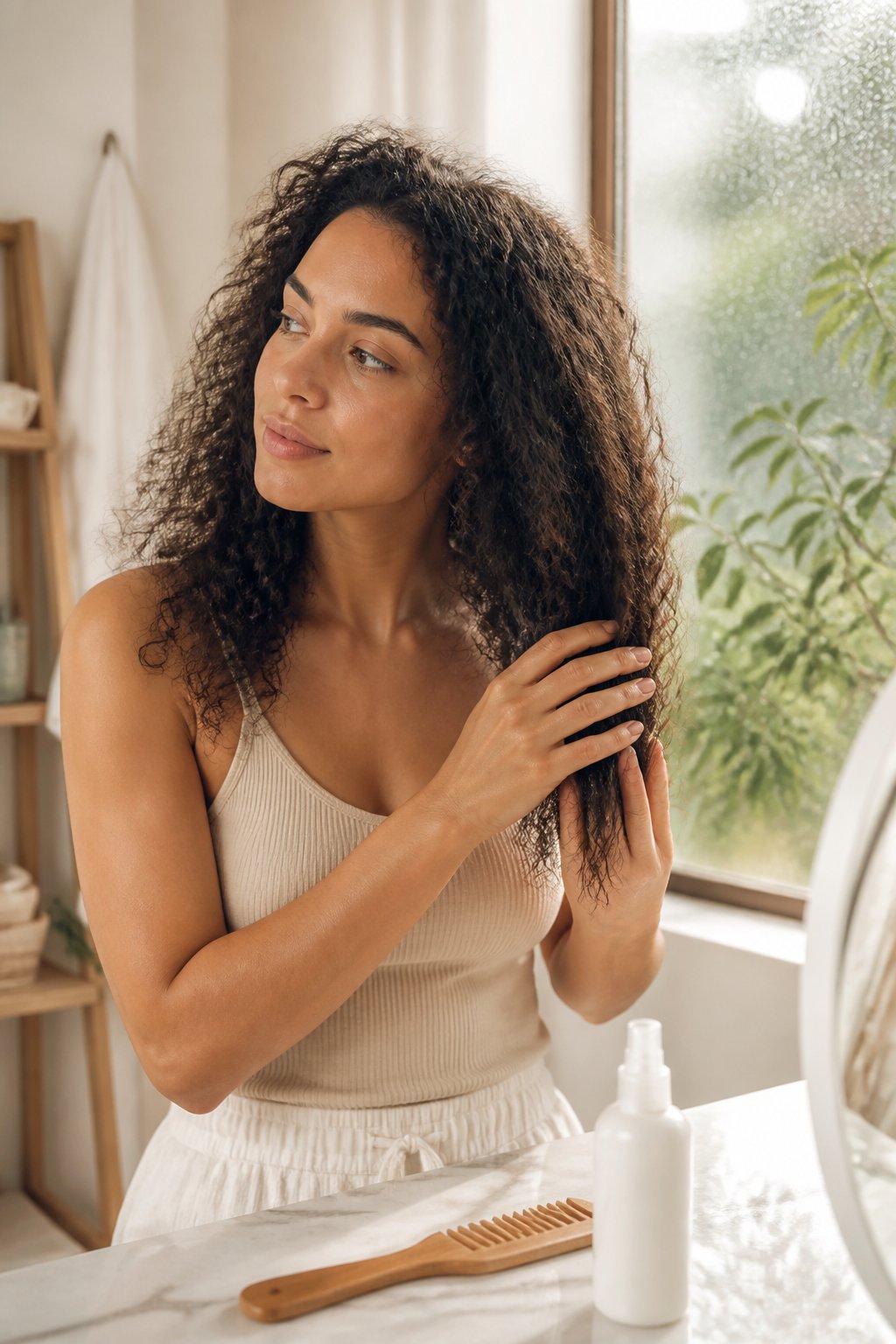
To control frizzy hair in humidity, keep your hair moisturized, apply an anti-frizz product to wet hair, and dry it gently with a microfiber towel. Your hair type also affects which products and styles work best, so small routine changes can improve frizz control throughout the day.
Key Takeaways
- Humidity can change your hair’s texture and increase frizz.
- Moisture, gentle drying, and anti-frizz products support smoother hair.
- Your hair type should guide your products, styling, and overnight care.
Why Humidity Changes Hair Texture
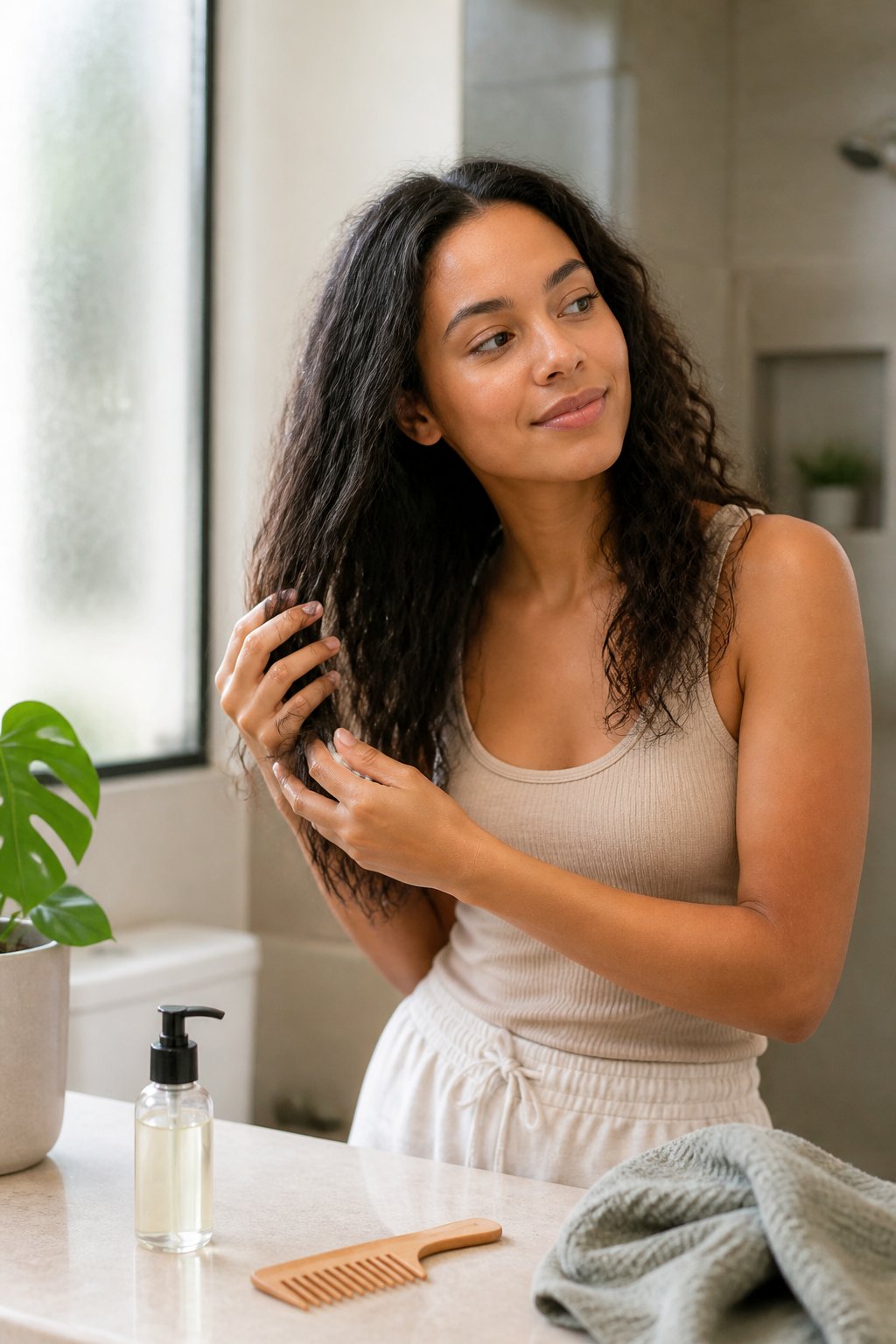
Humidity changes your hair texture because your hair shaft absorbs water from the air. This moisture can alter temporary bonds inside the hair, while the condition of your hair cuticles affects how quickly and unevenly the change occurs.
How Moisture Absorption Disrupts Hydrogen Bonds
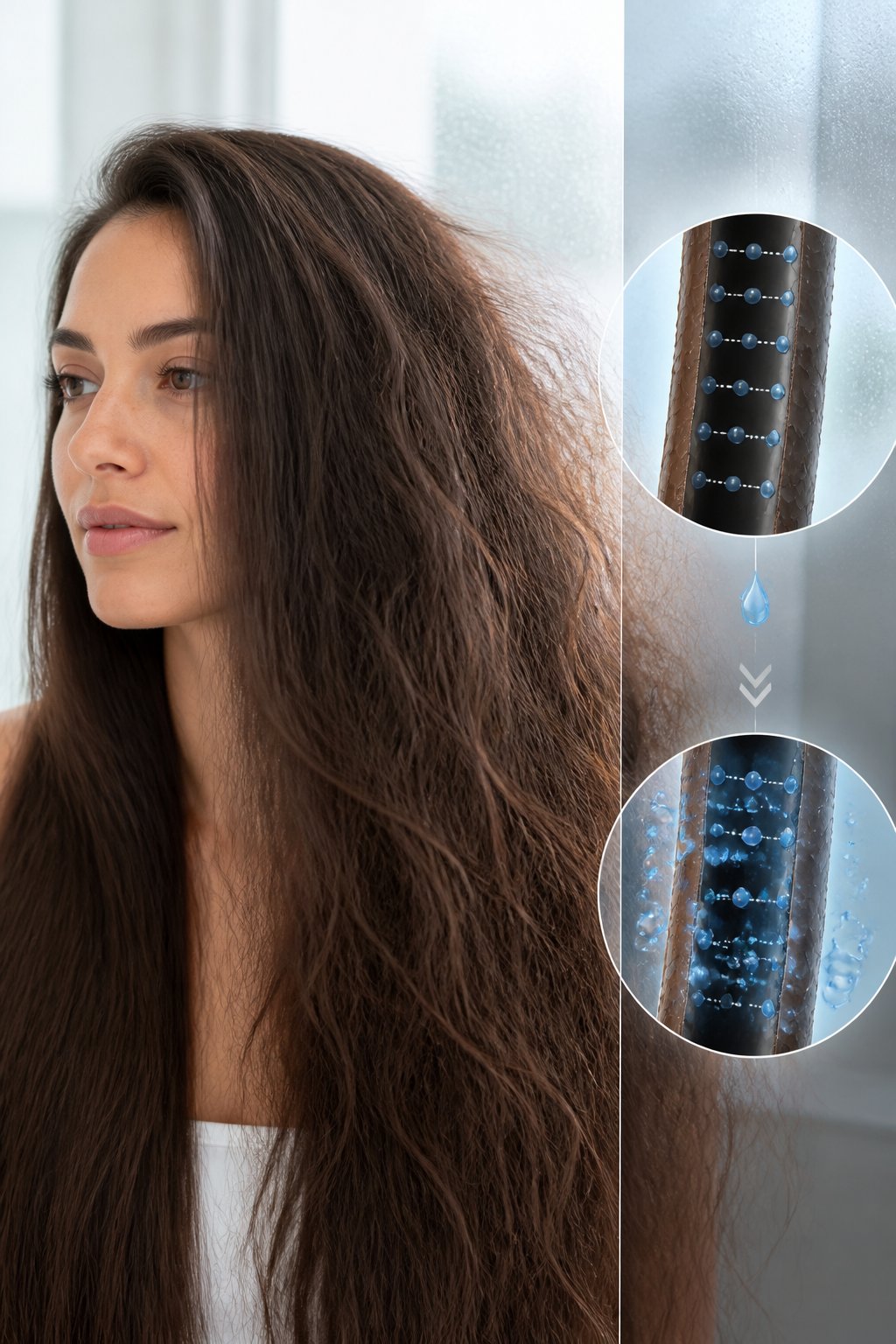
Your hair contains hydrogen bonds that help hold each strand in its current shape. These bonds are temporary and can change when water enters the hair shaft. High humidity increases the amount of water around your hair, making moisture absorption more likely.
As water enters the strand, it disrupts some existing hydrogen bonds and helps form new ones. The new pattern may not match the shape created by brushing, blow-drying, or straightening. As a result, straight hair may become puffy, while wavy or curly hair may lose definition or develop uneven frizz.
This process affects each strand differently. That uneven change creates the rough, expanded appearance linked with frizzy hair in humid weather.
The Role of Keratin, the Hair Shaft, and Hair Cuticles
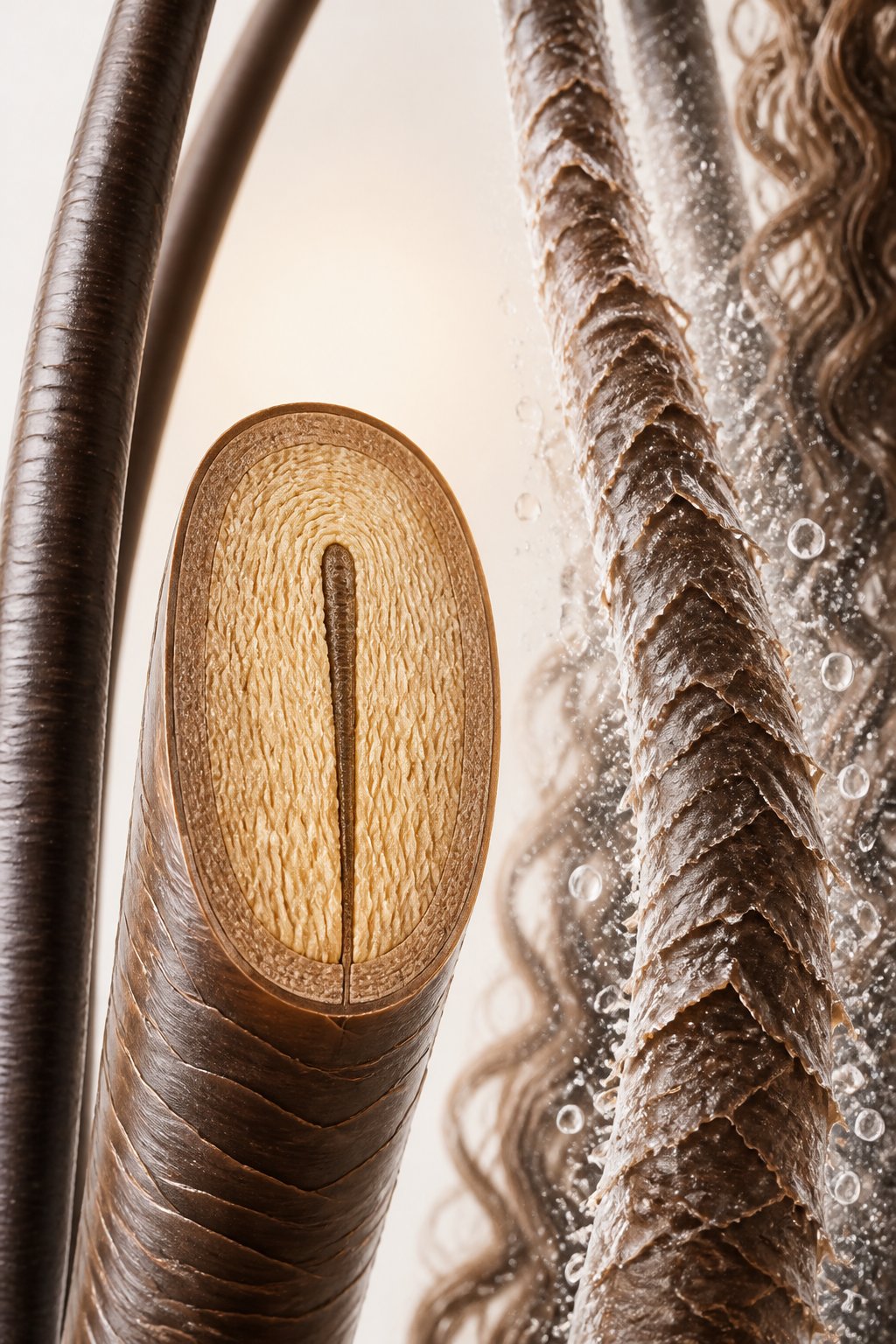
The hair shaft has three main layers. The cortex forms most of the strand and contains keratin, a strong protein that helps determine your hair texture, strength, and natural shape. The outer layer, called the hair cuticle, consists of overlapping cells that protect the cortex.
When your cuticles lie flat, they slow moisture absorption and help your hair stay smoother. When they lift, split, or wear away, water can enter the hair shaft more easily. Heat styling, bleaching, chemical treatments, rough towel-drying, and tight hairstyles can damage the cuticles over time.
High humidity can also make the shaft swell slightly as it absorbs water. This swelling changes the way strands sit together, which can increase puffiness, tangling, and loss of definition.
Why Dry, Damaged, and High-Porosity Hair Frizzes More
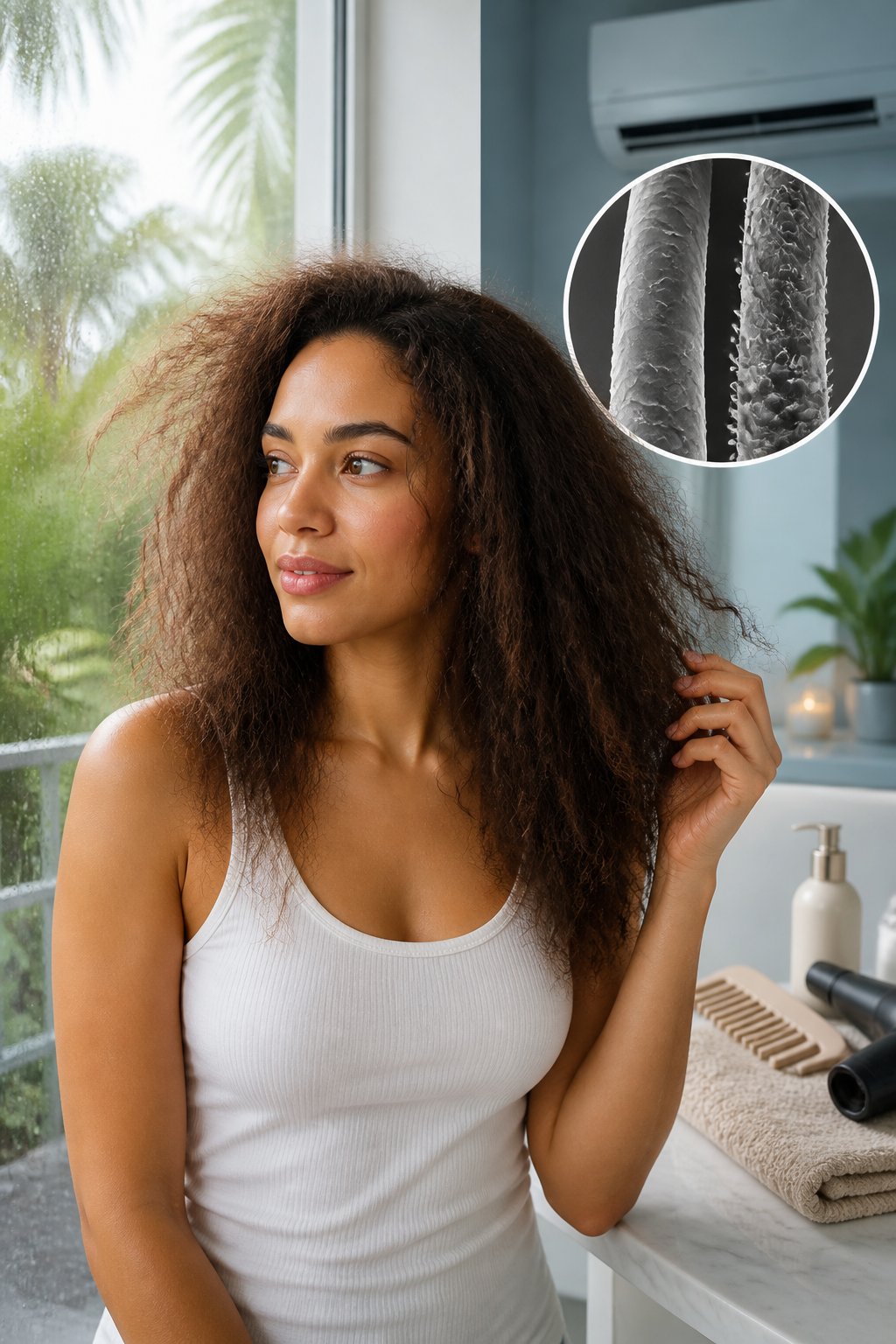
Dry hair often lacks enough internal moisture and protective oils. Its cuticles may not lie flat, so the hair absorbs water from humid air quickly. This rapid change can make the surface feel rough and cause strands to expand unevenly.
Damaged hair reacts more strongly because heat, chemicals, and friction can create gaps in the cuticle layer. High-porosity hair has especially raised or damaged cuticles, allowing it to absorb and lose moisture faster than low-porosity hair.
Your hair may then cycle between swelling outdoors and drying indoors, especially when you move between humid air and air conditioning. Gentle handling, regular conditioning, and reduced heat exposure help protect the cuticles and limit these texture changes.
Build a Humidity-Ready Wash and Conditioning Routine
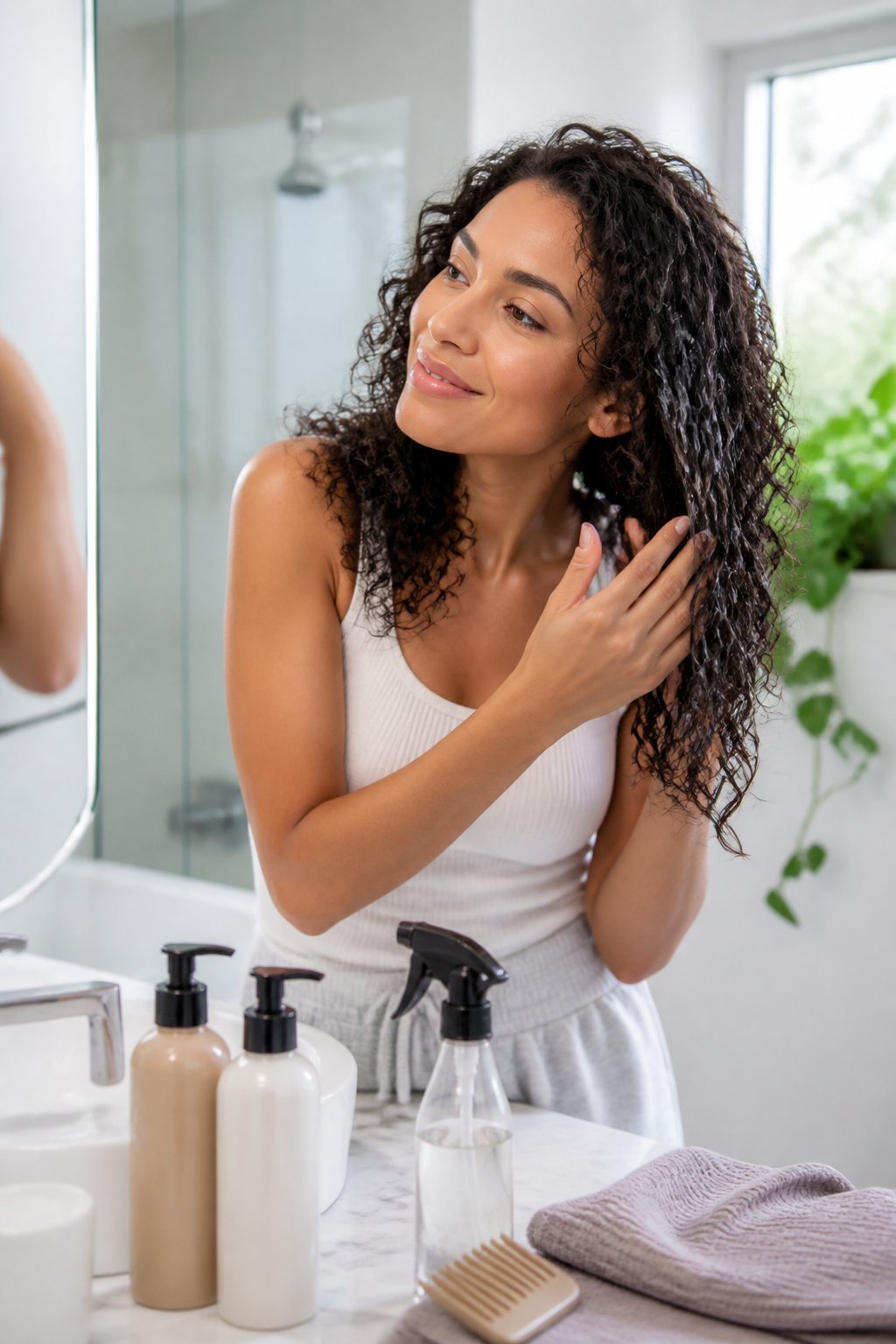
Humidity can make hair absorb excess moisture from the air, which raises the cuticle and creates frizz. A gentle wash, careful conditioning, and regular deep hydration help keep your hair smoother and easier to manage.
Condition Correctly for Lasting Hydration
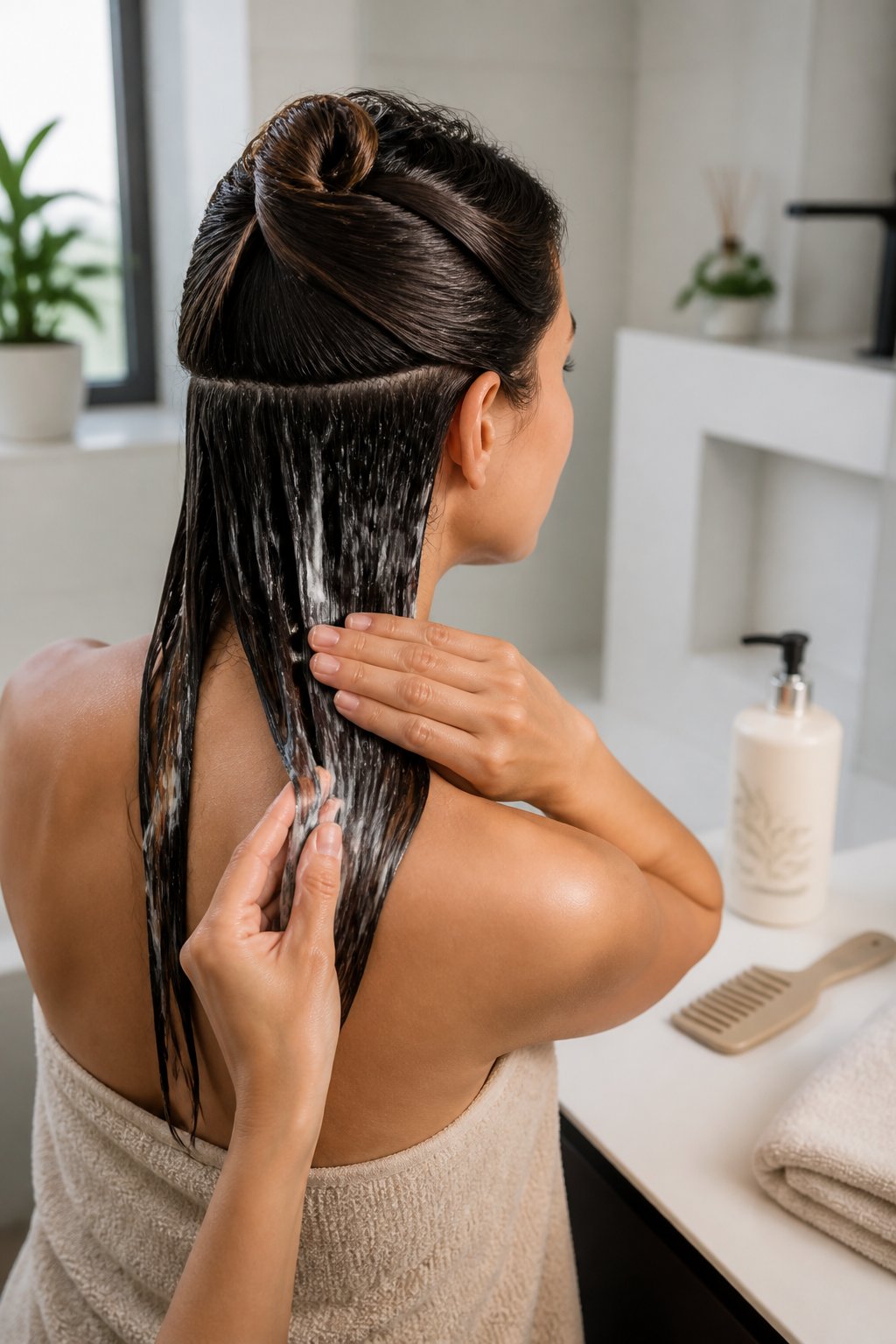
Apply hair conditioner from the middle of your hair to the ends. These areas usually need more hydration than your scalp and can become rough when exposed to humid air. Avoid applying large amounts at the roots, especially if your scalp becomes oily or feels weighed down.
Use enough conditioner to coat each section without leaving a heavy layer. Gently spread it through your hair with your fingers or a wide-tooth comb, starting at the ends. Leave it on for the time listed on the product, then rinse with cool or lukewarm water.
Choose a conditioner with moisturizing ingredients such as plant oils, fatty alcohols, or conditioning agents. If your hair becomes limp, reduce the amount or switch to a lighter formula. Blot wet hair with a microfiber towel or soft cotton T-shirt instead of rubbing it.
Use Weekly Deep Conditioning Treatments and Hair Masks
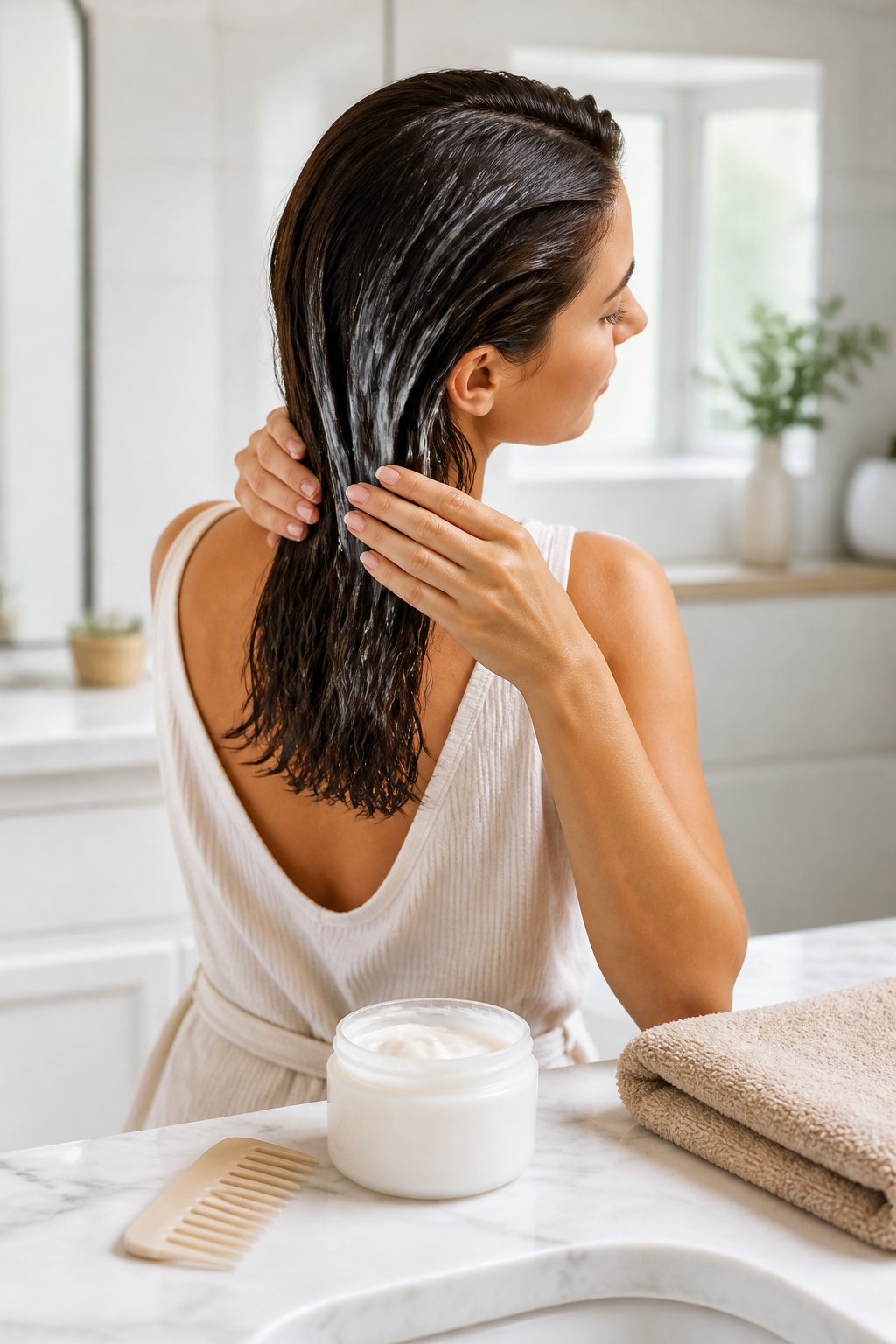
Use a deep conditioner or hair mask once a week when humidity leaves your hair dry, tangled, or rough. A deep conditioning treatment gives your hair more concentrated moisture than a regular conditioner and can improve softness and manageability.
After shampooing, squeeze out excess water before applying the treatment. Coat the lengths and ends evenly, then leave it on for the recommended time. Covering your hair with a warm, damp towel can support the treatment, but avoid high heat that may worsen dryness or damage.
Select a mask based on your hair’s condition. Choose a hydration-focused mask for dry, coarse hair, and a lighter treatment for fine hair. Natural oils can help seal in moisture, but heavy oil treatments may trap sweat and make oily or dandruff-prone scalps harder to clean.
Apply the Right Anti-Frizz Products
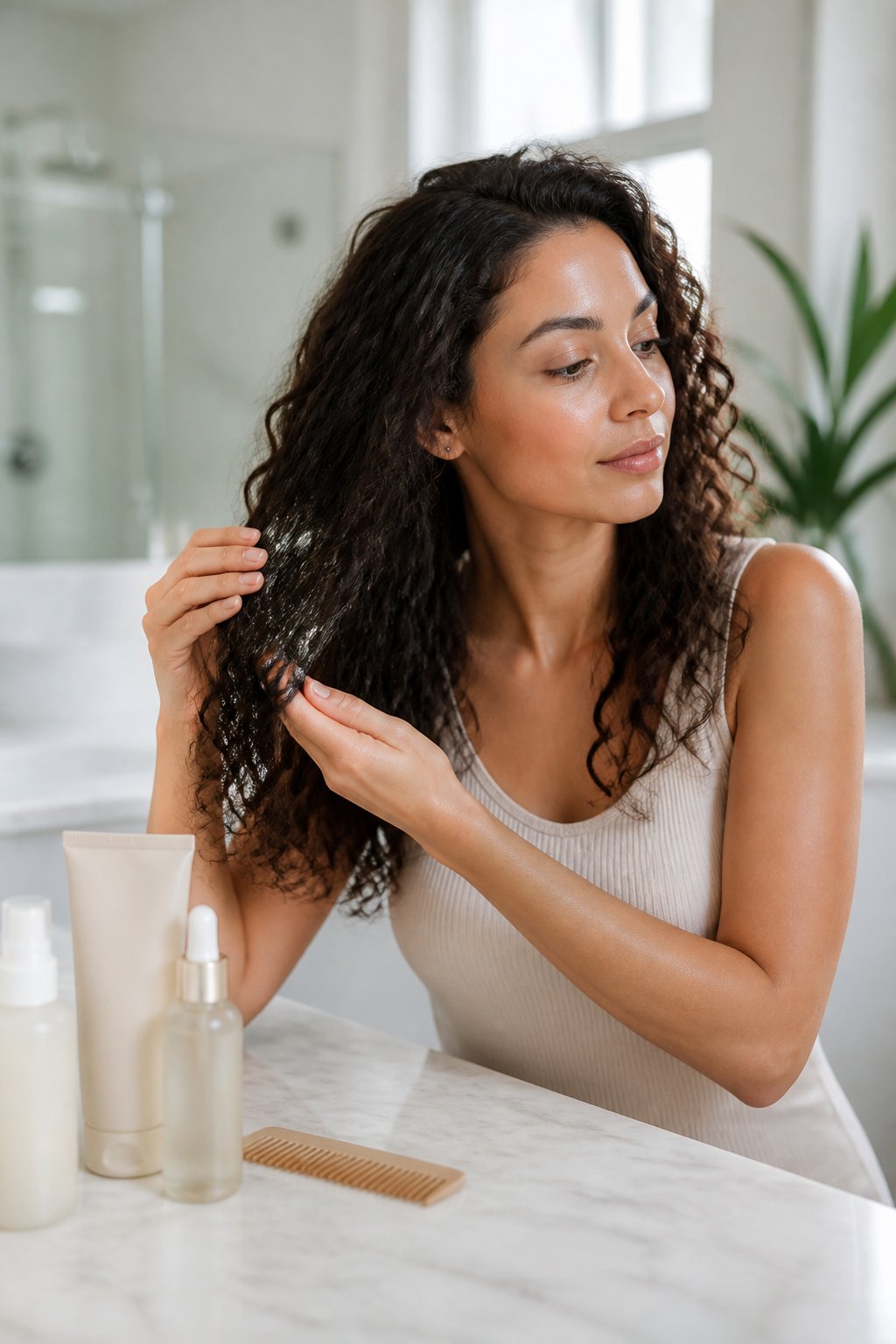
Apply products in layers to damp hair, then choose a finishing product that matches your hair type. Use moisture-focused formulas for dry hair, lighter products for fine hair, and humidity-resistant products when the air feels damp.
Layer Leave-In Conditioner and Styling Cream on Damp Hair
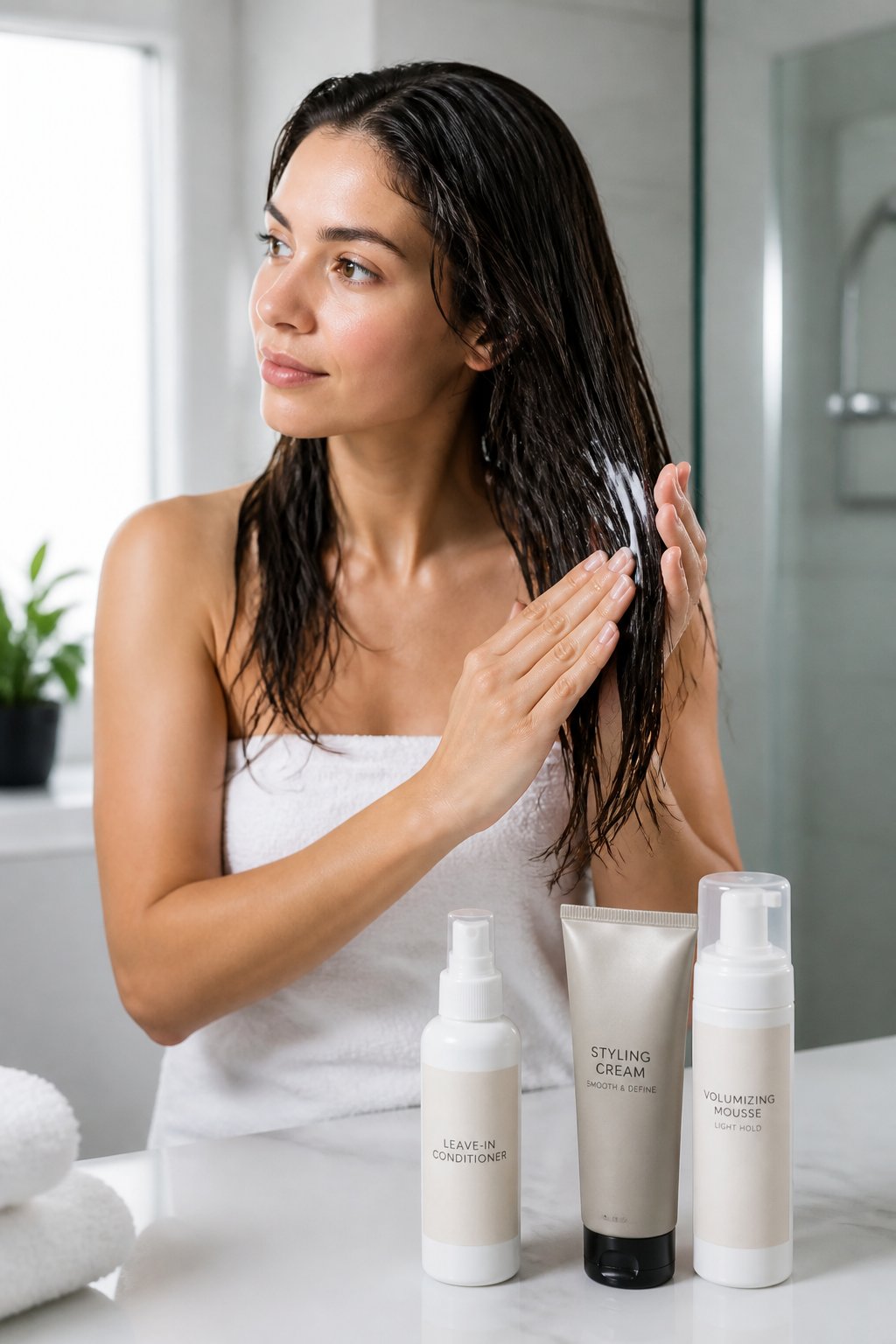
Start with a small amount of leave-in conditioner on towel-dried hair. Work it through the middle and ends, where dryness and frizz usually appear. Use less on fine hair and more on thick, curly, or coarse hair.
Add a smoothing cream, curl cream, or light mousse while your hair remains damp. These products help hold moisture and shape without requiring heavy oil. Scrunch curl cream into waves or curls, or comb smoothing cream through straight hair.
Avoid applying too much product near your roots. Excess cream can flatten fine hair and make it look greasy. If your hair feels coated after drying, reduce the amount or use a lighter formula next time.
Seal Strands With Serum, Silicones, or Lightweight Oils
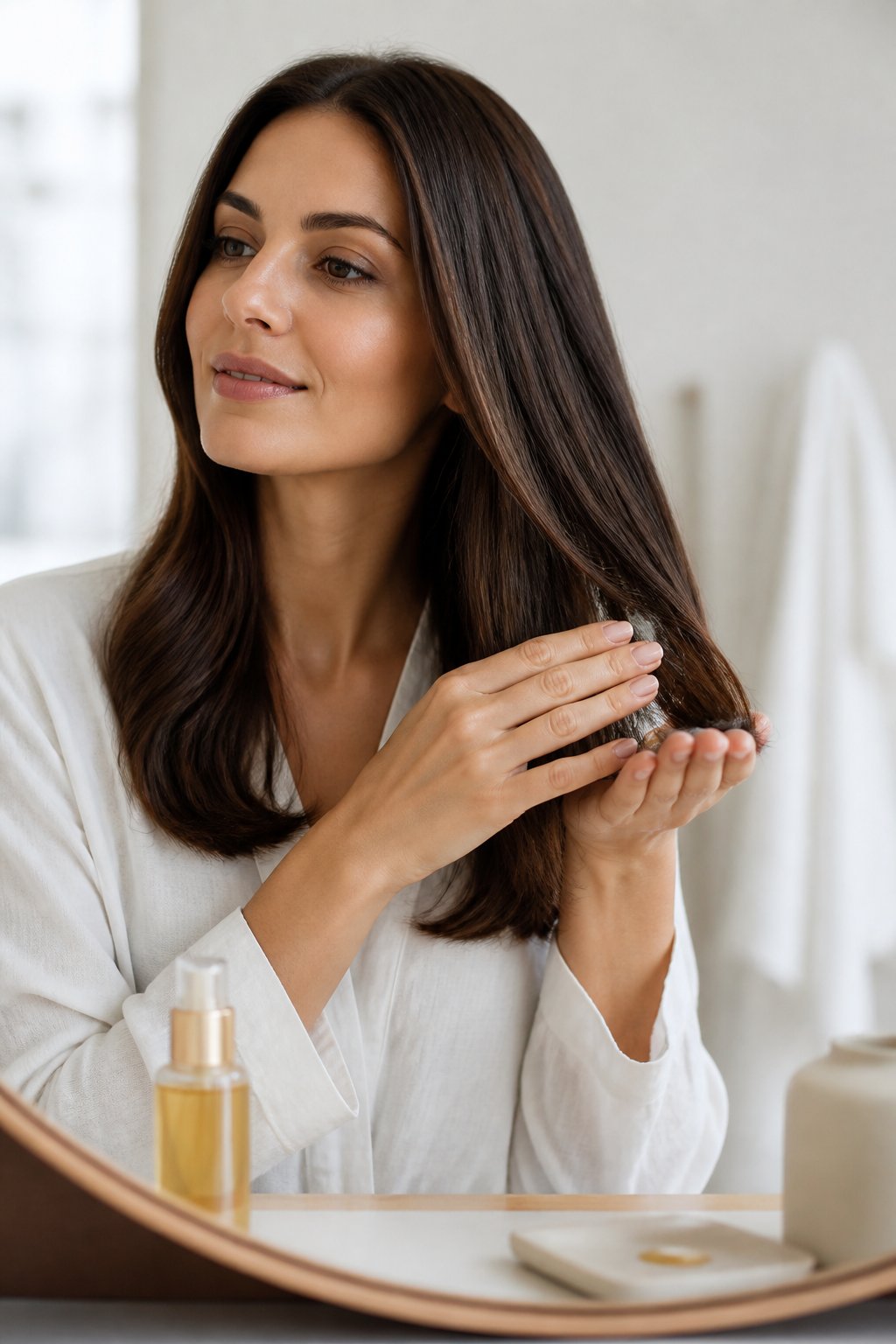
After your hair dries, smooth a small amount of anti-frizz serum, anti-humidity serum, or hair serum over the outer layer. A smoothing serum containing silicones, such as dimethicone, can form a light coating that reduces friction and helps block moisture from entering the hair shaft.
Use one or two drops of serum on fine hair and a little more on thick hair. Warm it between your palms, then press it over the ends and flyaways instead of rubbing it into the roots.
You can also use a lightweight hair oil, such as argan oil or jojoba oil. Coconut oil may suit some thick, dry hair but can feel heavy on fine hair. Oils add smoothness, but they do not replace conditioner or heat protection.
Use Humectants Carefully in High Humidity
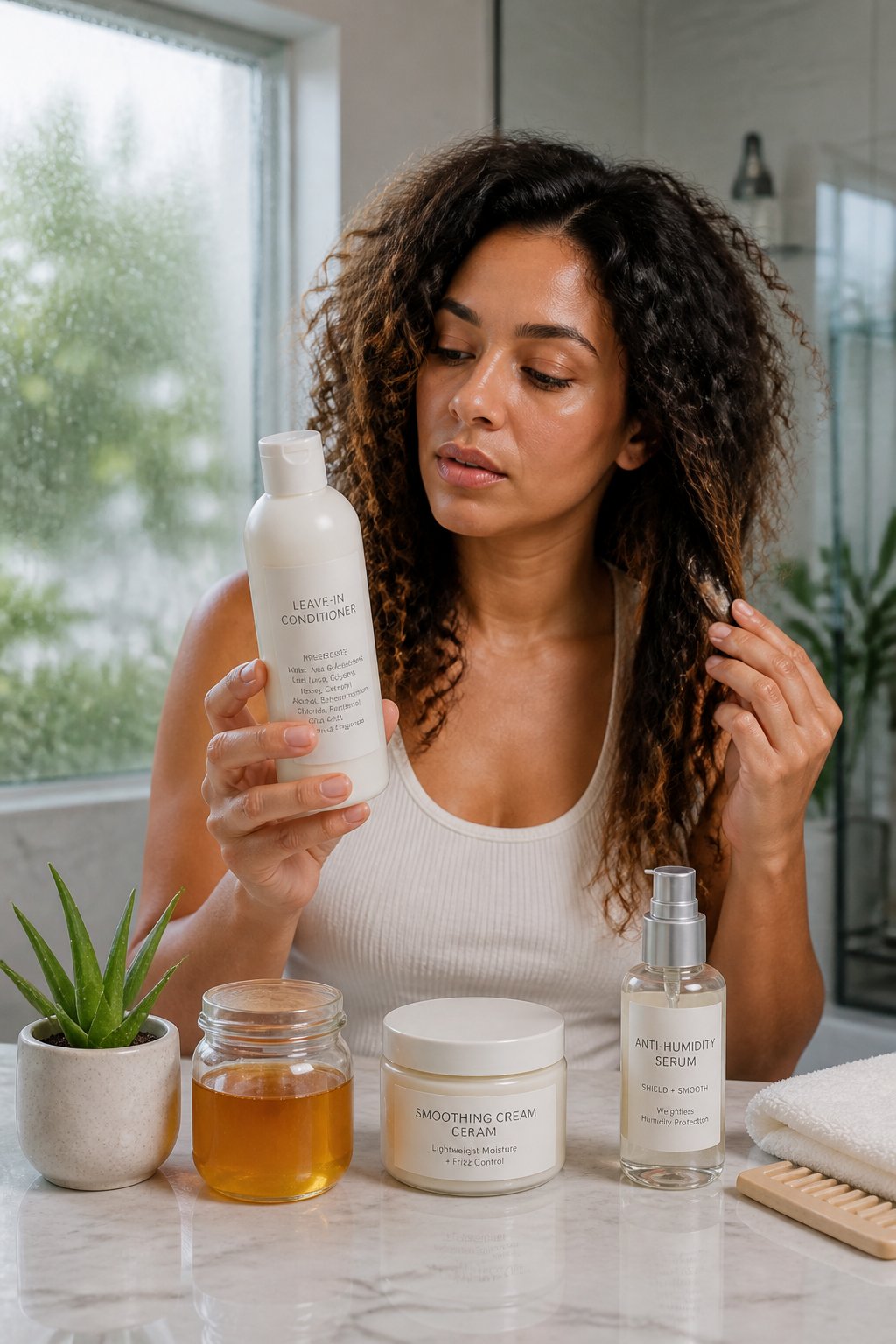
Humectants attract water. Common examples include glycerin, aloe, and honey. They can help dry hair feel softer in moderate humidity, but high humidity may cause hair to absorb excess moisture and swell, which can increase puffiness and frizz.
Check the product label when choosing leave-in conditioner or styling products for very humid weather. If glycerin or other humectants appear near the top of the ingredient list and your hair becomes puffy easily, test the product on a small section first.
Pair humectant-based products with a smoothing cream or anti-humidity serum. This combination adds moisture while creating a light barrier against damp air. Adjust the amount based on your hair’s response rather than applying more product.
Dry and Style Hair Without Creating More Frizz
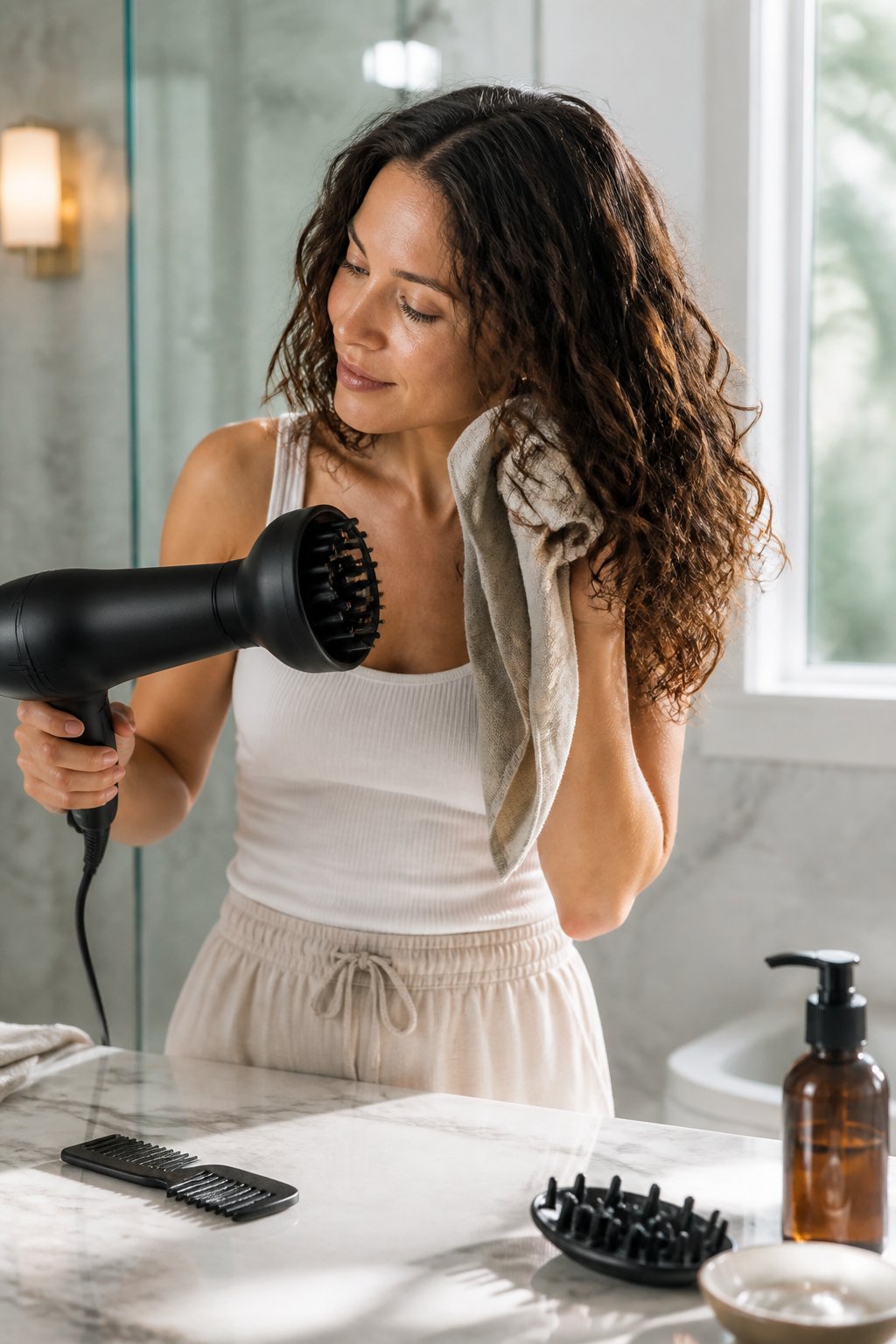
Drying and styling your hair gently can reduce roughness, breakage, and flyaways. Use a microfiber towel, detangle with care, protect your hair from heat, and choose techniques that support your natural texture.
Detangle With a Wide-Tooth Comb
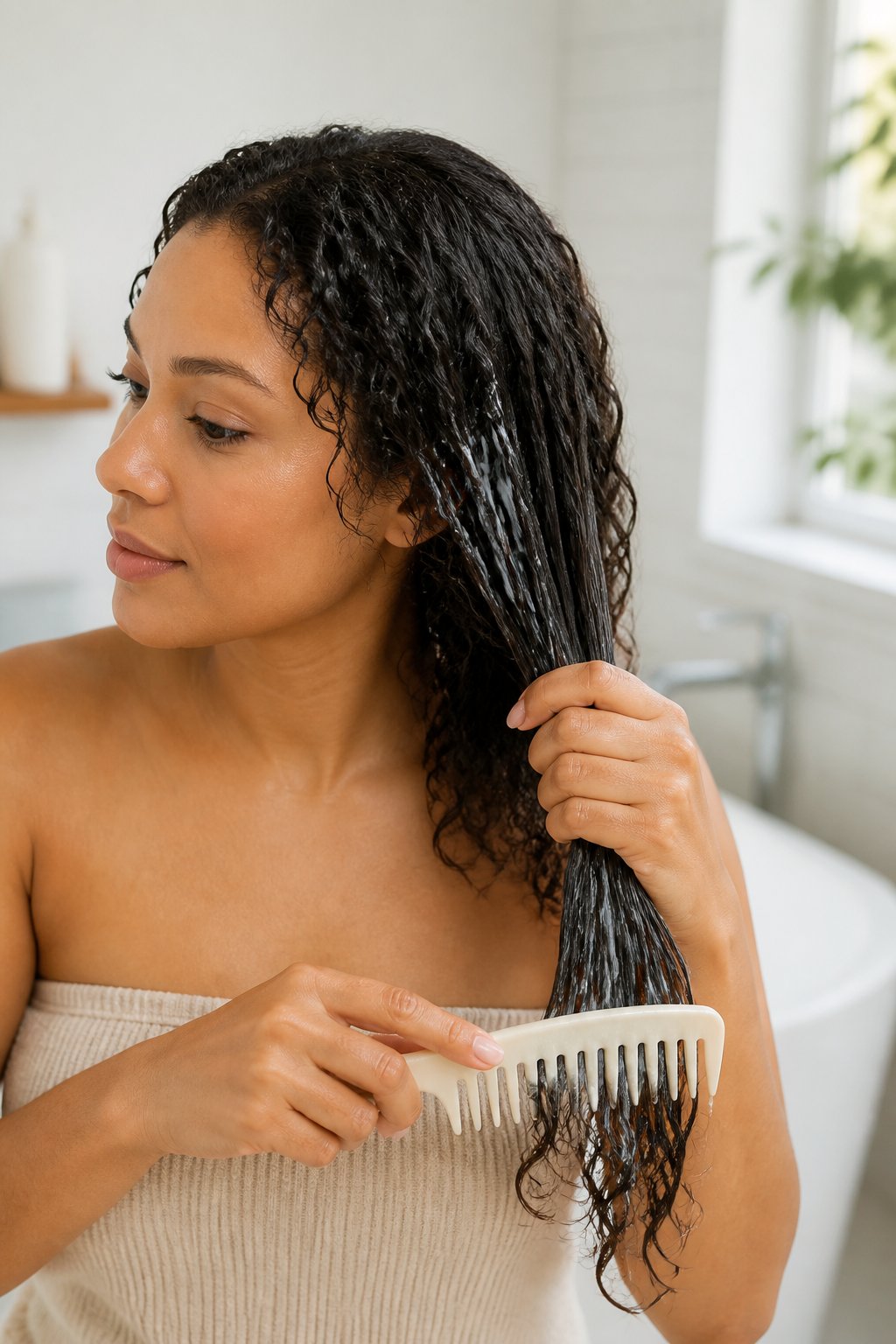
Use a wide-tooth comb when your hair is damp and coated with conditioner or leave-in product. Start at the ends, remove small knots, and slowly work toward the roots. This method places less pulling force on the hair than starting at the scalp.
Hold the section above the knot while you comb below it. This reduces tension on your roots and limits breakage. For curly or wavy hair, detangle in sections and avoid brushing after the hair begins to dry, since brushing can separate the texture and create more flyaways.
Clean your comb regularly so product buildup and oil do not spread through your hair. If your hair tangles easily, add more conditioner or use a detangling spray rather than pulling through stubborn knots.
Use Heat Protectant and Low-Heat Styling Techniques
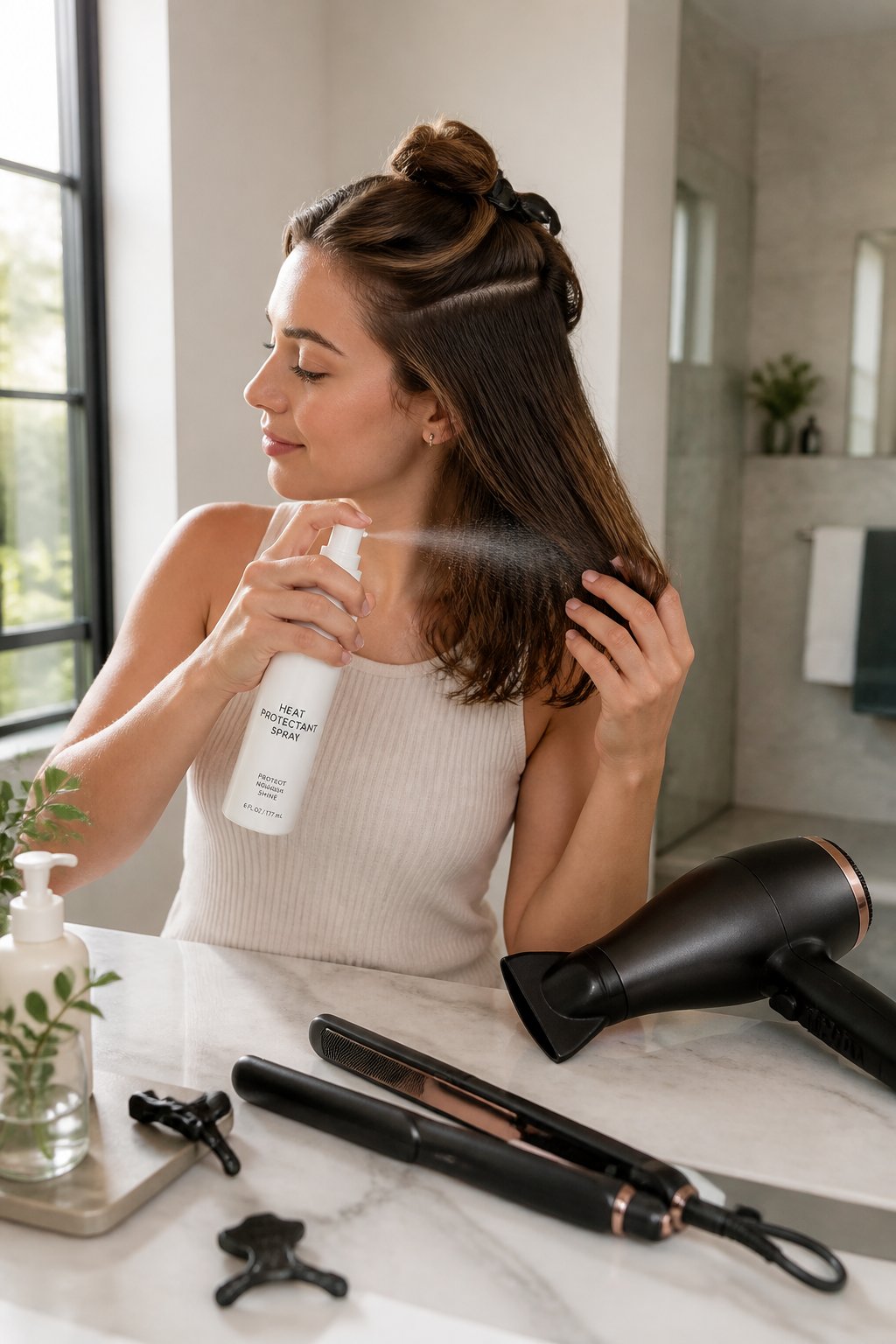
Apply a heat protectant spray evenly before using a hairdryer, flat iron, straightener, or curling wand. Follow the product directions, and let the spray distribute through your hair before applying direct heat. A protectant helps reduce heat damage, but it cannot prevent all hair damage.
Dry your hair with the hairdryer on a low or medium setting. Keep the nozzle moving and point it down the hair shaft to help limit roughness. Dry your roots first, then finish the lengths when they are partly dry.
Use flat irons and other heat styling tools only on fully dry hair. Work in small sections with one slow pass instead of repeated passes. Lower temperatures usually suit fine, bleached, or damaged hair better than high heat. Stop using heat if your hair feels brittle or smells scorched.
Define Natural Texture With Plopping, Diffusing, or a Diffuser
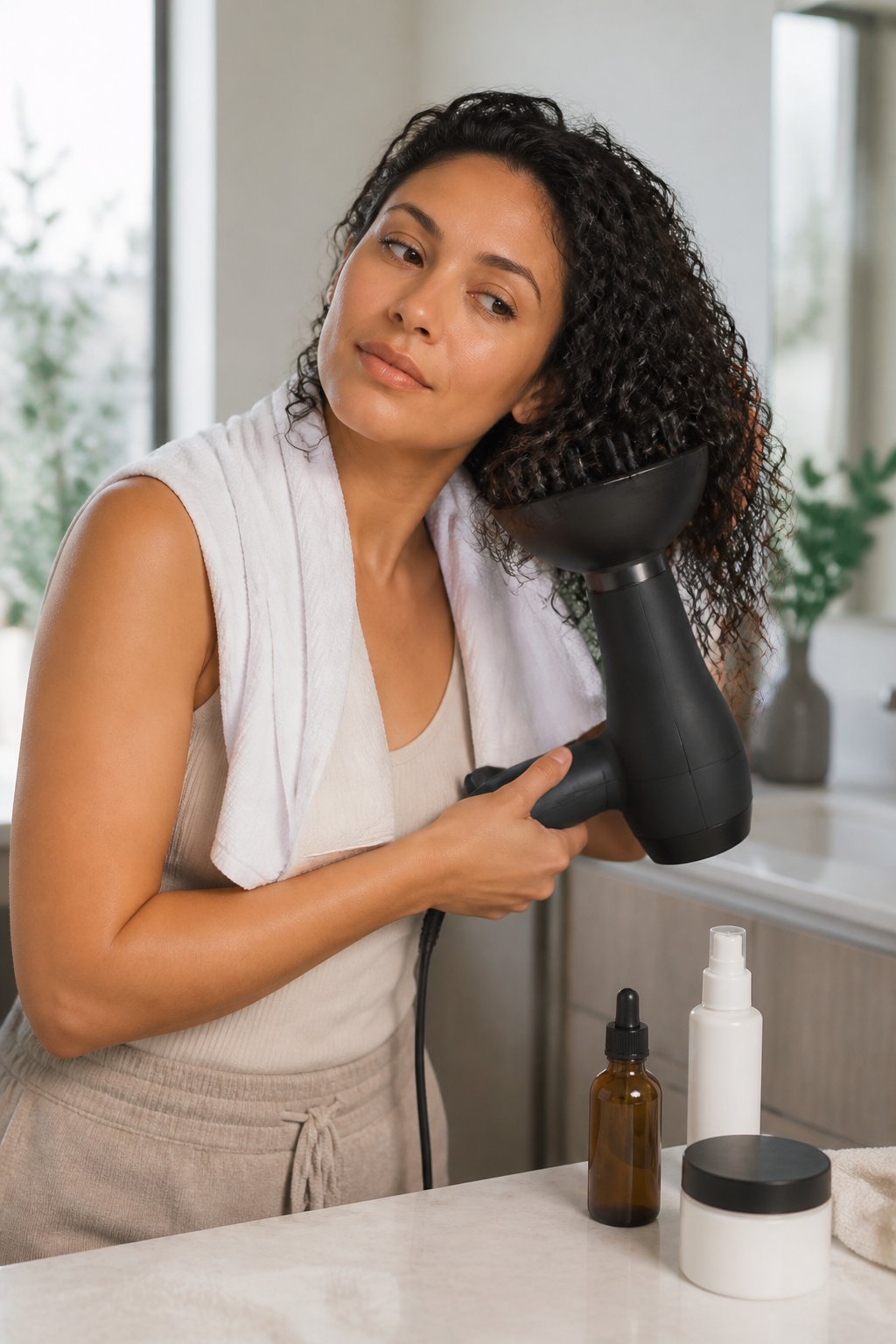
Plopping works well for natural waves and curls. After applying leave-in conditioner or styling cream, place your damp hair into a soft cotton T-shirt or microfiber towel. Gather the fabric around your hair without twisting it tightly, and leave it in place for about 10 to 20 minutes.
Remove the fabric gently, then allow your hair to air-dry or use a diffuser. For diffusing, choose low or medium heat and low airflow. Hold the diffuser near the ends, lift sections toward your scalp, and move it regularly instead of concentrating heat in one spot.
Do not touch or rearrange your hair while it dries. Once it is fully dry, gently loosen stiff sections with clean, dry hands. Use a small amount of lightweight serum on the ends to smooth flyaways without flattening your natural texture.
Adjust Your Routine for Your Hair Type

Humidity affects each hair type differently. Match your products, styling method, and haircut to your hair’s texture and condition. Focus on moisture balance, gentle handling, and protection from weather-related swelling.
Frizz Control for Curly, Coily, and Wavy Hair
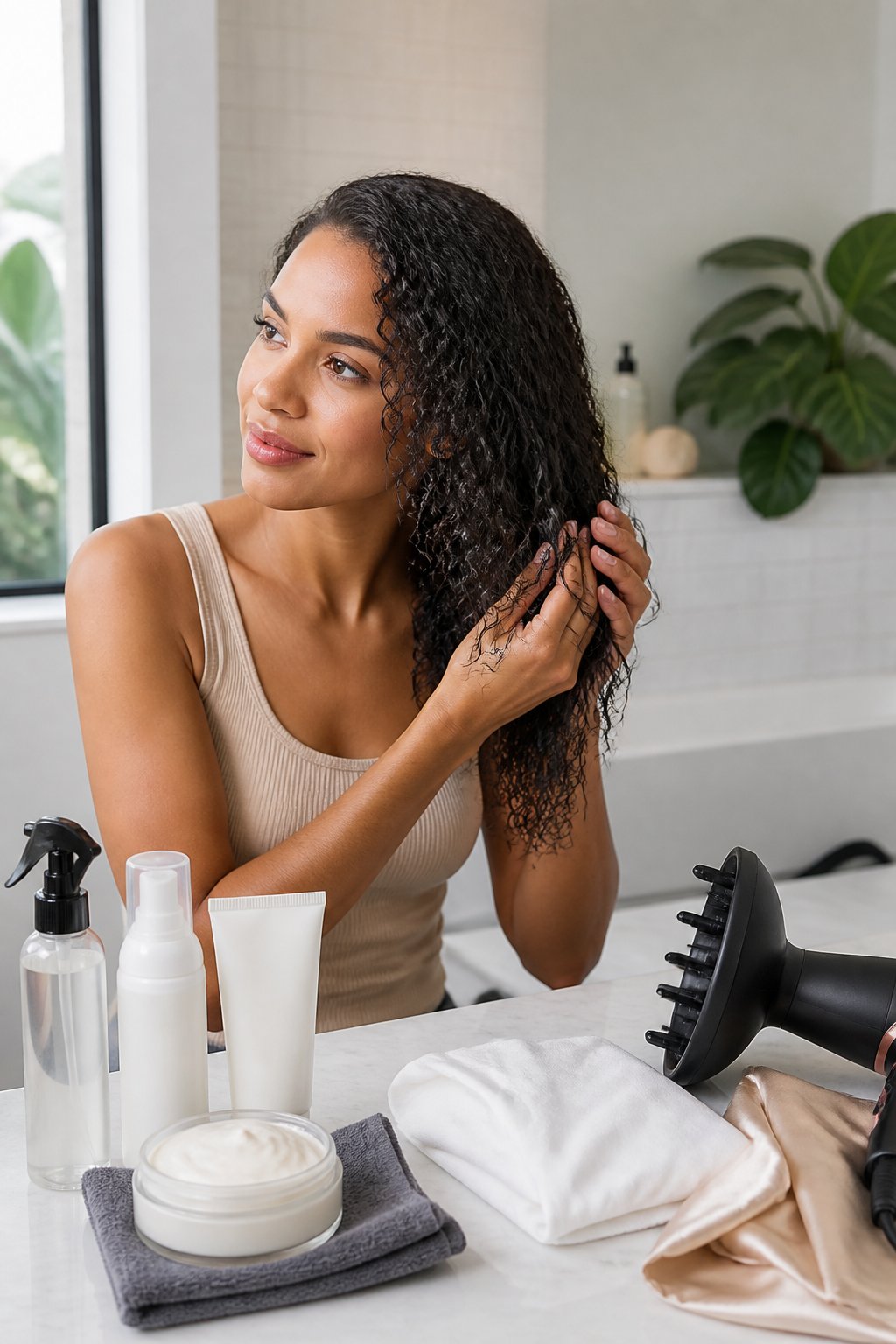
Curly and coily hair often need regular conditioning because their bends make it harder for natural oils to travel down the strands. Apply a leave-in conditioner to damp hair, then use a curl cream or gel to hold the pattern in place. Scrunch gently instead of brushing dry hair, which can separate curls and increase frizz.
Wavy hair usually needs lighter products than coily hair. Try a lightweight leave-in spray and a small amount of mousse or gel. Use a microfiber towel or cotton T-shirt to remove water without rough rubbing. Let your hair air-dry or use a diffuser on low heat and low airflow.
Protect your hair at night with a satin pillowcase or loose satin wrap. Trim split ends regularly, since uneven, damaged ends can make curls and waves look less defined.
Keeping Straight and Fine Hair Smooth Without Weighing It Down
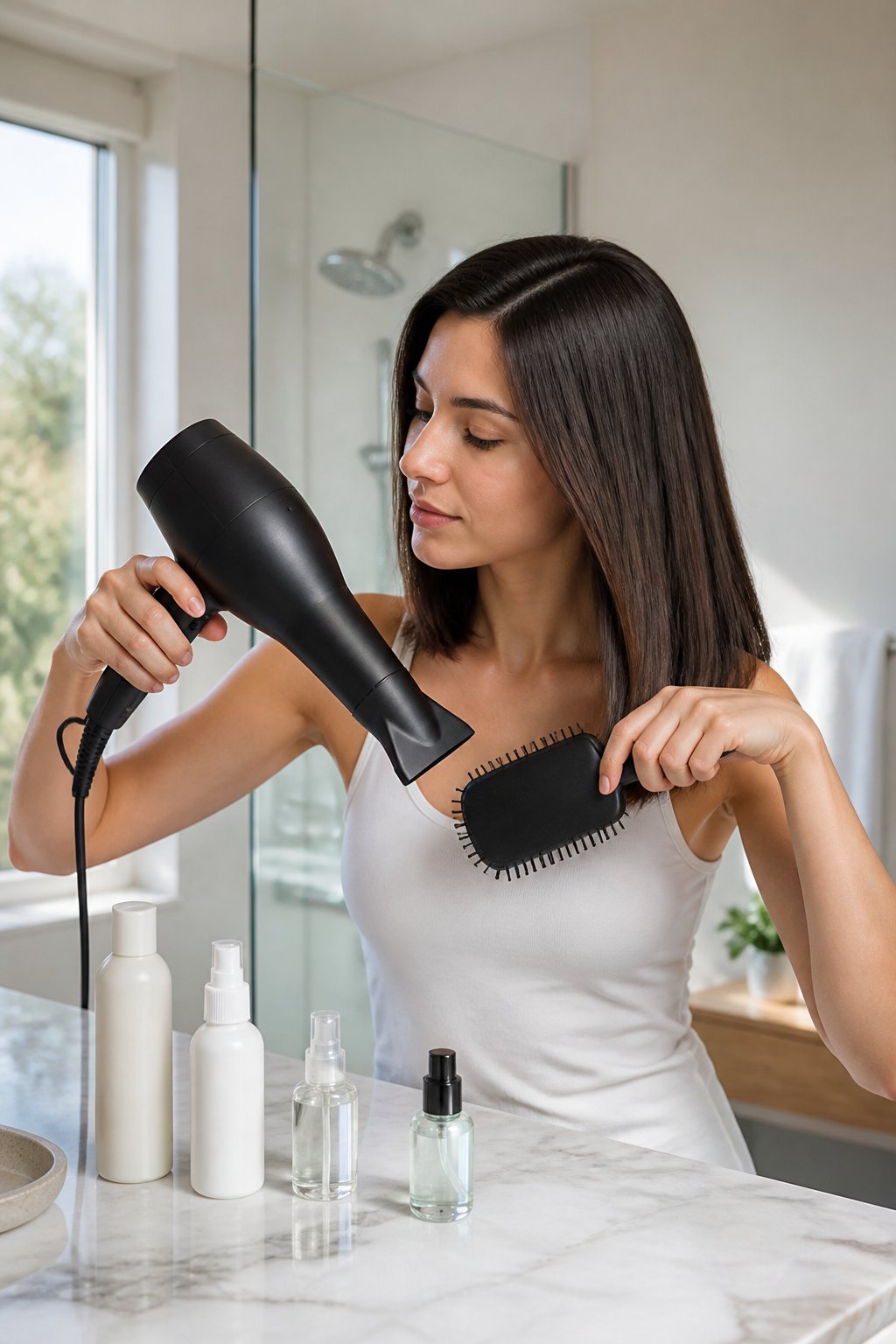
Straight and fine hair can become limp when you use heavy oils, thick creams, or too much conditioner. Apply conditioner from the middle of your hair to the ends, avoiding the roots. Choose lightweight products labeled anti-frizz, volumizing, or humidity-resistant.
After washing, blot your hair gently and apply a light heat protectant before blow-drying. Direct the dryer downward along the hair shaft, and finish with cool air. This method helps the cuticle lie flatter without adding unnecessary heat.
Use a small amount of silicone-based serum only on dry ends and flyaways. Wash buildup away as needed, especially if your hair looks greasy or flat. A blunt or lightly layered haircut can also make fine hair appear neater in damp weather.
Managing Coarse, Color-Treated, and Bleached Hair
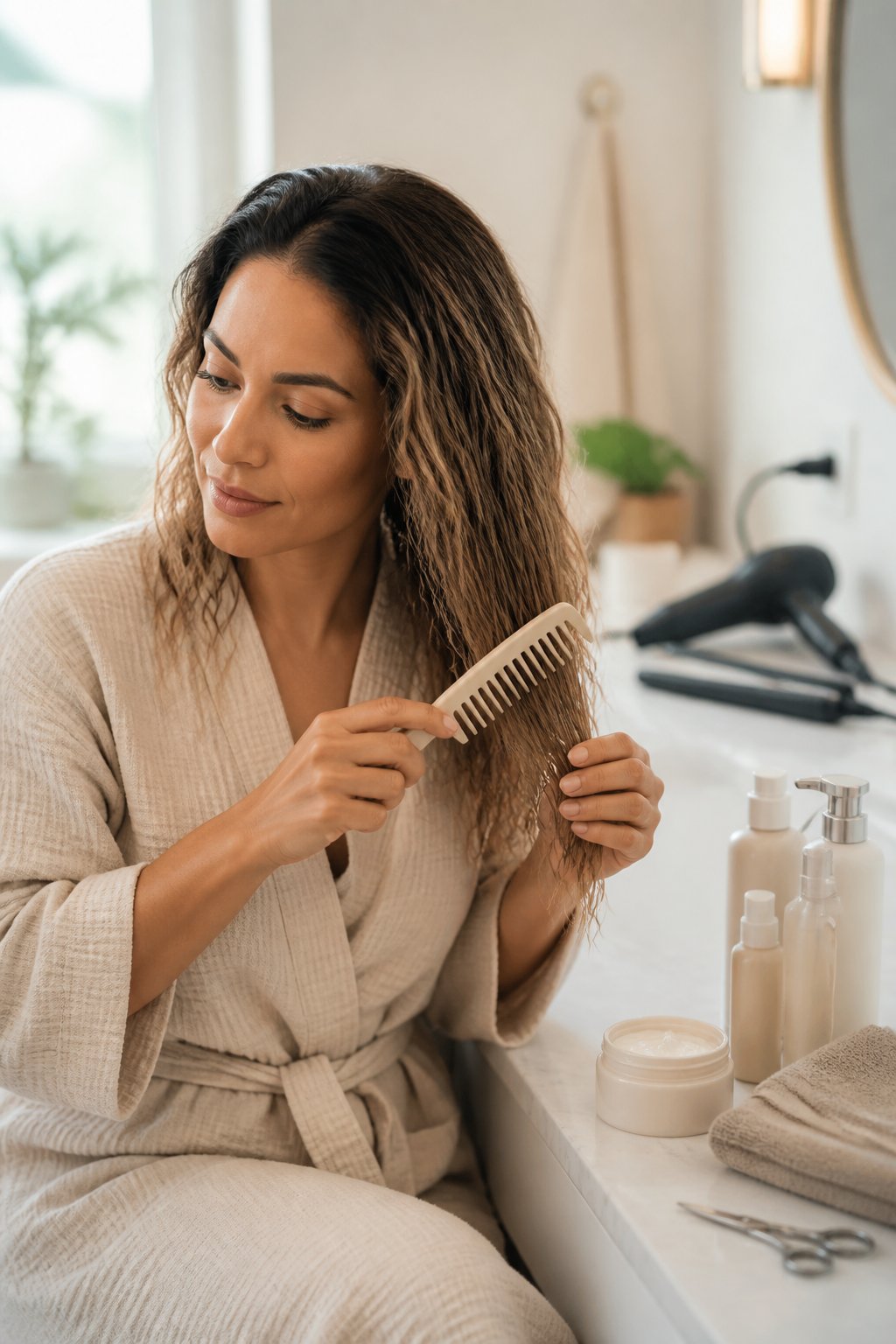
Coarse hair often needs richer conditioning, while color-treated or bleached hair needs extra care because chemical processing can weaken the cuticle. Use a moisturizing shampoo and conditioner, followed by a deep-conditioning mask about once a week. Reduce hot tools, and apply heat protectant every time you use them.
If you have bleach damage, handle wet hair carefully because it stretches and breaks more easily. Detangle from the ends upward with a wide-tooth comb. Avoid tight ponytails and rough towels, which can worsen breakage and frizz.
Keratin treatments may reduce frizz for some people, but they can alter your natural texture and may involve strong chemicals. Ask a qualified stylist about the ingredients, ventilation, and effect on your hair health before choosing one. Keep split ends trimmed, since products cannot repair permanently damaged ends.
Protect Your Style Throughout the Day and Overnight
Humidity-resistant products, low-tension styles, and smooth sleeping fabrics can help you manage frizz from morning to morning. Choose styles that limit exposure to damp air, touch up only the areas that need attention, and protect your hair from rubbing while you sleep.
Choose Humidity-Resistant Hairstyles
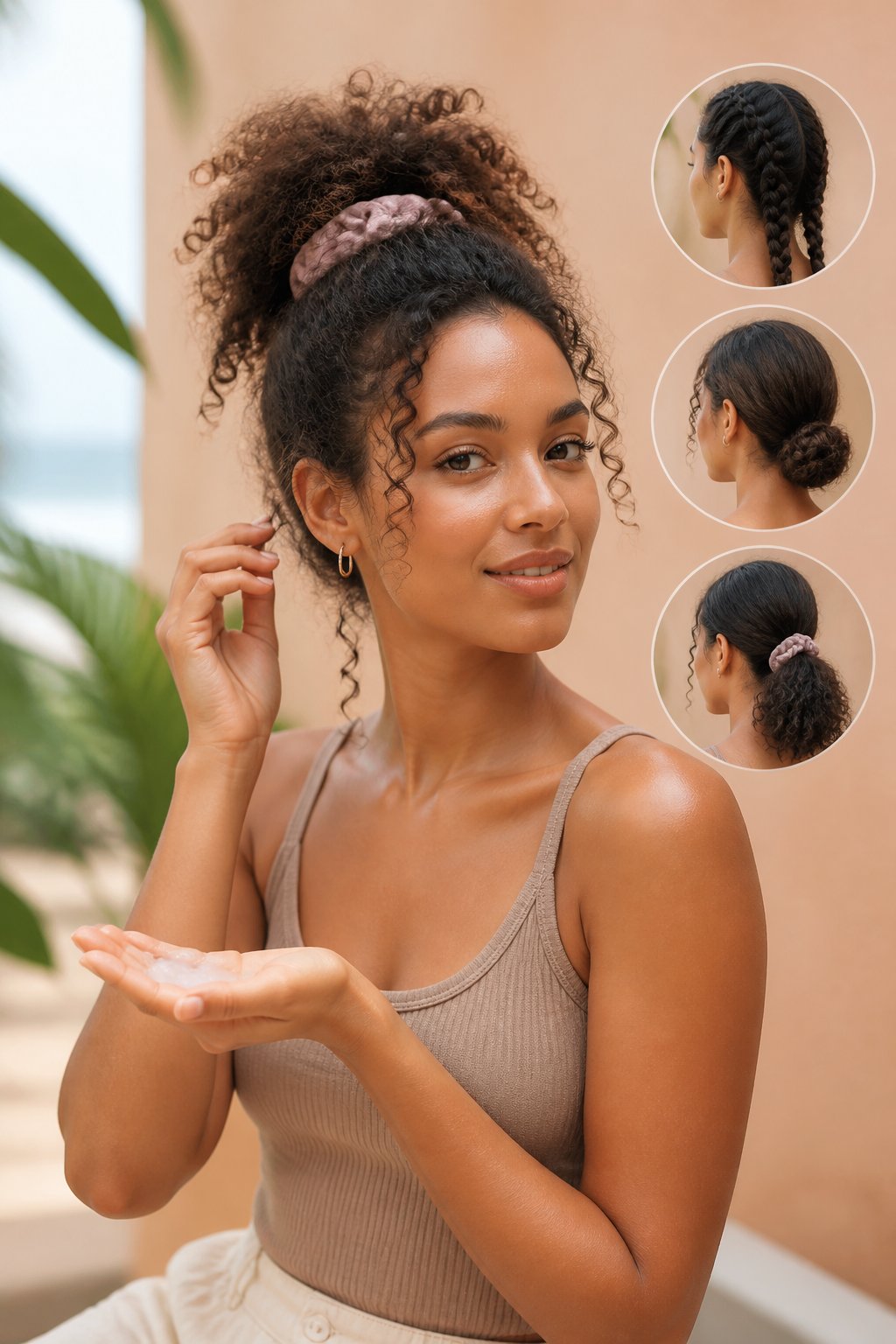
Protective hairstyles keep your hair contained and reduce the effect of humid air. Try loose braids, a low bun, or a low ponytail. Keep the style relaxed so it does not pull on your roots or cause breakage. Use a soft, fabric-covered hair tie instead of a tight elastic.
For curly or wavy hair, gather your hair into a loose pineapple updo before going outside. Place the ponytail high on your head, but avoid pulling it tightly. This method helps preserve curl shape and keeps the sides and back from rubbing against your clothing.
Apply a small amount of styling cream or gel before braiding or making a bun. If flyaways appear later, smooth them with clean fingers or a soft brush. Do not repeatedly brush dry curls, since this can separate the curl pattern and create more frizz.
Carry Simple Touch-Up Products
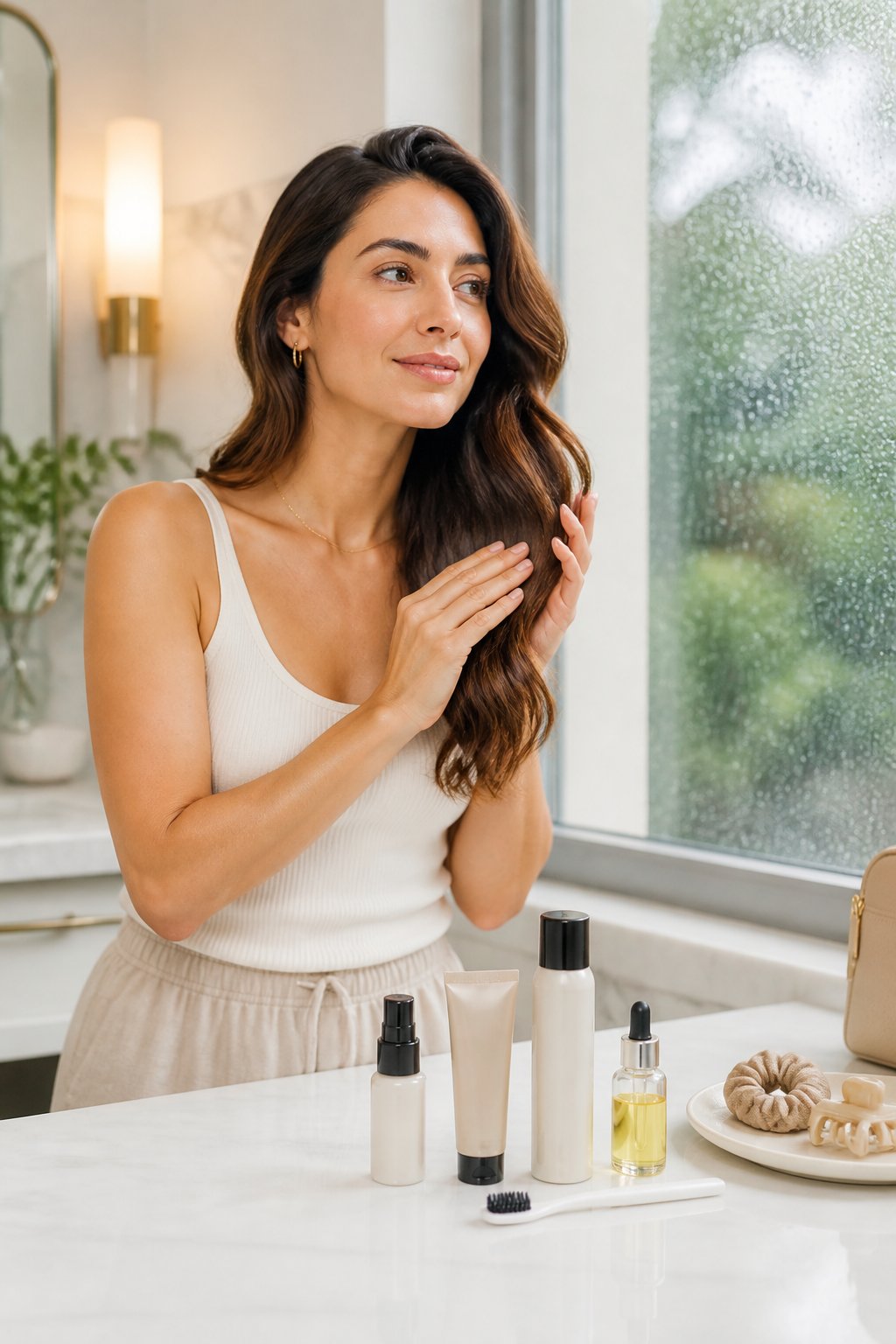
Pack a small anti-frizz serum, smoothing cream, or humidity-resistant hairspray for quick repairs. Use only a small amount. Rub serum or cream between your palms, then press it over the frizzy sections from the middle of your hair toward the ends.
For short flyaways, spray hairspray onto a clean toothbrush or small spoolie and gently brush them down. Avoid spraying heavily near your scalp, because too much product can make your hair look greasy or stiff. A few drops of lightweight oil can smooth dry ends, but use less if your hair is fine.
If rain or heavy humidity changes your style, switch to a loose braid, low bun, or ponytail instead of adding more product. This contains the hair without creating buildup.
Reduce Overnight Friction and Breakage
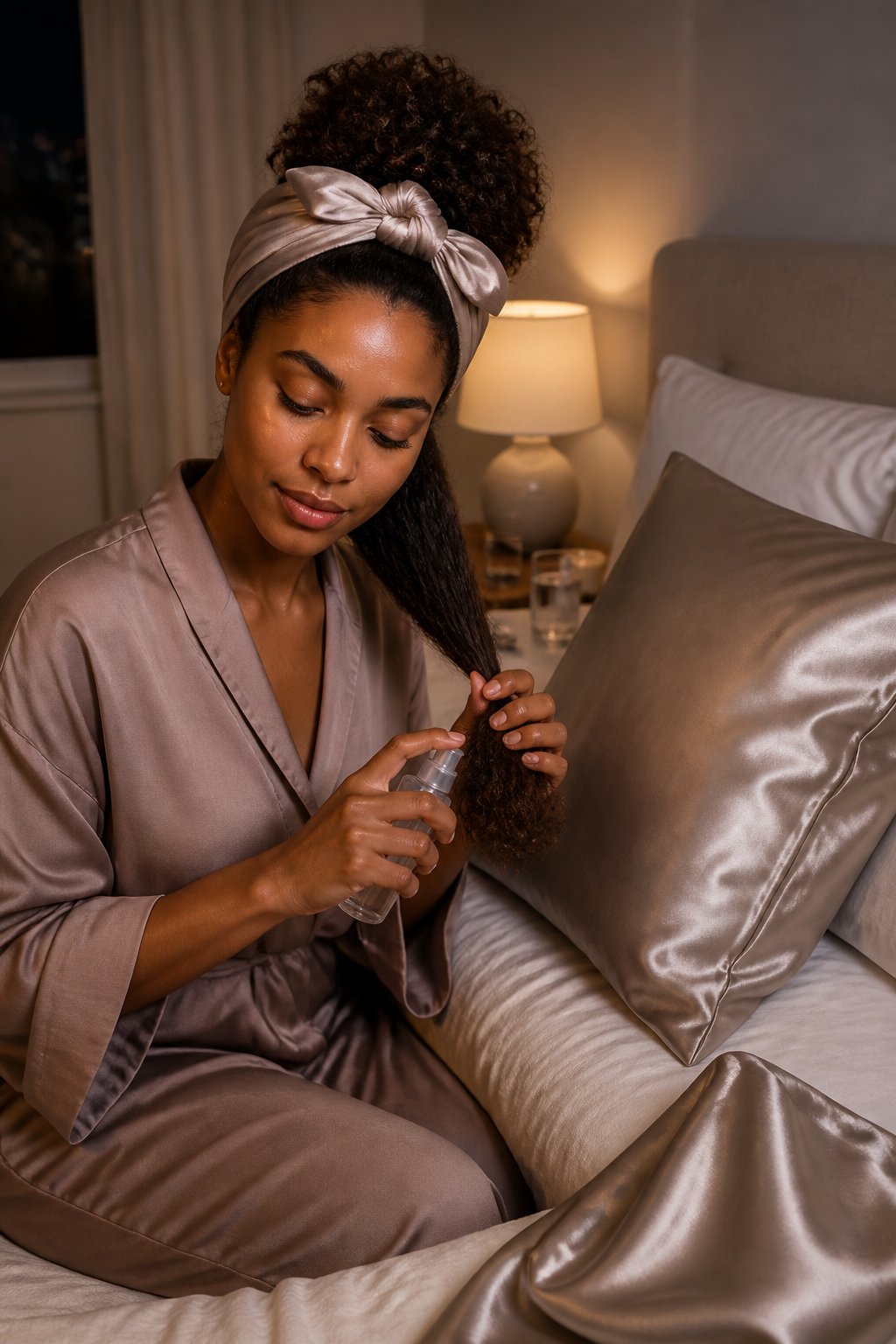
Friction from cotton bedding can roughen the hair cuticle and increase morning frizz. Sleep on a satin pillowcase or silk pillowcase, or cover your hair with a silk scarf. Tie the scarf securely but loosely so it does not press on your edges or restrict your scalp.
Before bed, make sure your hair is fully dry. Damp hair can stretch and break more easily when you move during sleep. For curls, use a loose pineapple updo with a soft scrunchie. For straight or wavy hair, try a loose braid or low bun.
Keep nighttime products light. Apply a small amount of leave-in conditioner or serum to dry ends, and avoid coating the roots unless your scalp needs extra moisture.
Frequently Asked Questions
You can reduce humidity-related frizz by keeping your hair moisturized, limiting friction and heat, and using products that seal the hair cuticle. Your styling method should also match your hair’s texture, especially if you have curls or coils.
How can I prevent my hair from frizzing in humid weather?
Use a gentle shampoo and a moisturizing conditioner. Apply a leave-in conditioner to damp hair, then smooth a small amount of anti-frizz serum or lightweight oil through the mid-lengths and ends.
Dry your hair with a microfiber towel or soft cotton T-shirt instead of rubbing it with a rough towel. Limit brushing, heat styling, and hot water, since each can lift the cuticle and increase frizz.
What are the best products for controlling frizz in high humidity?
Choose products labeled anti-frizz, humidity-resistant, or smoothing. Useful options include moisturizing conditioners, leave-in conditioners, silicone-based serums, styling creams, and light oils such as jojoba or argan oil.
Use a heat protectant before blow-drying or using hot tools. Avoid applying too much product, especially near your roots, because buildup can make your hair look greasy or flat.
Why does humidity make my hair frizzy?
Dry or damaged hair has gaps in its outer cuticle. When the air contains moisture, water enters the hair shaft unevenly, causing strands to swell, change shape, and separate.
Porous hair often reacts more strongly because it absorbs moisture quickly. Friction, split ends, frequent heat styling, and rough towel-drying can make this reaction worse.
How should I style curly hair to reduce frizz in humid conditions?
Apply leave-in conditioner and curl cream to wet or very damp hair. Rake the products through small sections, then gently scrunch to encourage your natural curl pattern.
Let your hair air-dry or use a diffuser on low heat and low airflow. Do not brush dry curls, as this can separate the curl groups and create more frizz.
How can I keep straightened hair from frizzing in humidity?
Start with fully dry hair and apply a heat protectant before straightening. Use the lowest effective temperature and avoid passing the flat iron over the same section repeatedly.
After styling, apply a small amount of anti-frizz serum to the lengths and ends. Protect your hair from rain and steam, and wear a loose braid or low bun if the weather becomes very damp.
What natural methods help protect hair from humidity?
Use a microfiber towel or cotton T-shirt to blot excess water without rubbing. Sleep on a satin or silk pillowcase to reduce friction, and cover your hair with a satin scarf in damp weather.
Deep-condition your hair about once a week if it feels dry or rough. You can also use a small amount of jojoba, argan, or coconut oil on the ends, but test the amount carefully because heavy oils may weigh down fine hair.
