
Dry hair often needs a simpler routine, not more products. Heat styling, frequent washing, chemical treatments, weather, and harsh cleansers can reduce moisture and leave your strands rough, brittle, or frizzy.
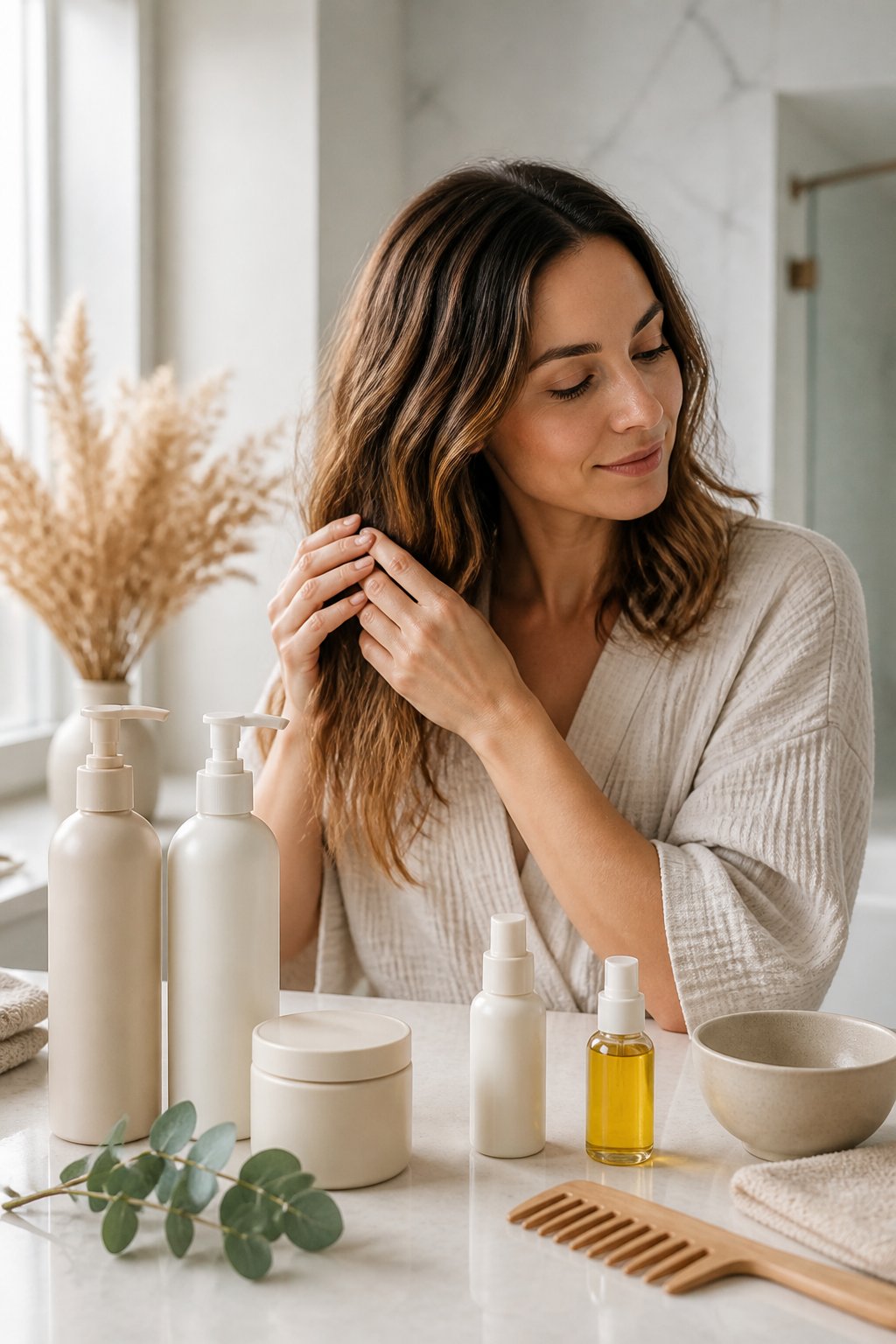
Build your routine around gentle cleansing, regular conditioning, lightweight leave-in hydration, and protection from heat and friction. You’ll learn how to adjust each step to your hair’s texture, condition, and washing schedule without weighing it down or causing buildup.
Key Takeaways
- Identify habits and conditions that increase dryness.
- Use gentle cleansing, conditioning, and targeted hydration.
- Protect your hair between washes with simple, consistent habits.
Identify What Is Drying Out Your Hair
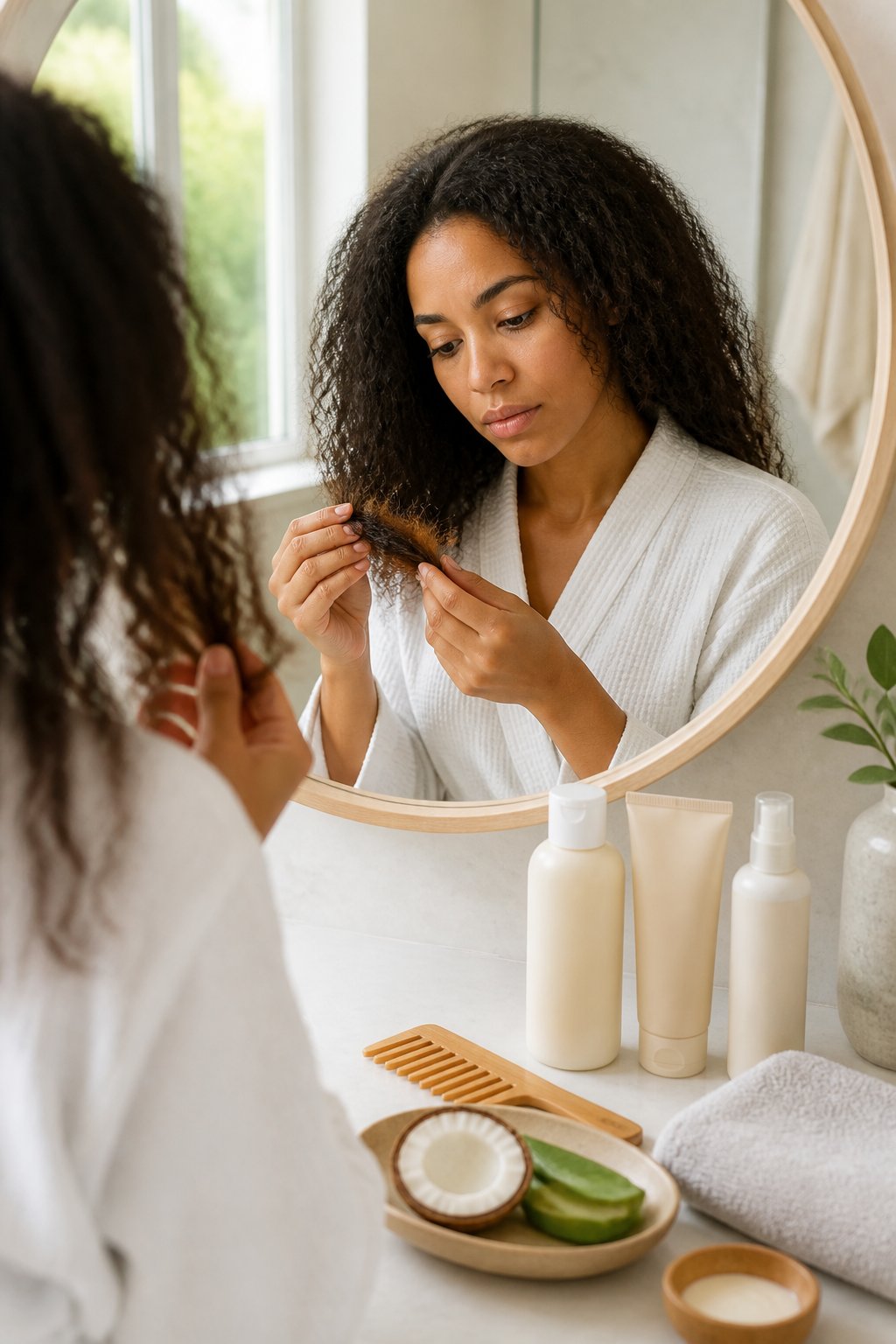
Dryness usually results from moisture loss, cuticle damage, or reduced natural oil on the hair shaft. By noting your hair’s symptoms and reviewing your washing, styling, chemical processing, and environmental habits, you can make more targeted changes.
Common Signs of Dehydrated Strands
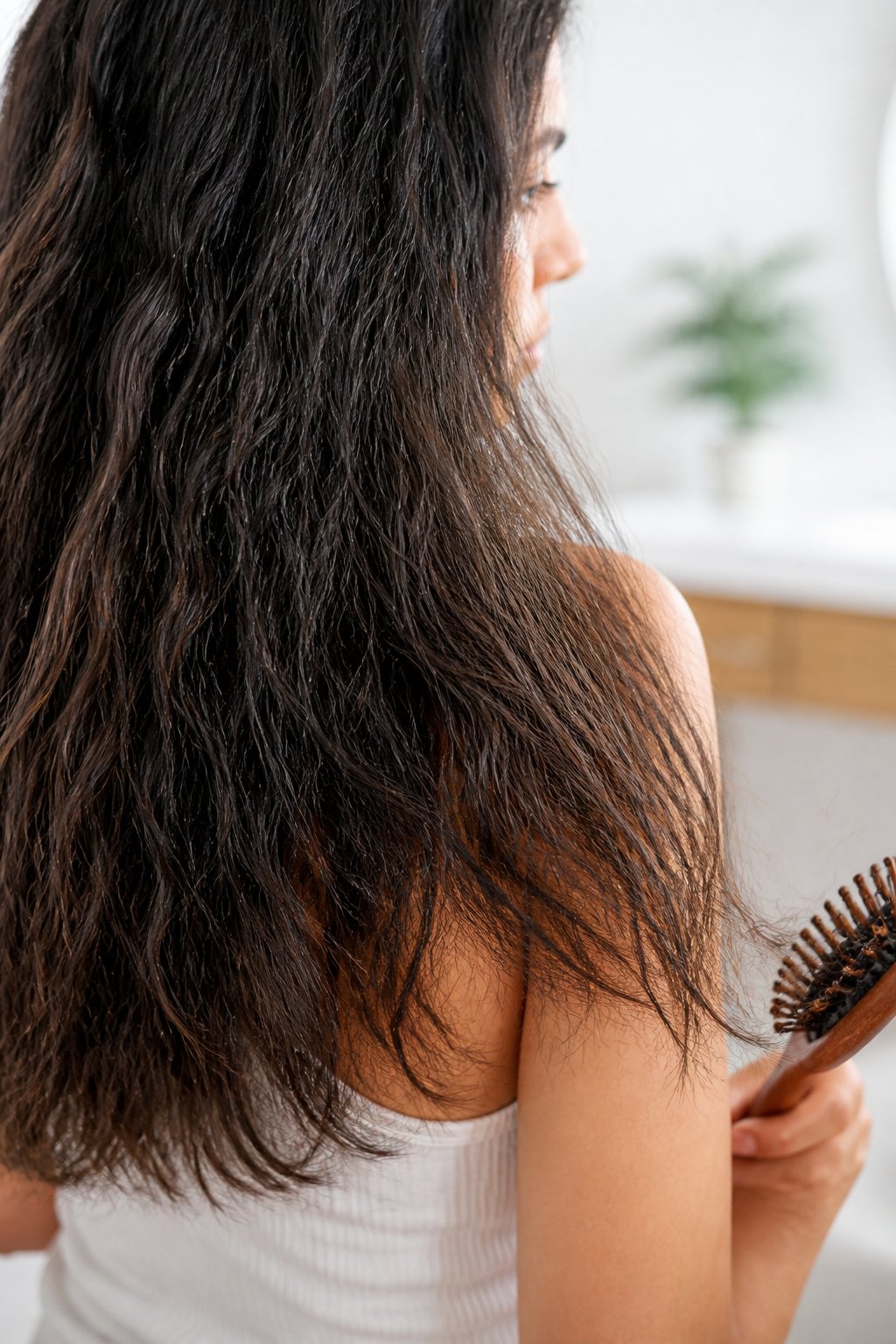
Dry hair often feels rough, looks dull, and becomes difficult to detangle. You may notice frizzy hair, flyaways, or strands that feel stiff instead of flexible. These changes can indicate that the outer hair cuticle has lifted or become uneven, allowing moisture to escape more easily.
Check your ends for split ends, white dots, and short broken pieces. Brittle strands that snap during brushing may point to heat damage, chemical treatments, or repeated friction. Dryness can affect the hair shaft without causing hair loss, but sudden shedding, thinning, or noticeably reduced density suggests a separate concern that deserves attention.
Everyday Causes of Moisture Loss
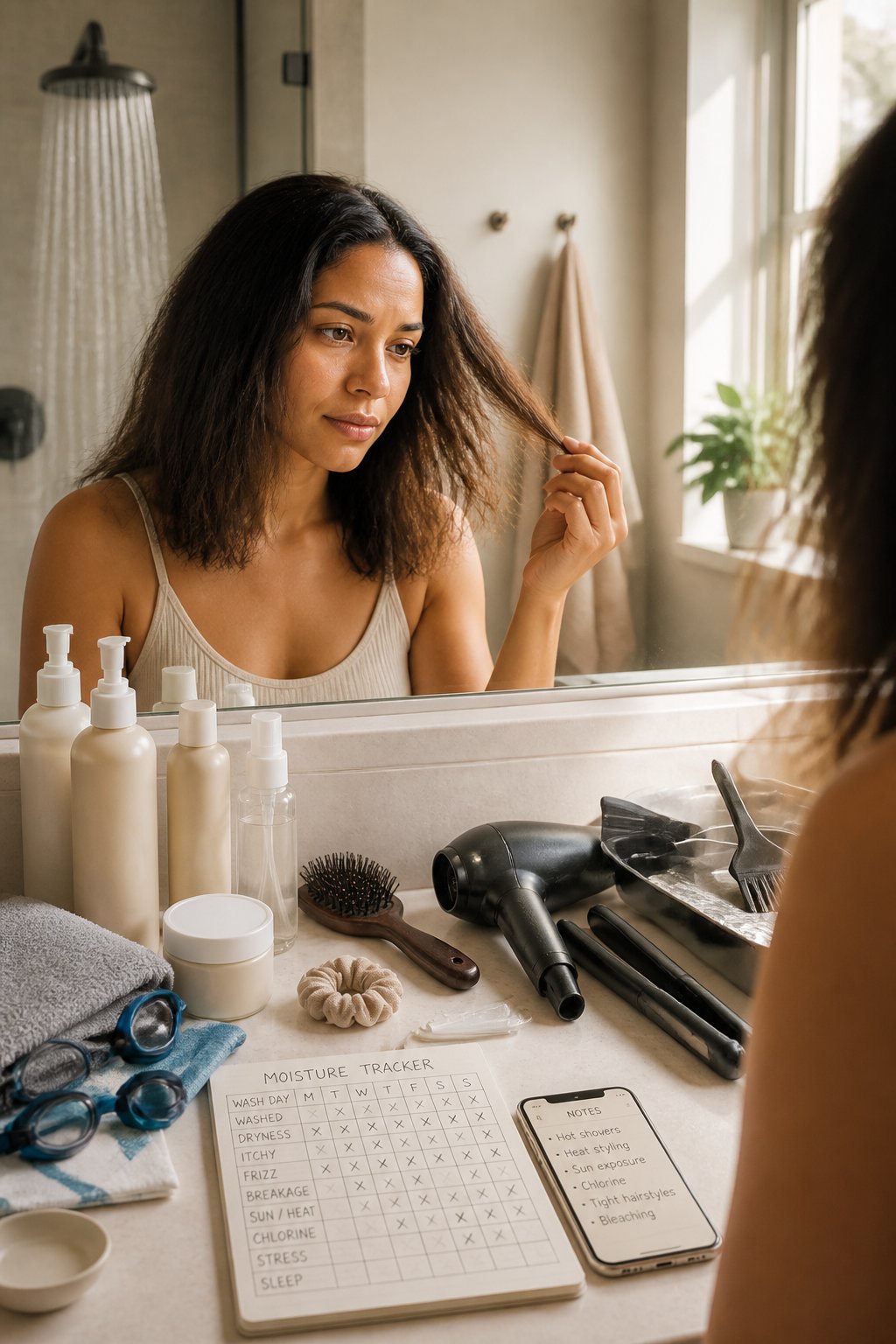
Frequent washing can remove too much sebum, the scalp’s natural oil, especially when you use hot water or a strong cleansing shampoo. You may also lose moisture when you scrub the lengths, wash daily despite having a dry texture, or skip conditioner and leave-in products.
Heat tools, hot blow-drying, and straightening can weaken the cuticle and increase breakage. Coloring, bleaching, relaxing, and perming alter the hair’s structure, so repeated chemical processing can leave the hair shaft porous and fragile. Sun exposure, dry indoor air, chlorine, tight hairstyles, and rough towel-drying can add stress. Track when dryness worsens to identify the most likely trigger.
When Dryness May Need Professional Advice
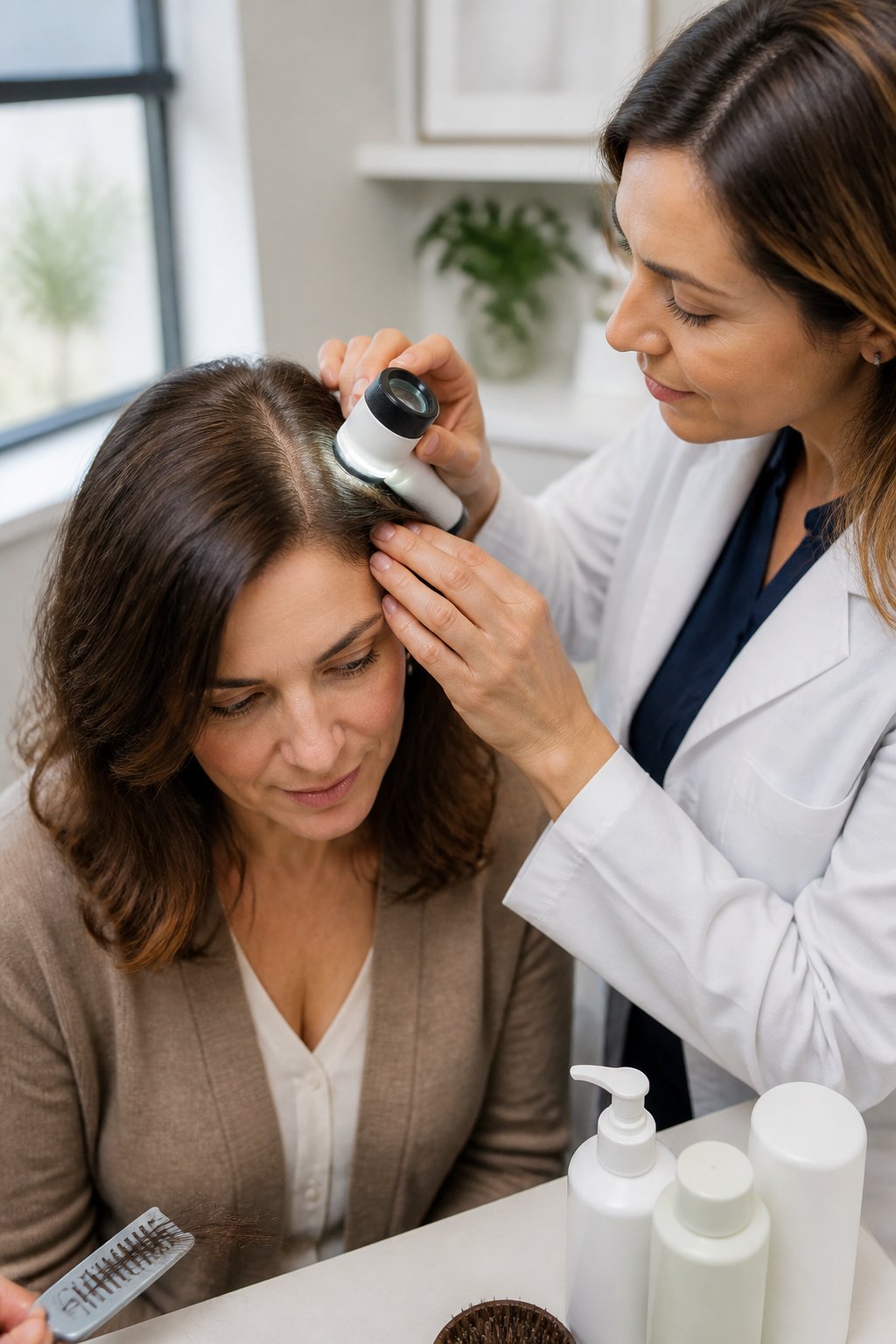
Consult a dermatologist or qualified hair professional if dryness persists despite gentler care, or if your scalp becomes painful, intensely itchy, inflamed, or heavily flaky. A change in scalp condition can affect comfort and hair quality and may require specific treatment rather than extra conditioner.
Seek medical advice for sudden or noticeable hair loss, widening parts, bald patches, or breakage close to the roots. Professional evaluation can help distinguish ordinary dryness from conditions such as dermatitis, psoriasis, infection, nutritional problems, or other causes of shedding. Avoid adding multiple strong treatments while you wait, because further chemical processing may make the hair and scalp more irritated.
Match the Routine to Your Hair Needs
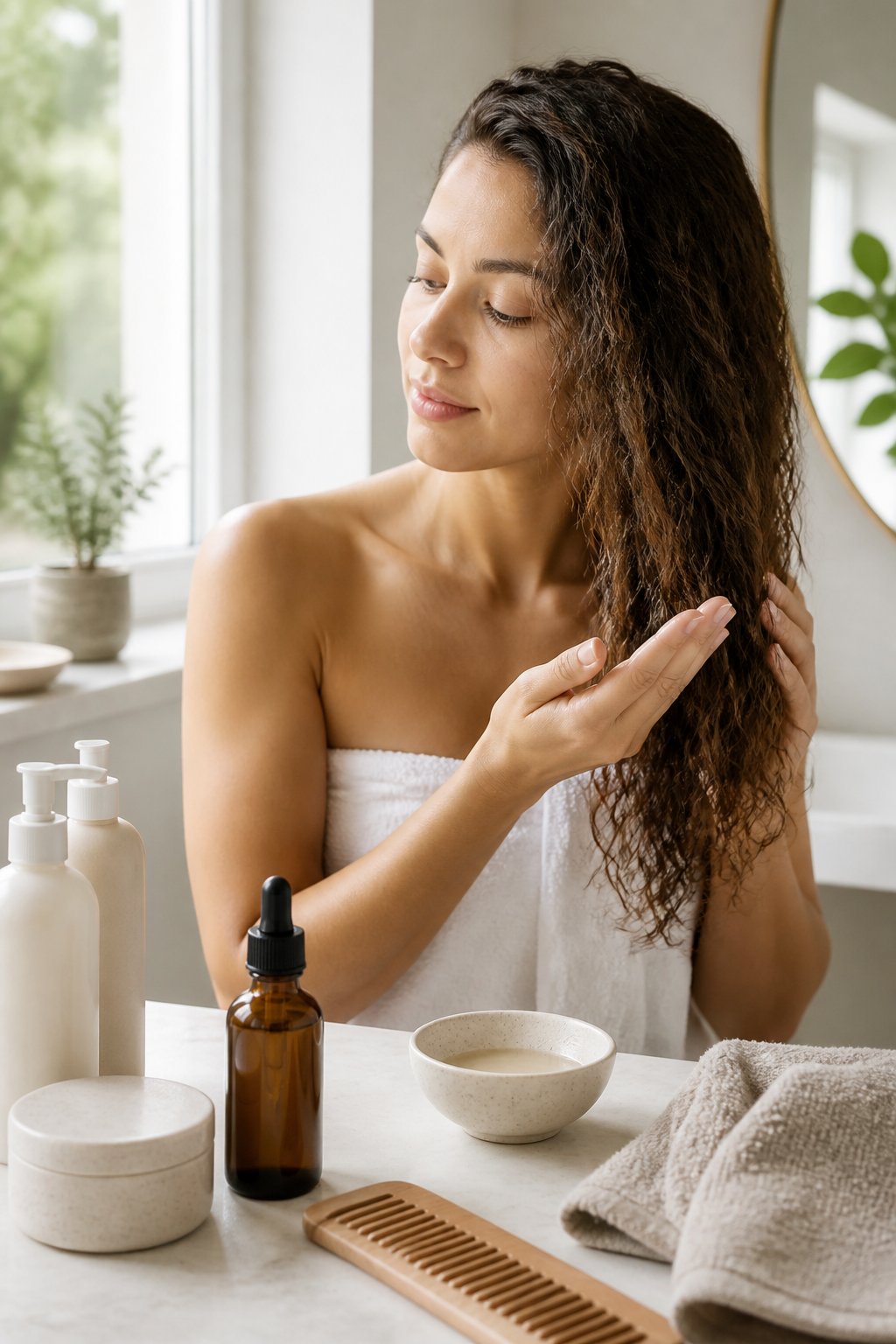
Dry hair improves when you match cleansing, conditioning, and styling to your hair texture, scalp health, and porosity. Your routine should also account for specific concerns such as breakage, frizz, tangling, oiliness, or damage from color and heat.
Choose a Realistic Wash Frequency
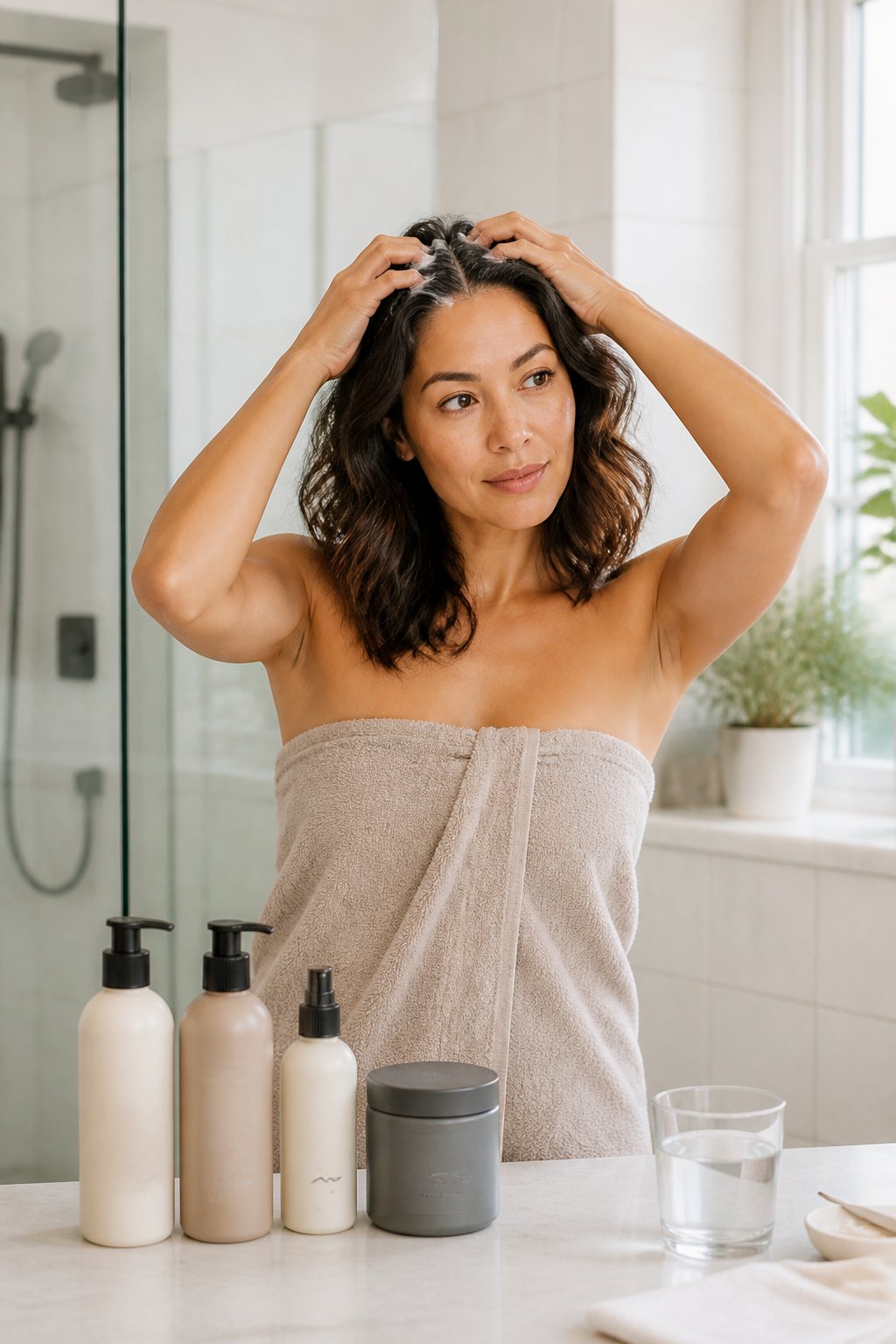
Wash your hair often enough to keep your scalp clean without leaving the lengths brittle. Straight hair and oily hair may need shampoo every two to three days, while dry curly or coily hair may stay comfortable with one or two wash days per week.
If your scalp feels itchy, greasy, or coated, cleanse it rather than extending the schedule. Apply shampoo mainly to the scalp, then let the suds rinse through the lengths. On other days, refresh dry ends with water and a small amount of leave-in conditioner instead of adding more shampoo.
Use a gentle, moisturizing shampoo for regular washes. Add a clarifying shampoo occasionally when styling products, dry shampoo, or heavy oils create buildup, but follow it with conditioner to reduce dryness.
Adjust Products for Hair Texture
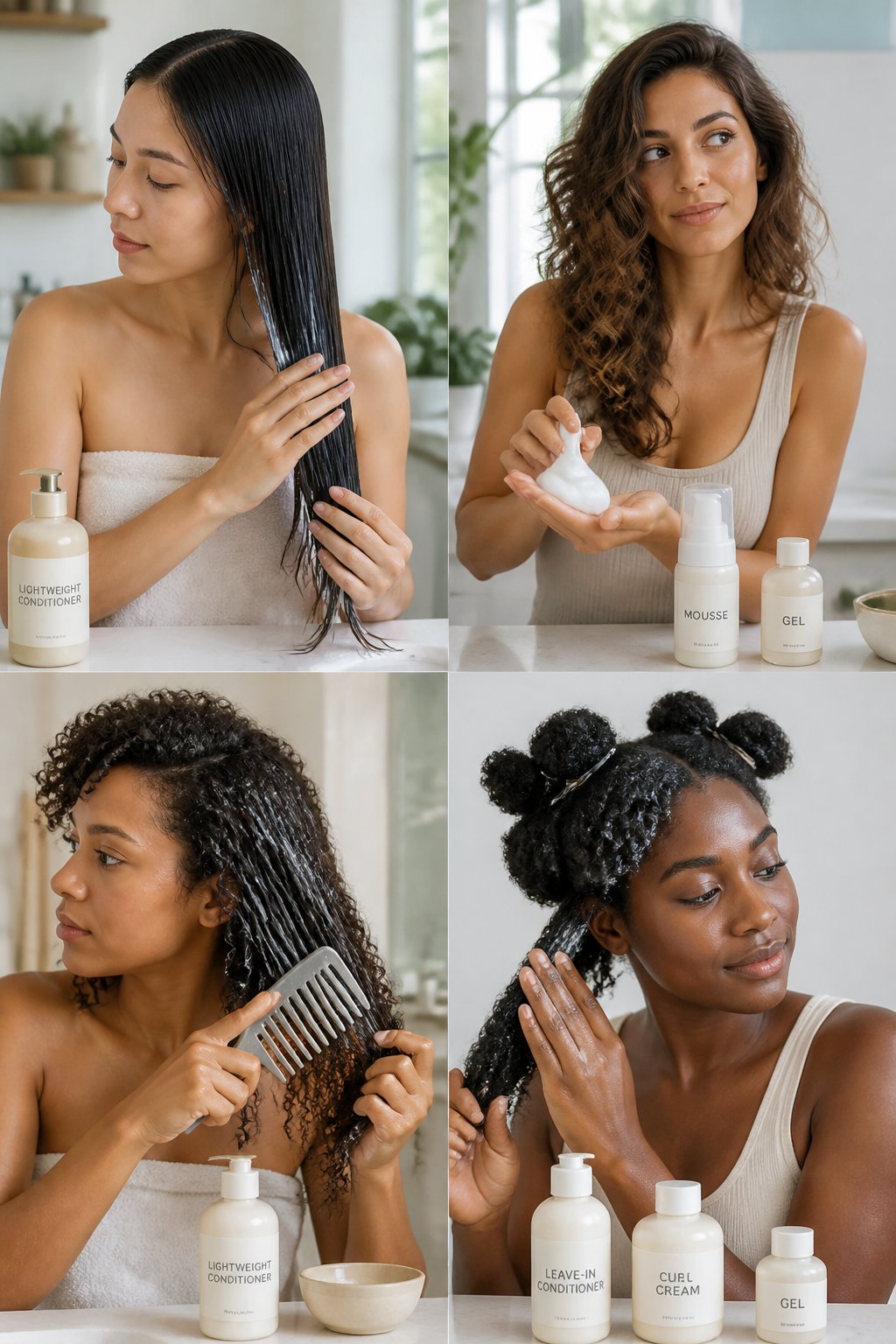
Your hair texture affects how much moisture and product it can handle. Fine hair often becomes limp when you use thick masks, oils, or creams, so choose lightweight conditioners and apply them from mid-lengths to ends. Coarse, curly, and coily hair usually benefits from richer conditioners, leave-ins, and careful detangling in sections.
Wavy hair often needs lightweight mousse or gel to control frizz without flattening the pattern. Curly and coily hair may need a leave-in conditioner followed by a cream or gel to reduce moisture loss and improve definition.
If your roots become oily but your ends stay dry, treat them separately: cleanse the scalp thoroughly and condition only the drier lengths. Use a wide-tooth comb while the conditioner remains in your hair to limit pulling and breakage.
Use Porosity to Guide Product Weight
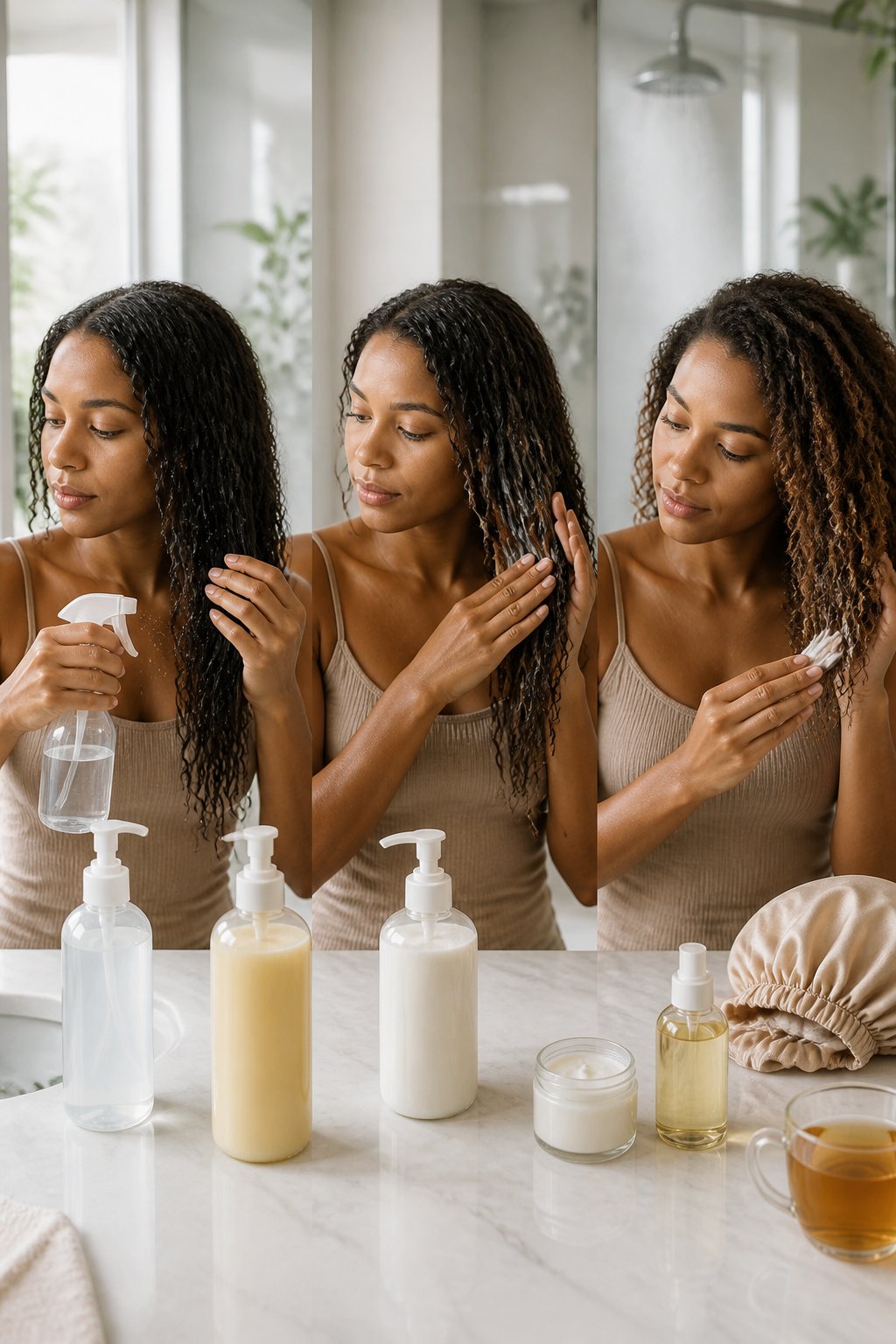
Hair porosity describes how easily your strands absorb and lose moisture. Low-porosity hair can resist water and product absorption, so use lightweight, water-based formulas and apply conditioner to wet hair. Warm water or a shower cap can help a treatment spread more evenly, but avoid layering several heavy products that may sit on the surface.
High-porosity hair often absorbs moisture quickly but loses it just as fast. This can occur naturally or after bleaching, coloring, and frequent heat styling. Choose a richer conditioner or leave-in, then use a small amount of cream or oil on the ends to help reduce moisture loss.
Medium-porosity hair usually works well with balanced products. Adjust the amount based on how your hair feels: softness and flexibility suggest enough moisture, while greasiness, stiffness, or dullness may indicate excess product or buildup.
Follow a Gentle Wash-Day Routine
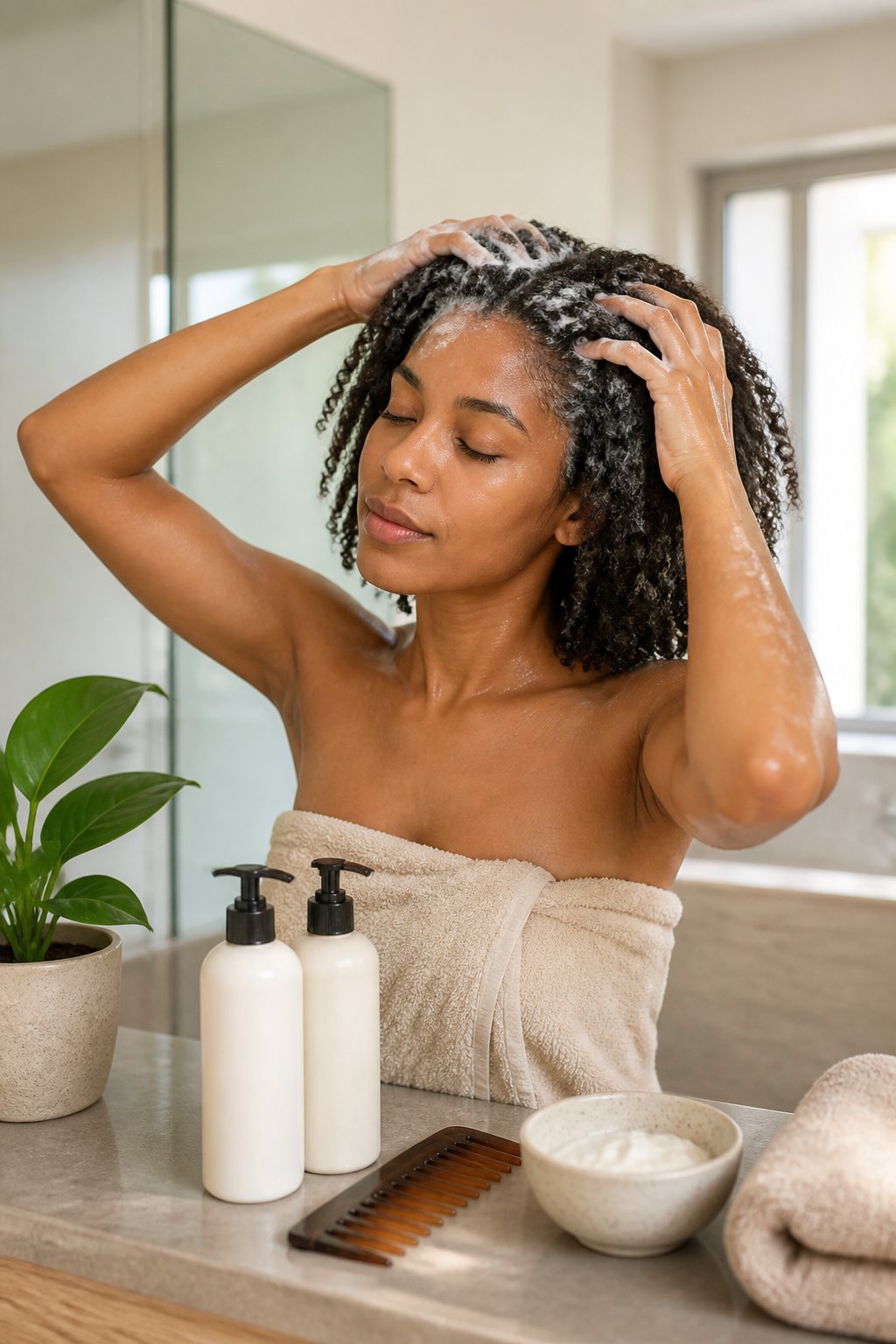
Dry hair benefits from a wash day that cleans the scalp carefully, adds moisture where you need it, and limits friction while your hair remains fragile. Use lukewarm water, apply products selectively, and handle damp hair with patience.
Cleanse the Scalp Without Stripping Lengths
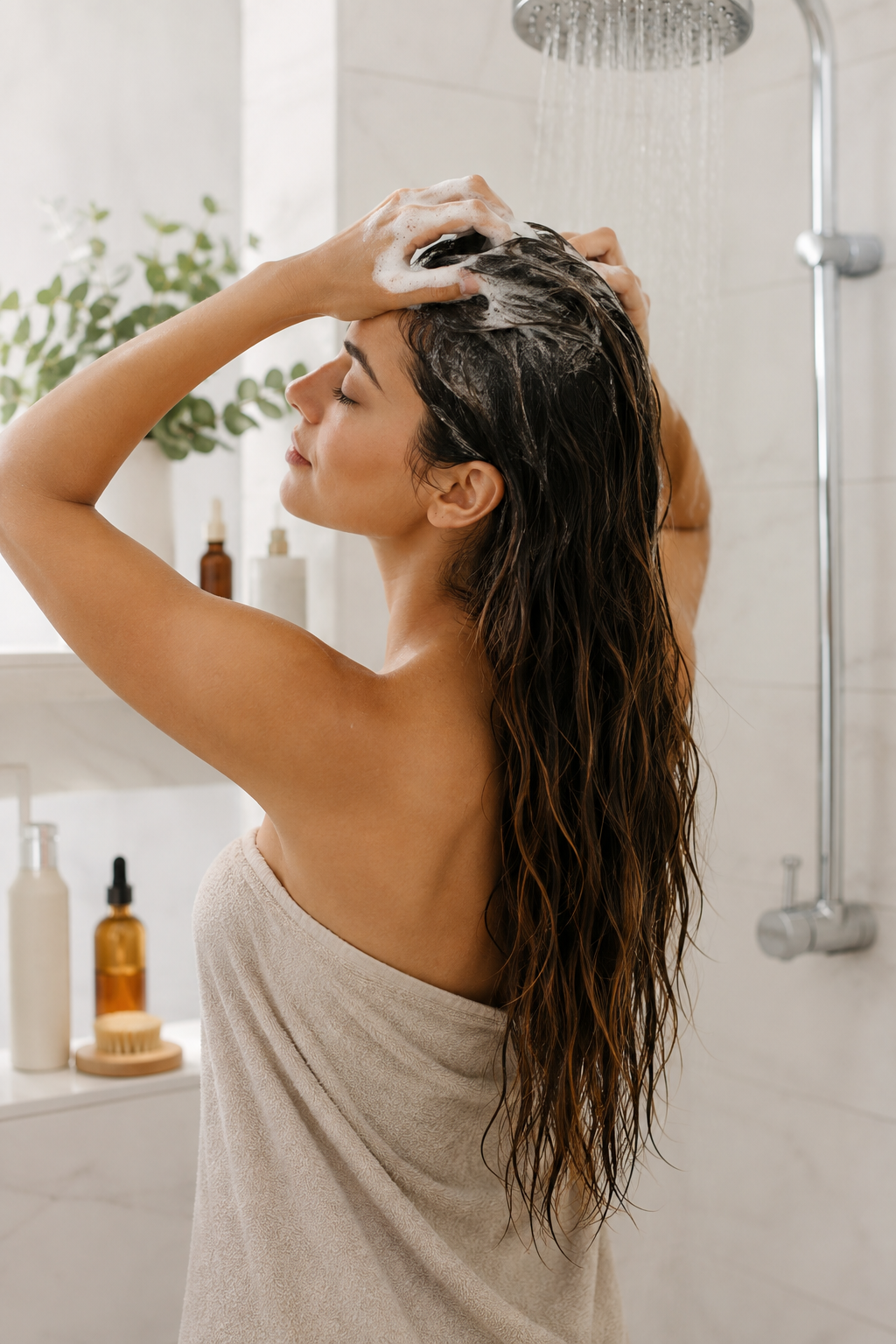
Wet your hair thoroughly with lukewarm water, then apply shampoo mainly to your scalp. Massage with your fingertips rather than your nails, allowing the lather to rinse through your lengths without scrubbing them directly.
Choose a moisturizing sulfate-free shampoo if sulfates leave your scalp tight or your hair noticeably dry. Sulfates can remove oil effectively, but some people with dry or textured hair find them too cleansing for frequent use. Wash based on your scalp’s needs, usually once or twice weekly, and clarify occasionally if styling products create product buildup.
Rinse until the water runs clear and no slippery residue remains at your roots. A second shampoo may help after heavy oiling or substantial buildup, but avoid repeating it automatically.
Condition the Mid-Lengths and Ends
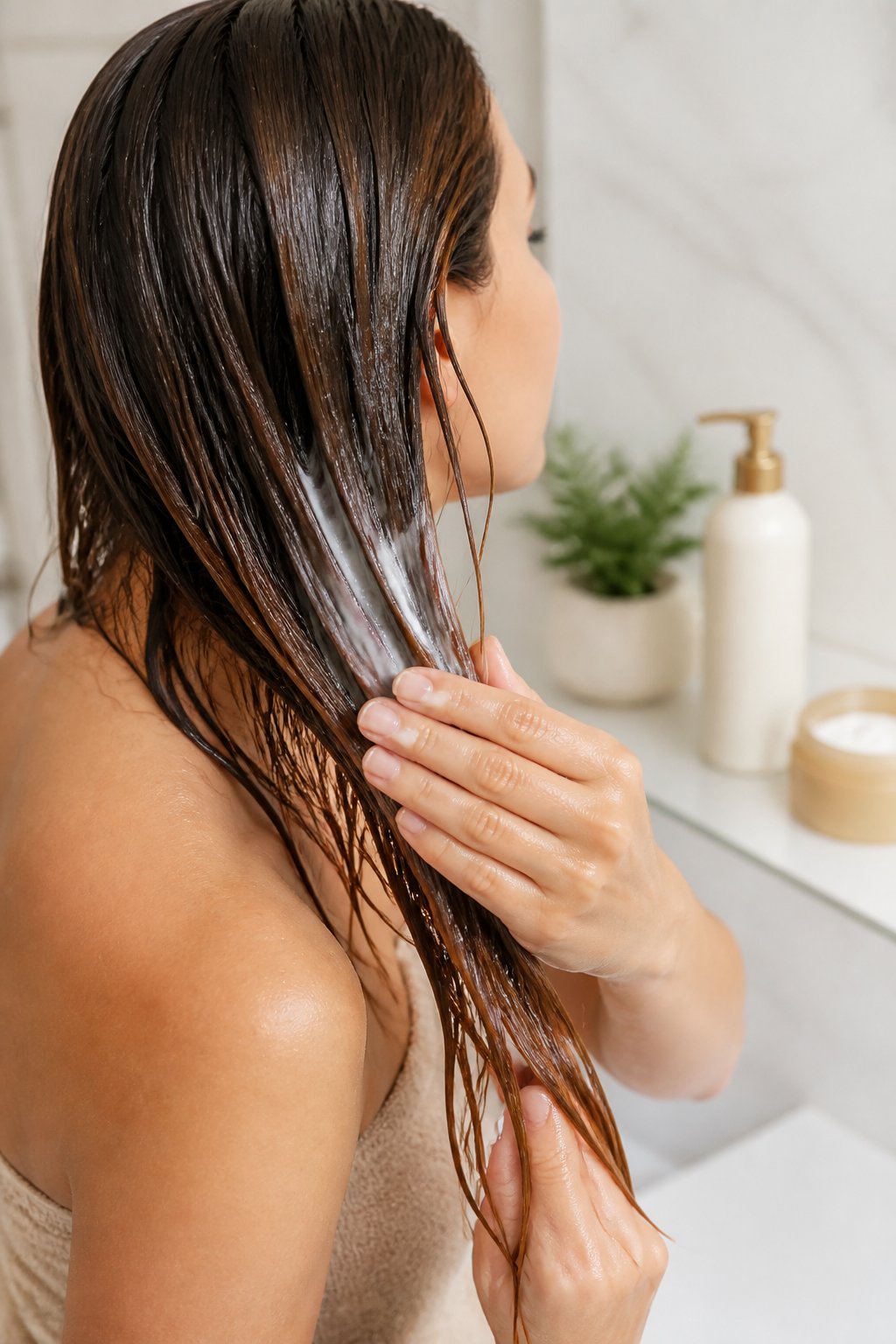
Squeeze out excess water before applying conditioner. Start at the mid-lengths and ends, where older hair typically needs the most softness, and keep heavy formulas away from your scalp unless the product specifically supports scalp use.
Use enough conditioner to coat each section without leaving your hair saturated with product. Let it sit for two to five minutes, then smooth it downward with your fingers. This helps reduce tangling before you begin detangling.
For very dry hair, replace regular conditioner with a moisturizing mask once weekly or use the mask after shampooing when your hair feels rough. Rinse with lukewarm water; very hot water can worsen dryness and irritate your scalp.
Detangle and Dry With Less Friction
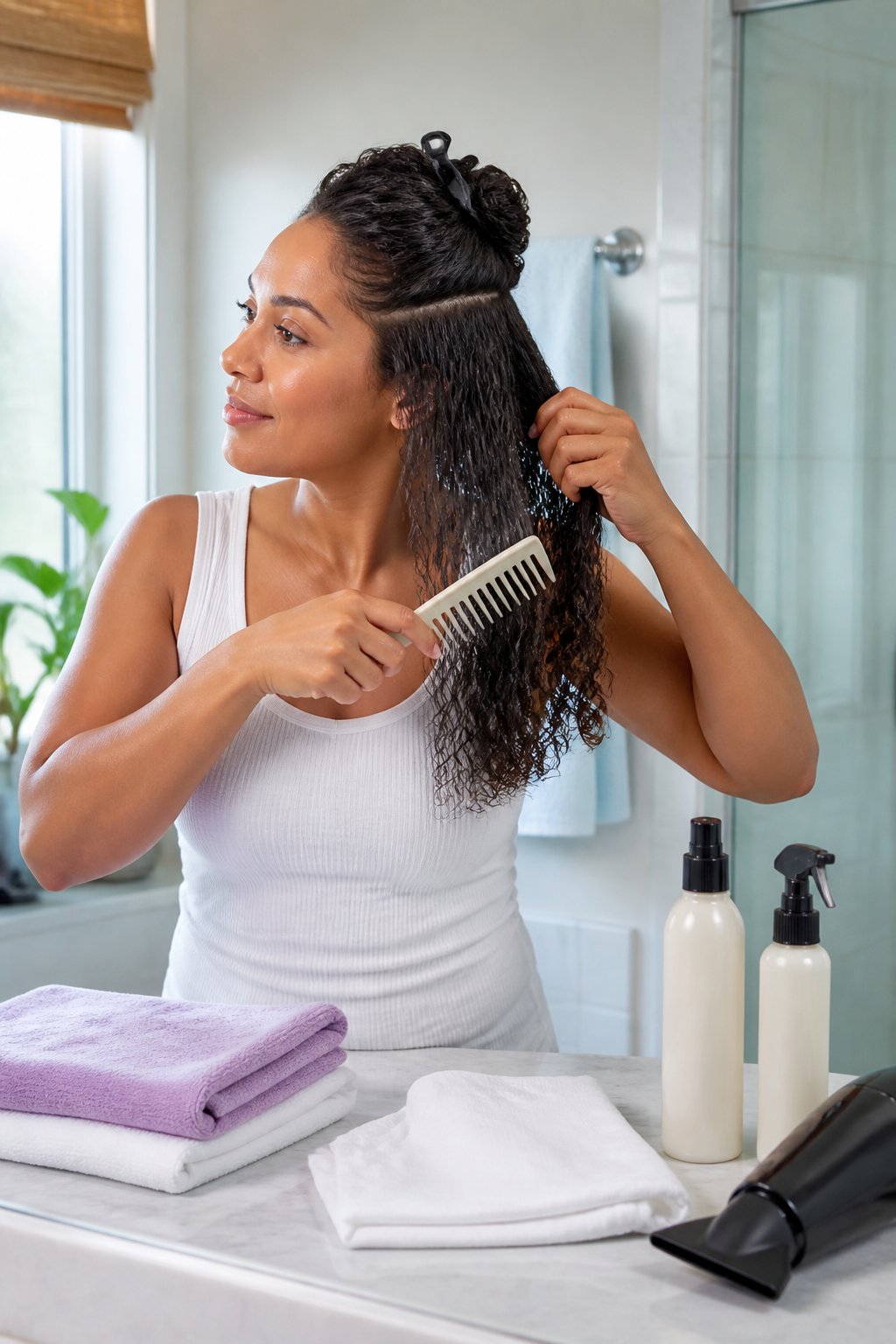
Detangle while your hair remains slippery and damp, not soaking wet. Divide thick hair into sections, begin at the ends, and work upward with your fingers or a wide-tooth comb. Hold each section near the roots to reduce pulling on the scalp.
After rinsing, gently press your hair with your hands instead of twisting or wringing it. Wrap it in a microfiber towel or a smooth cotton T-shirt, and blot excess water until it becomes towel-dried hair rather than rubbing the strands.
Apply leave-in conditioner or a light moisturizer to damp hair, concentrating on the lengths and ends. If you use heat, add a heat protectant before blow-drying, and choose a low or medium setting whenever possible.
Layer Moisture After Washing
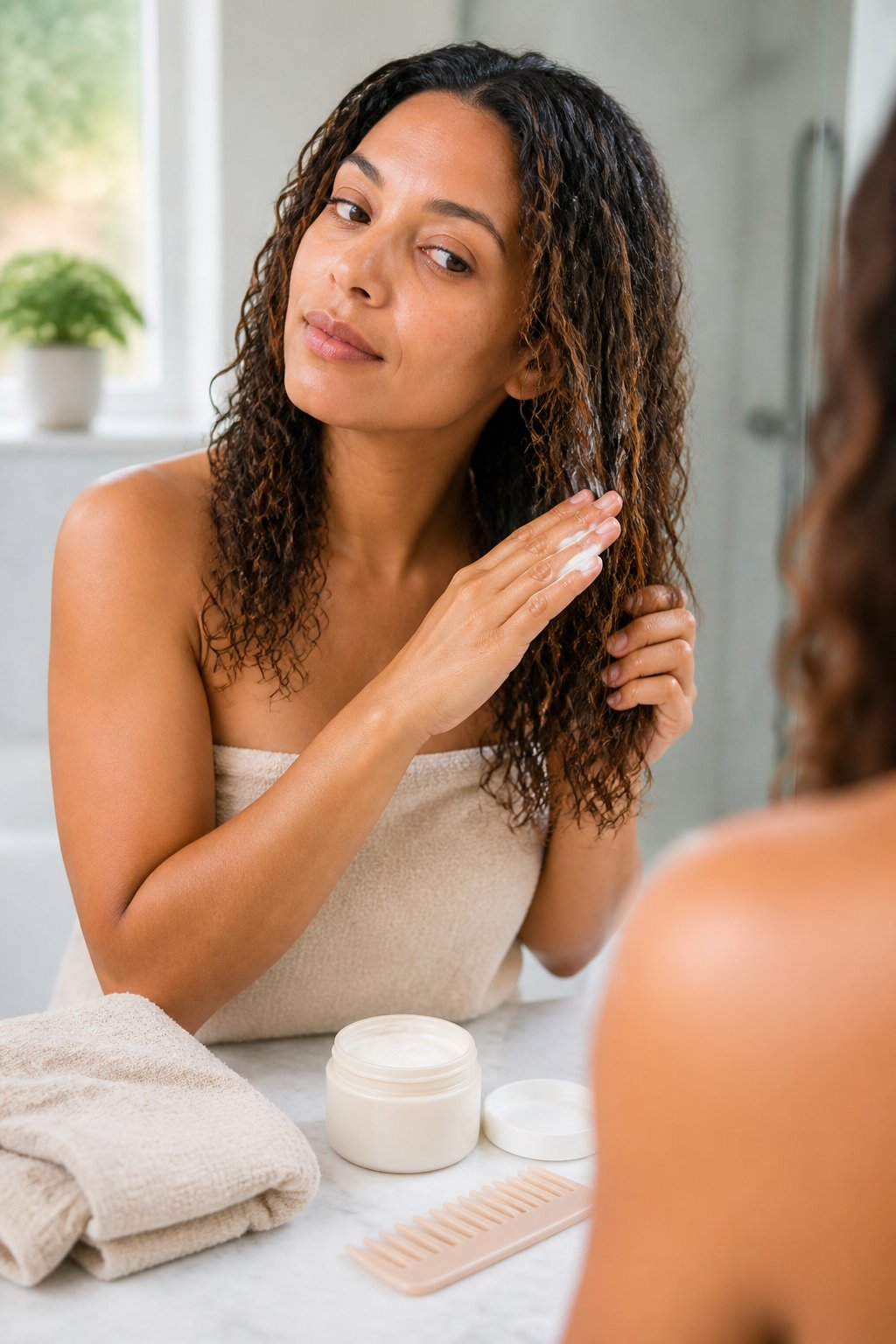
Apply water-based products while your hair remains damp, then use a small amount of oil to slow moisture loss. Choose lightweight formulas for fine hair and richer creams or butters for thick, curly, coily, or highly porous hair.
Apply Leave-In Care to Damp Hair

After rinsing your conditioner, gently squeeze out excess water with a microfiber towel or soft T-shirt. Apply a leave-in conditioner to damp hair, focusing on the mid-lengths and ends rather than the scalp. Damp strands help spread the product evenly and support moisture retention.
Start with a small amount—about a pea-sized portion for fine, short hair or a quarter-sized amount for longer or thicker hair. Detangle from the ends upward with your fingers or a wide-tooth comb. Look for ingredients such as glycerin, hyaluronic acid, aloe vera, or shea butter, depending on your hair’s needs. Use less product if your hair feels coated, limp, or greasy.
Seal Dry Ends With a Lightweight Oil
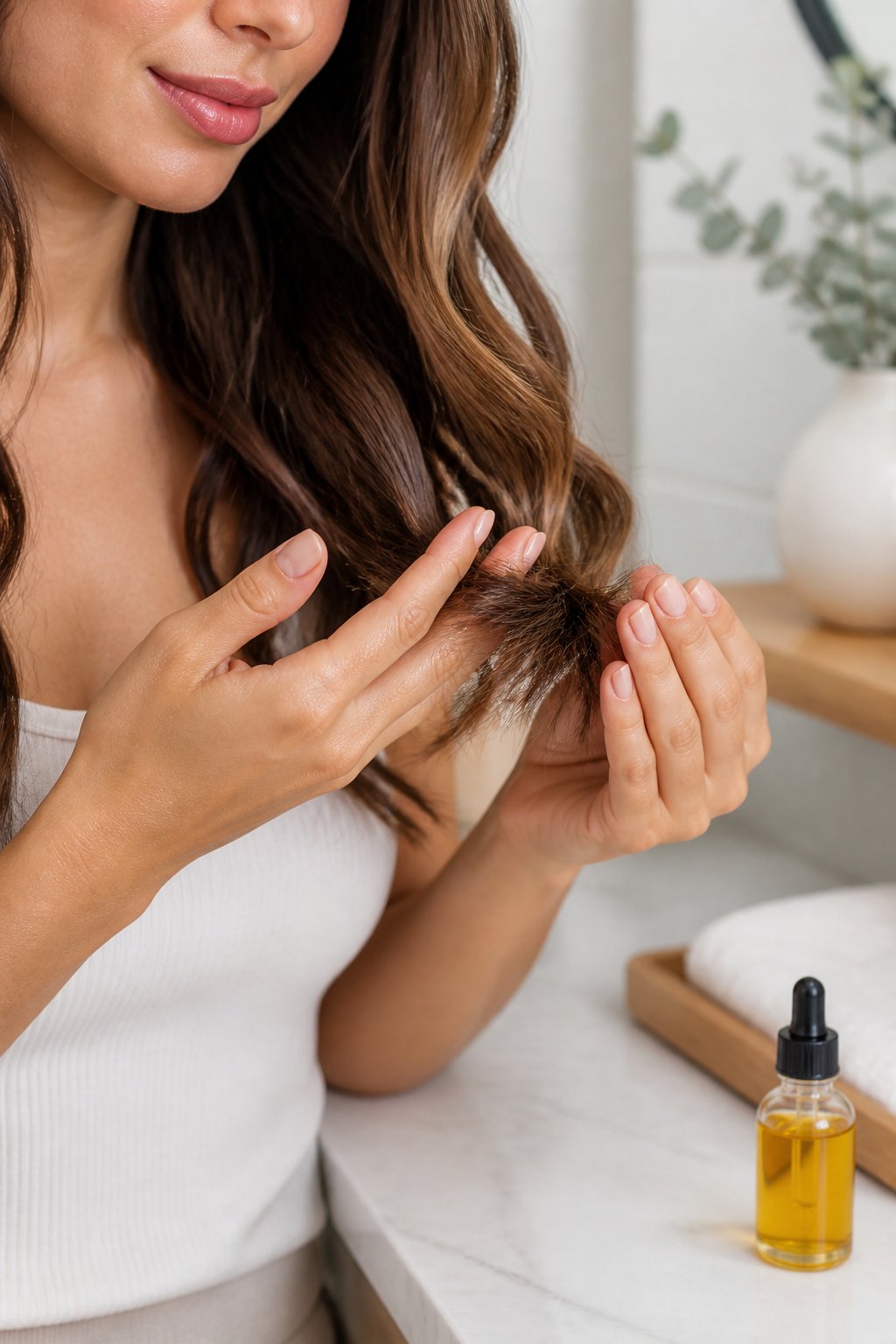
Once you apply leave-in conditioner, smooth one or two drops of hair oil over your ends. This step helps reduce moisture loss and adds softness without requiring a heavy layer. Warm the oil between your palms, then press and scrunch it into the driest areas.
Argan oil and jojoba oil suit many hair types because they feel relatively light. Thicker or very dry hair may tolerate a small amount of coconut oil or olive oil, but these can weigh down fine strands and may not suit every person. Avoid applying large amounts to the roots unless your scalp specifically needs oil and does not become oily or irritated.
Choose Helpful Hydrating Ingredients
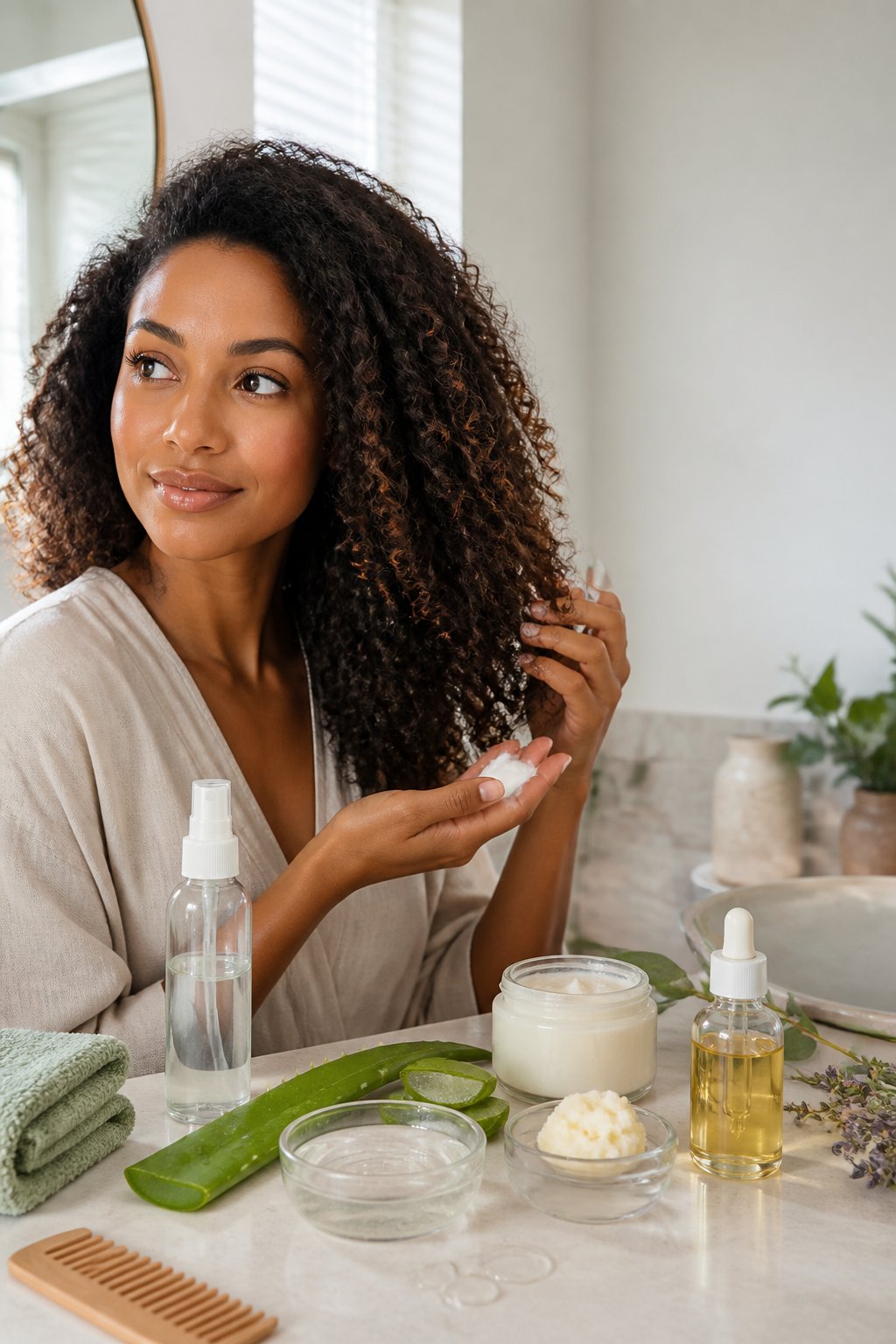
Select products based on how your hair feels and behaves. Aloe vera, glycerin, and hyaluronic acid attract or hold water, while oils and shea butter help slow moisture loss and improve softness. A leave-in conditioner can combine both types of ingredients.
If your hair feels rough immediately after washing, try a richer leave-in with shea butter or a small amount of oil. If it feels limp, choose a light spray containing aloe or glycerin and reduce the amount of cream or oil. In dry weather, monitor glycerin-heavy products because humidity affects how they perform; adjust your routine if your hair becomes unusually frizzy or dry.
Add Weekly Treatments Without Overdoing It
Weekly treatments can improve dry hair when you match them to your hair’s condition and avoid layering too many products. Focus on one deep-conditioning session, use protein only when your hair needs more strength, and treat your scalp based on its actual condition.
Use a Deep Conditioning Mask
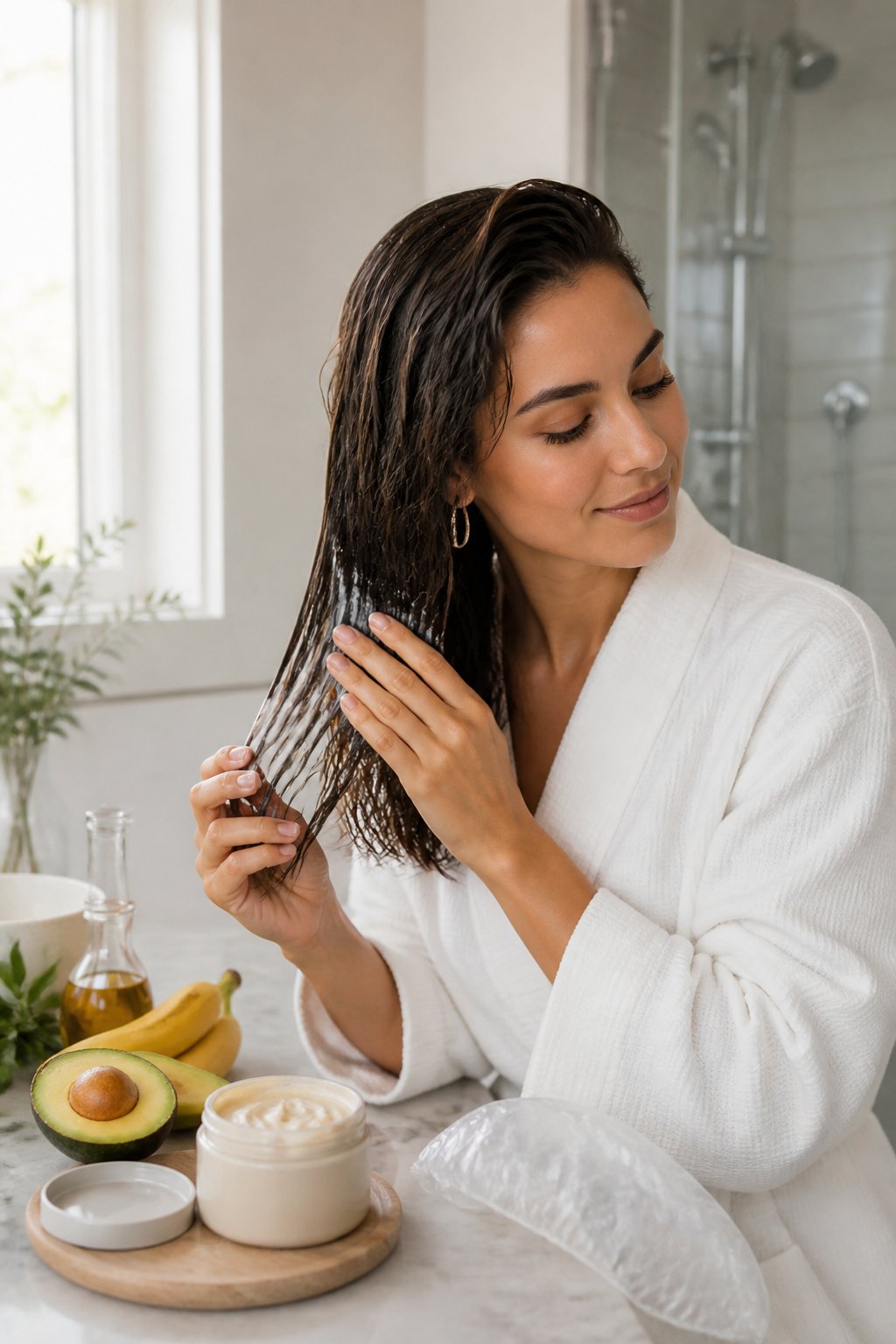
Apply a deep conditioner or deep conditioning mask once a week after shampooing. Concentrate the product on the mid-lengths and ends, where dryness and breakage usually appear, rather than applying a heavy layer to your scalp.
Follow the product’s timing instructions, usually 5–20 minutes. A shower cap can hold in warmth and prevent the mask from drying out, but extra heat is not always necessary. Rinse thoroughly with lukewarm water, then use a small amount of leave-in conditioner if your hair still feels rough.
Choose formulas with conditioning ingredients such as plant oils, fatty alcohols, or avocado and banana extracts. Homemade mixtures can vary in strength and may leave residue, so a formulated hair mask offers more predictable results.
Balance Moisture and Protein
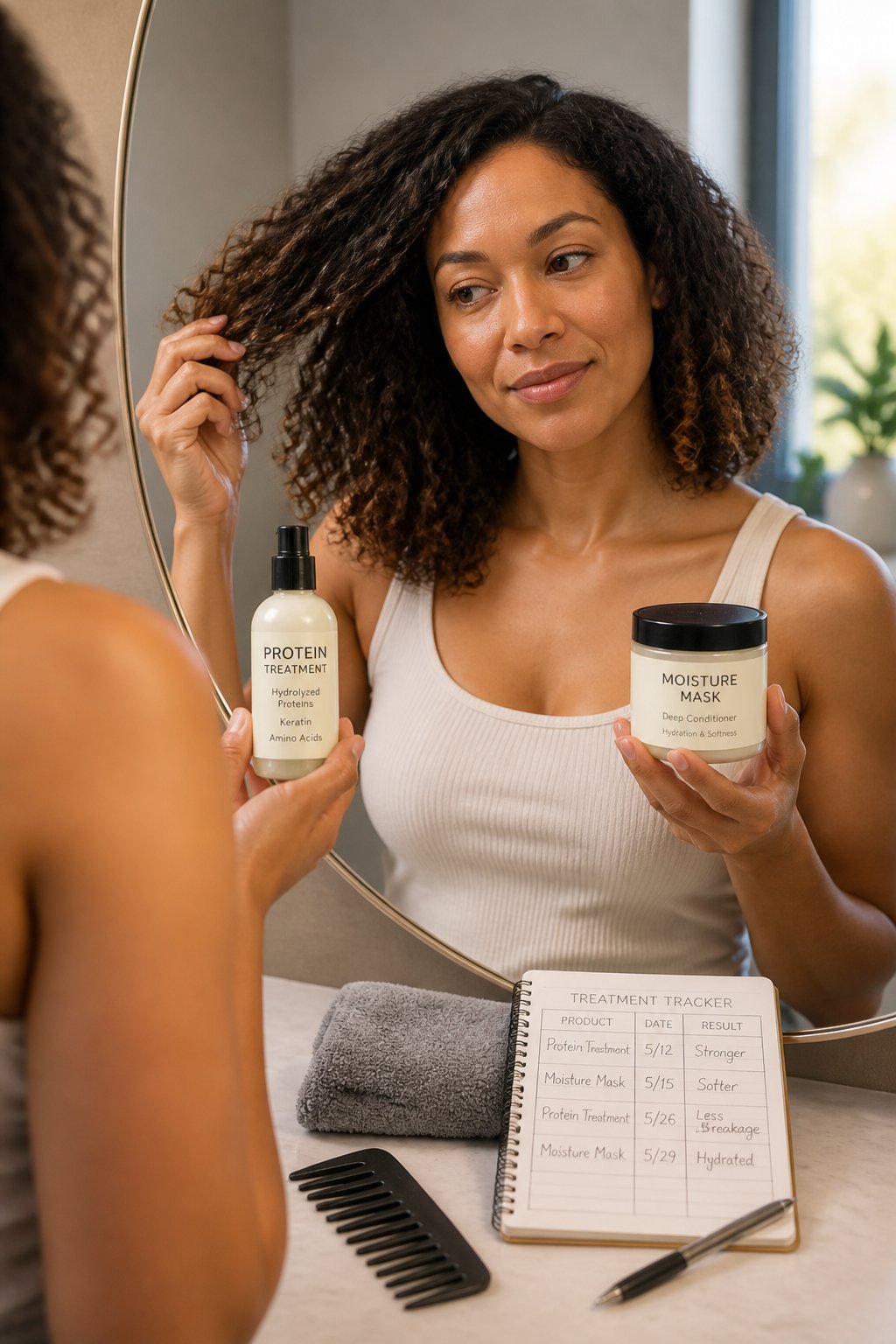
Dry hair does not always need protein. If your strands feel soft, stretchy, limp, or difficult to style, try a protein treatment containing hydrolyzed proteins, keratin, or amino acids. Use it according to the label, often every 2–4 weeks rather than every week.
If your hair feels stiff, brittle, tangled, or rough after treatment, stop using protein and return to a moisturizing deep conditioner. Protein products can support weakened, chemically treated, or heat-damaged hair, but they cannot repair split ends permanently.
Avoid using a protein treatment and a heavy hair mask on the same day until you know how your hair responds. Keep a simple note of the product, date, and result so you can adjust the schedule instead of adding treatments at random.
Try Scalp Care When Needed

Use scalp care only when your scalp feels dry, tight, flaky, or oily. Before washing, massage your scalp gently with your fingertips for two to three minutes. This can help loosen buildup and distribute natural oils, but it does not guarantee faster hair growth.
If you use scalp oil, apply a small amount and shampoo it out thoroughly. Avoid heavy oils when you have dandruff, itching, or an oily scalp, since they may worsen residue for some people. Never scratch with your nails or scrub irritated skin.
Persistent flakes, redness, soreness, or increased shedding require medical advice rather than a home hair spa treatment. Stop any product that causes burning, swelling, or a rash.
Protect Hair Between Wash Days
Dry hair benefits from less heat, gentler handling, light refreshing, and protection during sleep. Small changes between wash days can reduce moisture loss, limit breakage, and keep your style manageable without adding heavy buildup.
Reduce Heat and Mechanical Damage
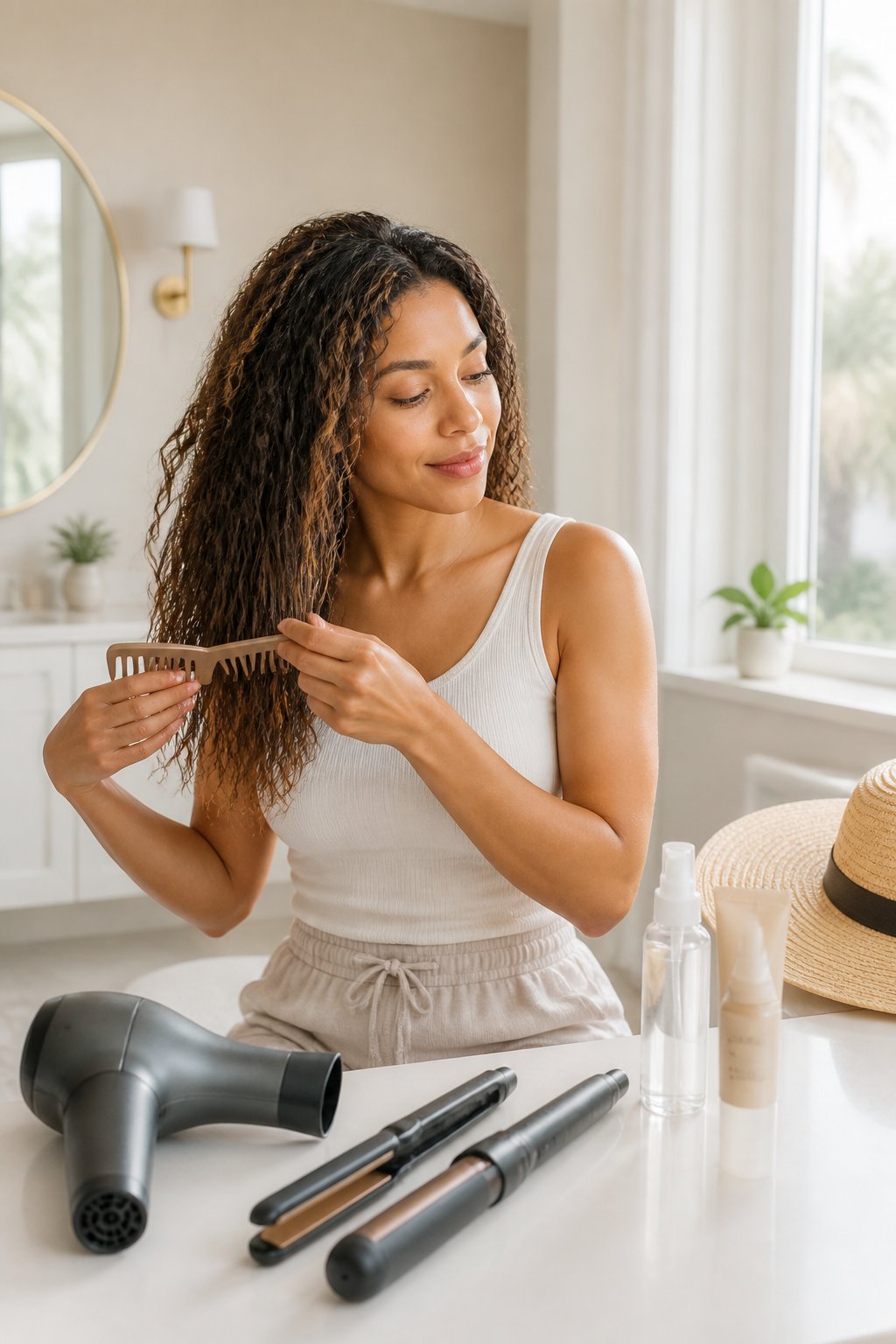
Limit heat styling whenever possible. Frequent use of a blow dryer, flat iron, or curling iron can make dry hair feel rougher and more fragile. Let your hair air-dry partway before using a dryer, then choose a low or medium setting and keep the tool moving.
Apply a heat protectant spray to damp or dry hair before using heat. Coat the mid-lengths and ends evenly, and follow the product’s directions rather than assuming one application protects against repeated heat exposure. Heat protection reduces damage risk, but it does not make high temperatures harmless.
Handle your hair gently while brushing and styling. Detangle the ends first with a wide-tooth comb, work upward in sections, and avoid pulling through knots. Protect your hair from strong sun with a hat or a product that includes UV protection, especially when you spend extended time outdoors.
Refresh Roots and Dry Lengths
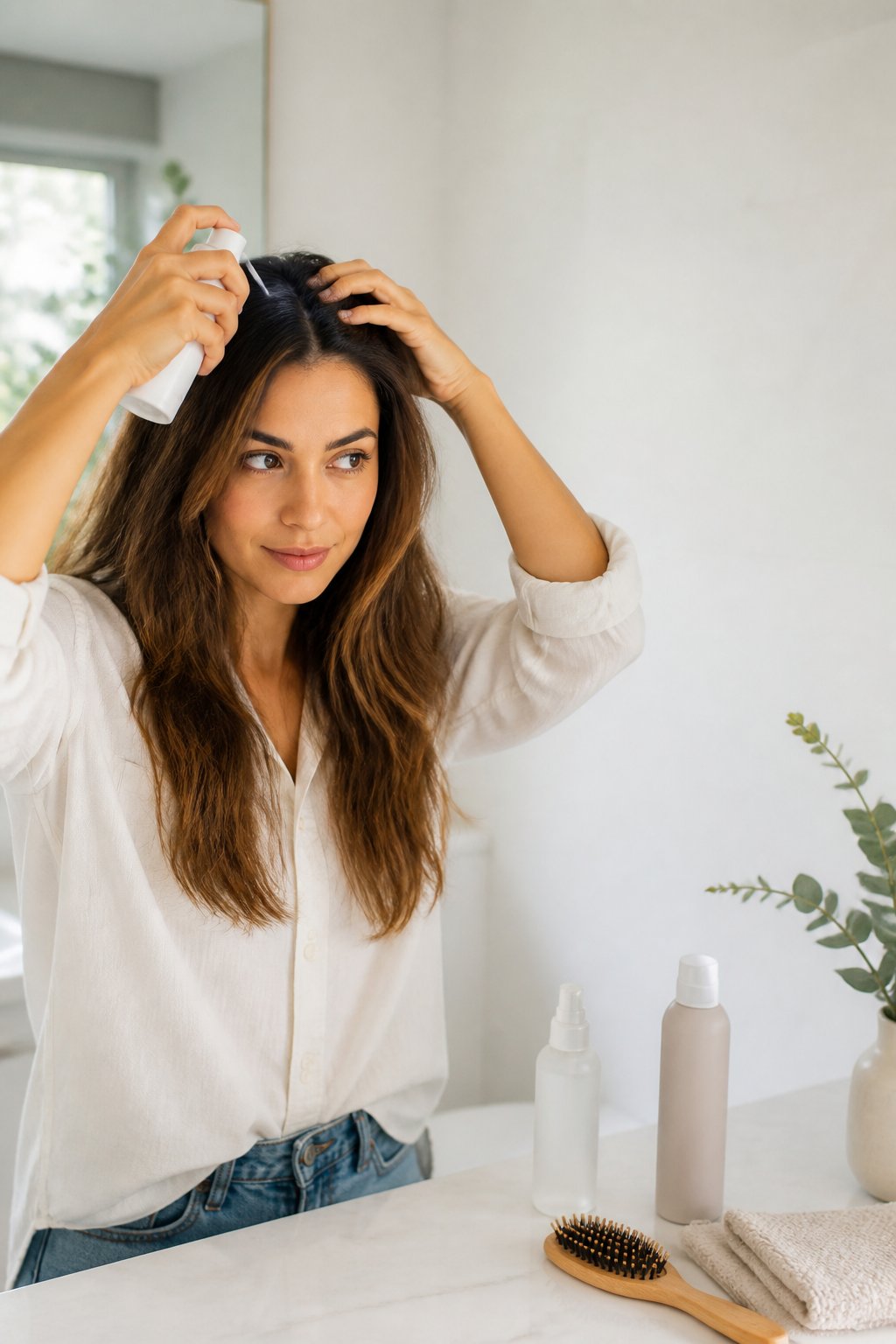
Use dry shampoo sparingly when your roots look oily between washes. Apply a small amount to the roots, allow it to absorb oil for a minute or two, and massage or brush it through. Too much dry shampoo can leave residue and may make the scalp feel coated, so do not use it as a replacement for regular cleansing.
Refresh dry lengths with a light mist of water or a small amount of leave-in conditioner. Concentrate the product on the mid-lengths and ends rather than the scalp, and add only what your hair can absorb without feeling greasy. If you use another styling product, choose a lightweight formula and avoid layering several products at once.
Wash your hair when buildup, sweat, itching, or excess oil becomes noticeable. A clean scalp supports comfortable styling and gives conditioning products a better surface to work on.
Use Low-Tension Styles and Sleep Protection
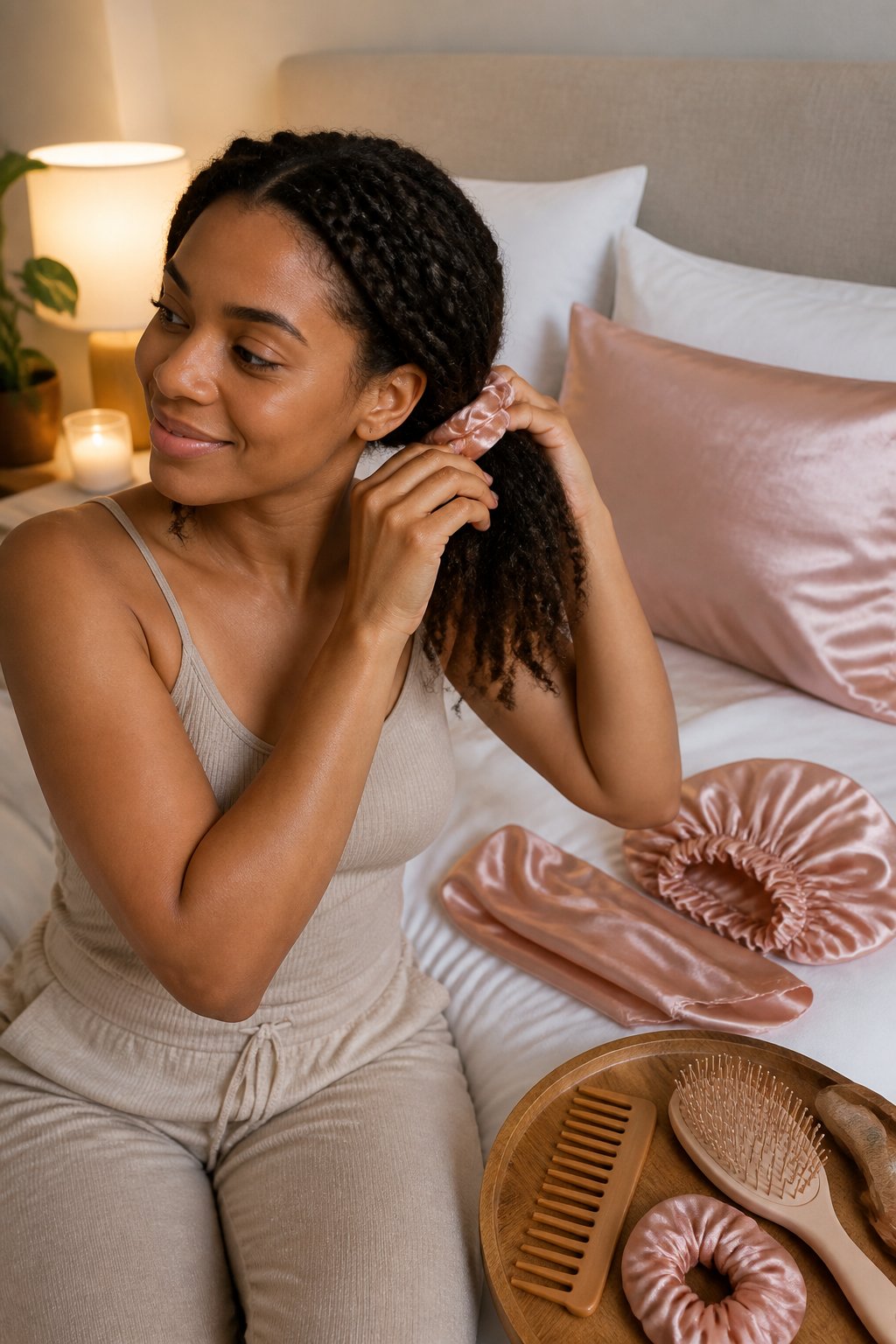
Choose protective styling that does not pull at the roots or compress the ends. Loose buns, braids, and twists can reduce daily friction, but secure them with a soft scrunchie instead of a tight elastic. Change the style regularly so you do not place tension on the same areas each day.
Before bed, detangle gently and gather your hair loosely if needed. A satin pillowcase, satin bonnet, or satin scarf creates less friction than cotton, which can help reduce tangling and moisture loss while you sleep. Keep the wrap comfortable and avoid tying wet hair tightly, since damp strands stretch more easily and can break under tension.
Remove pins, clips, or tight accessories that press against your scalp overnight. Choose smooth accessories without rough seams or exposed metal that can catch on dry ends.
Build a Sustainable Daily and Monthly Plan
A dry hair care routine works best when you reduce moisture loss, limit damage, and repeat manageable habits. Gentle daily care, scheduled washing and trimming, and adequate nutrition can support softer hair and a healthier scalp.
Simple Daily Habits for Softer Hair
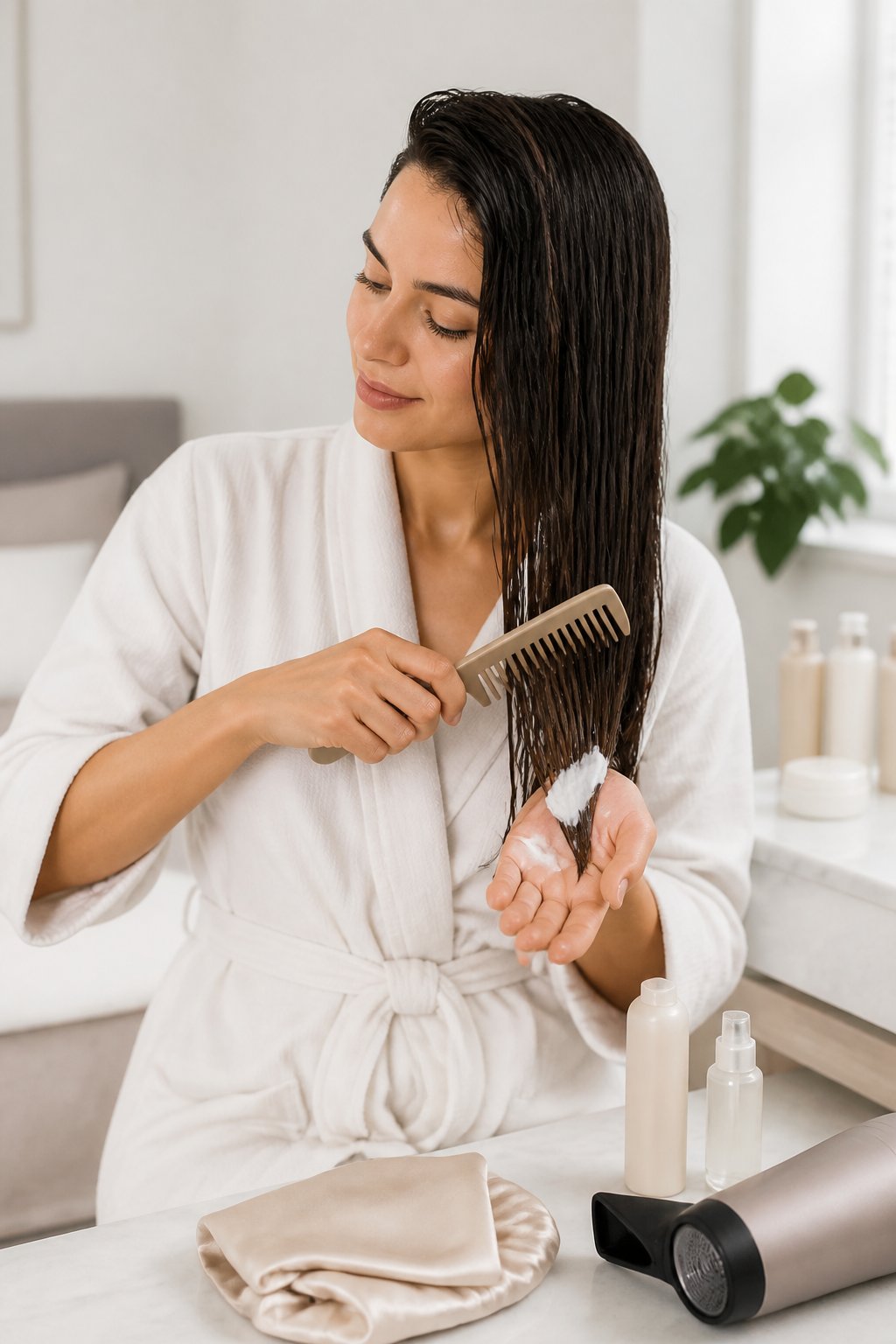
Refresh dry hair with a small amount of leave-in conditioner or a lightweight cream, concentrating on the mid-lengths and ends. Avoid applying heavy oils directly to your scalp unless it feels comfortable and your product suits your skin. Detangle from the ends upward with a wide-tooth comb, especially when your hair is damp.
Protect your hair while you sleep with a satin or silk pillowcase, bonnet, or loose protective style. Avoid tight ponytails and frequent heat styling, which can increase breakage and worsen split ends. If you use a blow-dryer, apply heat protectant and choose low or medium heat.
Wash according to your scalp’s needs rather than following a fixed daily schedule. Use a gentle shampoo on the scalp, then apply conditioner generously to the lengths. The American Academy of Dermatology recommends handling wet hair carefully because it breaks more easily; pat instead of rubbing it dry.
A Weekly and Monthly Maintenance Schedule
Use this practical schedule as a starting point:
| Frequency | Care step |
|---|---|
| Each wash | Shampoo your scalp, condition your lengths, and detangle gently |
| Weekly | Apply a moisturizing mask for 10–20 minutes |
| Every 2–4 weeks | Use a clarifying shampoo if you notice buildup or limp hair |
| Every 8–12 weeks | Trim damaged ends to limit continued splitting |
Adjust the schedule for your texture, scalp condition, and styling habits. Coily or highly textured hair may need less frequent shampooing and more regular conditioning, while an oily scalp may require more frequent cleansing.
Treatments labeled “repair” can temporarily improve the feel and appearance of damaged hair, but they cannot permanently rejoin split ends. Reduce chemical processing and repeated high-heat styling, and stop using any product that causes burning, itching, or persistent irritation.
Nutrition and Scalp Health Basics
Eat regular meals that provide protein, vegetables, fruit, whole grains, and healthy fats. Foods such as salmon, sardines, walnuts, chia seeds, and flaxseed provide omega-3 fatty acids. Beans, lentils, leafy greens, meat, seafood, eggs, and dairy can supply iron, zinc, and protein.
Biotin deficiency can contribute to hair changes, but supplements rarely help when you already meet your nutritional needs. High-dose biotin may interfere with laboratory tests, so discuss supplements with a healthcare professional before taking them.
Check your scalp during wash days for persistent flakes, redness, pain, sores, or sudden shedding. Avoid scratching and remove buildup gently; consult a dermatologist if symptoms continue or hair loss develops.
Frequently Asked Questions
A simple routine should cleanse your scalp gently, condition your lengths, add leave-in moisture, and protect your hair from heat and friction. Washing less often, using suitable moisturizing products, and adding weekly conditioning can help reduce dryness and frizz.
What are the essential steps in a simple routine for dry hair?
- Wash your scalp gently with a moisturizing, sulfate-free shampoo when needed.
- Condition your mid-lengths and ends after every shampoo.
- Apply a leave-in conditioner to damp hair to improve softness and detangling.
- Seal the ends lightly with a few drops of hair oil or serum if they feel rough.
- Use heat protection before blow-drying, straightening, or curling.
Detangle damp hair with a wide-tooth comb, starting at the ends and working upward. Avoid rubbing your hair with a rough towel; gently squeeze out water with a microfiber towel or soft T-shirt.
How often should I wash dry and frizzy hair?
Start with two or three washes per week, then adjust based on your scalp’s oiliness, activity level, and product buildup. Washing too frequently can make the lengths feel drier, but leaving sweat and buildup on the scalp for too long can cause irritation.
Apply shampoo mainly to your scalp and let the suds rinse through the lengths. Use lukewarm water rather than hot water, which can increase dryness and scalp discomfort.
Which products are best for moisturizing dry hair?
Choose a gentle shampoo and a rich conditioner containing ingredients such as glycerin, aloe vera, fatty alcohols, plant oils, ceramides, or shea butter. Look for a deep conditioner or hair mask when your hair needs more softness than your regular conditioner provides.
A leave-in conditioner can improve manageability, while a lightweight oil or silicone-based serum can smooth the surface and reduce moisture loss. Select lighter formulas for fine hair and richer creams or masks for thick, curly, or coily hair.
Can I use natural ingredients at home to help dry hair?
You can use simple oil treatments, such as coconut, olive, or argan oil, before shampooing. Apply a small amount to the lengths and ends for 20–30 minutes, then wash thoroughly; oils can weigh down fine hair or irritate sensitive skin.
Avoid applying undiluted essential oils, lemon juice, or baking soda to your scalp or hair. These ingredients can cause irritation or increase dryness, and natural ingredients do not automatically suit every hair type.
How can I reduce frizz and prevent further dryness?
Apply conditioner and leave-in products while your hair remains damp. Limit high-heat styling, use the lowest effective temperature, and apply a heat protectant before using hot tools.
Sleep on a satin or silk pillowcase, avoid tight hairstyles, and handle your hair gently while detangling. Regular trims can remove split ends, but they cannot repair damage higher up the hair shaft.
What should I do weekly to keep dry hair soft and healthy?
Use a deep-conditioning mask once a week, applying it from the mid-lengths to the ends. Leave it on for the time stated on the label, then rinse with lukewarm water.
Check your hair’s response after each treatment. If it feels stiff, reduce protein-heavy products and focus on moisture; if it feels limp or coated, use less product or clarify occasionally.
