



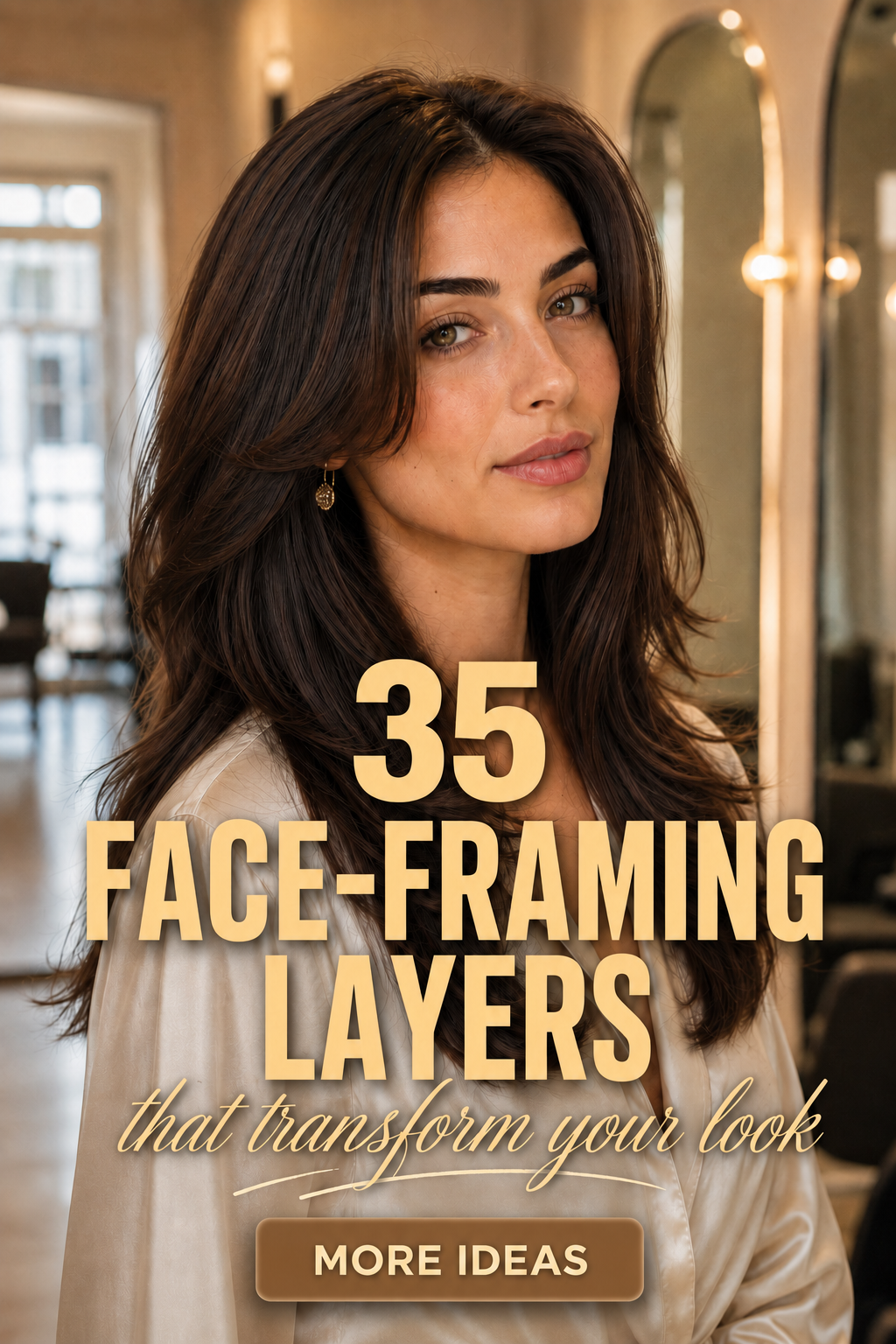
Face-framing layers can refresh an entire haircut without requiring a dramatic loss of length. Positioned around the front, these shorter sections bring movement to the hair while drawing attention toward the eyes, cheekbones, lips, and jawline.
Unlike uniform layers placed throughout a haircut, face-framing pieces are shaped according to individual features. They may begin near the temples, cheeks, chin, jaw, or shoulders, depending on the effect you want to achieve.
The best placement also depends on hair texture and density. Fine hair generally needs fewer, softer pieces, while thick hair may require additional layering to prevent excessive weight around the face.
From polished cheekbone layers to relaxed grown-out pieces, these 35 ideas offer distinctive ways to transform straight, wavy, curly, short, medium, and long hair.
1. The Cheekbone-Lifting Layered Cut
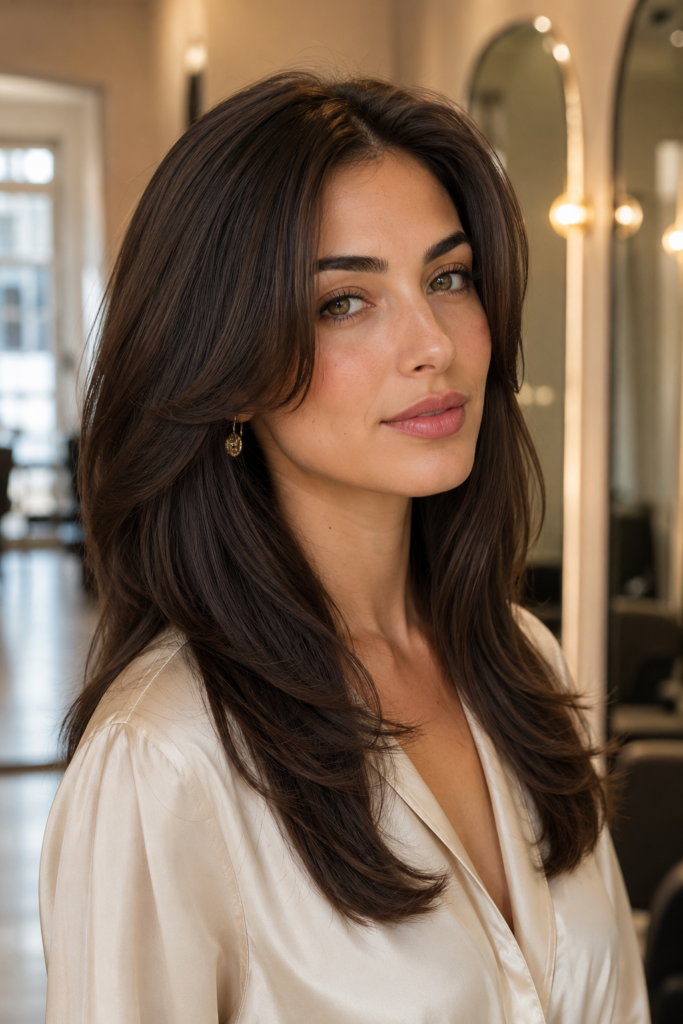

Layers beginning near the cheekbones create definition and immediately brighten the center of the face.
This placement particularly complements oval, heart-shaped, and diamond faces with naturally defined bone structure.
Request softly tapered pieces that blend gradually into the remaining length without creating visible steps.
Blow-dry them away from the face for lift, movement, and a polished salon finish.
2. Long Pieces That Sculpt the Jawline
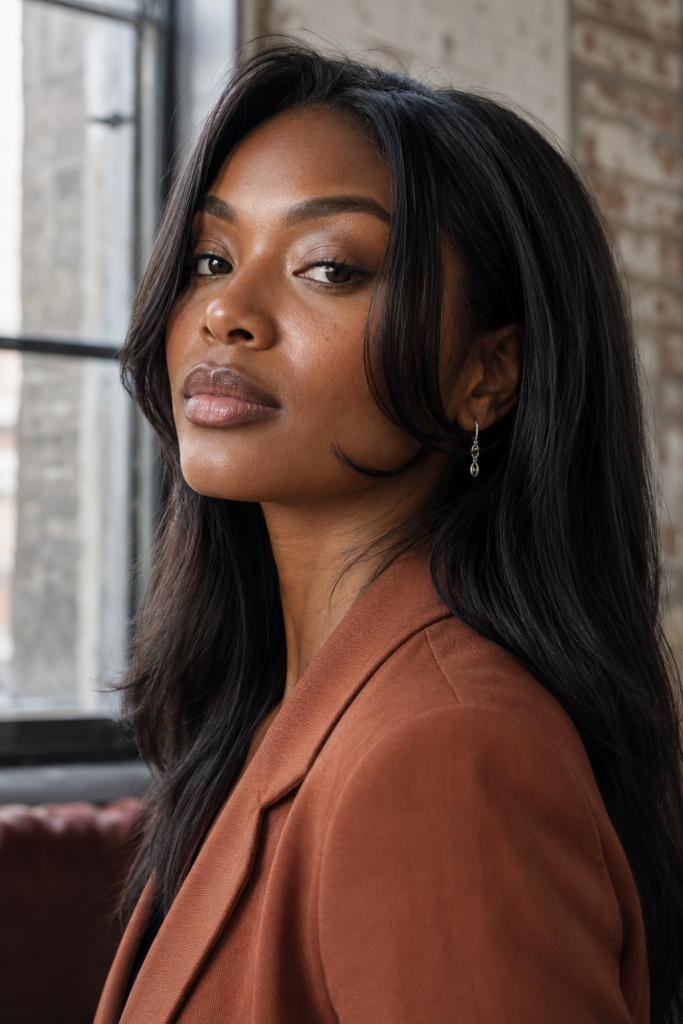
Jaw-skimming layers introduce shape around the lower face while preserving almost all your length.
They are especially flattering for round and oval faces because they create vertical movement.
The front sections should lightly graze the jaw before flowing smoothly into longer pieces.
Add a gentle outward bend to prevent the layers from lying flat against your cheeks.
3. A Chin-Grazing Frame for Instant Definition
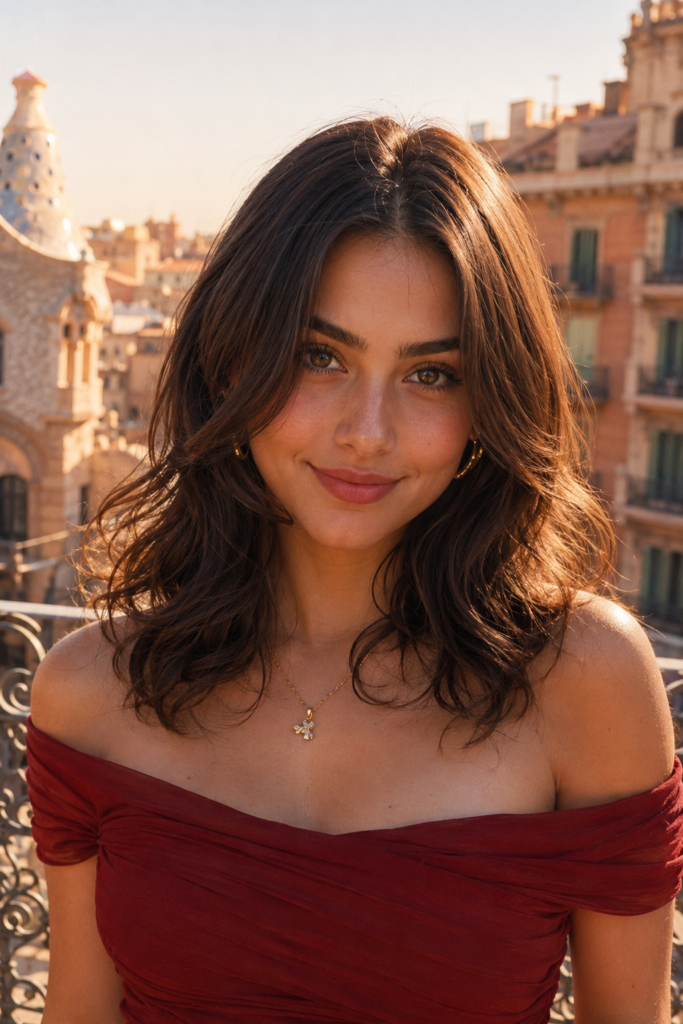
Chin-length pieces bring attention toward the lips, jawline, and lower cheek area.
They can beautifully balance heart-shaped and long faces by creating fullness below the cheekbones.
Ask for tapered ends that connect naturally with the hair falling around the shoulders.
This versatile placement works with straight hair, loose waves, ponytails, and elegant buns.
4. The Slimming Layer Placement for Round Faces
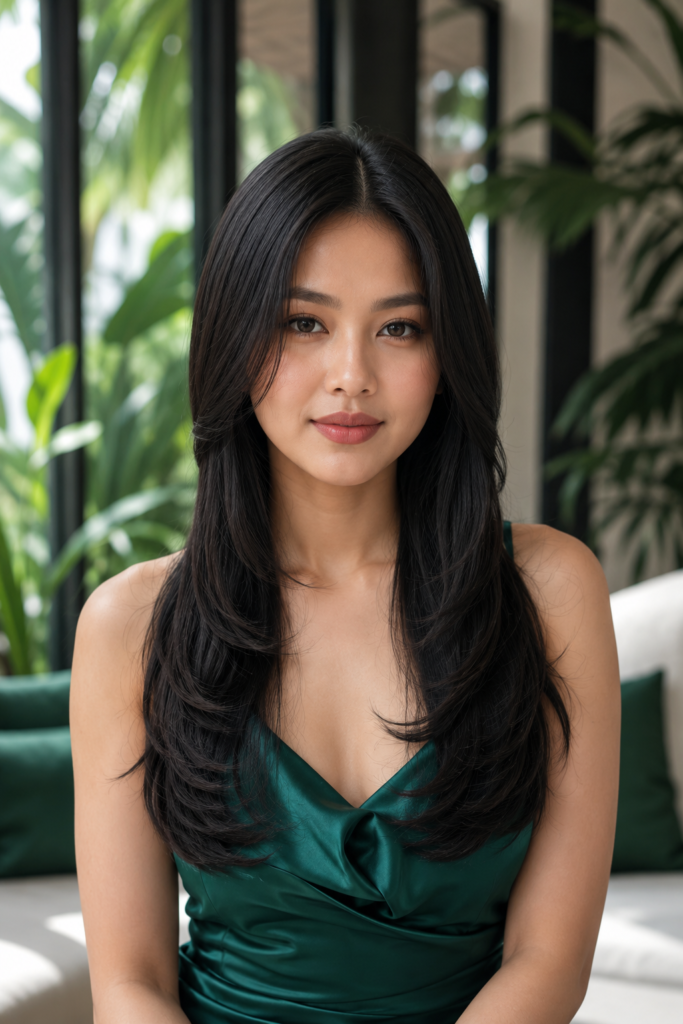
Round faces benefit from longer sections beginning beneath the fullest area of the cheeks.
The vertical direction visually elongates the face instead of creating additional width at the sides.
Avoid short, voluminous pieces that sit directly beside the widest part of your face.
Style the layers downward before turning the ends softly away for natural-looking definition.
5. Soft Curves for a Strong Jawline
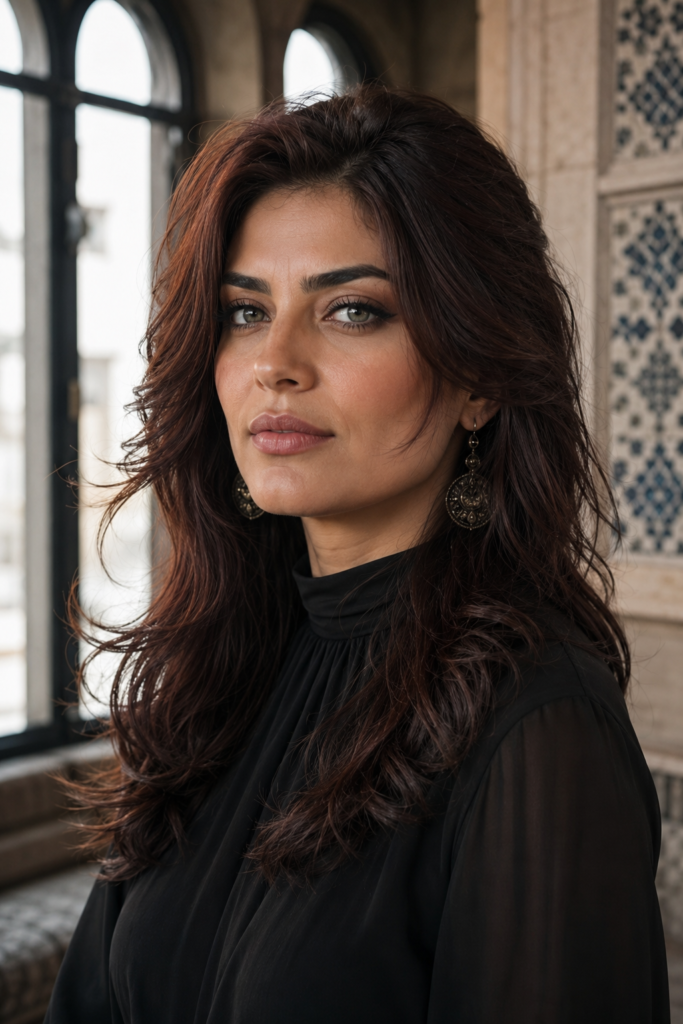
Curved layers soften the pronounced angles commonly associated with square face shapes.
Cheekbone and jaw-length pieces provide balance without hiding the face’s naturally striking structure.
Feathered ends are usually more flattering than thick, blunt, or sharply defined sections.
Wear them with relaxed waves to create movement and contrast around the jawline.
6. Shorter Pieces That Widen a Long Face
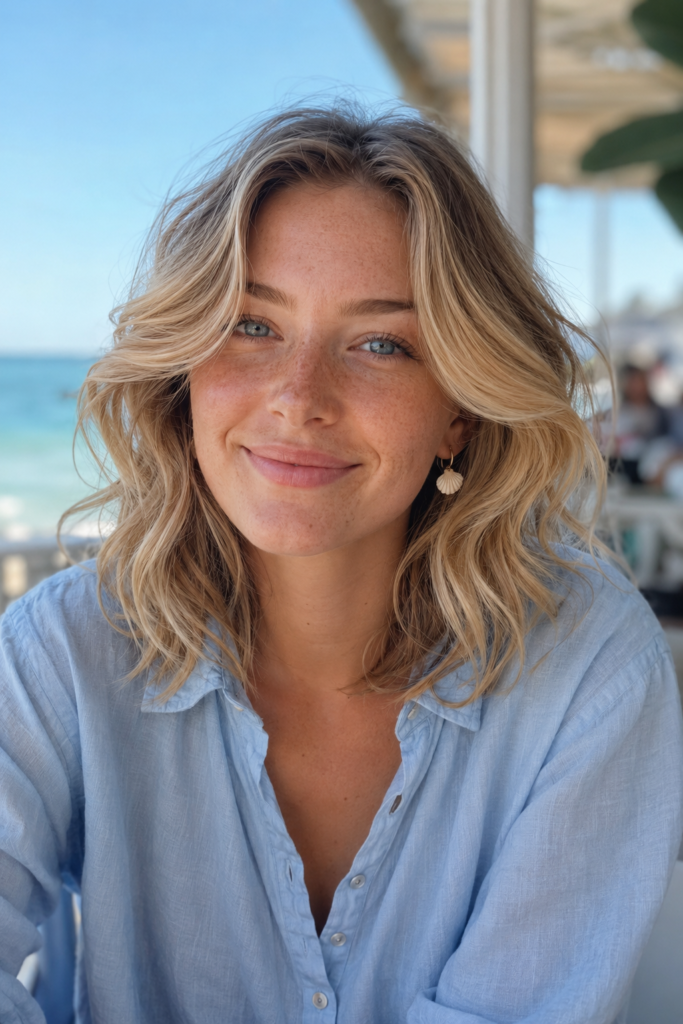
Long faces often look more balanced with shorter layers around the cheeks and temples.
This placement creates horizontal movement and reduces the appearance of excessive facial length.
Cheekbone or chin-length pieces usually work better than very long, downward-flowing sections.
Style them outward while avoiding too much height or volume around the crown.
7. A Balanced Frame for Heart-Shaped Faces
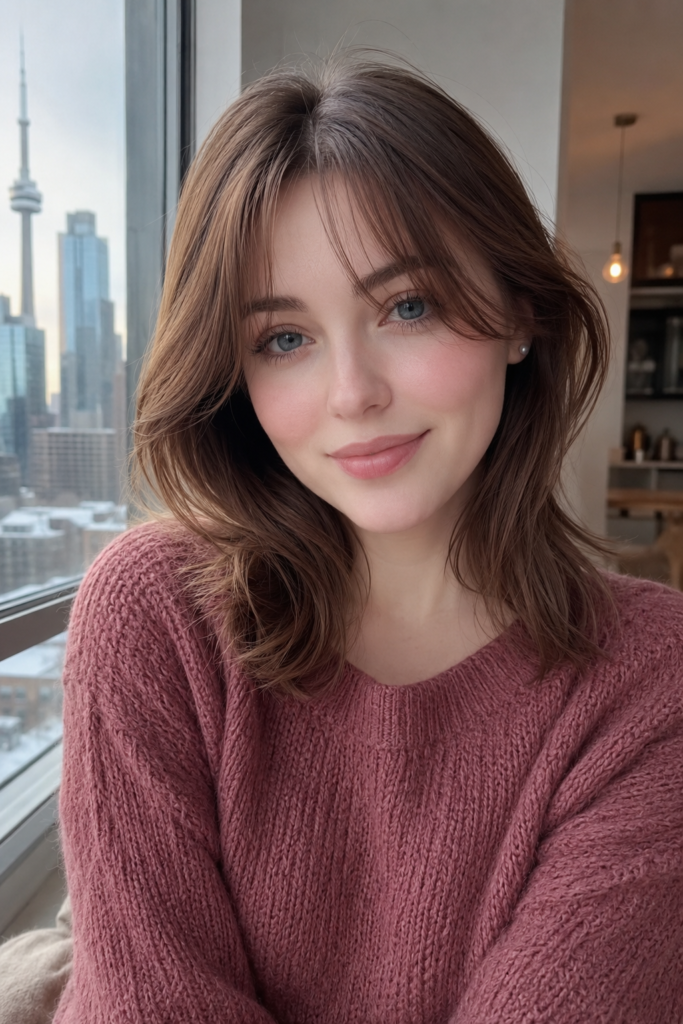
Heart-shaped faces typically feature a wider forehead and a more delicate, narrower chin.
Layers beginning around the cheekbones or jaw add softness through the lower face.
The sections should curve gently outward instead of resting heavily against the cheeks.
Combine them with curtain bangs for an especially cohesive and romantic layered shape.
8. The Effortless Shape Oval Faces Can Carry
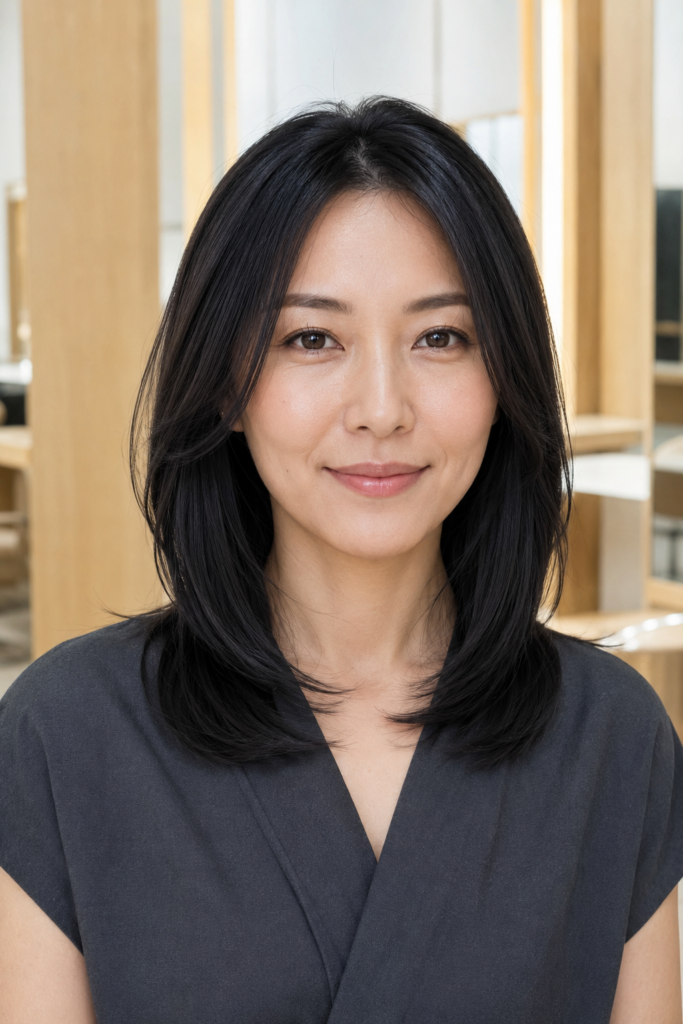
Oval faces can successfully wear almost every length and style of face-framing layer.
Cheekbone pieces add definition, while longer sections deliver a softer and subtler transformation.
Choose the placement according to your texture, routine, and desired maintenance level.
A smooth blowout highlights precision, whereas waves create a relaxed and dimensional appearance.
9. Layers That Complement High Cheekbones
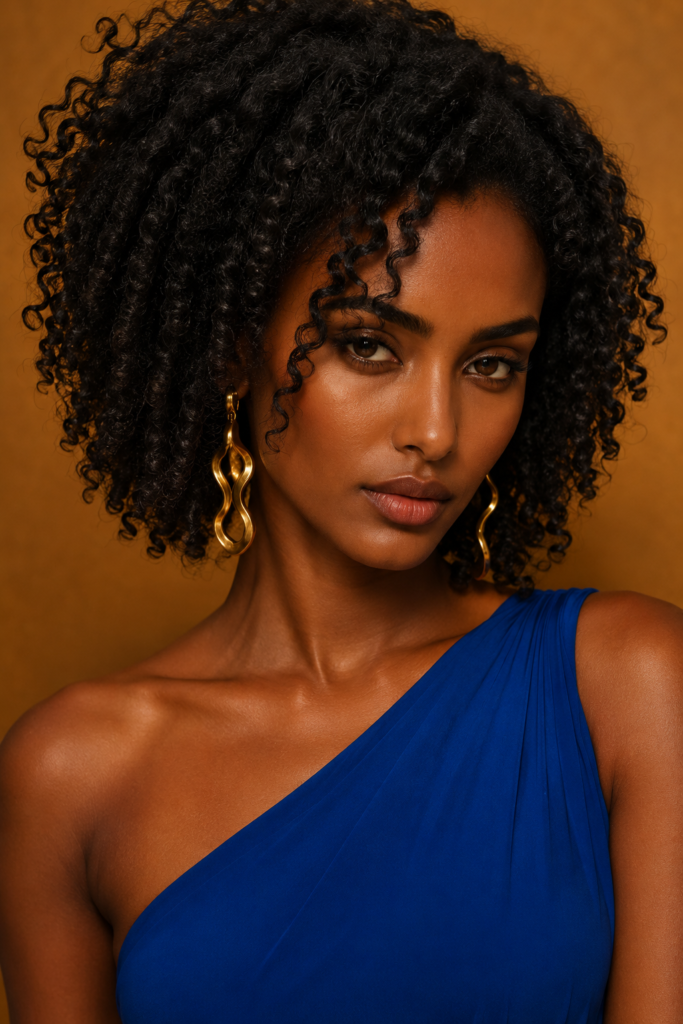
Diamond-shaped faces often feature prominent cheekbones with a narrower forehead and jawline.
Chin or jaw-length pieces help add balance beneath the widest area of the face.
Avoid placing the greatest amount of volume directly alongside already pronounced cheekbones.
Curve the ends inward for refinement or outward for a lighter, playful finish.
10. Barely-There Layers for a Subtle Refresh
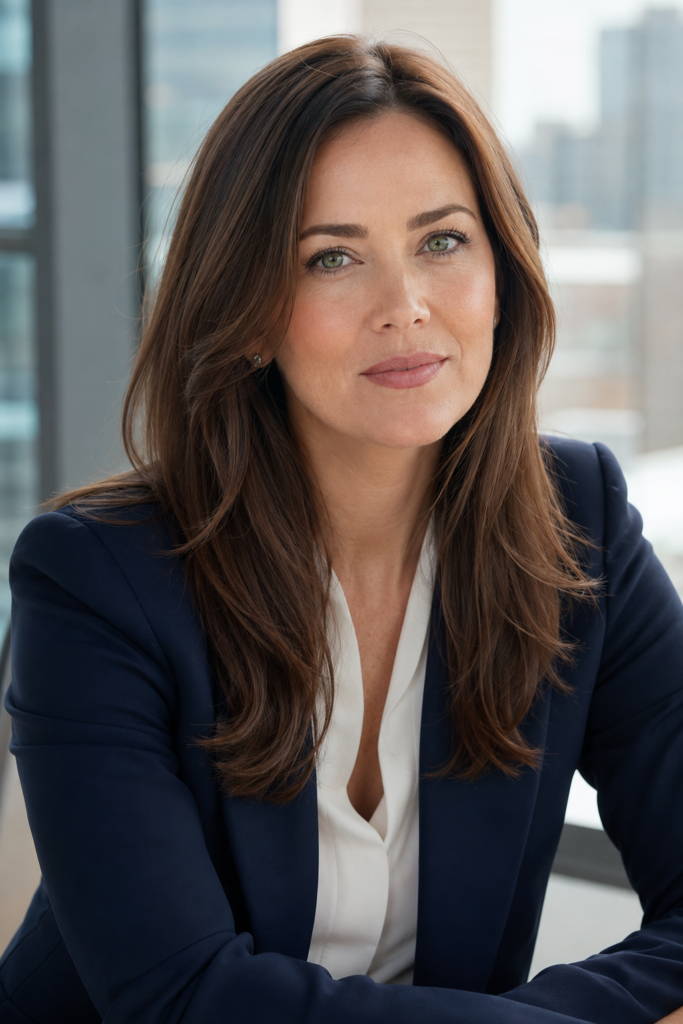
Long, understated pieces introduce movement without making the haircut appear heavily layered.
The shortest section may begin below the chin and disappear gradually into the length.
This low-commitment option suits professional looks and anyone nervous about shorter front pieces.
It looks polished when worn straight and more noticeable when styled into loose waves.
11. Bold Short Layers That Reshape the Cut
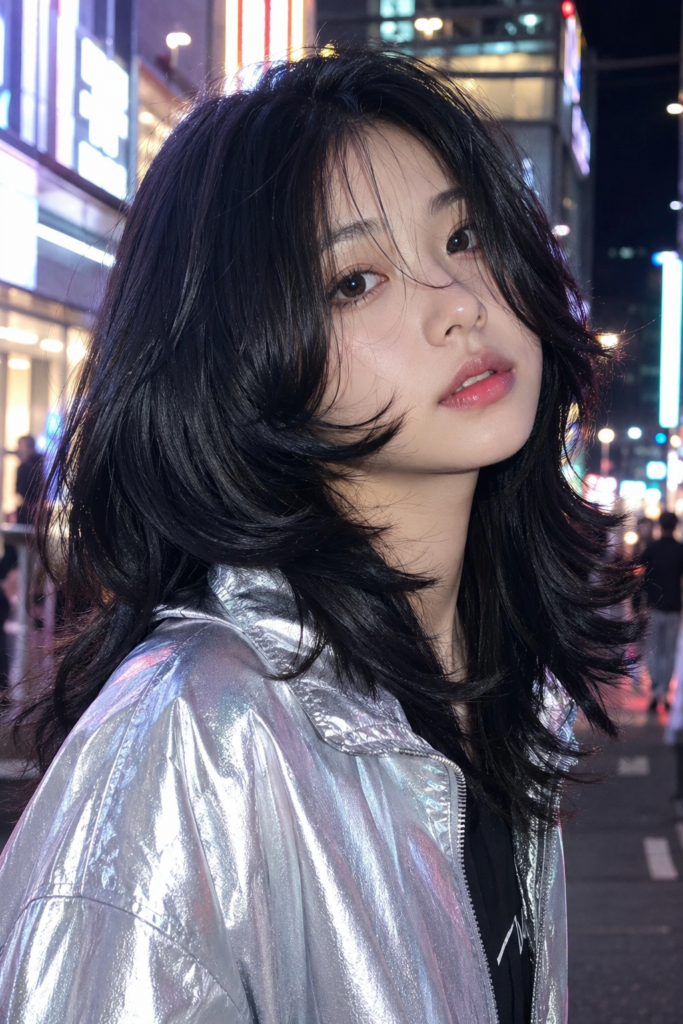
Short front layers provide immediate lift and create a much more noticeable transformation.
They pair naturally with butterfly cuts, shags, layered bobs, and medium-length hairstyles.
The shortest pieces may begin near the temples, upper cheeks, or cheekbones.
Regular shaping is important because these prominent sections can quickly outgrow their intended position.
12. Curtain Bangs Flowing into Seamless Layers
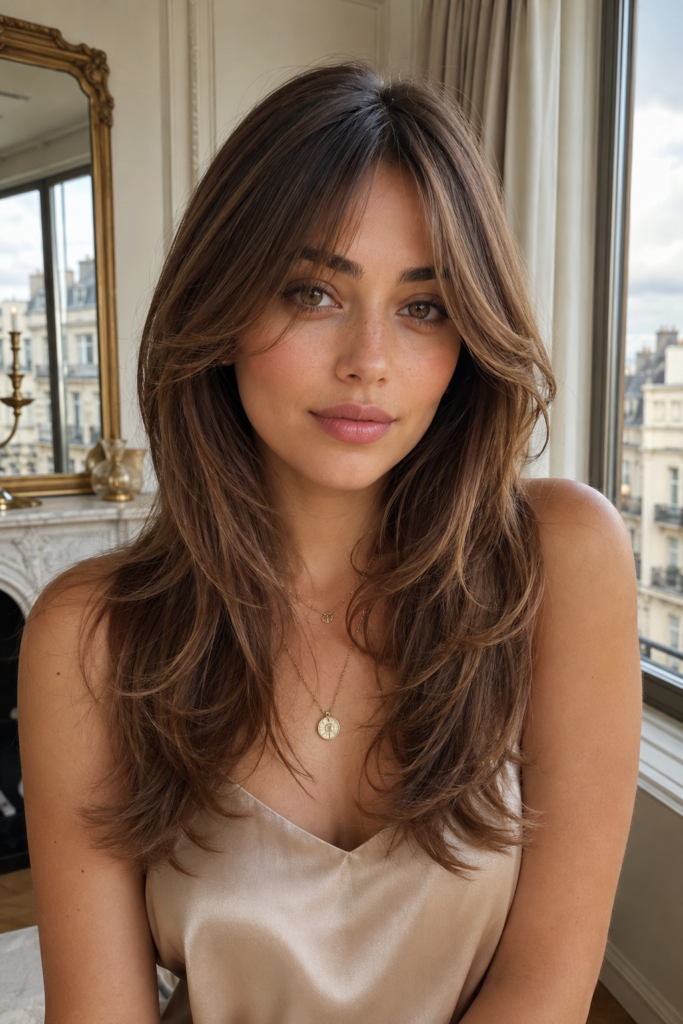
Curtain bangs and face-framing layers create one continuous shape around the entire face.
Shorter center pieces open around the eyes before extending toward the cheeks and jaw.
The length and density can be adjusted to complement almost every facial shape.
Blow-dry both sides outward to emphasize the soft, sweeping transition between sections.
13. Wispy Fringe with Delicate Side Pieces
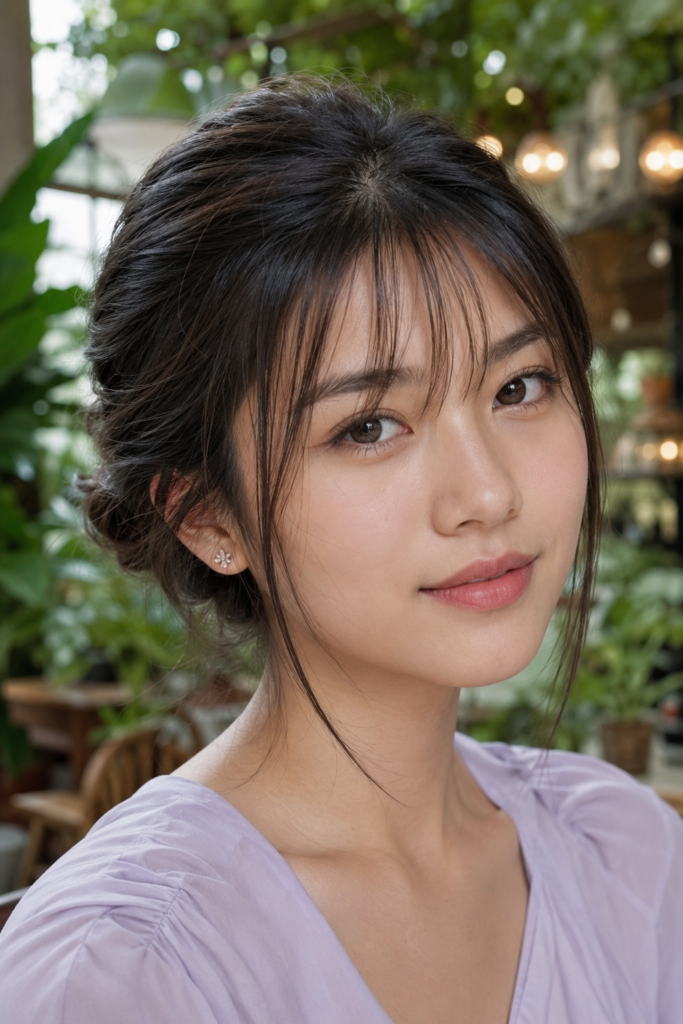
A light fringe paired with subtle side layers creates an airy and feminine frame.
This combination is particularly suitable for fine hair or anyone avoiding heavy bangs.
The wispy front should connect gently into the temples rather than ending abruptly.
Use minimal texturizing spray to preserve separation without making the delicate pieces feel dry.
14. Side-Swept Layers for a Softer Profile
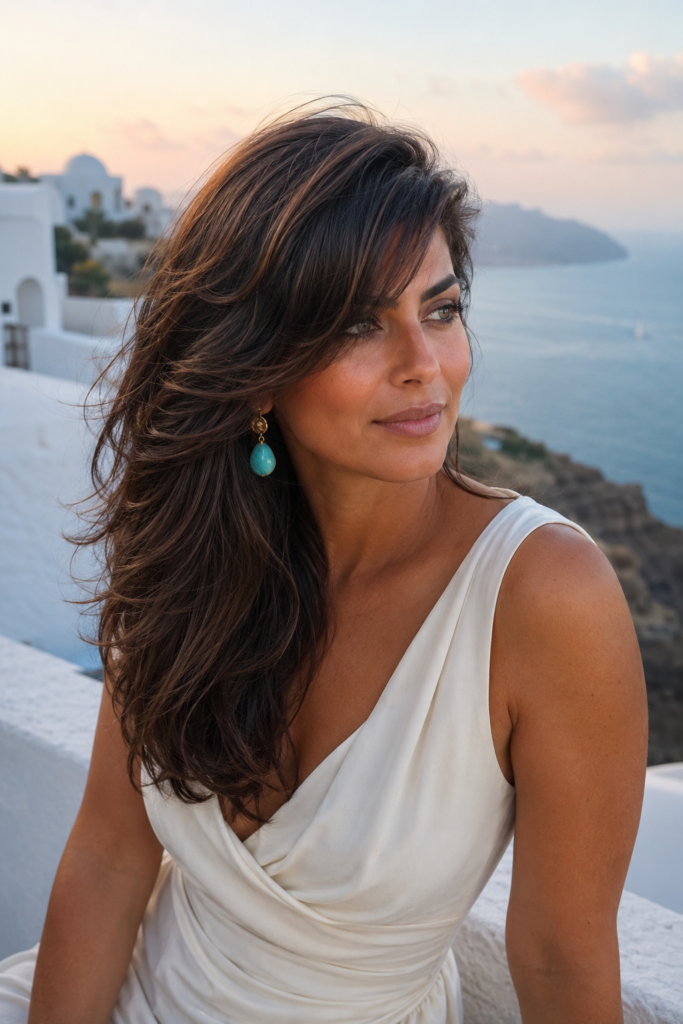
Side-swept layers create flattering diagonal movement across the forehead and upper face.
They can visually soften round, square, and heart-shaped facial structures.
The shortest section should sweep toward the temple before blending into longer layers.
Blow-dry it in the opposite direction first to establish volume and lasting shape.
15. A Symmetrical Middle-Part Layered Look
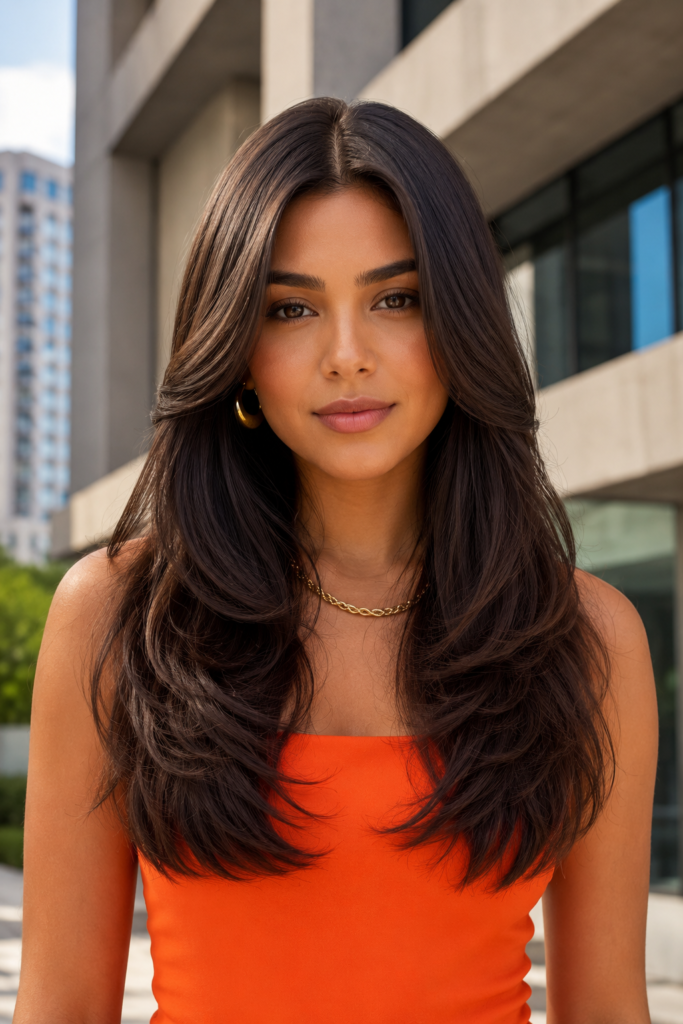
A middle part displays the face-framing sections evenly on both sides of the face.
This arrangement can lengthen round faces and emphasize the balance of oval faces.
The layers should appear coordinated without looking overly identical, rigid, or artificially symmetrical.
Direct both sides outward with a brush for a clean and contemporary finish.
16. Relaxed Layers with a Deep Side Part

A deep side part adds natural root lift and gives layered hair an effortless shape.
One side appears fuller, while the opposite side frames the face more delicately.
The asymmetry can balance uneven features and create volume in naturally flat hair.
Set the part with flexible hairspray so the movement remains soft and touchable.
17. Sleek Placement for Naturally Straight Hair
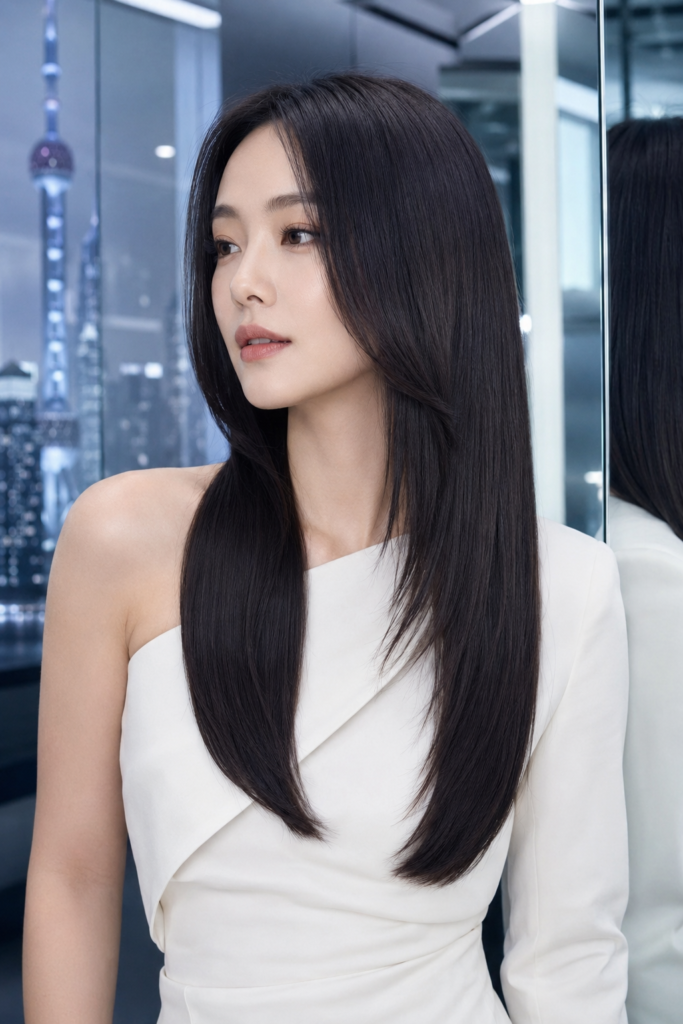
Straight hair displays every transition within a layered haircut clearly and precisely.
Gradual tapering is essential because disconnected pieces become particularly obvious on smooth hair.
Keep enough density through the ends to maintain a healthy and polished appearance.
A slight bend prevents the front sections from looking flat, stiff, or unfinished.
18. Loose, Lived-In Layers for Wavy Texture
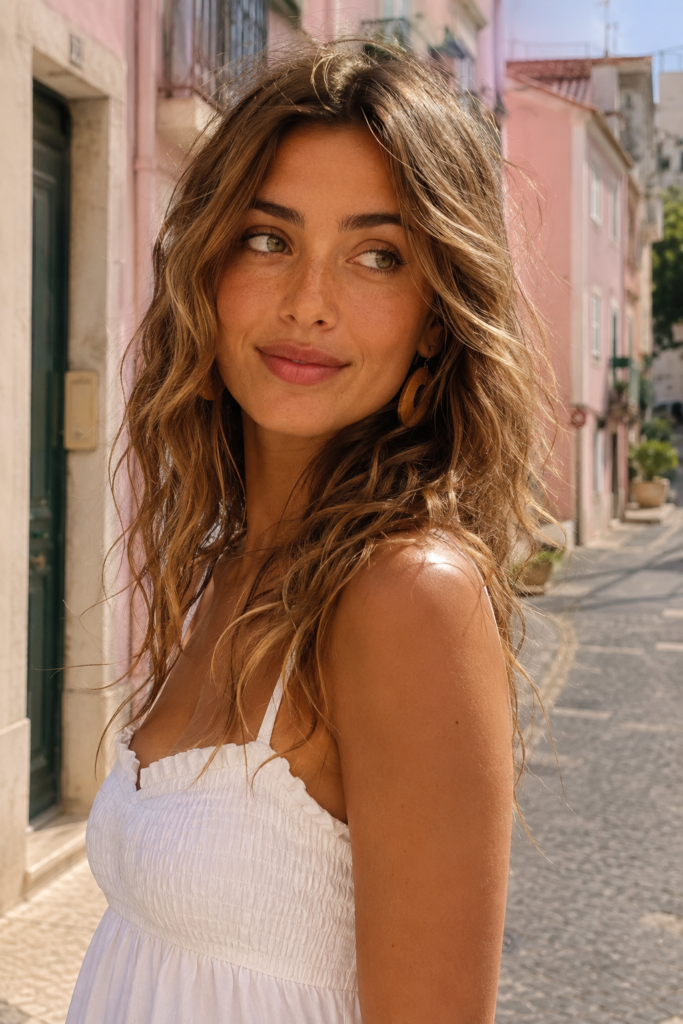
Natural waves give face-framing layers an effortless and softly romantic quality.
The haircut should follow the wave pattern rather than forcing every section into uniformity.
Because waves shorten while drying, the front pieces may require additional initial length.
Enhance their shape with lightweight mousse or cream instead of heavy smoothing products.
19. A Curly Frame That Celebrates Natural Volume
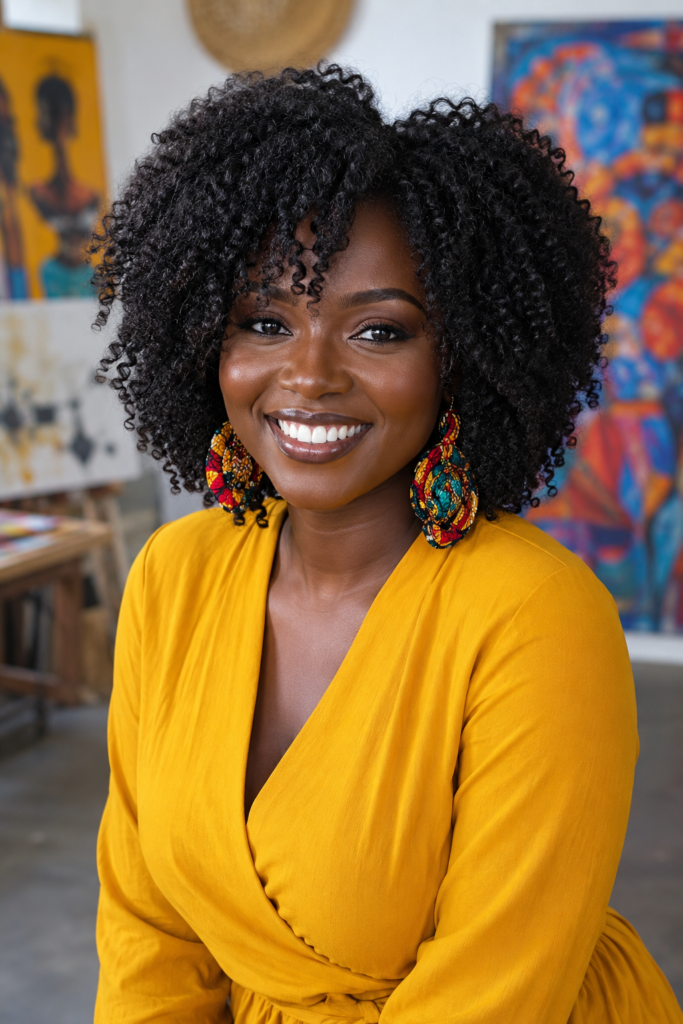
Curly face-framing layers shape the haircut while allowing natural texture to remain prominent.
Each curl should be considered individually because shrinkage varies throughout the front section.
Dry cutting helps reveal where the finished curls will sit around the features.
Apply curl cream or gel, then avoid brushing the hair after it dries.
20. Fine-Hair Layers That Create Fullness
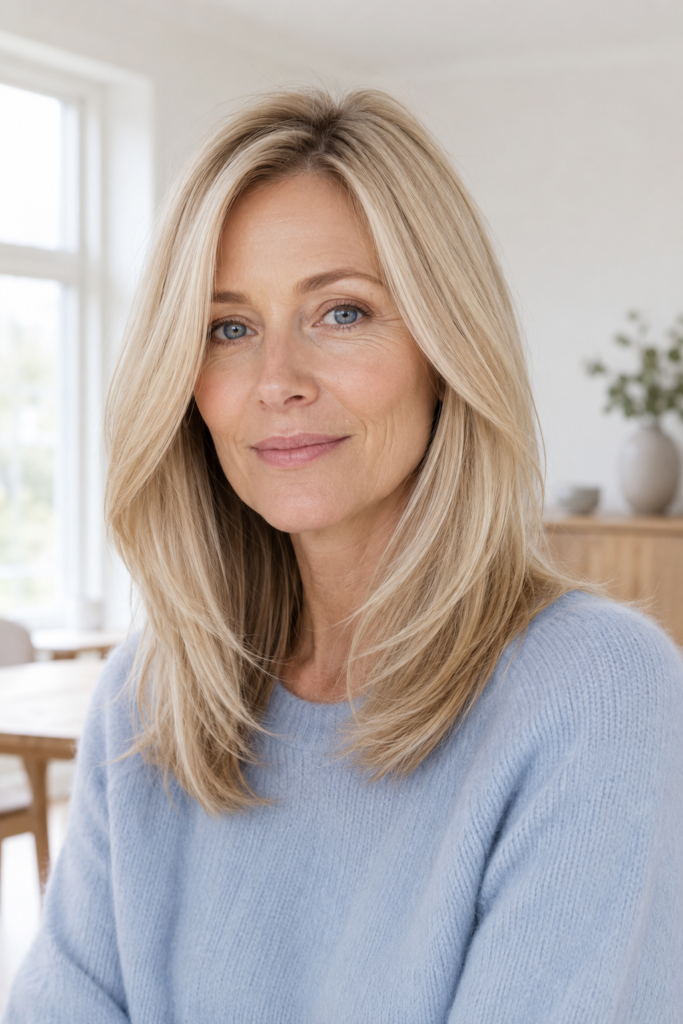
Carefully positioned front layers can make fine hair appear more dimensional and voluminous.
The layered section should remain shallow so overall density is not unnecessarily reduced.
A few softly blended pieces often look fuller than numerous short, separated layers.
Use volumizing mousse and gentle round-brush styling to create lightweight, lasting lift.
21. Weightless Front Sections for Thick Hair
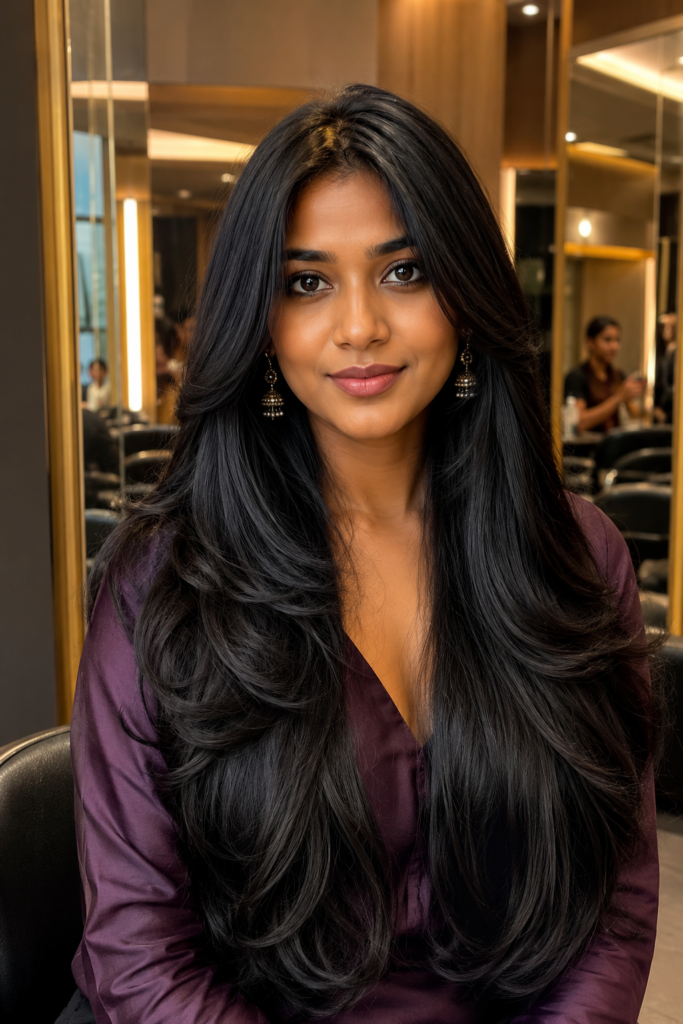
Thick hair benefits from front layering that removes heaviness and improves natural movement.
Internal shaping can reduce bulk while maintaining full, healthy-looking ends.
The pieces should connect gradually with the length instead of forming a bulky shelf.
Apply smoothing cream before blow-drying to control expansion while showcasing the layered structure.
22. A Polished Lob with Soft Front Movement
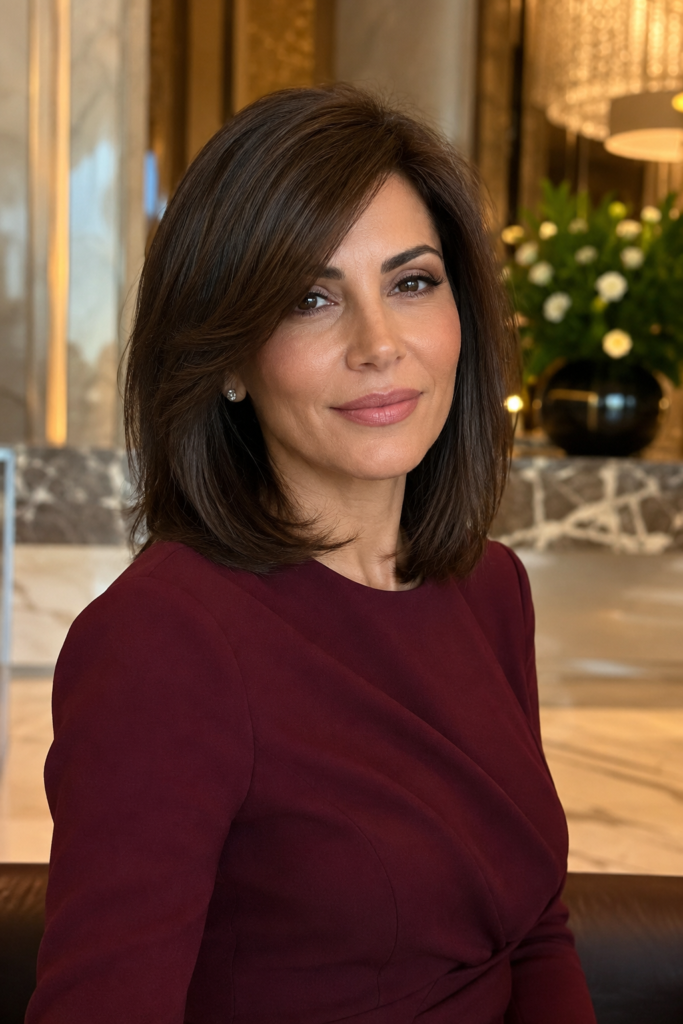
A long bob feels more dimensional when subtle layers are introduced around the face.
These pieces soften the structured perimeter and highlight either the cheekbones or jawline.
The combination particularly flatters oval, square, heart-shaped, and diamond-shaped faces.
Turn the ends inward for elegance or create waves for a more relaxed finish.
23. A Short Bob with Airy Definition
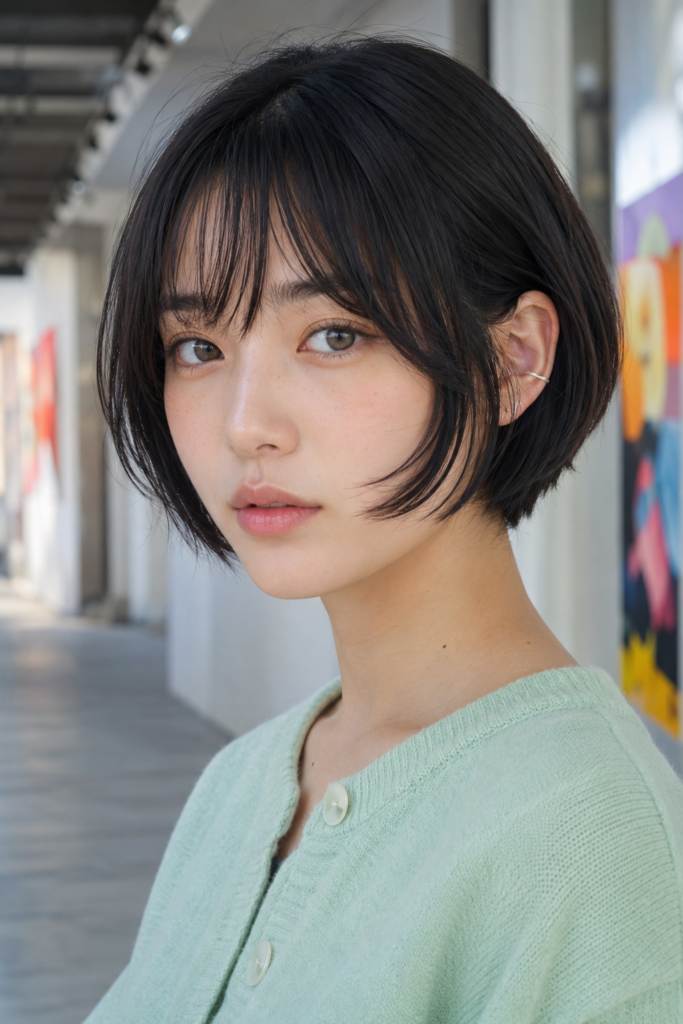
Light front sections can make a clean short bob feel softer and more modern.
Careful blending is essential because the fringe and overall length sit relatively close together.
The placement can soften a pronounced jaw or add width to a narrow face.
Use a smaller round brush to direct the short pieces away from the cheeks.
24. Shoulder-Length Hair with a Softer Outline

Shoulder-length hair gains personality when shorter sections interrupt its otherwise uniform front edge.
The layers introduce movement while keeping the haircut practical and easy to manage.
This adaptable length works beautifully with straight, wavy, curly, fine, and thick textures.
Choose a blowout for polish or tousled waves for an everyday finish.
25. Long Hair with a Sculpted Front
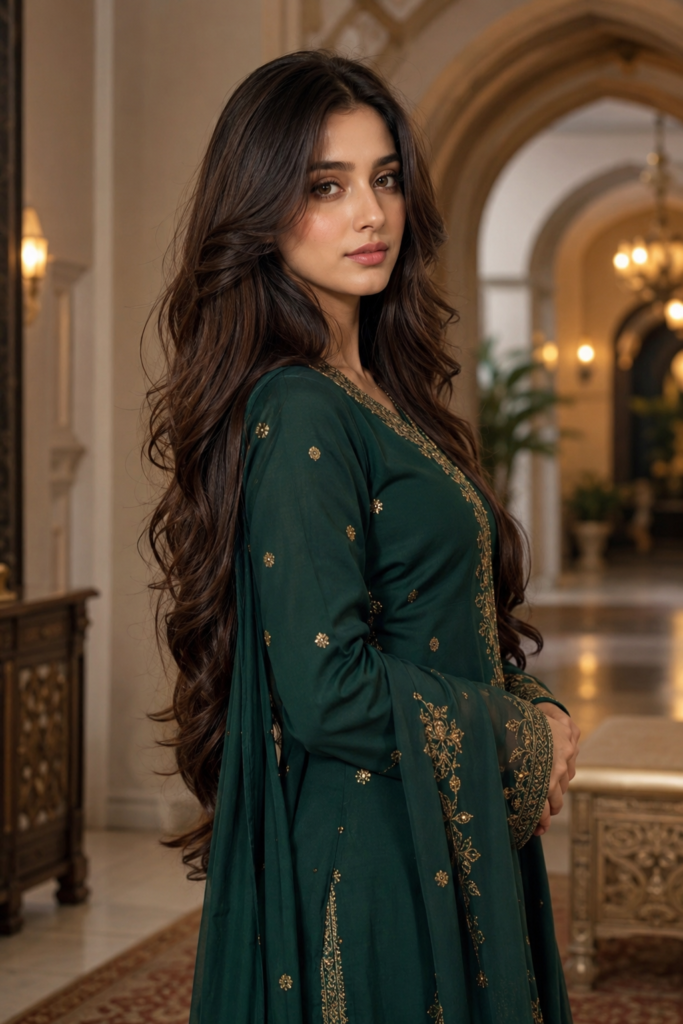
Long hair can appear heavy when it lacks visible shaping around the face.
Strategic front pieces introduce definition while preserving the dramatic length through the back.
They should descend gradually rather than ending suddenly near the chin or shoulders.
Large waves highlight the cascading structure and give the hairstyle a luxurious appearance.
26. The Butterfly-Inspired Transformation
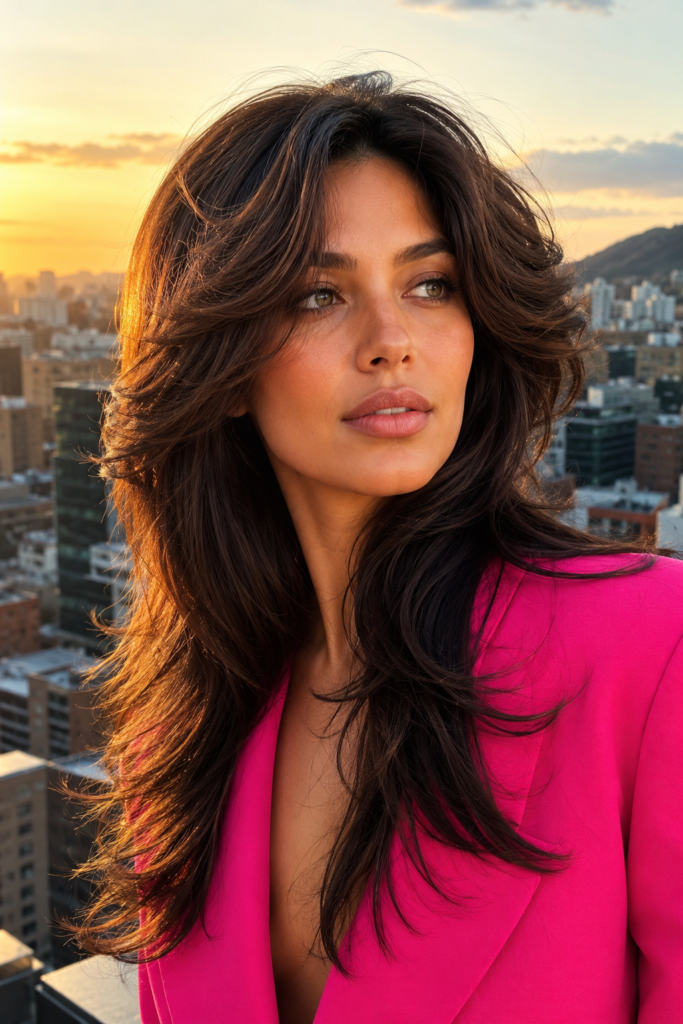
A butterfly cut combines shorter upper layers with long lower sections for dramatic movement.
The face-framing pieces connect both lengths and create the hairstyle’s signature flowing outline.
This cut suits medium and thick hair, especially on round, oval, and heart-shaped faces.
Use large rollers or round-brush styling to produce its lifted, sweeping finish.
27. A Modern Shag with a Softer Front
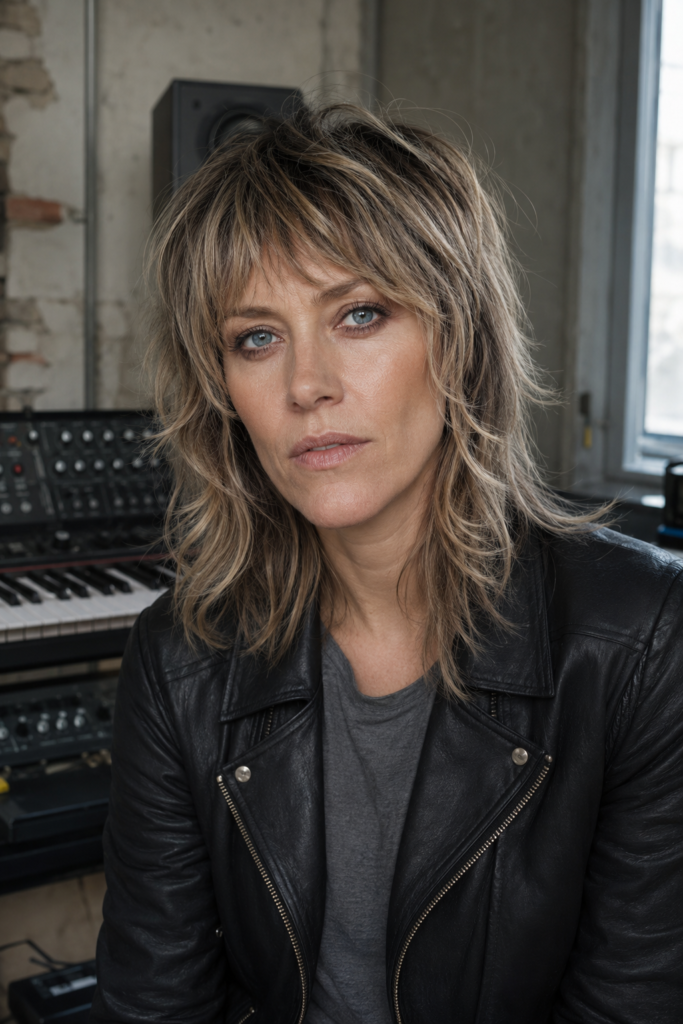
A shag naturally incorporates face-framing sections through its textured and layered structure.
Short pieces near the temples connect with the feathered crown and longer ends.
The shape can soften square features while adding width to a longer face.
Work in mousse or texture spray and style with your fingers for separation.
28. An Edgy Wolf Cut with a Wearable Frame
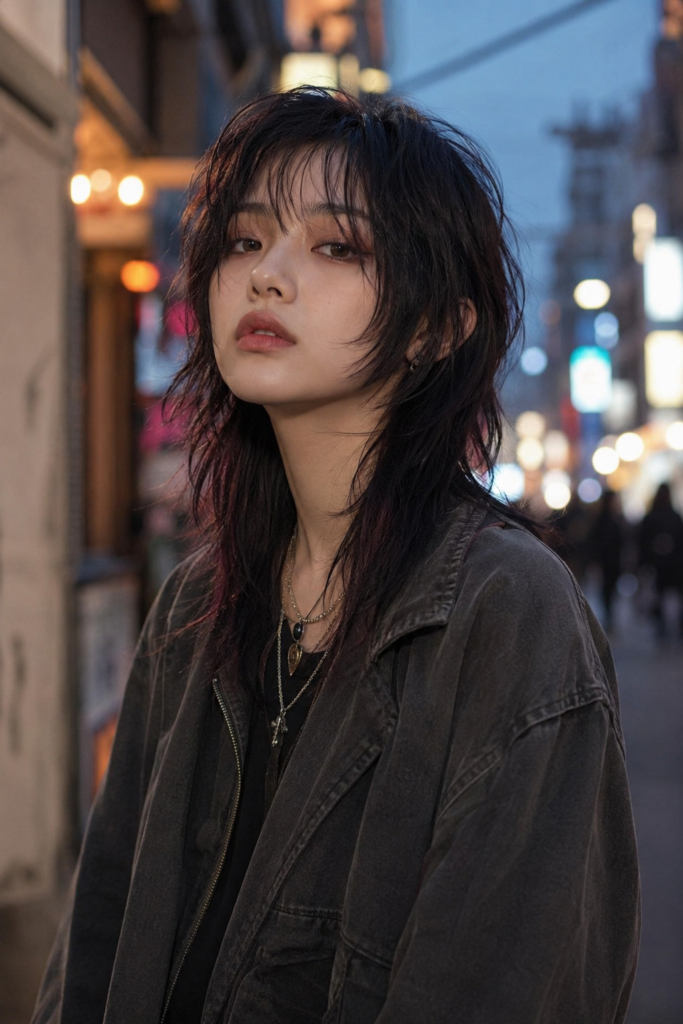
Front layers make the heavily graduated structure of a wolf cut easier to wear.
They connect the short crown with longer pieces falling around the shoulders and jaw.
The sections may be choppy, wispy, or uneven to complement the rebellious silhouette.
Scrunch the hair with texturizing product to emphasize its deliberately undone movement.
29. Retro Feathering with Modern Shine
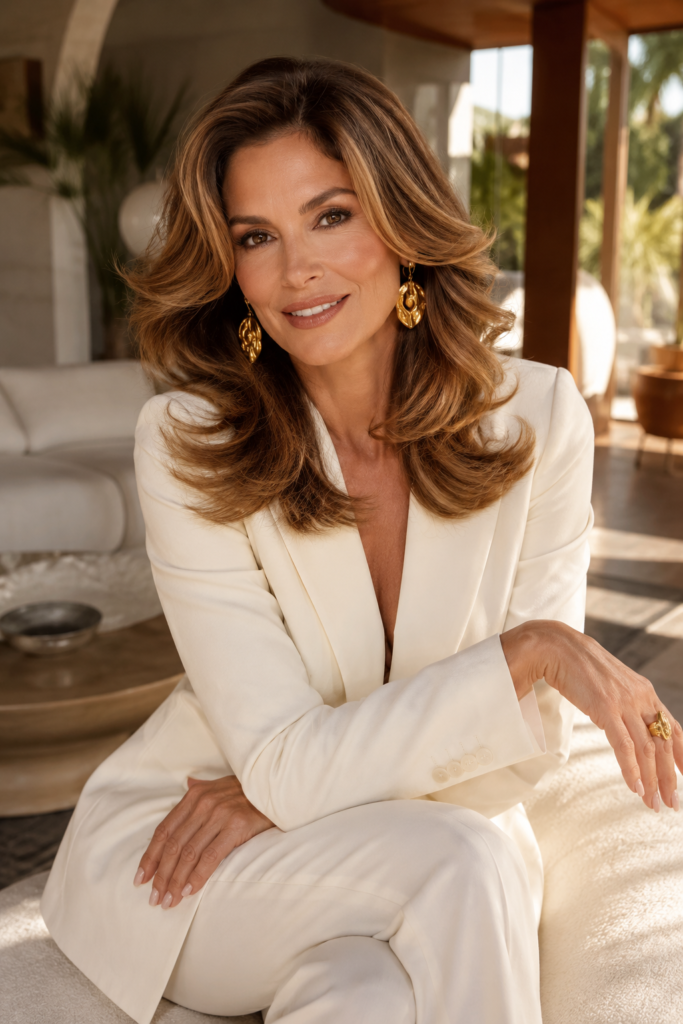
Feathered front layers sweep outward and create a light, flowing shape around the face.
Although the technique has retro influences, glossy styling makes it feel completely current.
It is particularly effective for softening square, rectangular, and diamond-shaped features.
Flick the ends outward with a brush and finish with lightweight shine spray.
30. Choppy Pieces for an Undone Finish

Choppy face-framing pieces deliver visible separation and a relaxed, fashion-forward texture.
They work especially well with shags, wolf cuts, layered bobs, and wavy hair.
The layers should look intentionally piecey rather than sparse, damaged, or randomly uneven.
Use dry texture spray and finger styling to maintain the casual definition.
31. Seamless Layers That Almost Disappear
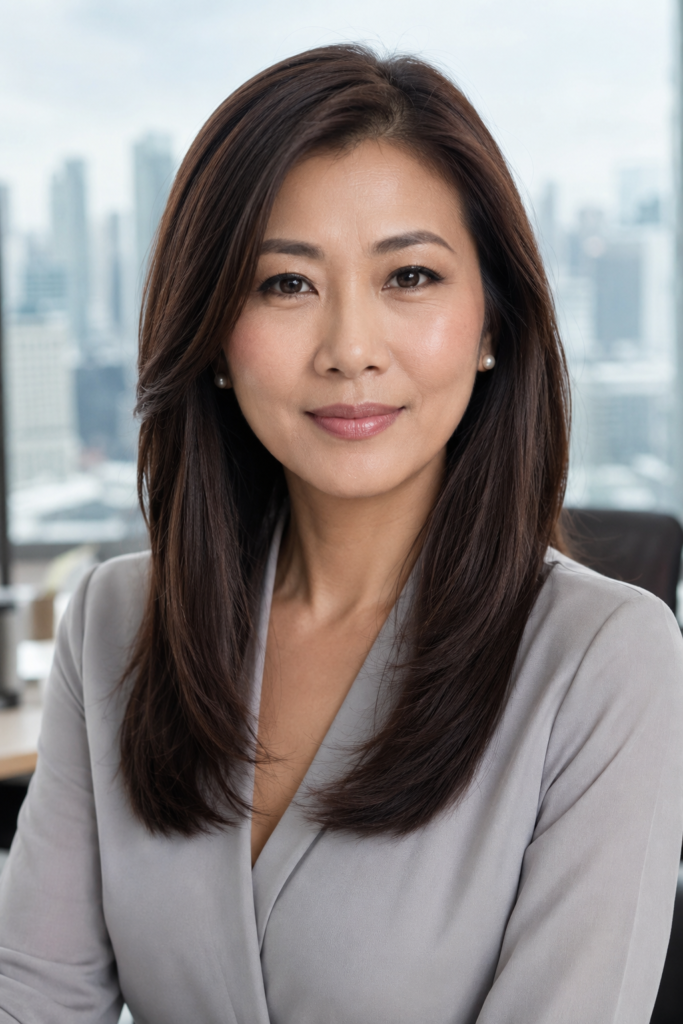
Blended front layers provide subtle movement without creating an obviously layered haircut.
They suit straight hair, fine textures, professional environments, and understated personal styles.
The transitions should be smooth enough to appear naturally shaped around the face.
A polished blowout reveals the structure while preserving the refined, minimal effect.
32. Romantic Waves That Showcase Every Layer
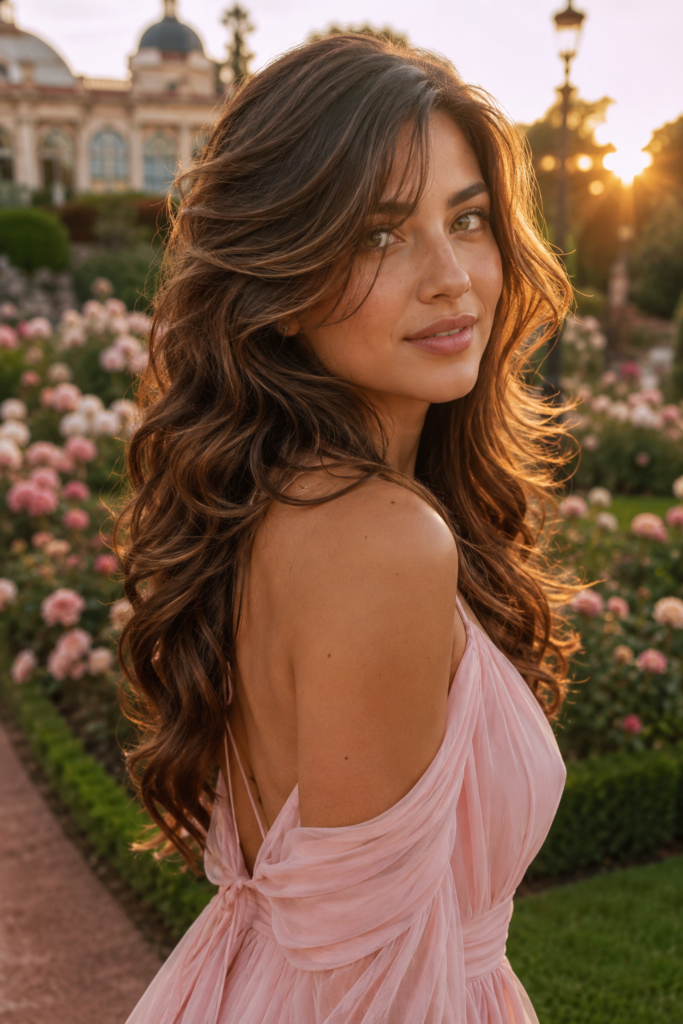
Loose waves reveal the dimension of face-framing sections and create a romantic finish.
The shortest pieces should curve in the same direction as the surrounding waves.
Wave placement can be adjusted to create width, length, or stronger cheekbone definition.
Use a large curling tool, let the hair cool, and brush through gently.
33. A High Ponytail with Soft Loose Pieces
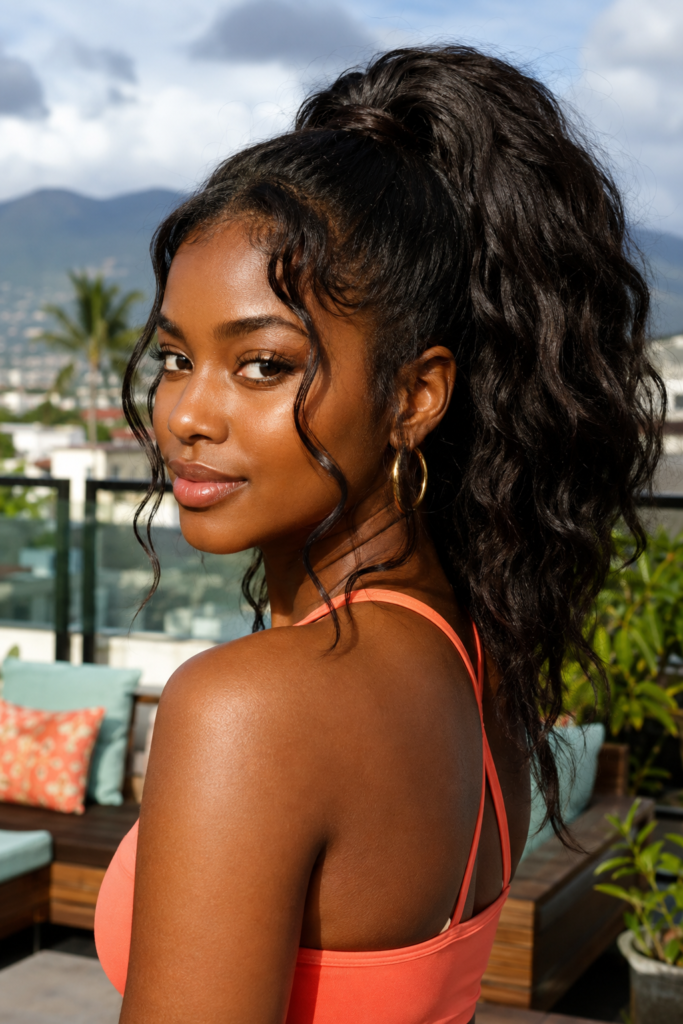
Face-framing sections prevent a high ponytail from looking overly severe or athletic.
The loose layers add movement around the forehead, cheekbones, jawline, and neck.
This combination works for everyday styling, workouts, parties, and elegant evening occasions.
Shape the front first before securing the remaining hair into the ponytail.
34. An Elegant Low Bun with a Gentle Frame
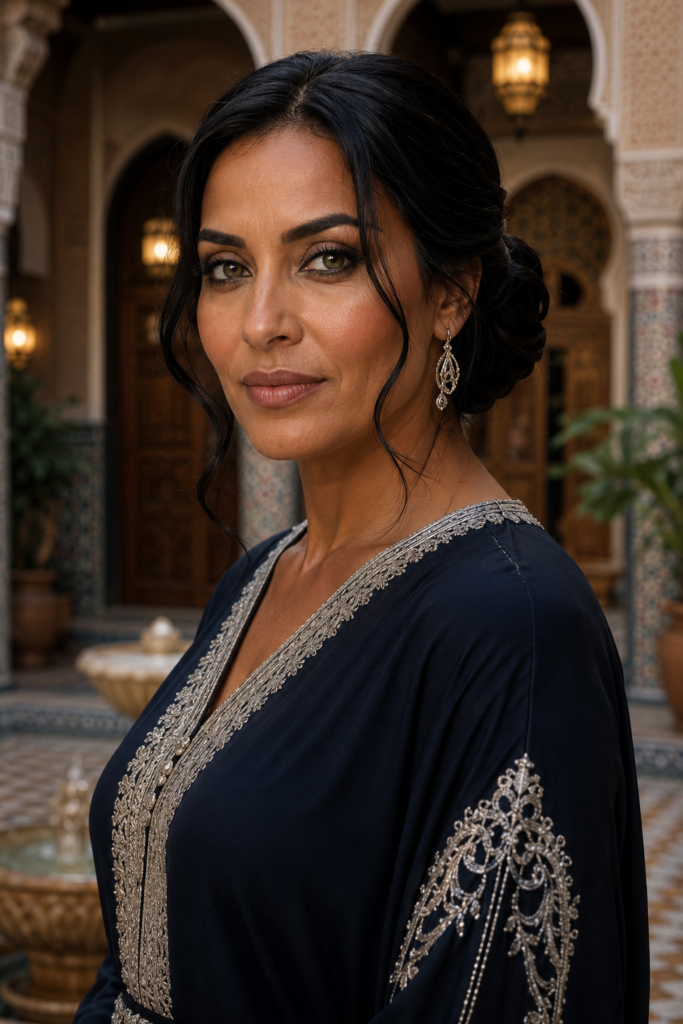
A low bun becomes softer when carefully selected layers remain loose around the face.
These pieces reduce the severity of pulled-back hair and flatter the facial outline.
Keep them smooth for formal styling or lightly waved for a romantic appearance.
Style the layers before creating the bun so their shape stays controlled.
35. Grown-Out Layers with an Easy Finish
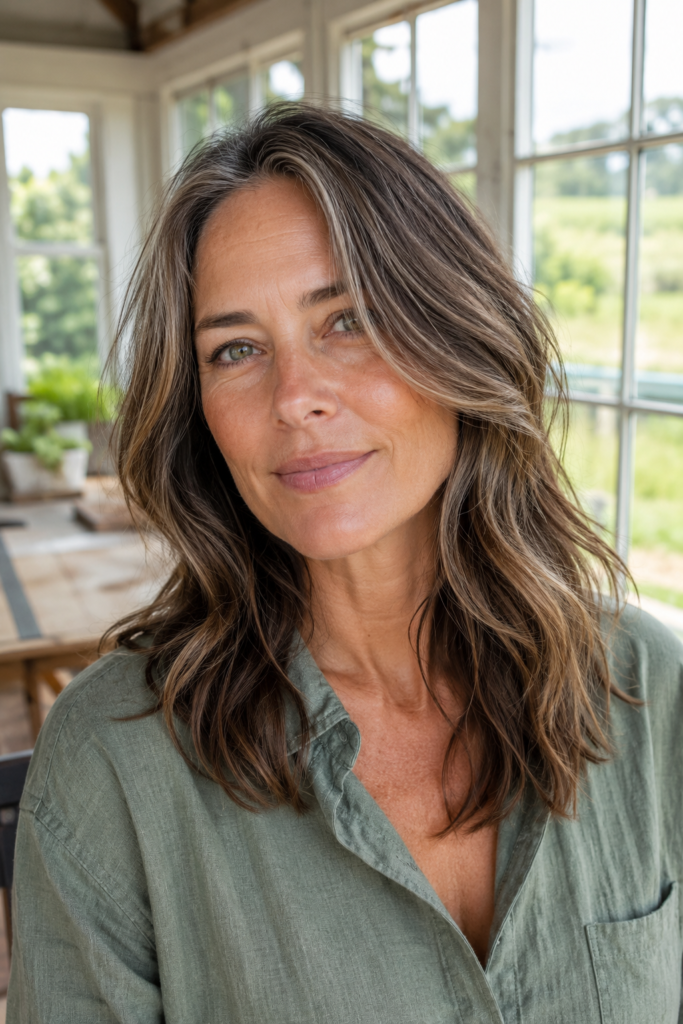
Grown-out front layers create a relaxed frame that blends naturally into longer hair.
They are ideal when transitioning from bangs or maintaining a low-effort haircut.
The shortest sections usually fall between the jaw and shoulders, adding subtle vertical movement.
Occasional trimming prevents heaviness and keeps the soft, intentional outline visible.
Choosing the Most Flattering Placement
Round faces generally suit longer pieces beginning below the cheekbones. This positioning creates vertical movement and reduces visual width around the middle of the face.
Square faces benefit from curved, feathered, or wispy sections. Gentle movement around the jaw helps balance angular features without concealing their natural definition.
Heart-shaped faces often look balanced with cheekbone, chin, or jaw-length layers. These placements add fullness around the narrower lower half of the face.
Long faces usually benefit from shorter sections that create width near the cheeks. Oval faces can experiment with almost every length and layering technique.
Styling Face-Framing Layers at Home
Begin with damp hair and apply a lightweight heat protectant. Avoid overloading the roots with oils or creams that may eliminate volume.
Work in small sections with a round brush, directing each piece away from the face. Allow the hair to cool in position before releasing it.
For waves, curl the front sections outward and vary the direction throughout the remaining hair. This prevents the finish from looking too uniform.
Complete the style with flexible hairspray, texture mist, or a small amount of serum. The finished layers should remain movable rather than stiff.
Keeping the Layered Shape Fresh
Face-framing layers usually require trimming every six to twelve weeks. Short cheekbone pieces need more frequent maintenance than longer jaw or shoulder-length sections.
Condition the front regularly because these pieces often receive the most heat styling. Healthy ends make the graduation appear smoother and more professionally finished.
At night, loosely clip or roll the front away from your face. Tight pins can leave unwanted bends that are difficult to restyle.
Bring reference images to your appointment while remaining open to customization. Your stylist should consider density, texture, shrinkage, parting, and facial proportions.
Frequently Asked Questions
Are face-framing layers suitable for every face shape?
Yes. Their length, density, starting point, and styling direction can all be customized.
Will face-framing layers make my hair look thinner?
Not necessarily. Careful placement can create movement and make fine hair appear fuller.
Which front layers are best for round faces?
Long sections beginning below the cheekbones help create a slimmer, elongated appearance.
What type suits a square face?
Curved, wispy, or feathered layers help soften a defined jaw and angular features.
Can face-framing layers work with curly hair?
Yes. Shrinkage and individual curl patterns simply need consideration during the haircut.
How frequently should the layers be trimmed?
Most styles benefit from reshaping every six to twelve weeks, depending on length.
Can I add layers without losing overall length?
Yes. Long front sections can transform the shape while preserving the main length.
Are face-framing layers difficult to style?
Long pieces are generally easy, while shorter sections may need quick daily shaping.
Do these layers work with ponytails and buns?
Yes. They soften updos and create flattering movement around the face and neck.
What should I request at the salon?
Identify the shortest desired point and ask for gradual blending into the remaining hair.
Final Thoughts
Face-framing layers can transform how a haircut sits around the features without demanding a major change in length. They introduce movement, softness, lift, and strategic definition.
The most flattering version should reflect your facial proportions, natural texture, hair density, and daily styling habits rather than simply copying a trend.
Long jaw-level sections offer a subtle, manageable update, while short cheekbone pieces create a bolder and more visible transformation.
From polished bobs and butterfly cuts to curls, shags, waves, and luxurious long hair, these 35 ideas provide inspiration for nearly every personal style.


