



Some mornings hand you five extra minutes. Others hand you none. Either way, your hair needs a plan that works with what you’ve got: your natural texture, your schedule, and whatever state your roots are in that day.
Simple hairstyles for women don’t require a stocked vanity or advanced technique. A sleek ponytail, a loose braid, or a twisted-up bun can look intentional in under five minutes once you know the small moves that make everyday hairstyles hold up through a full day of errands, meetings, or school runs. The right easy hairstyle isn’t the fanciest one, it’s the one you’ll actually repeat tomorrow.

This guide sorts quick hairstyles by how much time you have, what your hair texture does on its own, and how long or short your hair happens to be right now. Expect real technique cues, not just a list of pretty pictures.
Choose a Style That Fits Your Morning
The fastest way to pick a hairstyle is to match it to your hair’s current state, not to a look you saw online. Fresh-washed hair, second-day hair, and air-dried natural waves each respond differently to the same style, so knowing what you’re working with saves you from redoing a ponytail three times before work.
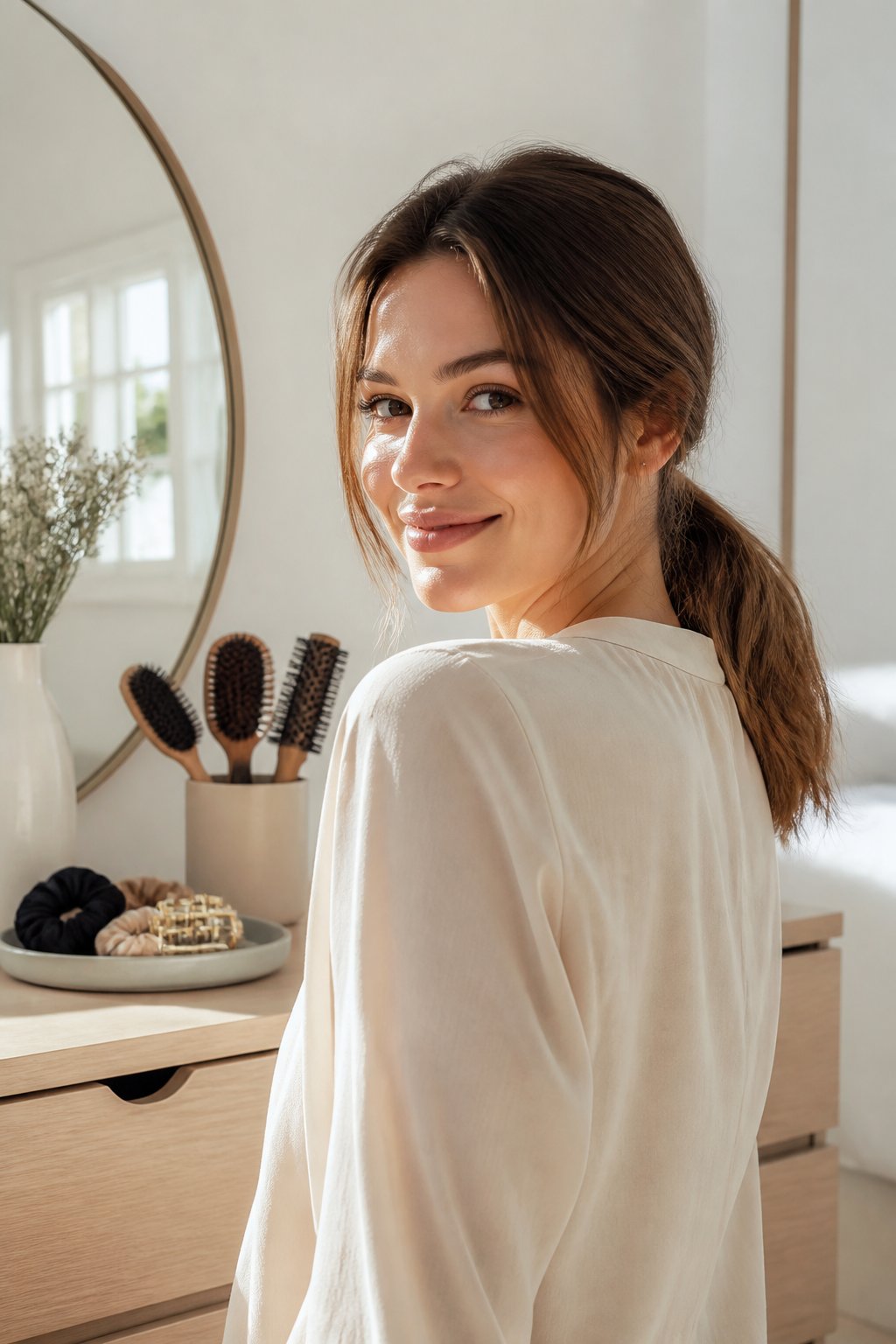
The Five-Minute Style Decision
Start by checking two things: how much grip your hair has right now, and whether you need it off your face or just neatened up. Fine hair with fresh product tends to slip out of loose styles, while thick or wavy hair holds twists and buns with almost no effort.
If you’re short on time, pick a style with one or two steps rather than one built from multiple sections. A low ponytail or a claw clip twist takes seconds; a braided updo takes practice you may not have this morning.
Start With Fresh, Second-Day, or Air-Dried Hair
Second-day hair is often easier to style than freshly washed hair because it has grip. Fresh-washed strands can be slick and slide out of elastics, so a light mist of texture spray or dry shampoo at the roots gives buns and ponytails something to hold onto.
Air-dried natural waves need the least intervention. Scrunch in a small amount of styling cream while damp, then leave the pattern alone until it’s time to twist it up or clip it back.
How to Make an Easy Look Feel Polished
Polish comes from smoothing the surface, not from adding more steps. Smooth flyaways along the part with a dry hand or a touch of serum, tuck loose ends behind the ears, and pull a few face-framing pieces free for softness. A blowout look isn’t required. A neatly smoothed section at the crown does more for a put-together appearance than any single product, as outlined in this roundup of effortless everyday hairstyles.
Fast Styles You Can Do Yourself
These six styles cover the everyday basics: ponytails, buns, twists, and braids that take five minutes or less once you’ve practiced them a couple of times. Each one works with hair ties, a claw clip, or bobby pins you likely already own.
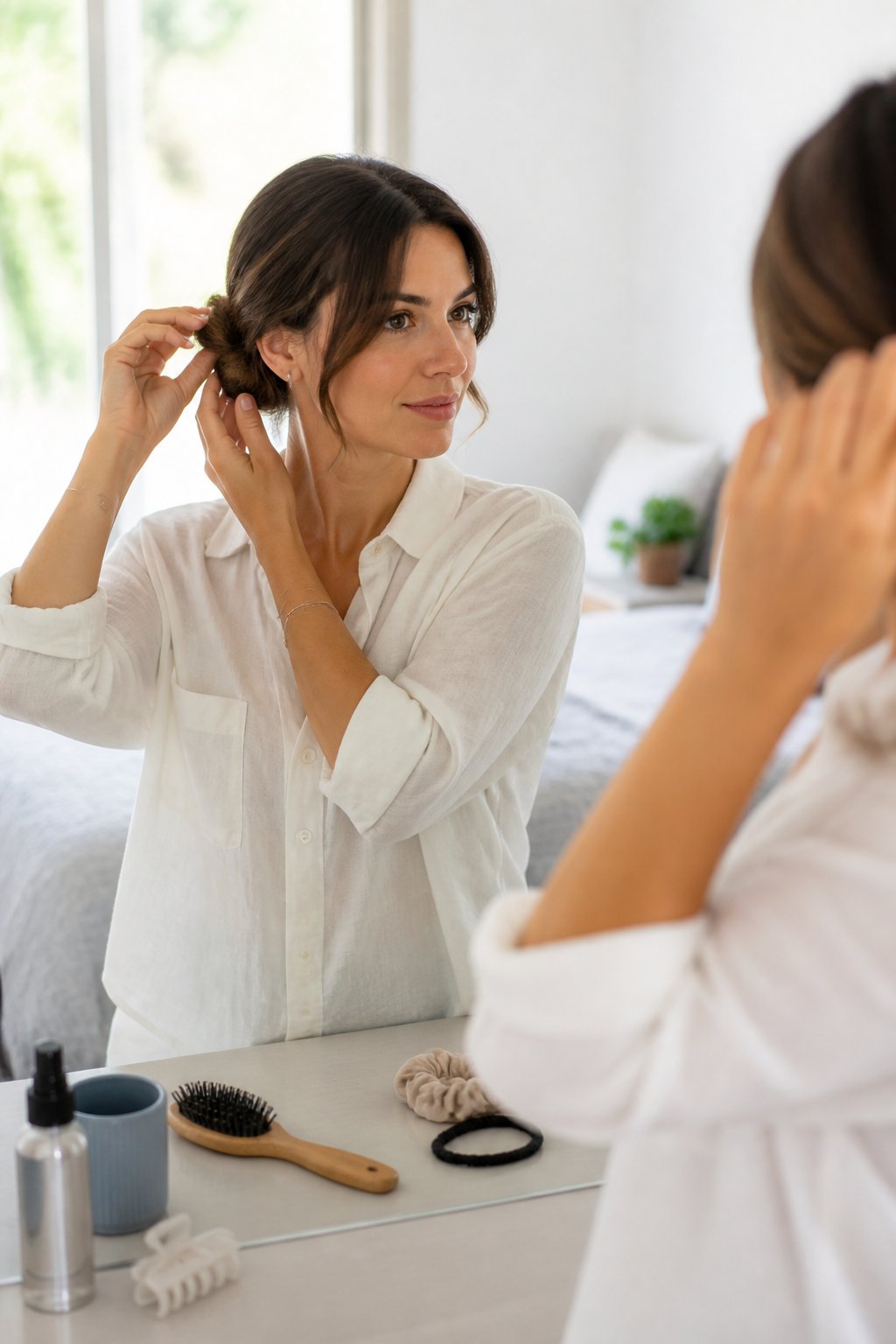
Sleek Low Ponytail
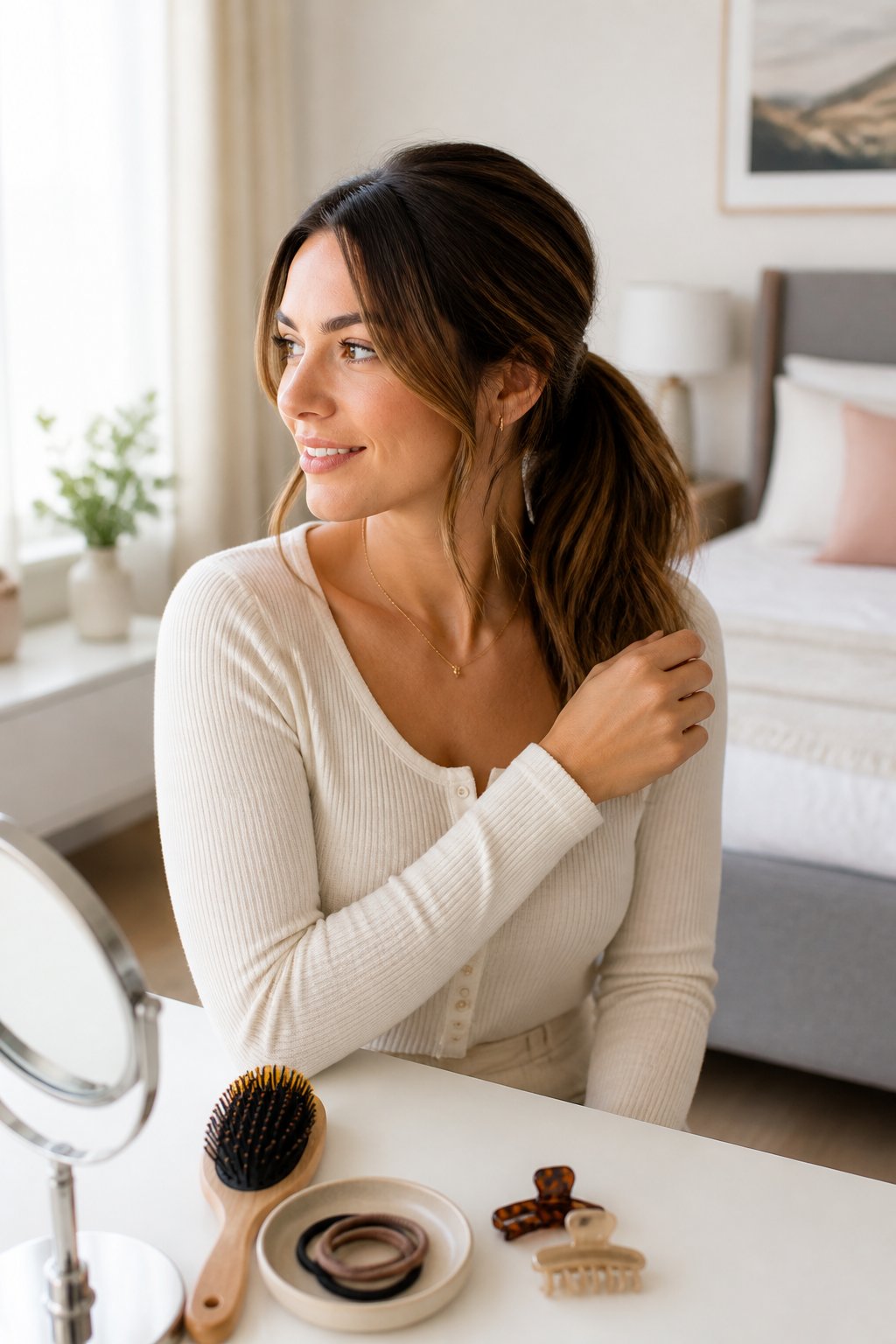
Brush your hair back smoothly and secure it at the nape with a hair elastic, then wrap a small section around the base to hide the tie. For a sleeker finish, run a tail comb through the front sections first and set flyaways with a touch of gel before pulling everything back. This style is one of the fastest options for quick everyday looks because it requires no sectioning.
Messy Bun and Low Bun
Gather hair into a high or low ponytail, twist the length loosely, and wrap it around the base before securing with bobby pins. Leave a few pieces loose at the crown for a lived-in look, or pull the bun tight and smooth for a low bun that reads more formal. A low bun with a twist adds shape by crossing two twisted sections before pinning them together.
The Claw Clip Twist
Twist a section of hair at the crown and clip it with a claw clip, letting the rest of your hair fall loose underneath. This works especially well on second-day hair since the twist needs a bit of grip to stay put. It takes under a minute and instantly gets hair off your face.
Half-Up Twist
Take two small sections from either side of your part, twist them back, and cross them at the back of your head before pinning or securing with a small elastic. This keeps length down while still lifting hair away from your face, and it works on straight, wavy, or curly hair without flattening natural volume.
Bubble Ponytail
Gather hair into a ponytail, then add small elastics every two to three inches down the length, gently pulling the sections between each tie to create a bubble effect. It looks more elaborate than it is and takes about three extra minutes over a standard ponytail.
Simple Side Braid
Gather your hair over one shoulder, split it into three sections, and braid down to the ends before securing with a small elastic. Loosen the braid slightly by tugging at the edges for a softer, fuller look that holds through a full workday.
Easy Braids and Soft Styles With Movement
Braids and loose waves add texture without demanding advanced skills, and most of the styles below start from the same basic three-strand technique. Once you’re comfortable with a simple braid, French braids, Dutch braids, and crown styles are variations on that same foundation.
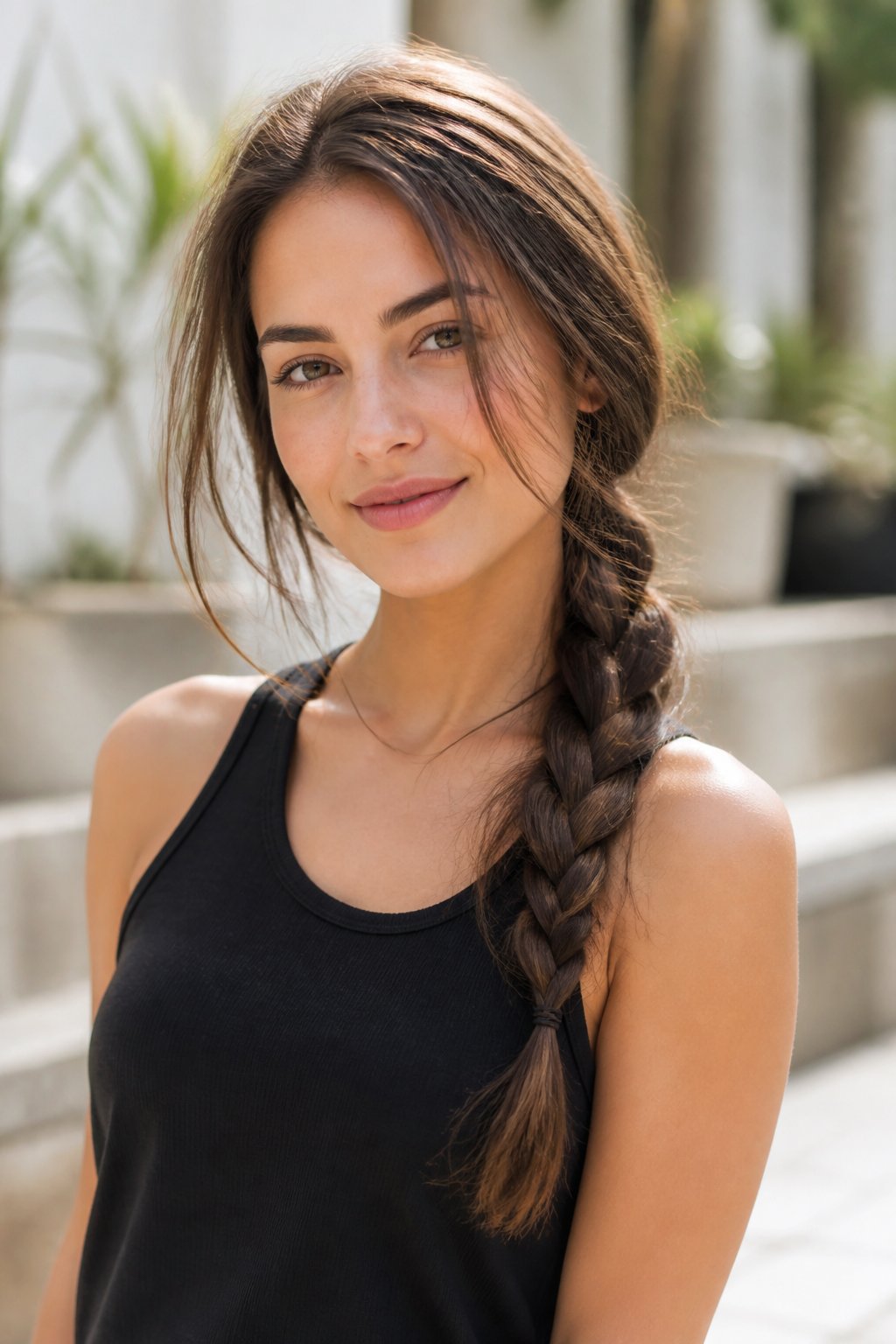
The Three-Strand Braid
Split a section into three even parts and cross the outer strands over the middle one, alternating sides as you work down. Keep tension consistent so the braid doesn’t look lopsided, and secure the end with a small elastic. This single technique underlies most of the simple braided styles worn for everyday wear.
French and Dutch Braids for Beginners
A French braid adds hair into the braid from the top down, crossing strands over each other as you go. A Dutch braid uses the same add-in method but crosses strands under instead of over, which makes the braid sit on top of the hair rather than blending into it. Both take practice at the hairline, so start slow and use a mirror until the motion feels natural.
Pigtails and Double Braids
Split hair into two even sections at the crown, then braid or leave each side loose depending on the look you want. Symmetry matters more than tightness here. A center part that’s slightly off will throw off the whole style, so check your part before securing each side.
Crown Braid and Twisted Crown
A crown braid wraps a braided section around the head like a halo, pinned in place with bobby pins hidden underneath. A twisted crown uses two rope twists instead of a full braid for a faster, looser version of the same idea. Both keep hair fully off your face for warm days or workouts.
Loose Waves and Beach Waves
Loose waves and beach waves work best on hair with natural texture, since you’re enhancing an existing wave pattern rather than creating one from scratch. Twist small sections and let them air-dry, or scrunch in a texturizing spray on damp hair for soft waves with minimal heat. Face-framing layers catch the wave pattern first, which is why they often look more textured than the rest of the head.
Adapt the Look to Your Length and Texture
Hair length changes which styles work, and texture changes how long they last. Long layers hold braids and twists easily, medium lengths handle nearly every style in this guide, and short cuts need texture-focused tricks instead of length-dependent ones like buns.
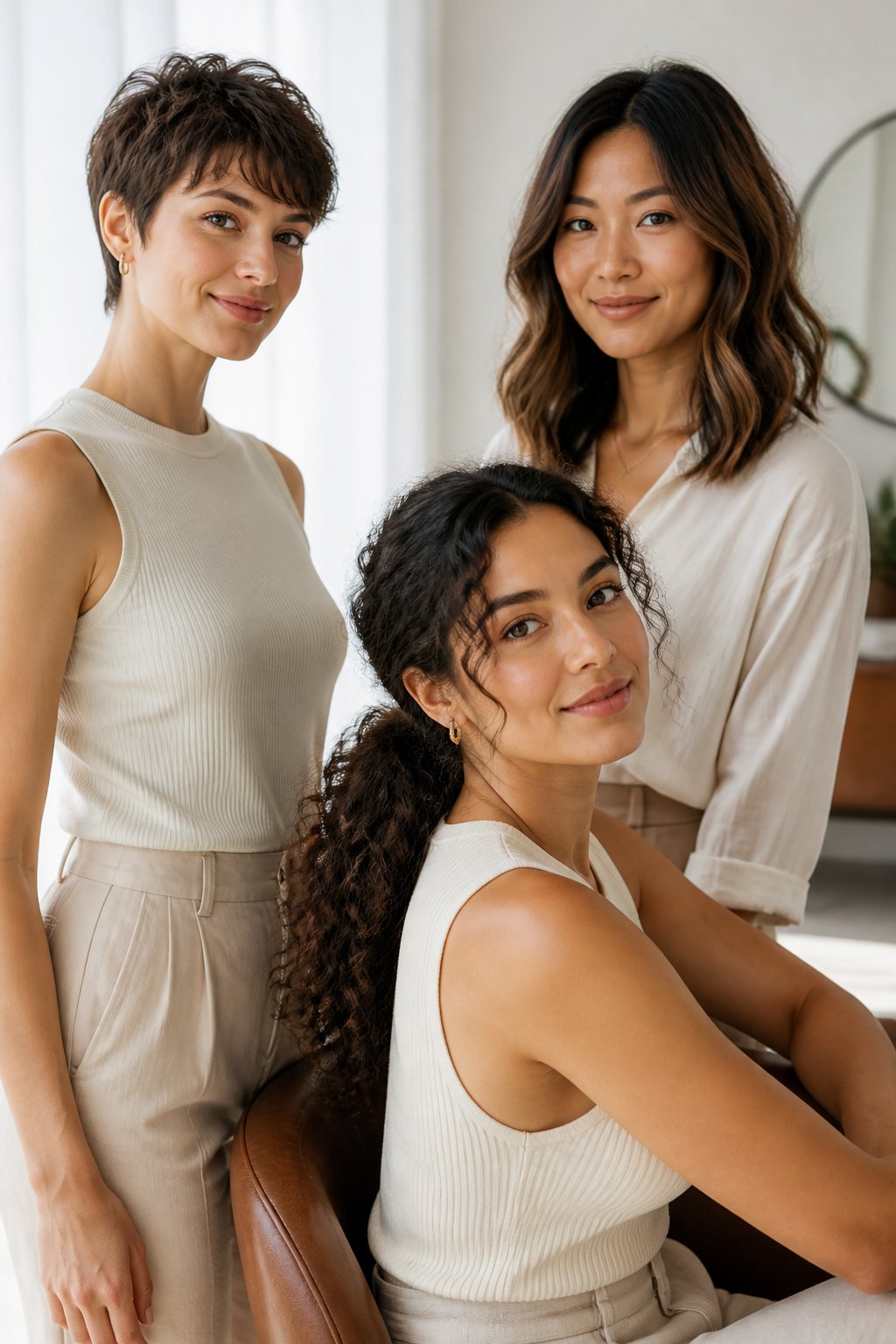
Options for Long Layers
Long layers give you the most flexibility, since there’s enough length for buns, braids, and ponytails at multiple heights. Textured layers and feathered ends add movement to a low ponytail without extra styling, and a simple braid down the back keeps long hair contained on windy or humid days.
Easy Looks for Medium-Length Hair
Medium-length hair handles most of the styles in this guide with one adjustment: expect shorter buns and slightly looser braids since there’s less length to work with. A half-up twist or claw clip works particularly well here, since medium hair often has just enough weight to hold a twist without a full ponytail.
Short Hair, Bobs, and Pixie Cuts
A chin-length bob styles fastest with a simple tuck behind the ears and a light texturizing spray at the roots. Pixie cuts and textured pixies rely on product more than technique, working a small amount of styling cream through damp hair to define pieces rather than attempting a traditional updo. Micro bangs need their own attention. A tail comb and a touch of gel keep them from separating awkwardly through the day.
Building Volume in Fine Hair
Fine hair falls flat fastest at the roots, so volume comes from lifting hair while it dries and using dry shampoo at the crown before styling. A high ponytail or top knot adds height instantly, and back-combing lightly at the crown before securing a style keeps it from looking flat by midday.
Controlling Bulk and Defining Thick or Curly Hair
Thick or curly hair holds styles well but can feel heavy in low buns or ponytails, so a higher placement reduces strain on your neck and keeps the style from sagging. Curly hair benefits from twisting sections while damp rather than brushing them dry, since brushing dry curls disrupts the natural pattern and adds unwanted volume rather than definition.
The Small Details That Help Styles Last
Styles fall apart from the wrong tools, not the wrong technique, so having a few reliable basics on hand makes a bigger difference than any complicated method. A paddle brush, a tail comb, bobby pins, and a couple of hair elastics cover almost everything in this guide.
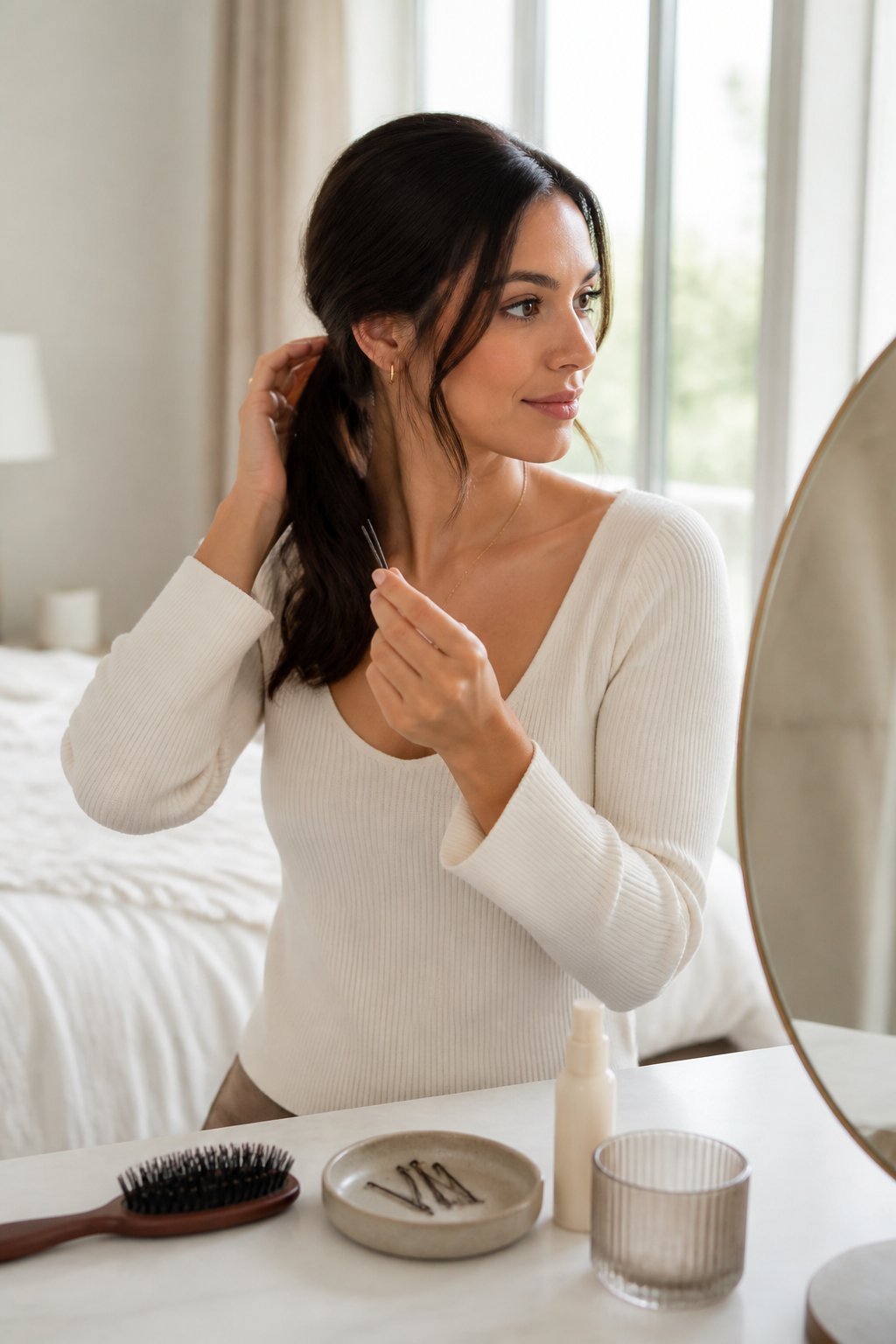
Essential Brushes, Pins, and Elastics
A paddle brush smooths hair before a sleek ponytail or bun, while a tail comb creates clean parts for braids and half-up styles. Keep bobby pins in a color close to your hair shade so they blend in rather than stand out, and choose fabric-covered hair elastics over thin rubber ones since they grip better and pull less.
Products for Grip, Smoothness, and Hold
Dry shampoo and texture spray add grip to slippery, freshly washed hair so buns and twists actually stay put. Smoothing serum and styling cream tame frizz and define waves without stiffness, while hairspray locks a finished style in place for the day. Leave-in conditioner keeps strands soft enough to restyle the next morning without feeling coated in product.
Use Accessories Without Pulling or Breakage
Claw clips and scrunchies protect hair better than thin elastics, since they distribute tension across a wider surface instead of concentrating it in one spot. Silk scrunchies in particular reduce breakage and creasing compared to standard elastic ties, which matters if you’re wearing the same low ponytail most weekdays. Position clips and ties slightly differently each day to avoid stressing the same section of hair repeatedly.
How to Tame Flyaways Without Stiff Hair
Flyaways smooth out fastest with a small amount of smoothing serum rubbed between your palms and pressed lightly along the hairline. A dry toothbrush or spoolie with a touch of hairspray also works for stubborn short pieces near the part. Skip heavy gel for this step. It controls flyaways but can leave hair looking wet or crunchy instead of simply neat.
Build a Rotation of Looks You Will Actually Wear
The best hairstyle routine isn’t the one with the most options, it’s the handful of easy hairstyles you can execute without thinking on a rushed morning. Pick two or three quick hairstyles from this guide (one ponytail-based, one braid-based, one twist or clip style) and practice each one until it takes under five minutes.
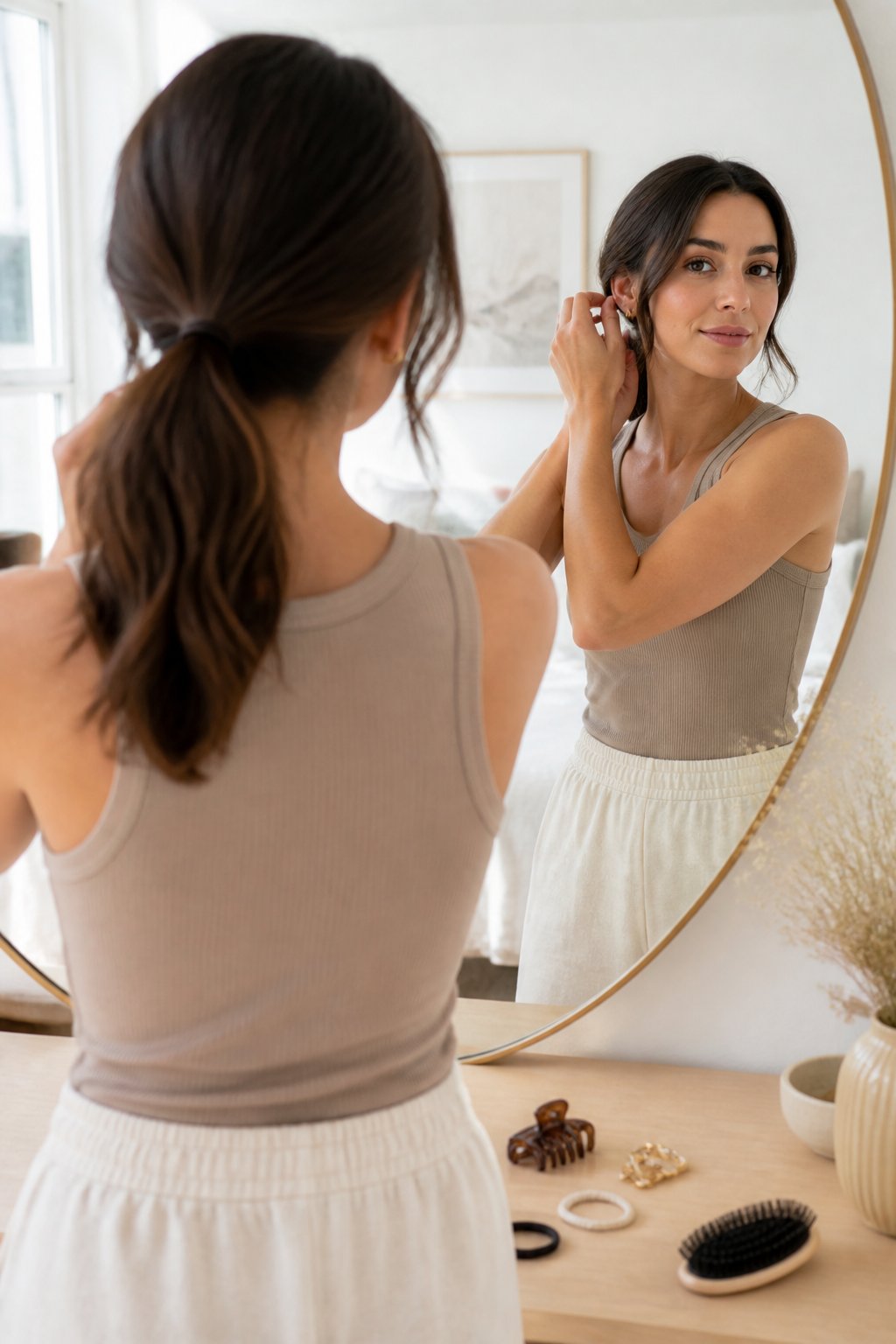
Rotating a small set of everyday hairstyles also protects your hair, since repeating the exact same part or ponytail placement daily can stress the same strands over time. Alternate a low ponytail one day with a side braid or claw clip twist the next, and save more elaborate simple hairstyles for days when you actually have ten extra minutes. Comfort with a style comes from repetition, not from finding a single perfect look. Once your hands know the motion of a French braid or a twisted bun without a mirror, getting ready stops feeling like a project and starts feeling like a habit.
Frequently Asked Questions
What are some simple hairstyles I can do in my daily routine?
A sleek low ponytail, a messy bun, and a claw clip twist cover most daily needs and take under five minutes each. Keep a couple of hair ties and bobby pins within reach so you’re never digging through drawers before work.
What are the easiest hairstyles for long hair to do on yourself?
A three-strand braid down the back and a high ponytail are the fastest options for long hair, since there’s enough length to secure without much sectioning. A low bun with a twist also works well when you want hair fully contained for the day.
Which quick hairstyles work best for medium-length hair?
A half-up twist and a claw clip updo tend to work best on medium-length hair, since there’s enough length to twist and clip without slipping. Buns will sit smaller and braids a bit looser compared to longer hair, which is normal for this length.
How can I make a simple ponytail look more polished?
Smooth the surface with a paddle brush before securing it, then wrap a small section of hair around the base to hide the elastic. A touch of smoothing serum on the front sections controls flyaways without weighing the ponytail down.
What easy hairstyles help manage curly or wavy hair?
Twisting sections while hair is still damp and letting the curl pattern dry naturally works better than brushing curls out after they’ve dried. A half-up twist or a loose braid also controls curly or wavy hair without flattening the texture underneath.
How do I keep a bun or braid from falling out during the day?
Add a light texture spray or dry shampoo to the roots before styling, since freshly washed hair is often too slick for elastics to grip well. Bobby pins placed in an X pattern hold buns more securely than a single straight pin, and fabric-covered hair ties outlast thin rubber ones.


