



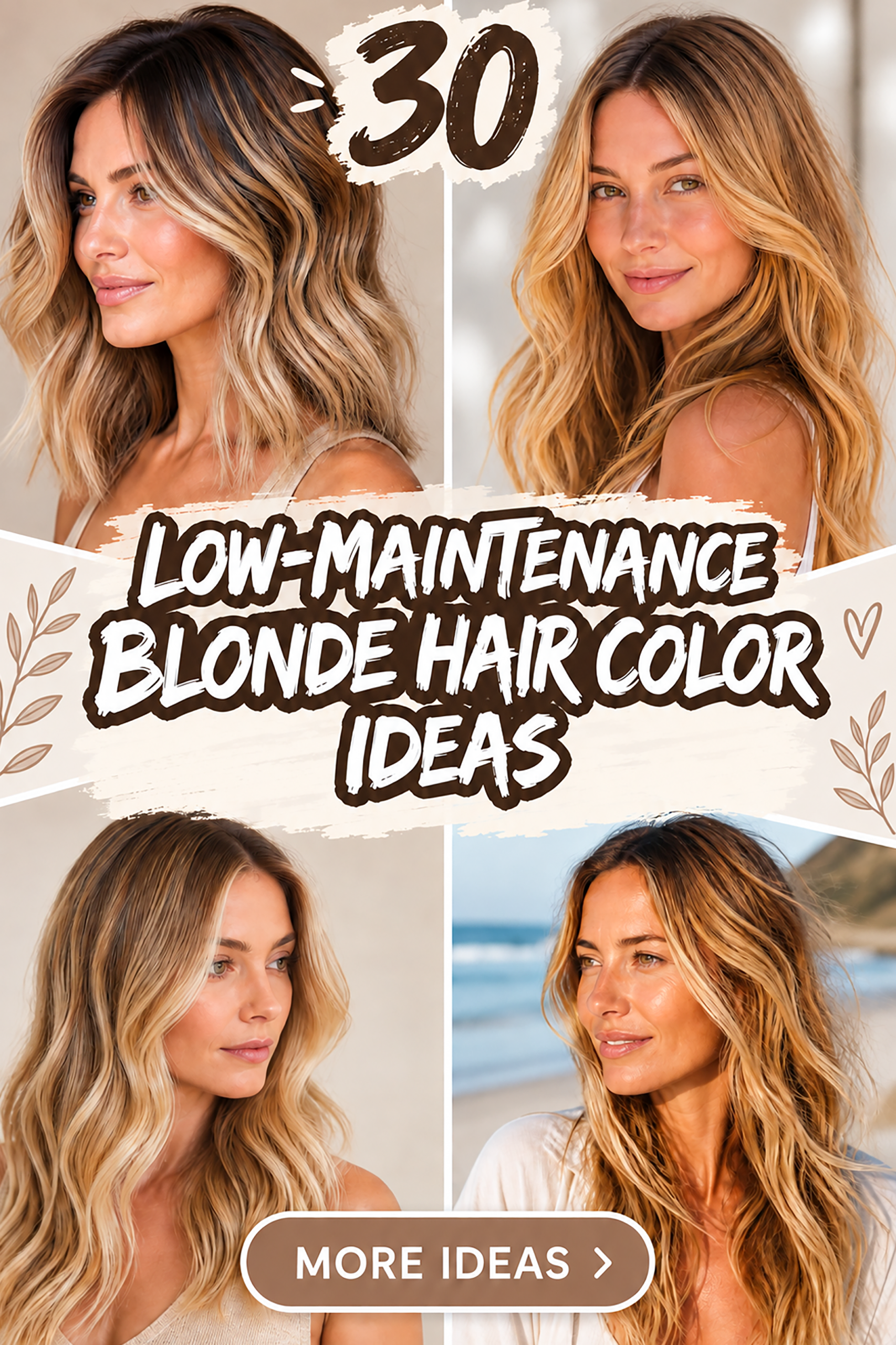
Going blonde doesn’t have to mean frequent salon visits or constant root touch-ups. With the right shade and color placement, blonde hair can grow out softly and still look polished for weeks between appointments.
Techniques such as balayage, root smudging, shadow roots, and face-framing highlights blend lighter tones into your natural base instead of creating a harsh line at the roots. This helps reduce visible regrowth, limits repeated lightening, and makes the overall color easier to maintain.
Explore 30 beautiful blonde hair color ideas designed for easier upkeep and softer grow-out. From icy platinum and cool beige to warm honey, caramel, and bronde, these looks offer plenty of inspiration for different hair tones, textures, and personal styles. Choose a shade that fits your natural hair color, skin tone, and the amount of maintenance you’re comfortable with.
1. Rooted Balayage Blonde
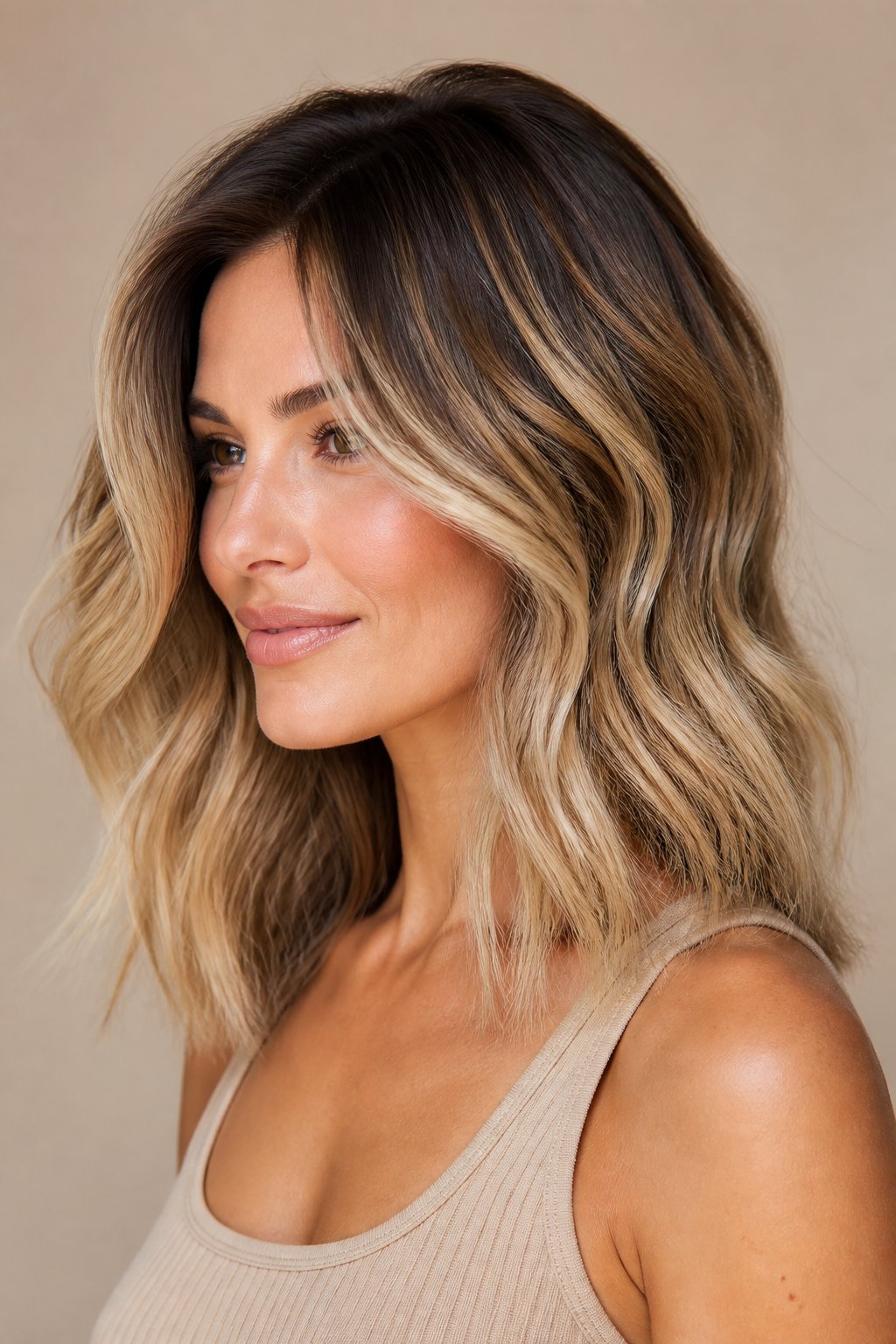

Rooted balayage keeps your natural shade close to the scalp and hand-paints lighter tones through the mid-lengths and ends. Because the color is swept on rather than applied in uniform sections, the transition from root to tip looks soft and sun-drawn rather than sharp or artificial.
This placement means new growth simply extends the shadow that was already built into the color, so there’s no jarring line to chase down every month. Most people can stretch appointments to twelve or even sixteen weeks without the roots looking like a mistake.
It works on nearly every base color, from dark brunette to light brown, which makes it one of the most requested low-maintenance formulas in the salon today.
2. Honey Blonde with Soft Root Shadow
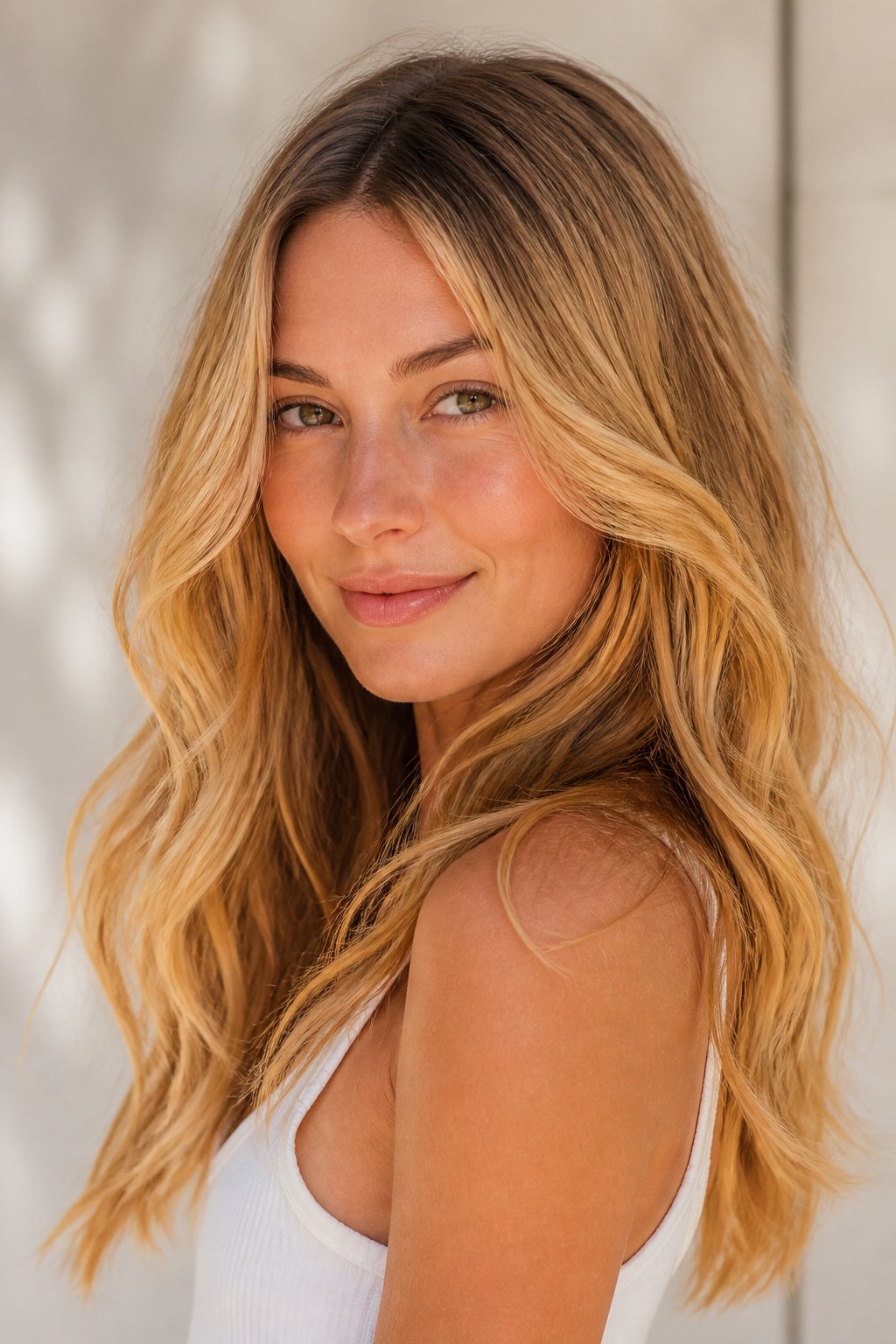
Honey blonde leans warm and golden, closer to amber than to pale yellow, which gives it a rich, sunlit quality that photographs beautifully. Pairing it with a soft root shadow keeps the color grounded instead of looking bleached out at the crown.
The shadow root is typically just one or two shades deeper than the honey tone itself, so the blend stays subtle. As hair grows, the natural root color simply reads as part of that shadow rather than an obvious contrast.
This combination flatters warm and neutral skin tones especially well, and it tends to look most vibrant on hair with some natural wave or texture to catch the light.
3. Buttery Blonde Balayage
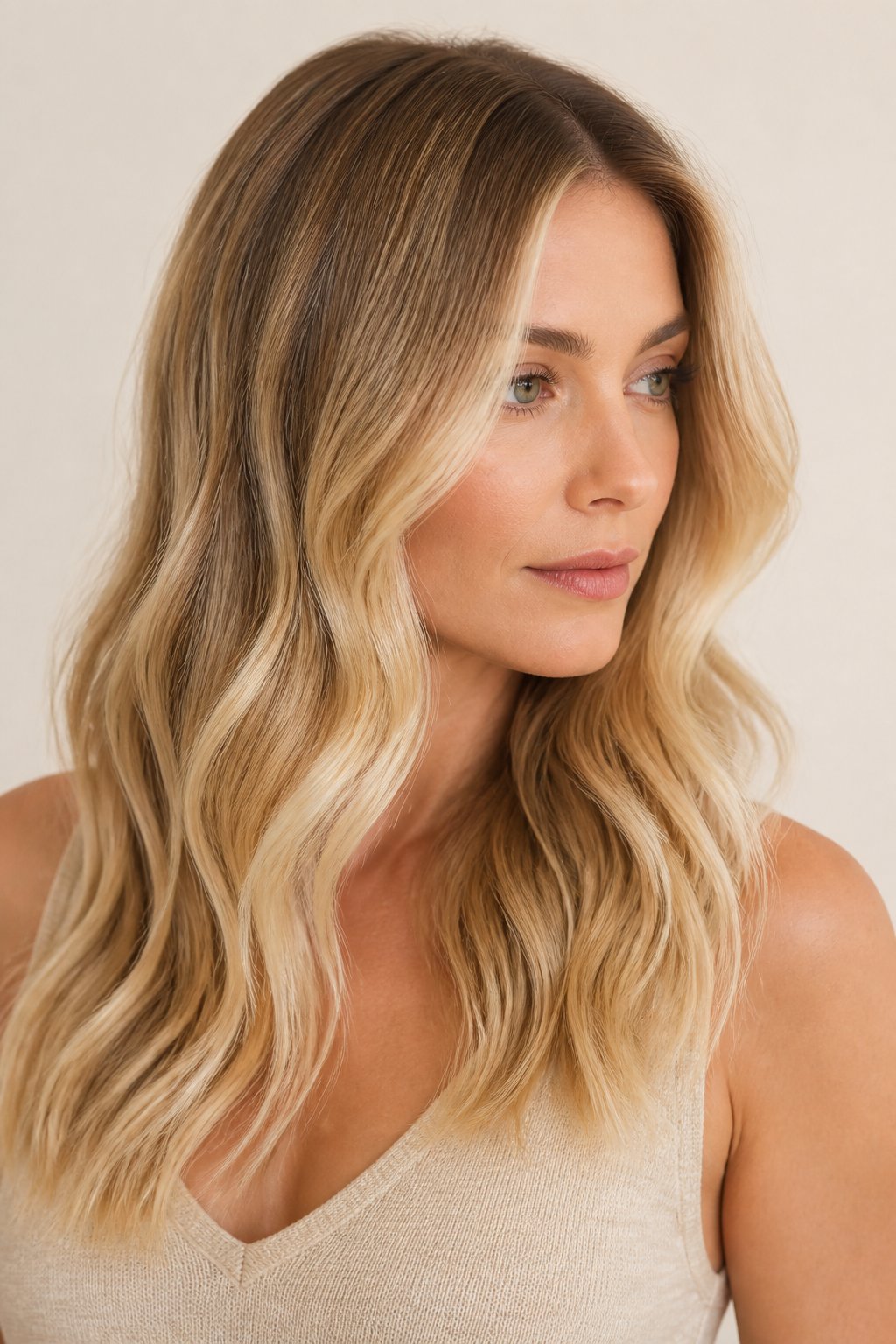
Buttery blonde sits between golden and vanilla, giving hair a soft, creamy finish that never tips into brassy territory. It’s achieved through a balayage technique that layers multiple light tones together instead of relying on one flat color.
Because the highlights are hand-placed with varying intensity, the color builds gradually from root to end. That gradual build is exactly what makes it forgiving as it grows, since there’s no single hard line marking where the color starts.
Stylists often recommend this shade for finer hair, since the dimension it creates can make strands look thicker and fuller without adding any actual bulk.
4. Sun-Kissed Beach Blonde
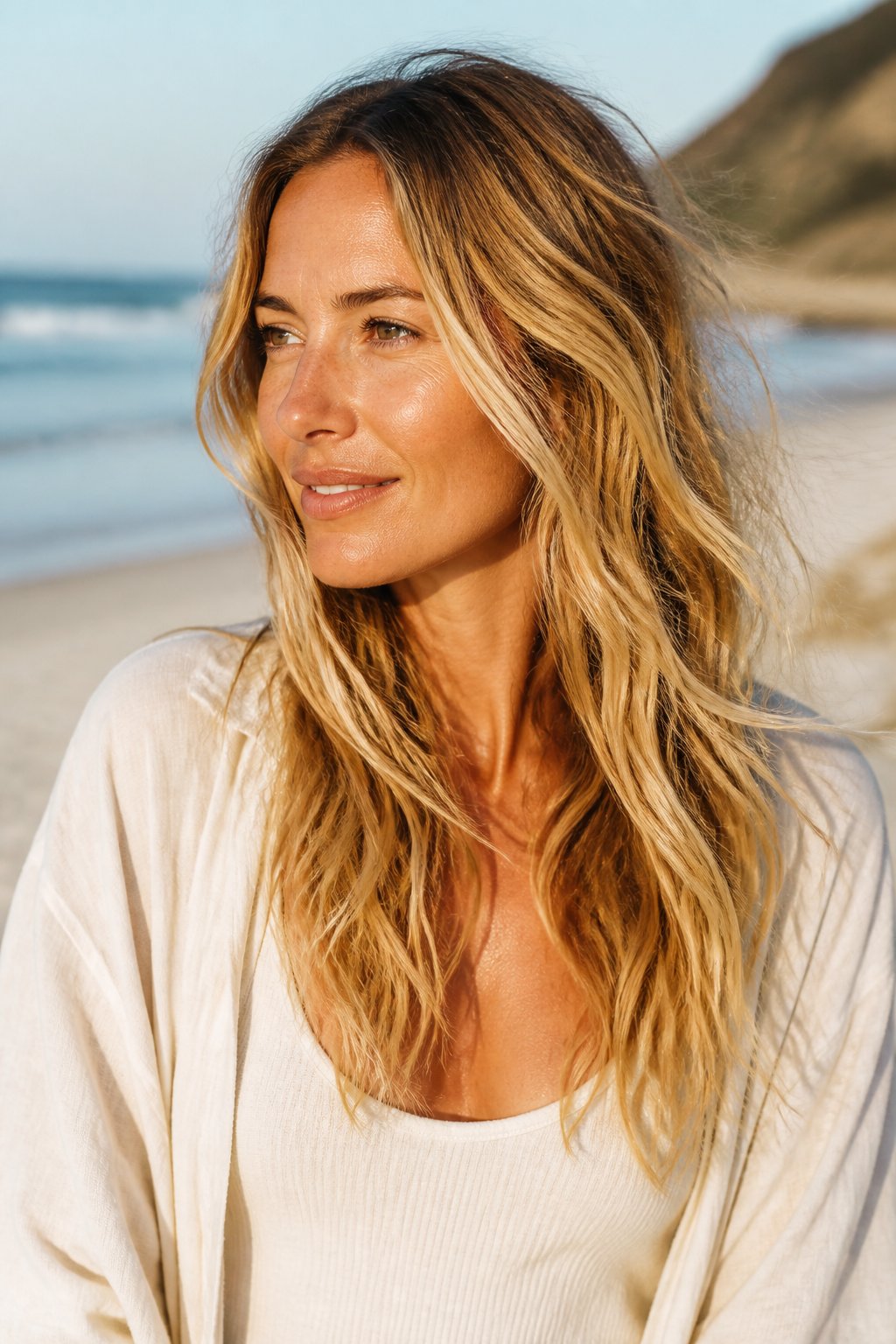
This look mimics the way hair naturally lightens after weeks in the sun, with the brightest pieces concentrated at the mid-lengths and tips rather than all over. The effect reads as effortless, like the color happened on its own rather than in a salon chair.
Because the lightening is heaviest where the sun would naturally hit hardest, regrowth doesn’t disrupt the pattern the way it would with all-over color. The roots simply stay closer to your natural shade, which is exactly the point.
It pairs particularly well with loose waves or beachy texture, and it requires very little in the way of styling products to look intentional.
5. Ash Blonde with Cool Undertones
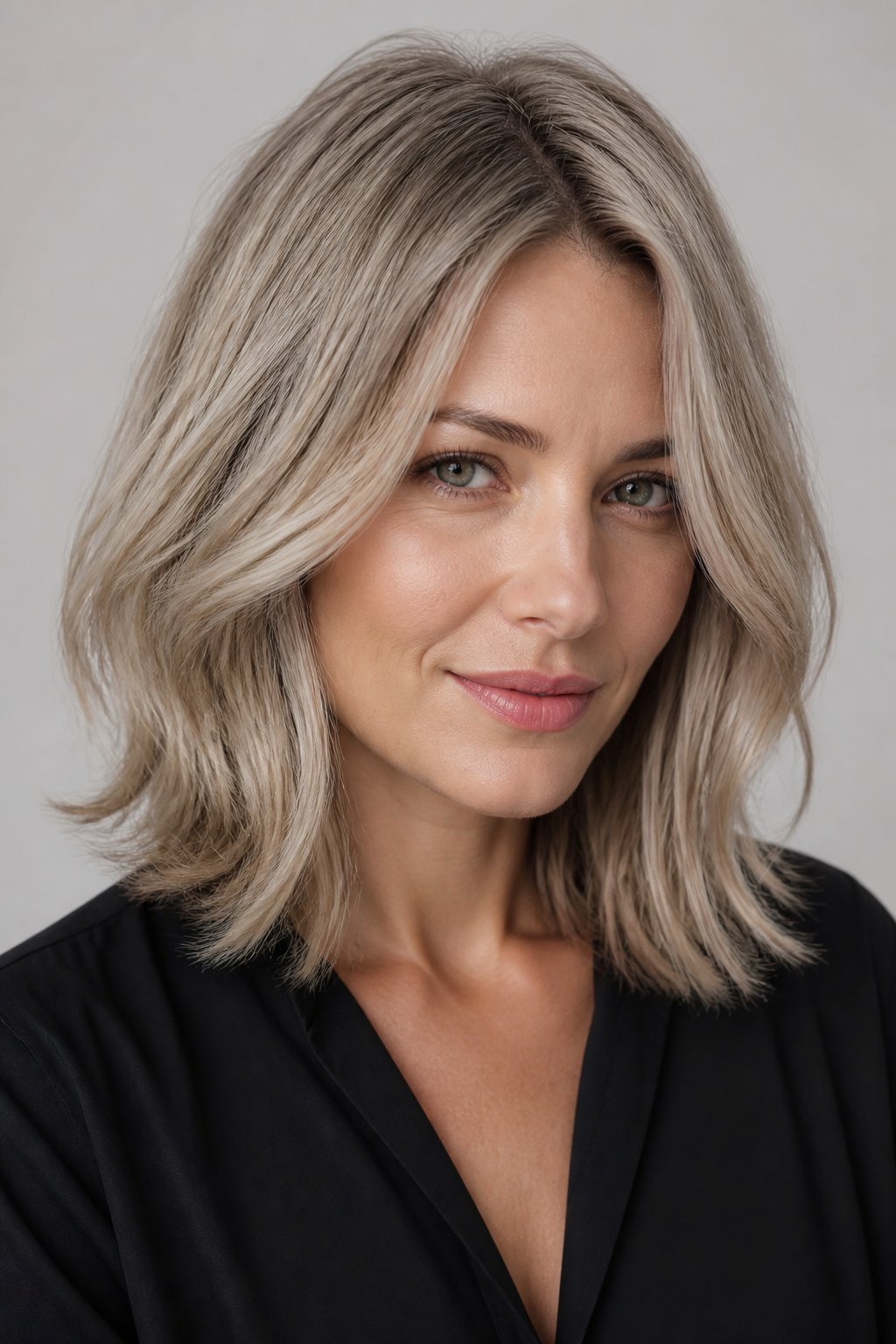
Ash blonde trades warm gold and honey for cooler gray and beige undertones, giving the hair a smoky, muted quality. It’s a striking option for anyone who wants blonde without any hint of orange or brassiness.
Because the tone is cool rather than warm, it tends to fade more gracefully, drifting toward a soft beige instead of an unwanted yellow. That slower, gentler fade is part of why this shade needs less frequent toning.
Ash blonde also happens to be a popular bridge color for people easing into gray hair, since the cool cast blends naturally with silvering strands.
6. Champagne Blonde
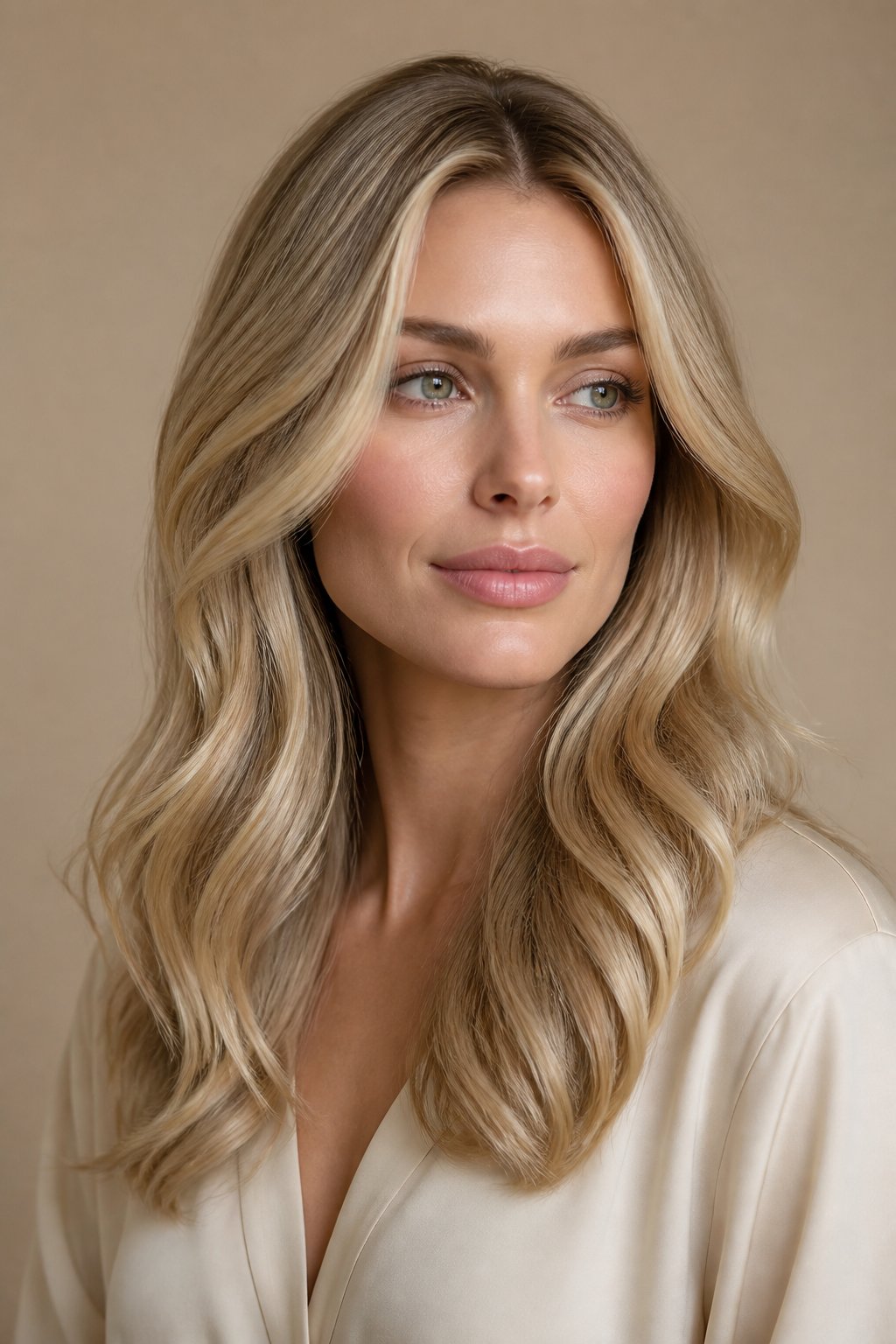
Champagne blonde is a soft, neutral shade that sits right between beige and pale gold, avoiding both warm brassiness and stark iciness. It has an understated elegance that works well in both casual and polished settings.
Because the tone is so neutral, it’s forgiving of natural regrowth, which tends to blend into the champagne base rather than standing out sharply. Many people find they only need root touch-ups every ten to twelve weeks.
This shade tends to suit cooler and neutral skin tones best, giving the complexion a soft lift without overwhelming it.
7. Bronde: The Brunette-Blonde Blend
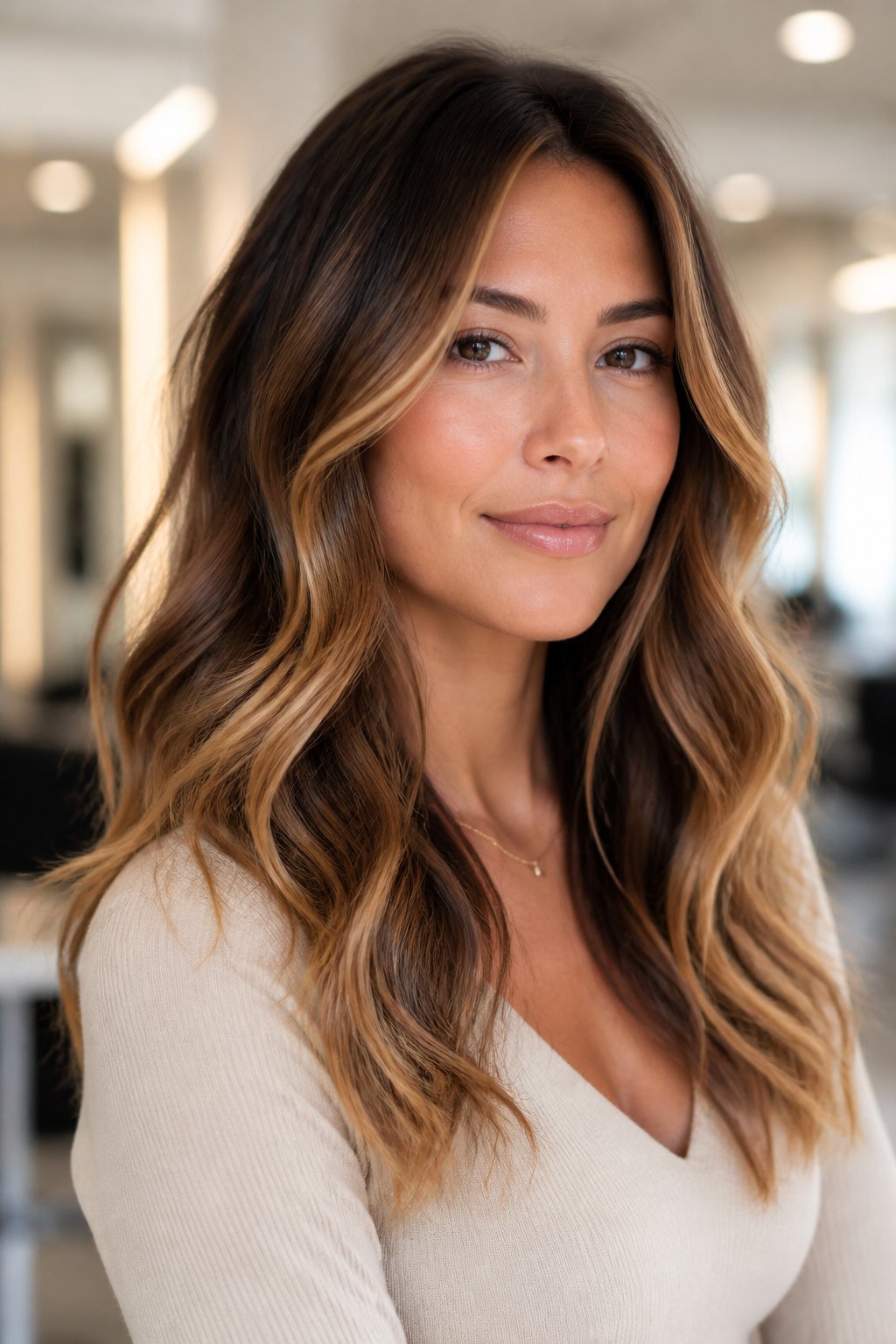
Bronde is exactly what it sounds like: a blend of brown and blonde that keeps a rich base while weaving in lighter, warmer pieces. It’s one of the lowest-maintenance blonde options available, since it never asks you to fully commit to lightening your whole head.
The brunette base does most of the work, meaning far less bleach is needed overall and the color stays closer to your natural depth. Highlights are typically concentrated around the face and through the ends for warmth and movement.
It’s an easy shade to wear to the office or on the weekend alike, since it reads as polished without ever looking overly done.
8. Money Piece Face-Framing Highlights
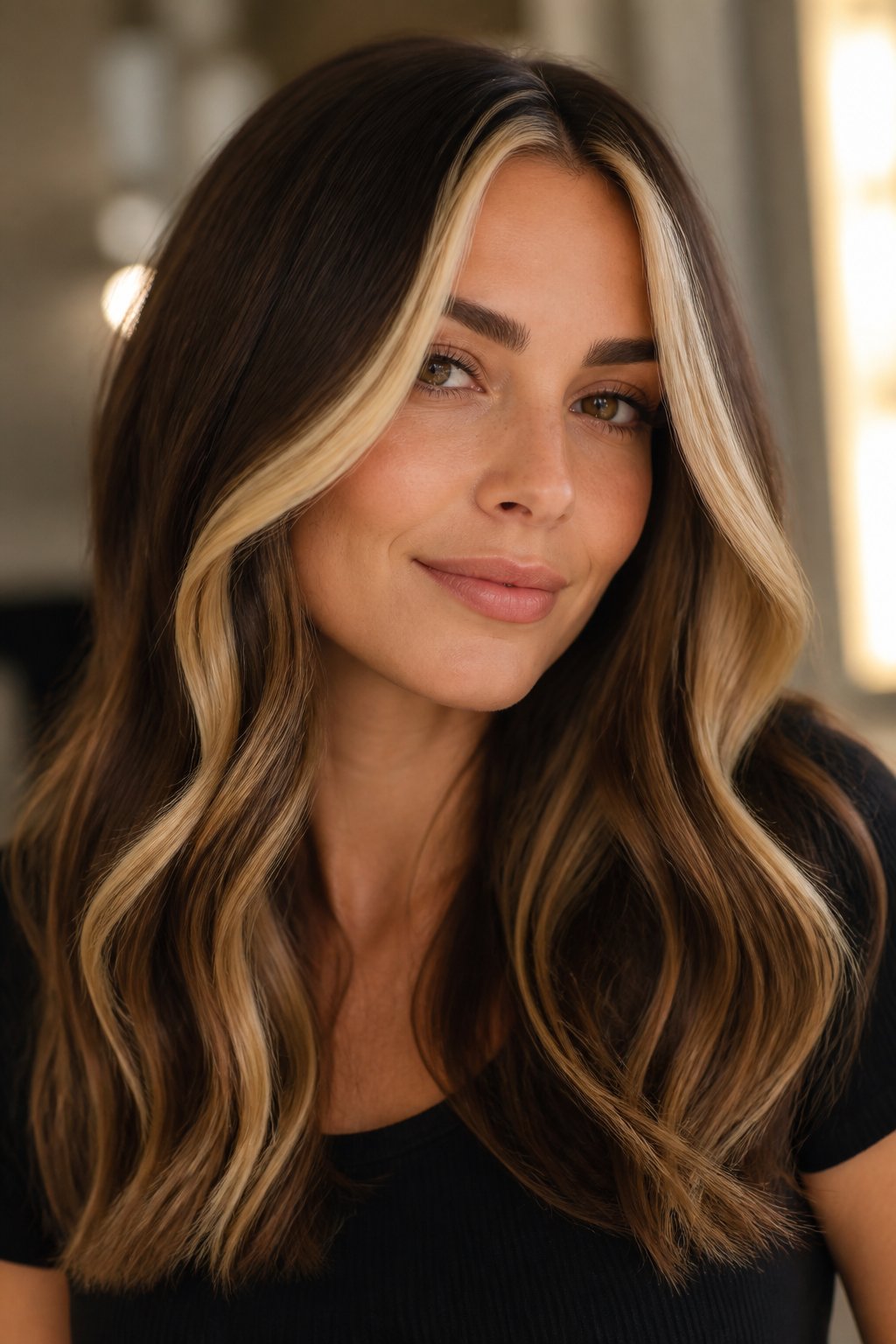
The money piece technique focuses all the brightness on a few chunky sections right around the face, while the rest of the hair stays close to its natural color. It’s a budget- and time-friendly way to get noticeable brightness without a full head of highlights.
Because so little of the hair is actually lightened, upkeep is minimal. The natural color everywhere else simply continues growing as it always has, with no blending required.
This approach works on almost any base shade and length, and it’s especially popular for people who want a dramatic frame around their face without touching the rest of their color.
9. Root Smudge Blonde
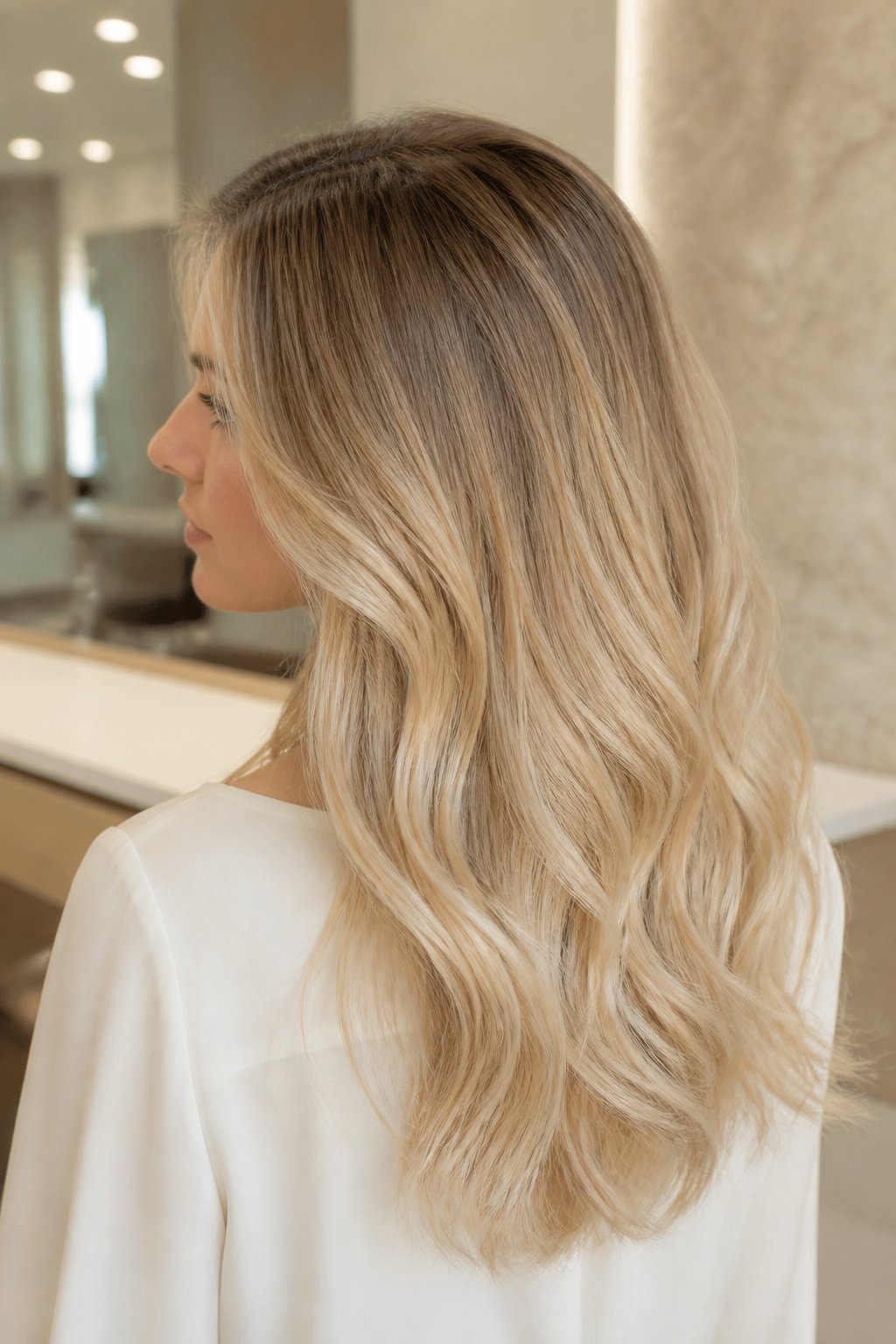
Root smudging involves softly blurring color at the root with a shadow tone that gradually fades into the lighter lengths below. The technique is specifically designed to disguise regrowth, which makes it one of the most practical options for busy schedules.
Unlike a traditional root touch-up, a root smudge doesn’t try to hide the root completely. Instead, it blends the natural color into the overall look, so growth simply looks like part of the intended design.
It’s a smart choice for anyone transitioning away from a previous color, since it makes the in-between stage look deliberate rather than in need of an urgent appointment.
10. Caramel Blonde Highlights
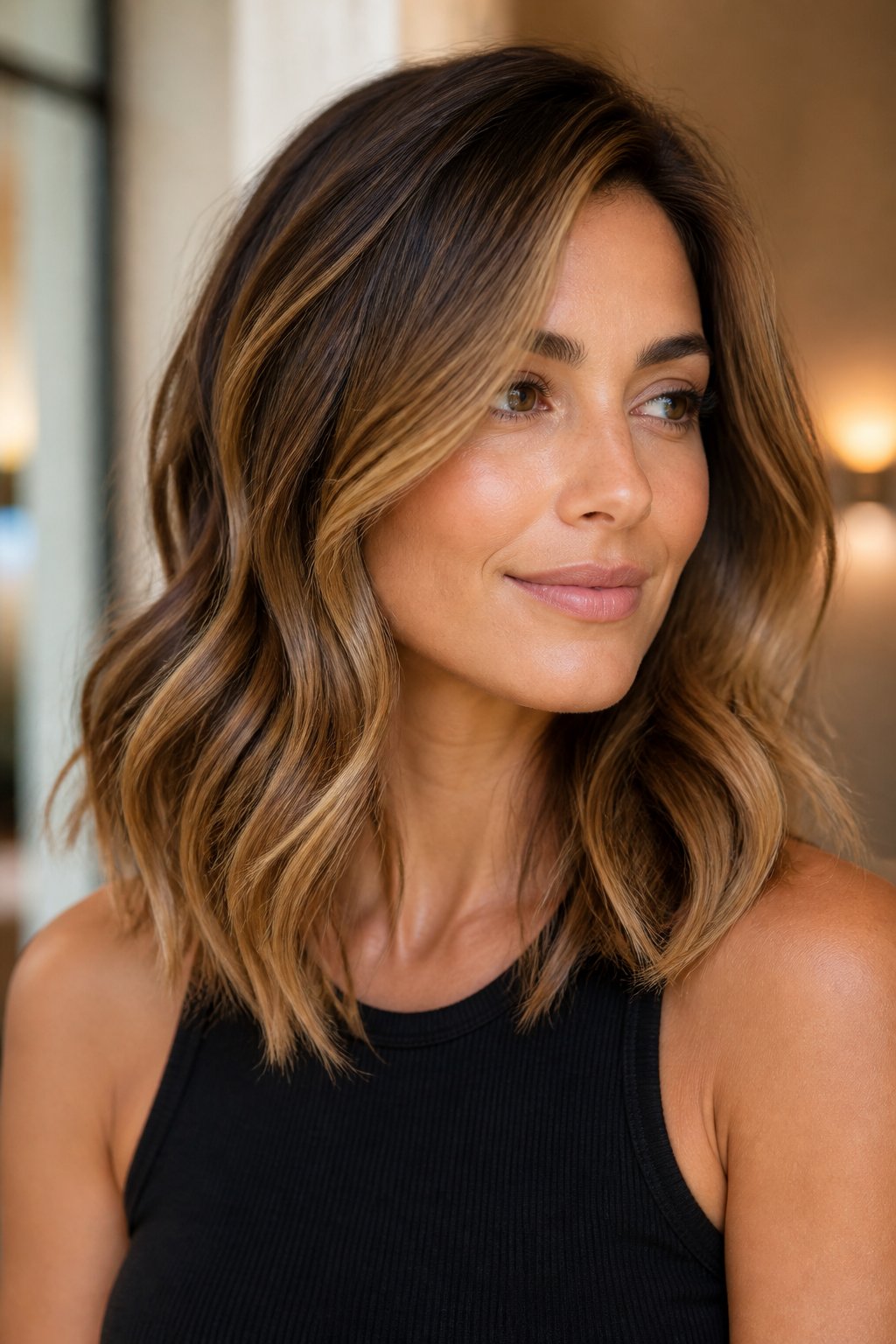
Caramel blonde highlights add warm, rich streaks through a base that can range from light brown to dark blonde, creating dimension without requiring an all-over lightening service. The caramel tone tends to look most vibrant against a slightly deeper base.
Because the highlights are woven in rather than applied uniformly, they blend naturally as hair grows, softening the line between old and new growth. Many people stretch this look well past the typical six-week mark.
It’s a versatile in-between option for anyone who loves the idea of blonde but isn’t ready to leave brunette tones behind entirely.
11. Golden Wheat Blonde
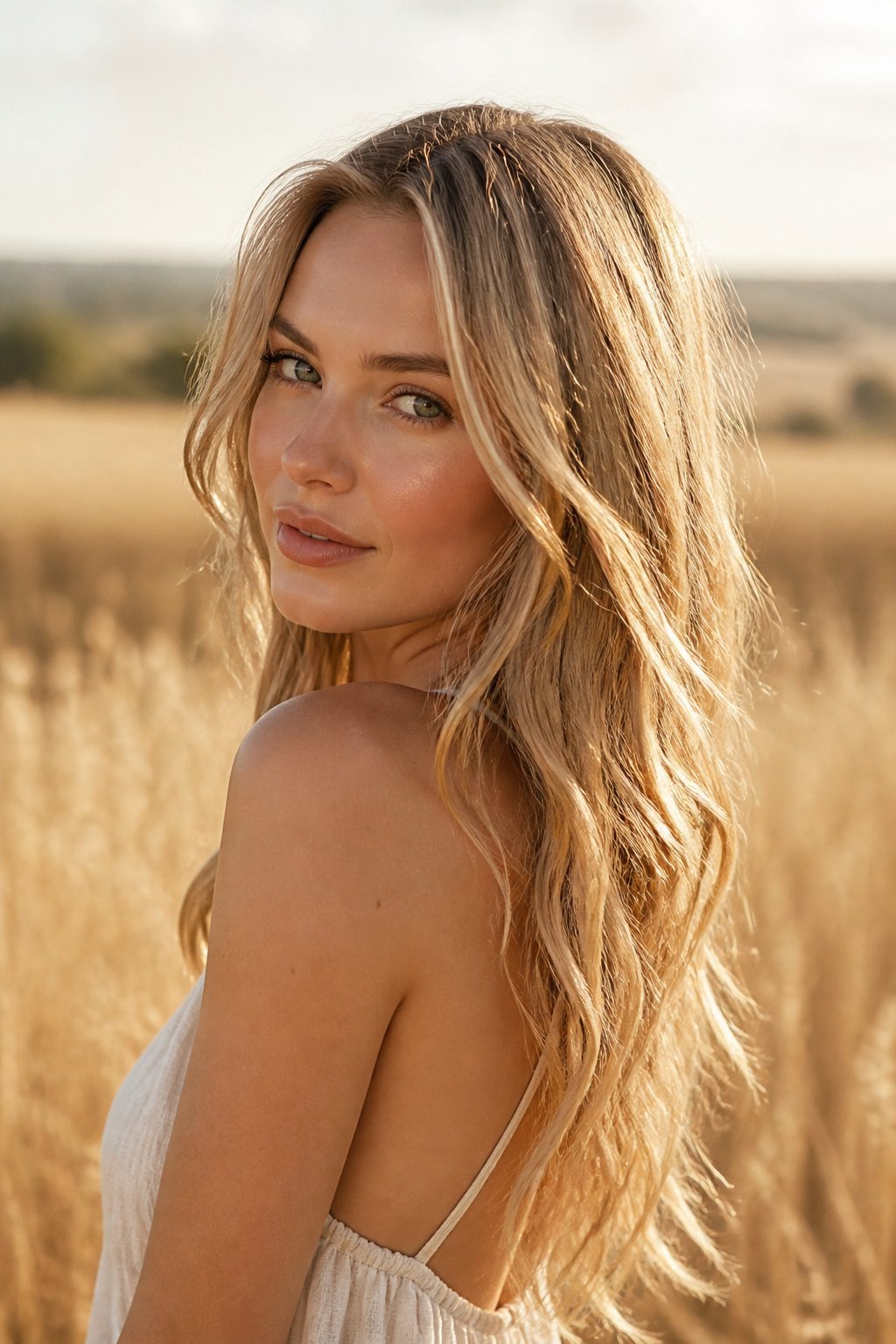
Wheat blonde takes its name from the warm, golden-brown color of a wheat field, and it delivers a similarly rich, sun-warmed effect. It reads as more natural than platinum or icy shades, since it mimics tones that occur without any color at all.
Highlights are typically placed to build gradually from the root through the ends, which keeps the color looking cohesive rather than segmented. That gradual build is what gives the shade its low-maintenance reputation.
It looks especially good in natural daylight, where the golden tones catch the light and give the hair extra warmth and vibrancy.
12. Icy Platinum Blonde with Soft Roots
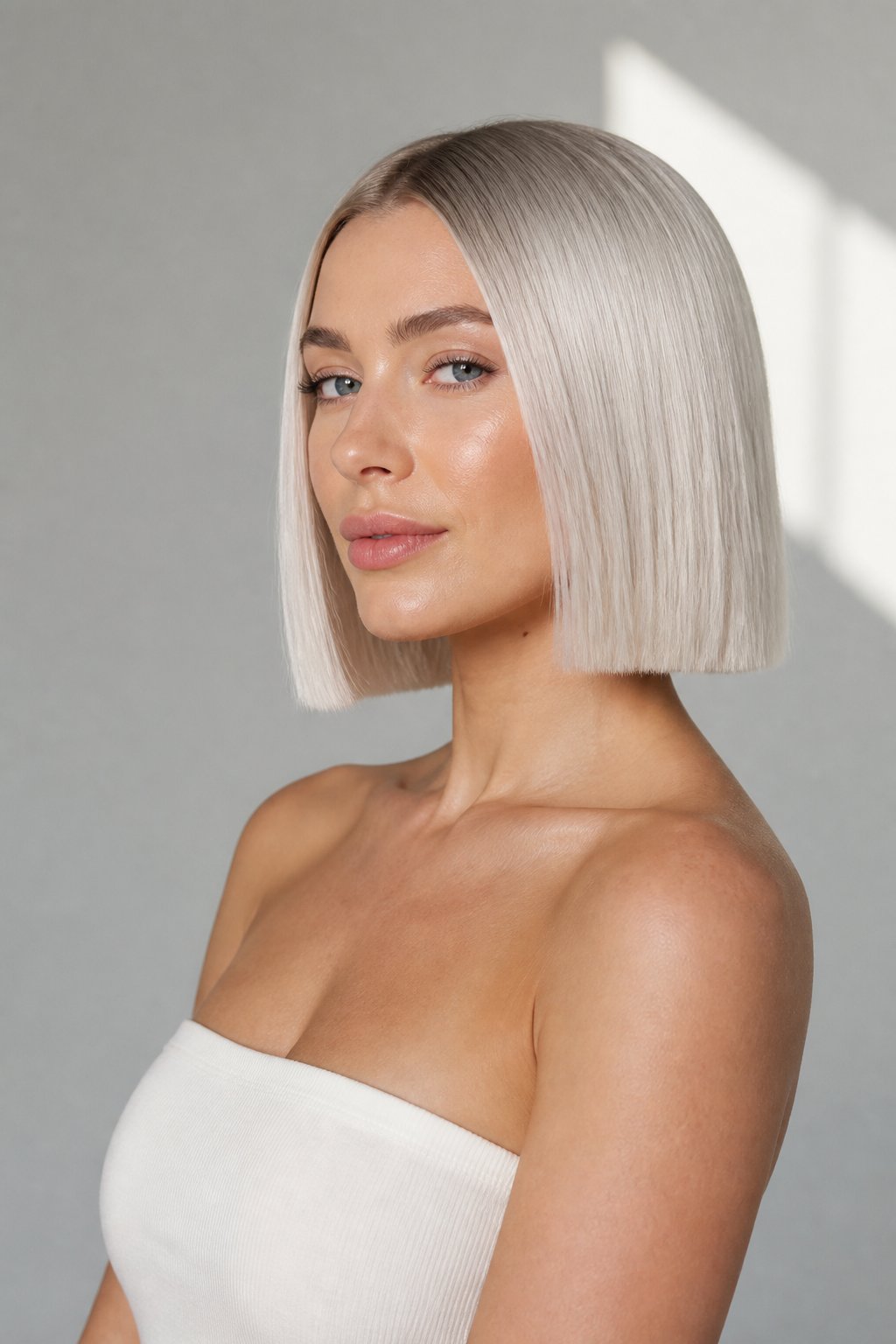
Platinum is about as light as blonde gets, and pairing it with a soft root shadow keeps the overall effect from looking too stark or high-maintenance. The shadow root gives the eye something other than a hard demarcation line to focus on.
Because platinum is such a dramatic departure from most natural hair colors, it does require diligent purple shampoo use to keep brassiness at bay between salon visits. That said, the root shadow itself buys extra weeks before a touch-up is truly necessary.
This shade makes the biggest statement on sleek, blunt cuts, where there’s no texture competing with the color for attention.
13. Strawberry Blonde
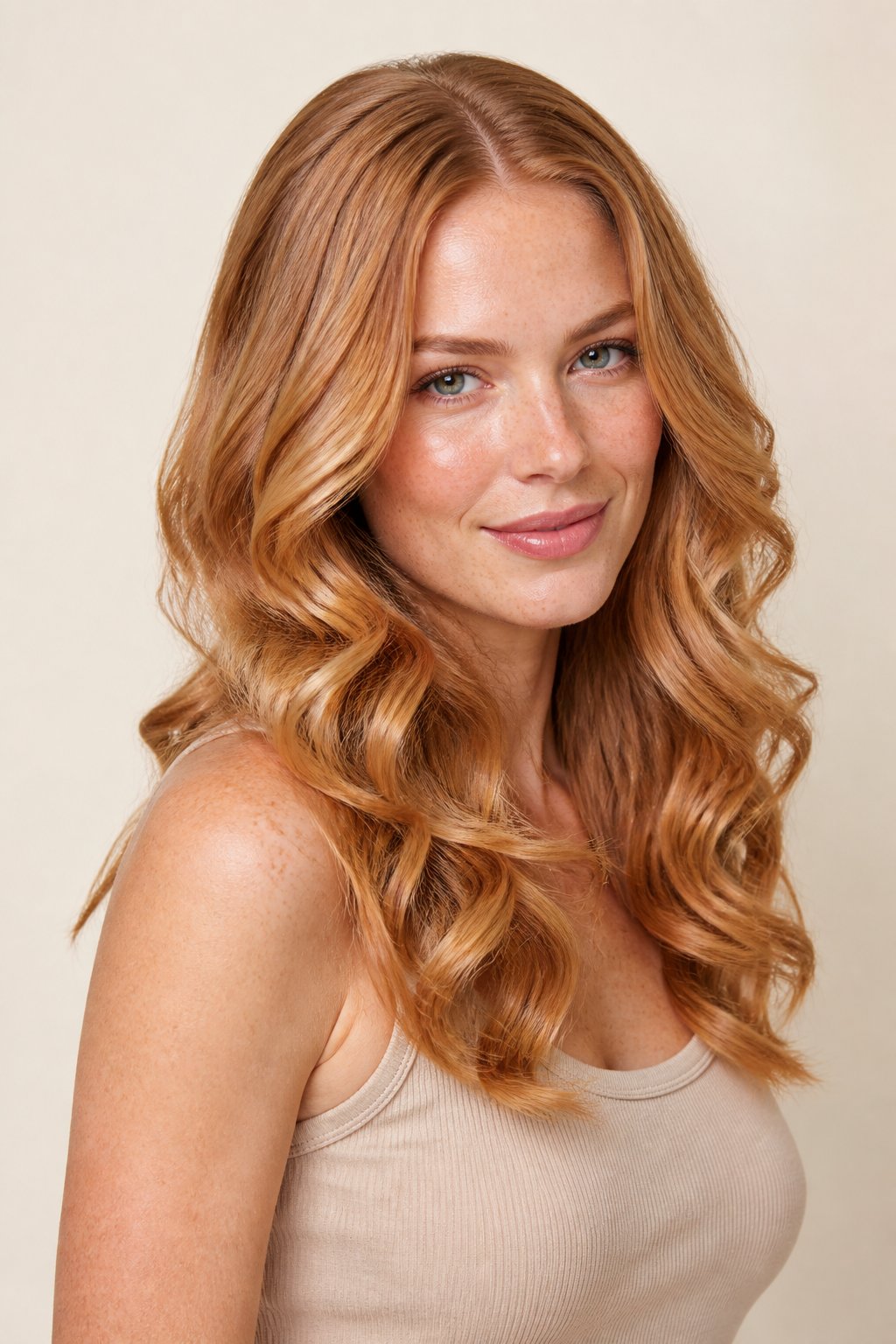
Strawberry blonde combines warm blonde with a hint of copper, giving it a distinctive rosy-gold glow that’s different from any other shade on this list. It’s an especially flattering option for fair or freckled skin tones.
Because the color already contains warmth, it tends to fade evenly rather than developing patchy brassy spots, which keeps maintenance relatively simple. A gloss treatment every couple of months is usually enough to keep the tone fresh.
This shade shows beautifully in curls and waves, since every ringlet catches a slightly different reflection of the copper and gold tones.
14. Vanilla Cream Blonde
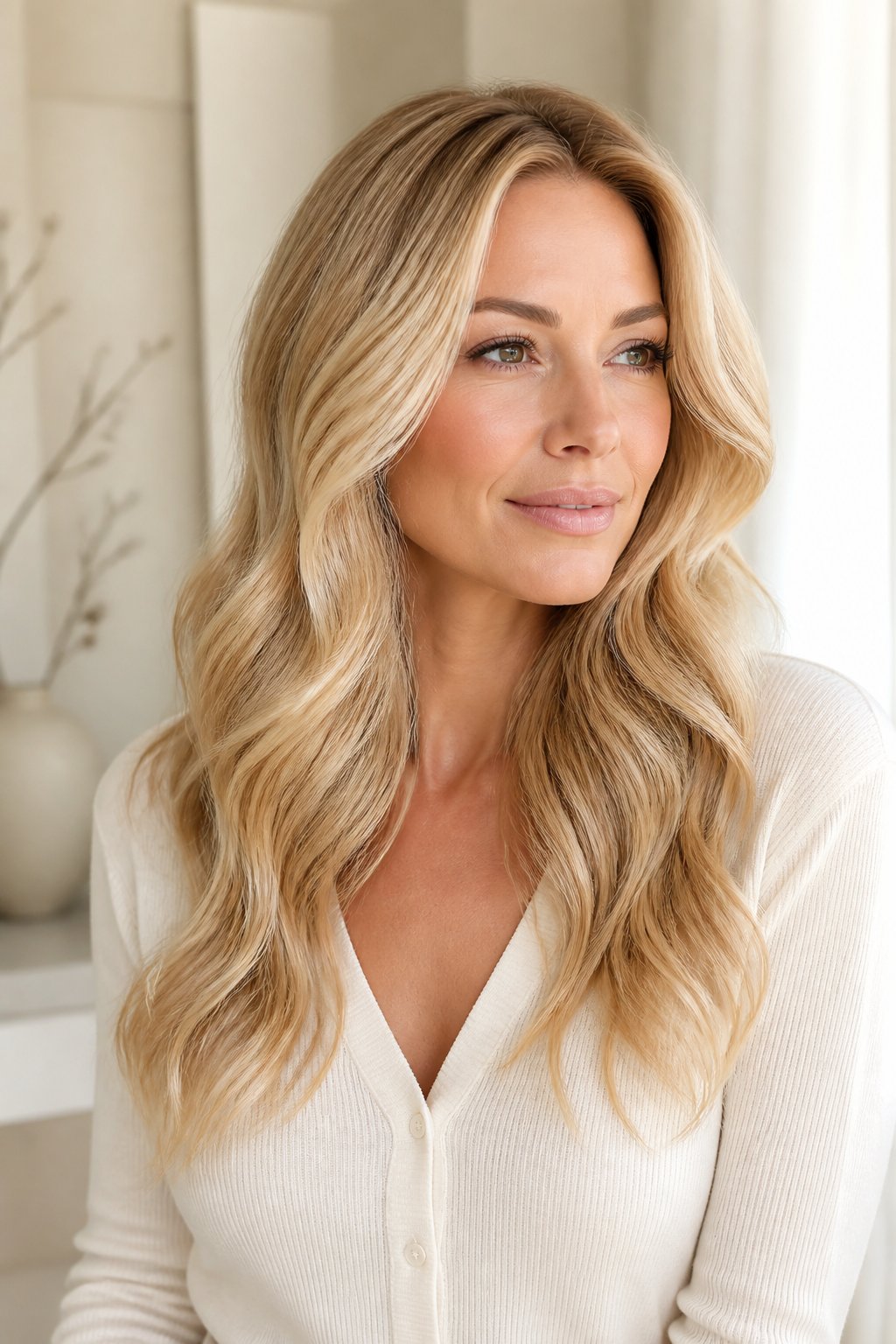
Vanilla blonde is a soft, muted shade with just a whisper of warmth, sitting somewhere between beige and pale gold. It has a gentle, creamy quality that avoids both harsh brassiness and cold iciness.
The subtlety of the tone means regrowth is rarely dramatic, since most natural hair colors sit close enough in depth to vanilla that the line stays soft. Many people find they can go three months or longer between full color services.
It’s an approachable, easy-to-wear blonde that suits a wide range of skin tones, which is part of why it’s remained a consistently popular choice.
15. Toffee Blonde
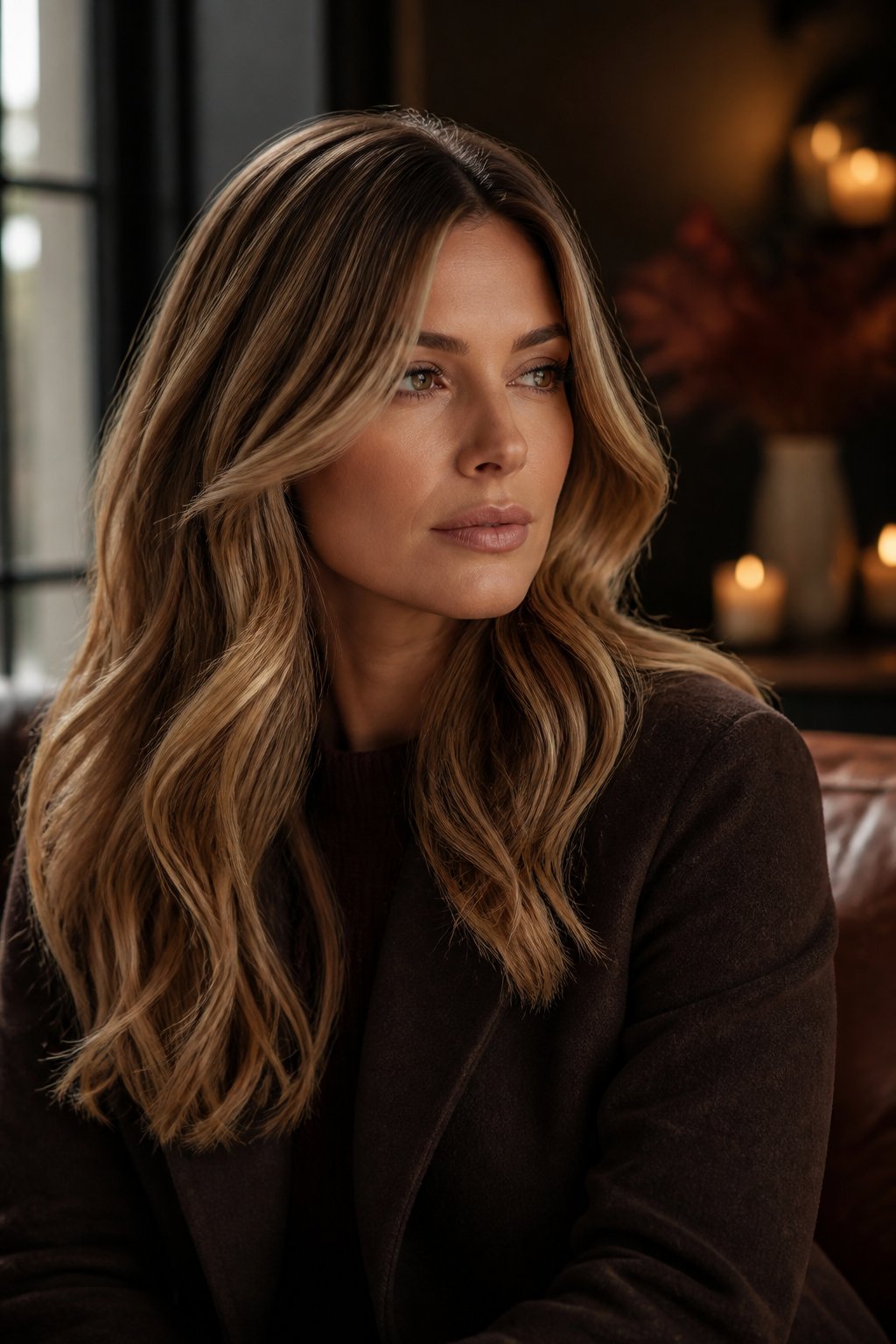
Toffee blonde blends deep caramel and light brown tones for a rich, layered color that reads as warm without veering into orange. It has more depth than most classic blondes, which gives it a cozy, autumnal feel.
Because the base stays relatively deep, less overall lightening is required, which is easier on hair health and stretches out the time between appointments. The warmth also tends to fade gracefully rather than turning brassy.
This shade pairs particularly well with cooler weather and darker wardrobe tones, making it a favorite pick heading into fall and winter.
16. Dirty Blonde with Subtle Highlights
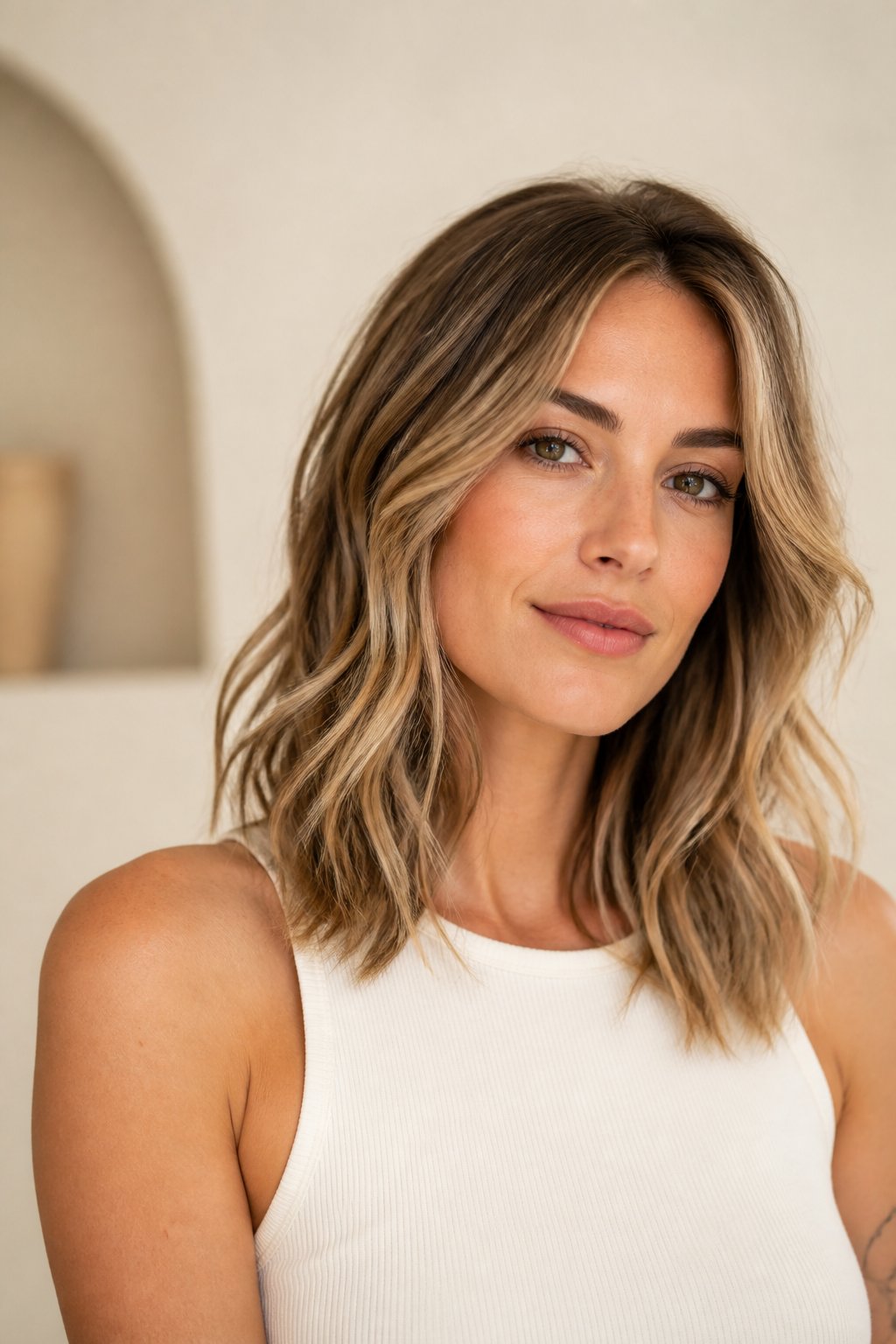
Dirty blonde gets an undeserved reputation as a dull, in-between color, but with a few subtle highlights woven through, it becomes one of the most flattering and low-effort shades available. The muted, earthy base is close enough to most natural hair colors that it barely needs upkeep.
Because the highlights are meant to look sun-kissed rather than dramatic, they’re typically placed only through the top layers and around the face. That restraint is exactly what keeps the maintenance light.
It’s a shade that works on nearly every skin tone, since the neutral, earthy base doesn’t compete with warm or cool undertones in the complexion.
17. Shadowed Blonde Balayage
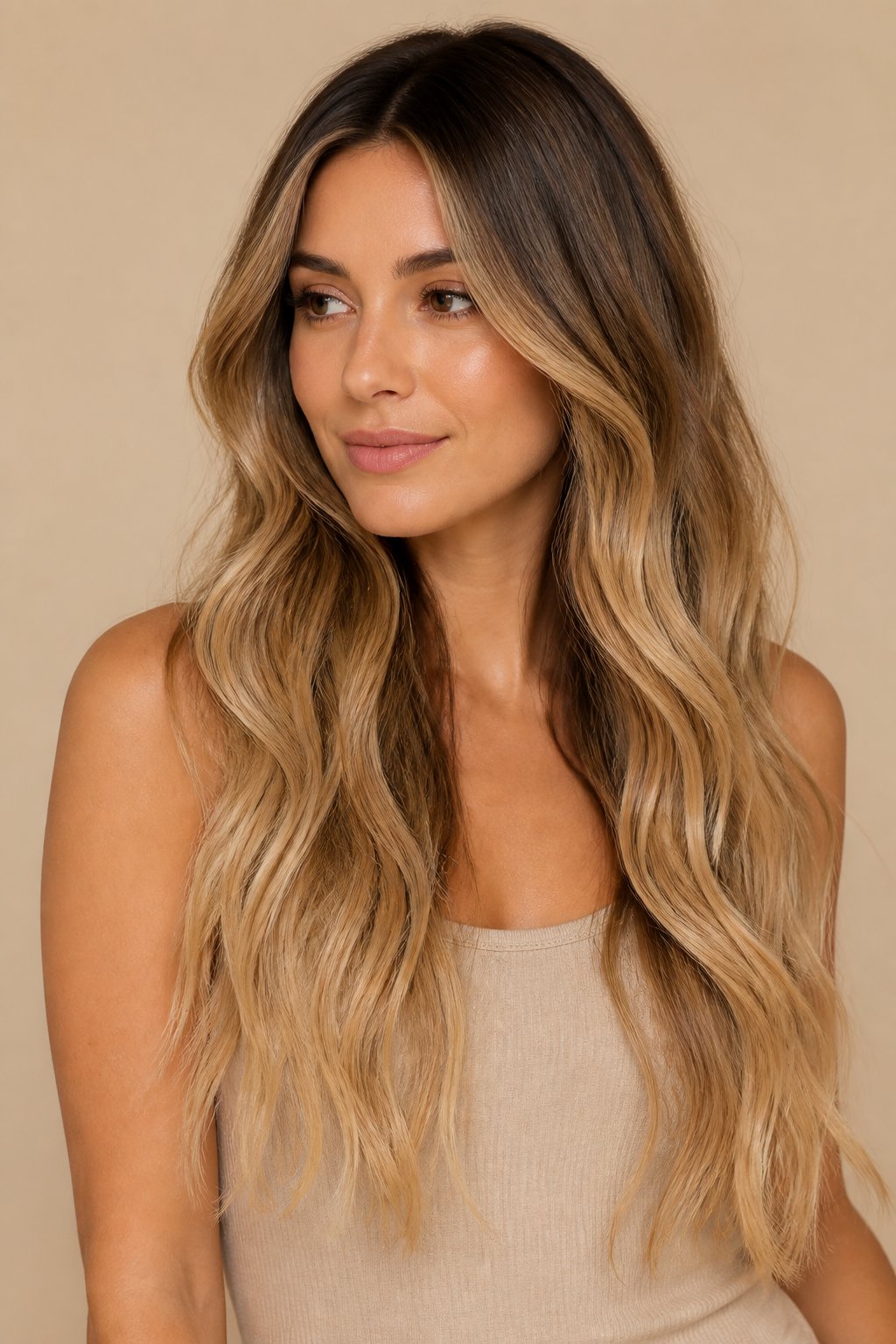
A shadowed balayage deepens the root more intentionally than a typical balayage, creating a richer contrast between the base and the lightened ends. It’s a great option for anyone who wants a dramatic look without frequent upkeep.
The deeper root does more than add drama. It also means new growth blends almost seamlessly into the existing shadow, since the two tones are already so close in depth.
This technique works particularly well on long hair, where there’s enough length for the gradient from dark to light to fully develop.
18. Sandy Blonde
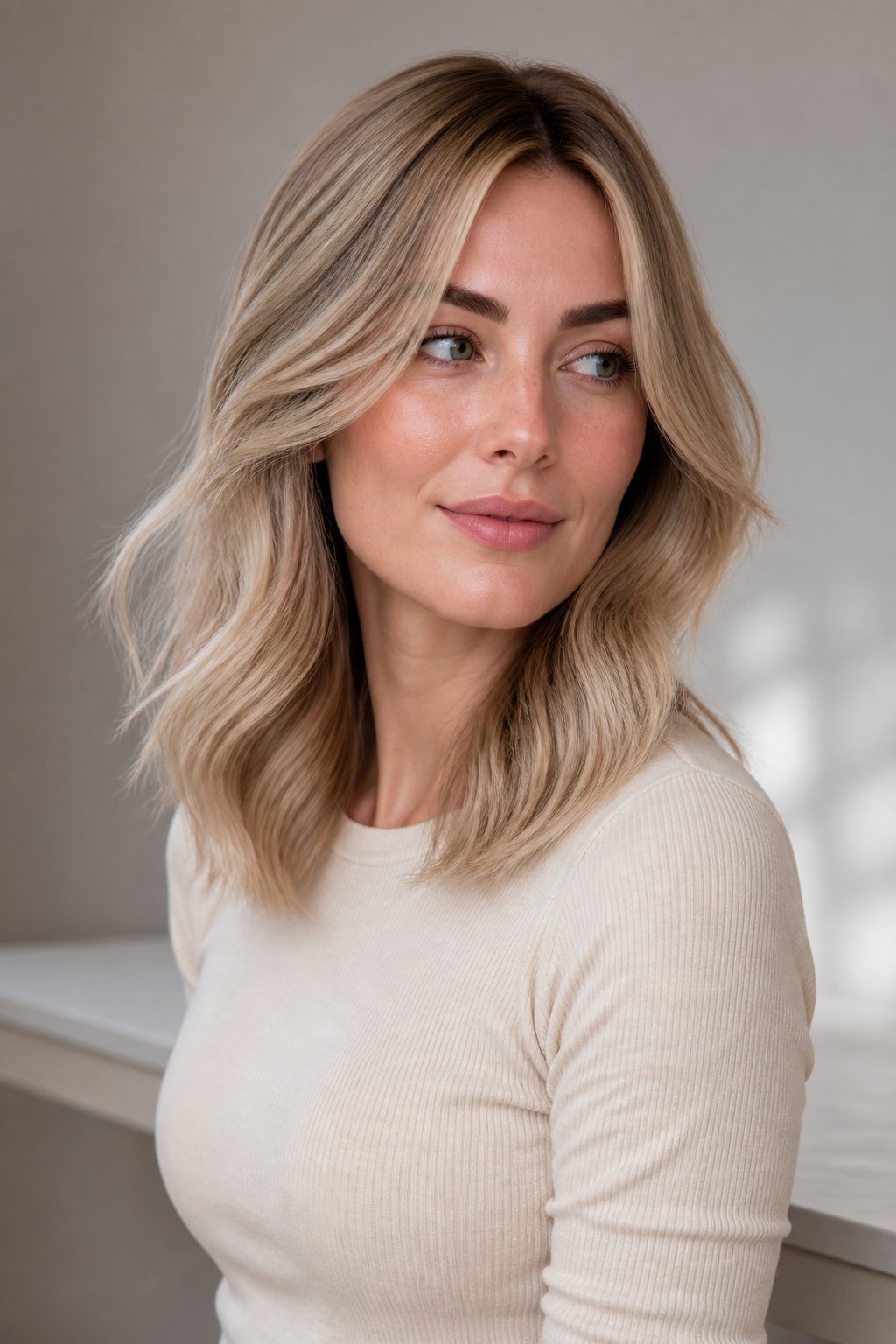
Sandy blonde is a soft, neutral shade with a slightly grayish-beige cast, named for its resemblance to the color of light sand. It’s neither warm nor cool, which makes it one of the more universally flattering blonde tones.
Its neutrality also makes it easy to maintain, since most natural hair colors blend into a sandy base without much visible contrast at the root. Toning appointments tend to be quick and infrequent as a result.
It’s a popular choice for anyone who wants a noticeable change from their natural color without committing to something as bold as platinum or ash.
19. Butterscotch Blonde
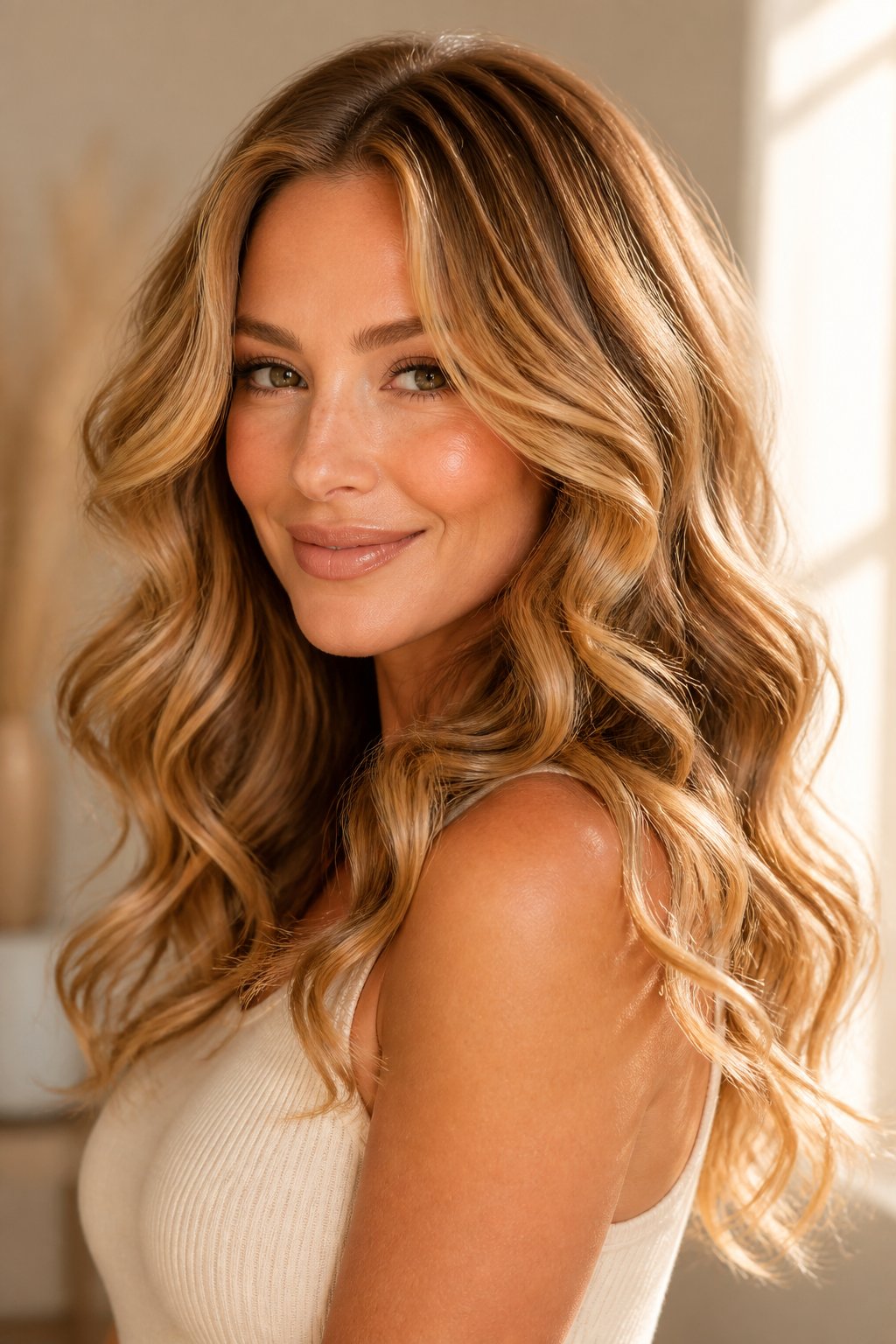
Butterscotch blonde has a warm, syrupy richness that sits between gold and caramel, giving hair real depth and dimension. Multiple tones are typically woven together rather than relying on a single flat color.
Curls and waves show this shade off particularly well, since each ringlet reflects a slightly different tone within the color family. That built-in variation is part of what makes the color grow out so evenly.
Because the base already contains warmth, brassiness is far less of a concern here than it is with cooler or more platinum shades.
20. Cool Beige Blonde
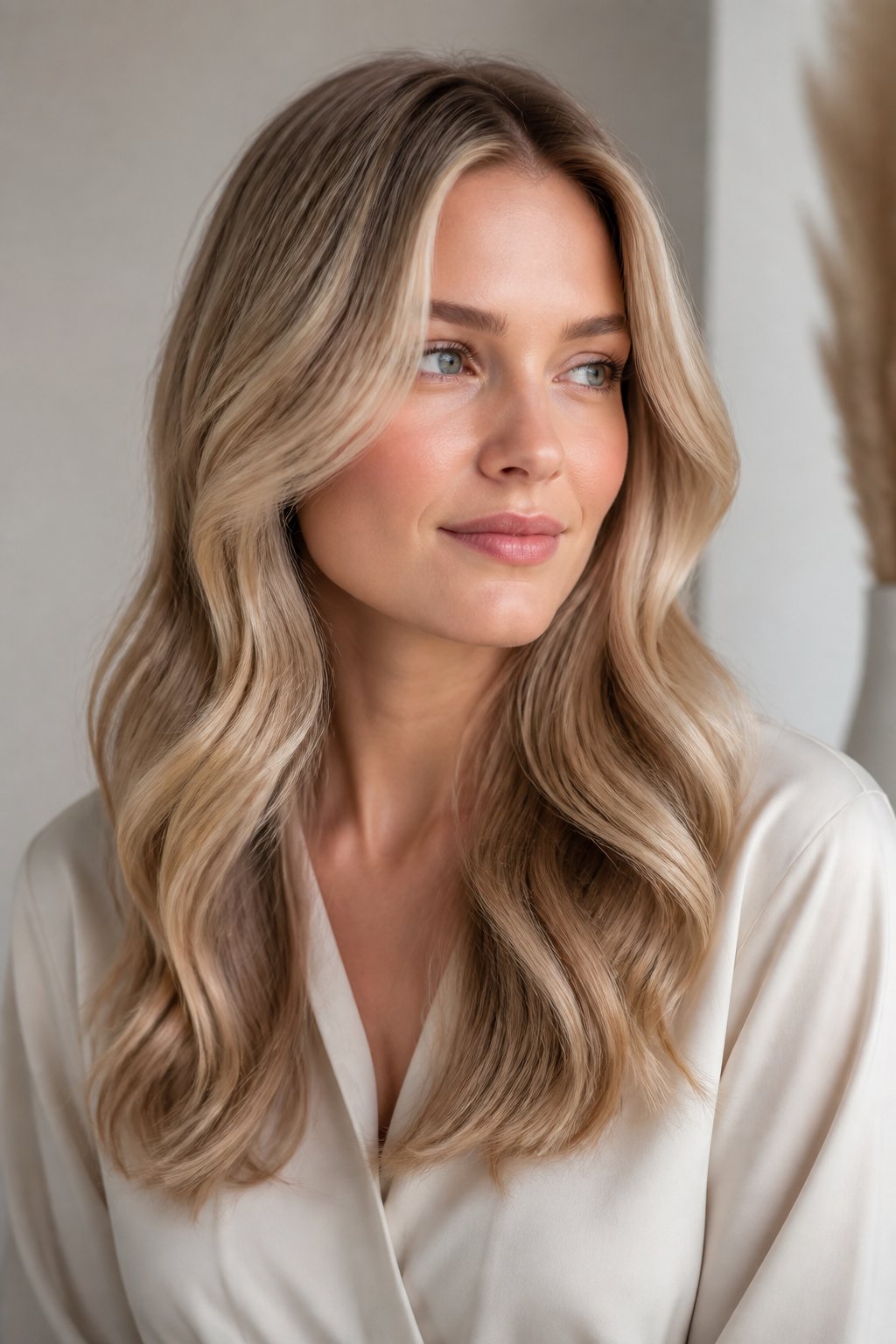
Beige blonde combines ash and gold in equal measure, landing on a soft, neutral tone that avoids both warmth and iciness. It has a quiet sophistication that works well for both everyday wear and more polished occasions.
The balanced undertone means the color rarely swings toward brassy yellow or overly cool gray as it fades, which keeps toning appointments to a minimum. Many people find this shade holds its look longer than either pure ash or pure gold blonde.
It suits cooler skin tones especially well, brightening the complexion without introducing any unwanted orange.
21. Foilyage Blonde
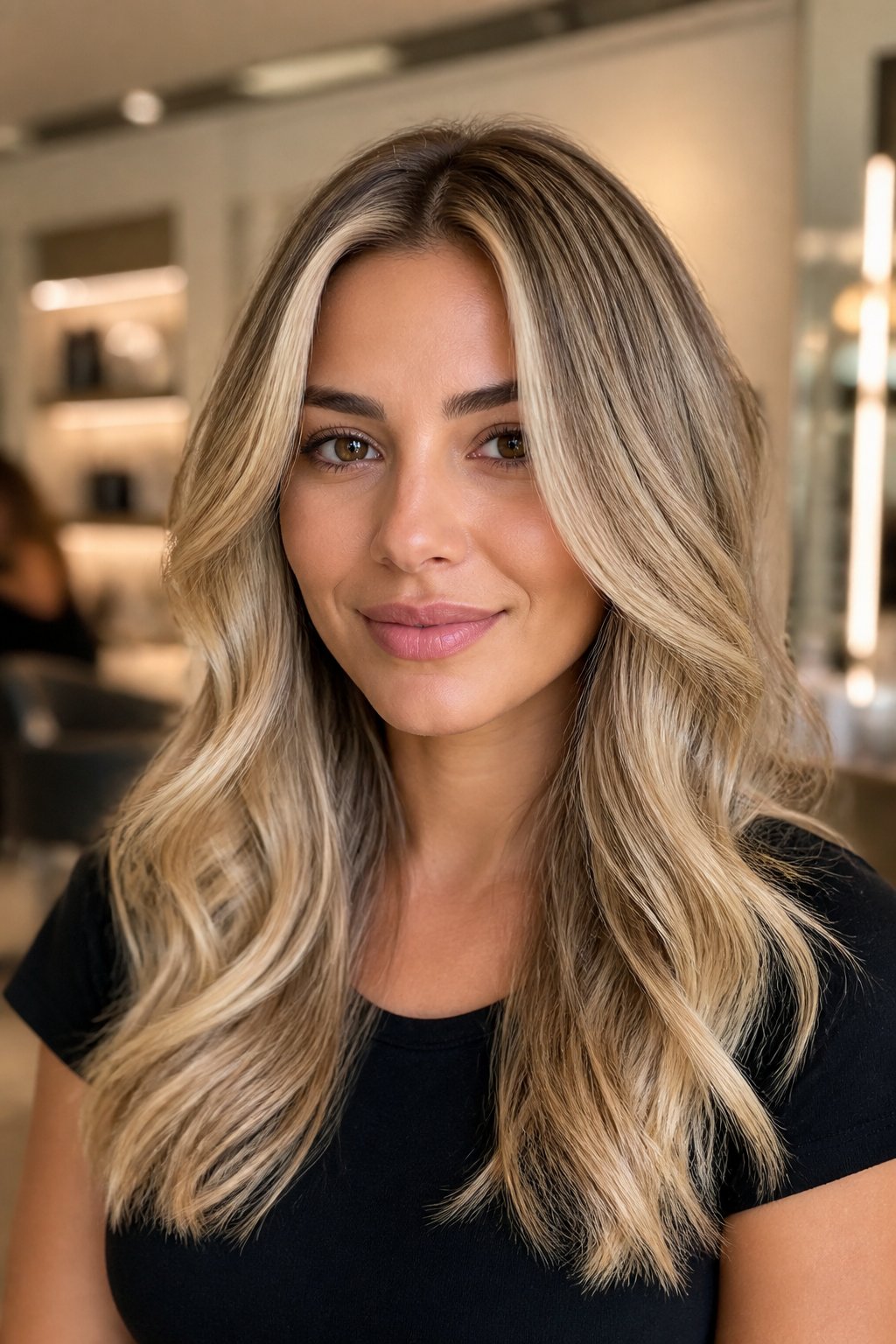
Foilyage combines the precision of traditional foil highlights with the softer blend of balayage, giving colorists more control over exactly where the brightest pieces land. The result is a look that’s more defined than balayage alone but still grows out gently.
Because the technique still relies on a hand-painted base, the transition at the root stays soft even though individual highlights are more crisply placed. That combination is what makes foilyage a favorite for people who want brightness with structure.
It’s especially useful for targeting specific areas, like framing the face or adding lift through the crown, without lightening the entire head.
22. Bright Blonde with Face-Framing Pieces
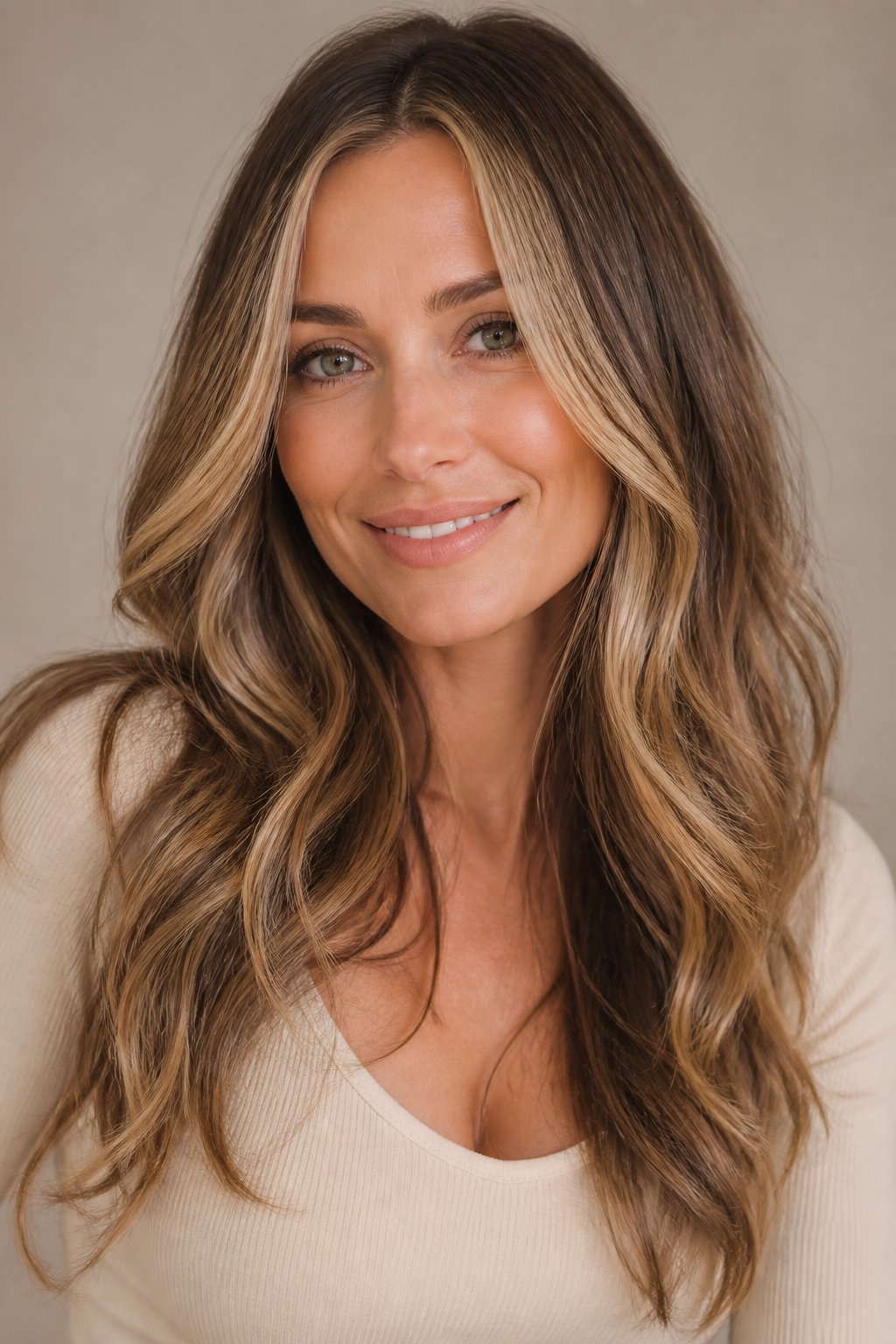
This look concentrates the brightest, most noticeable highlights directly around the face, where they do the most to lift and brighten the complexion. The rest of the hair can stay several shades deeper, which limits how much color needs regular attention.
Because only a fraction of the hair is fully lightened, the overall upkeep is far lower than an all-over blonde. The face-framing pieces also tend to lighten naturally over time with sun exposure, extending their impact between salon visits.
It’s a flattering option for nearly any face shape, since the placement can be adjusted to highlight cheekbones or soften a stronger jawline.
23. Reverse Balayage Blonde
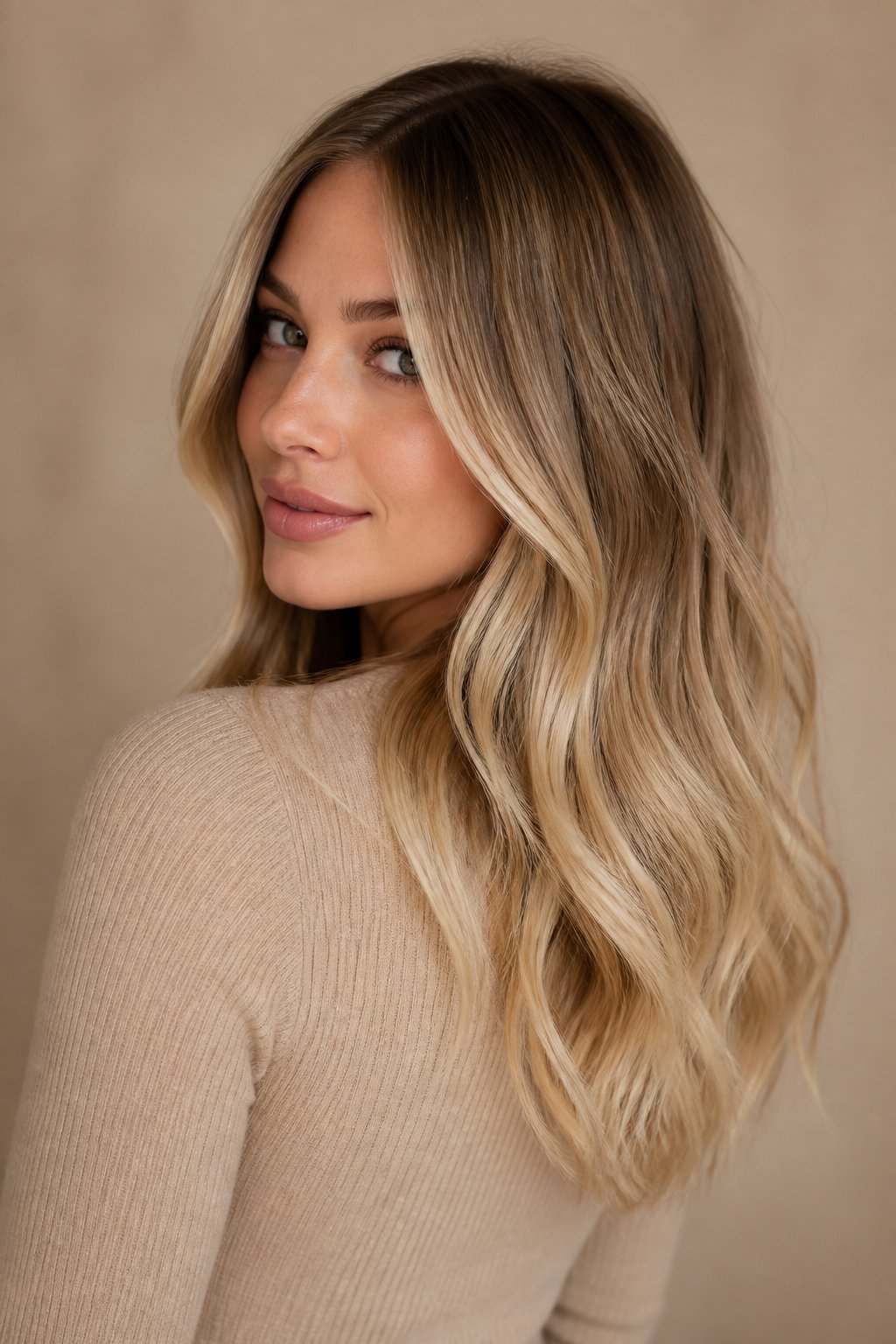
Reverse balayage adds a deeper, richer tone back into hair that has become too light or too damaged from repeated lightening, while still preserving some of the blonde in the lengths. It’s less about achieving a brand-new blonde and more about resetting an existing one.
Because the technique reintroduces some natural depth at the root, it inherently reduces the contrast that needs to be maintained. That built-in depth is part of what makes it such a low-effort option going forward.
It’s a smart choice for anyone whose blonde has drifted too far from their natural color and wants a healthier, more manageable version of the same shade.
24. Malibu Blonde
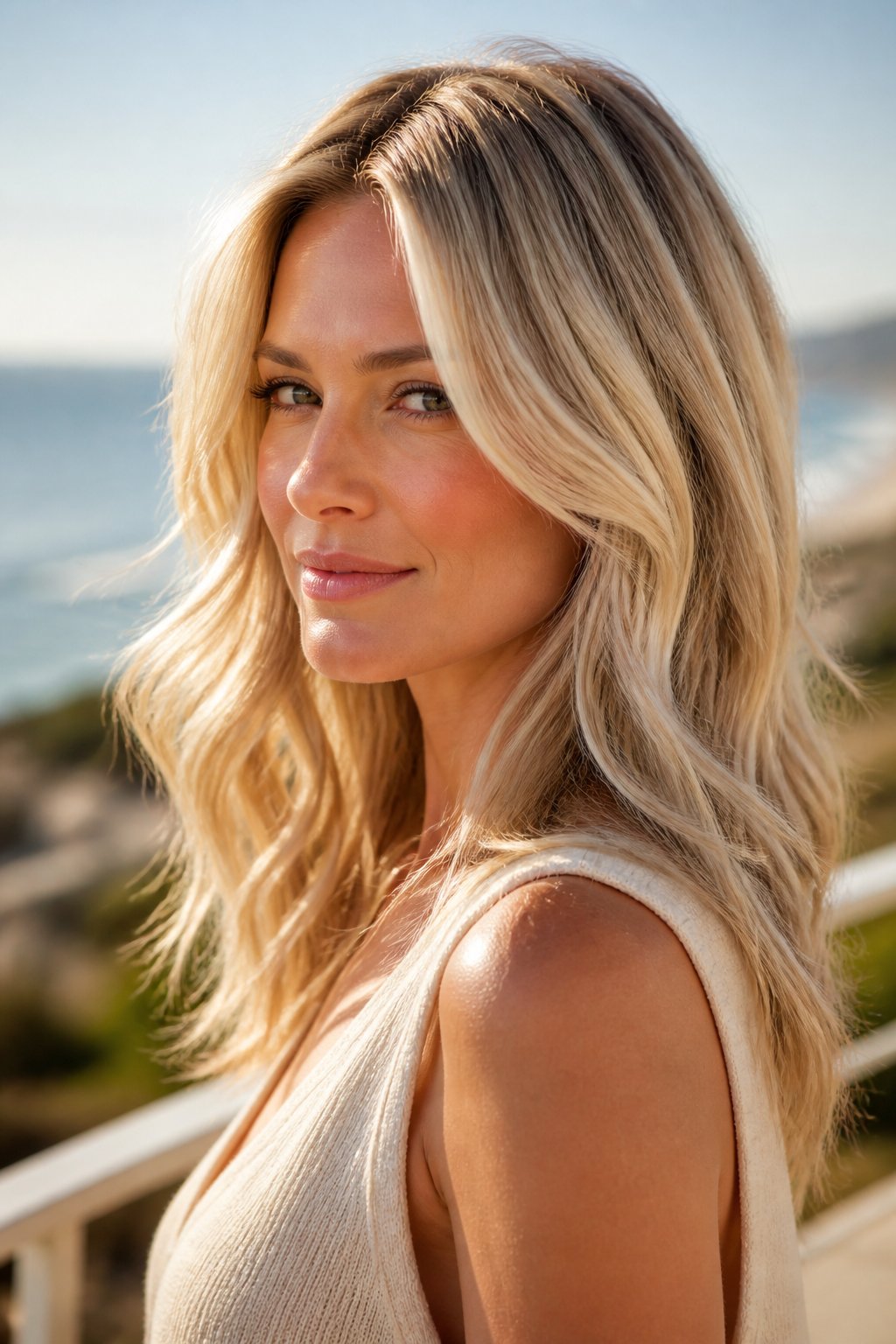
Malibu blonde is cool, bright, and unapologetically sunny, evoking the kind of color you’d expect after a summer spent outdoors. Unlike a soft balayage melt, this look often uses foiled highlights for a crisper, more defined finish.
Because the highlights are placed with intention rather than a loose, painterly hand, the color tends to look fresh and vibrant for longer between salon visits. The defined placement also makes it easier for a colorist to touch up only the areas that need it.
It pairs beautifully with layered waves, which add movement and keep the overall style feeling relaxed rather than overly polished.
25. Smoky Blonde
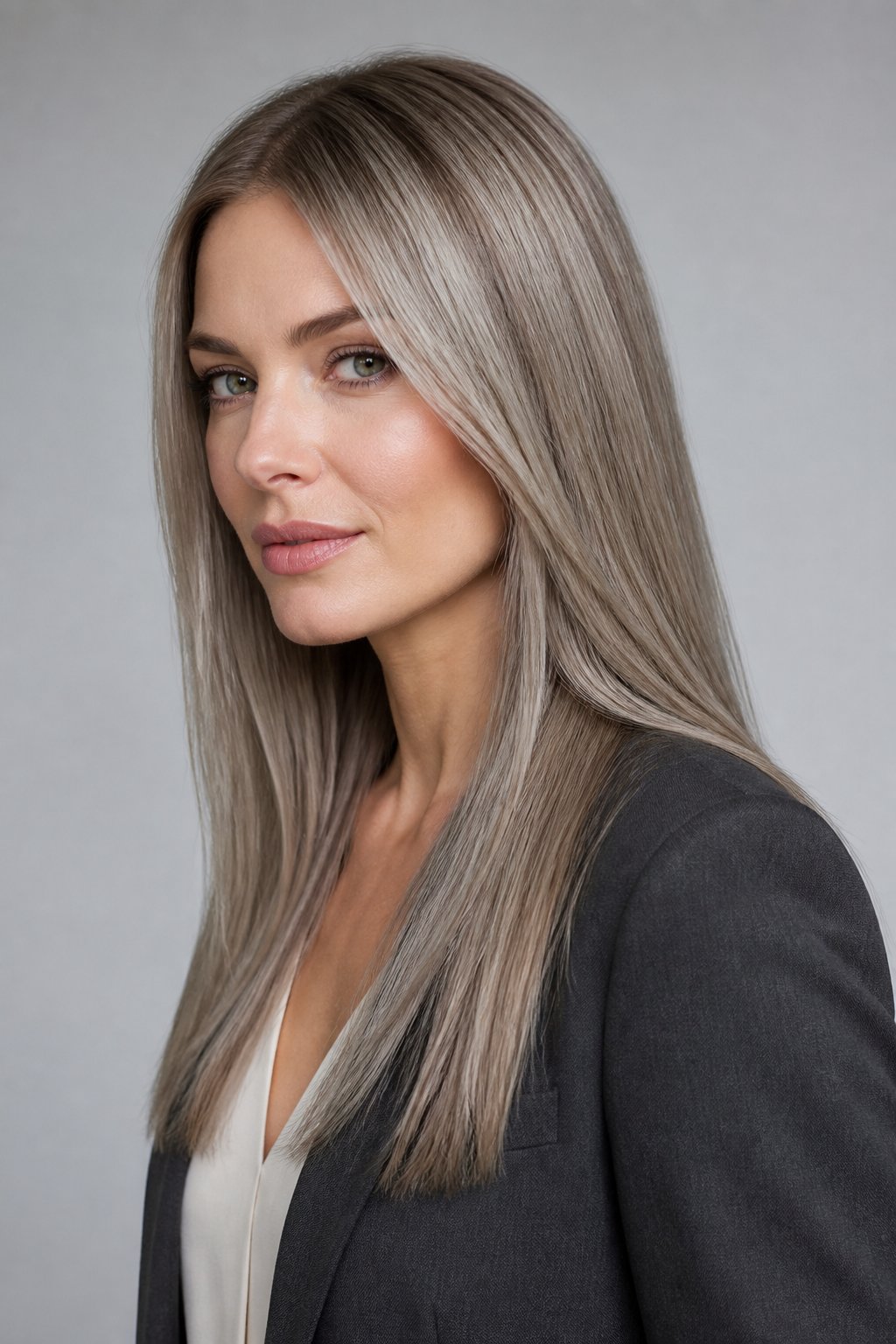
Smoky blonde skips warm, golden tones entirely in favor of a muted, gray-tinged finish that feels a little moodier and more modern. It’s a striking alternative for anyone who finds classic golden blonde too predictable.
Because the undertone is cool and muted rather than warm, this shade tends to fade toward a soft beige rather than an unwanted yellow, which keeps toning needs relatively low. It’s also a natural complement to silver or gray strands.
This color looks especially sophisticated with sleek, straight styles that let the smoky tone take full center stage.
26. Toasted Almond Blonde
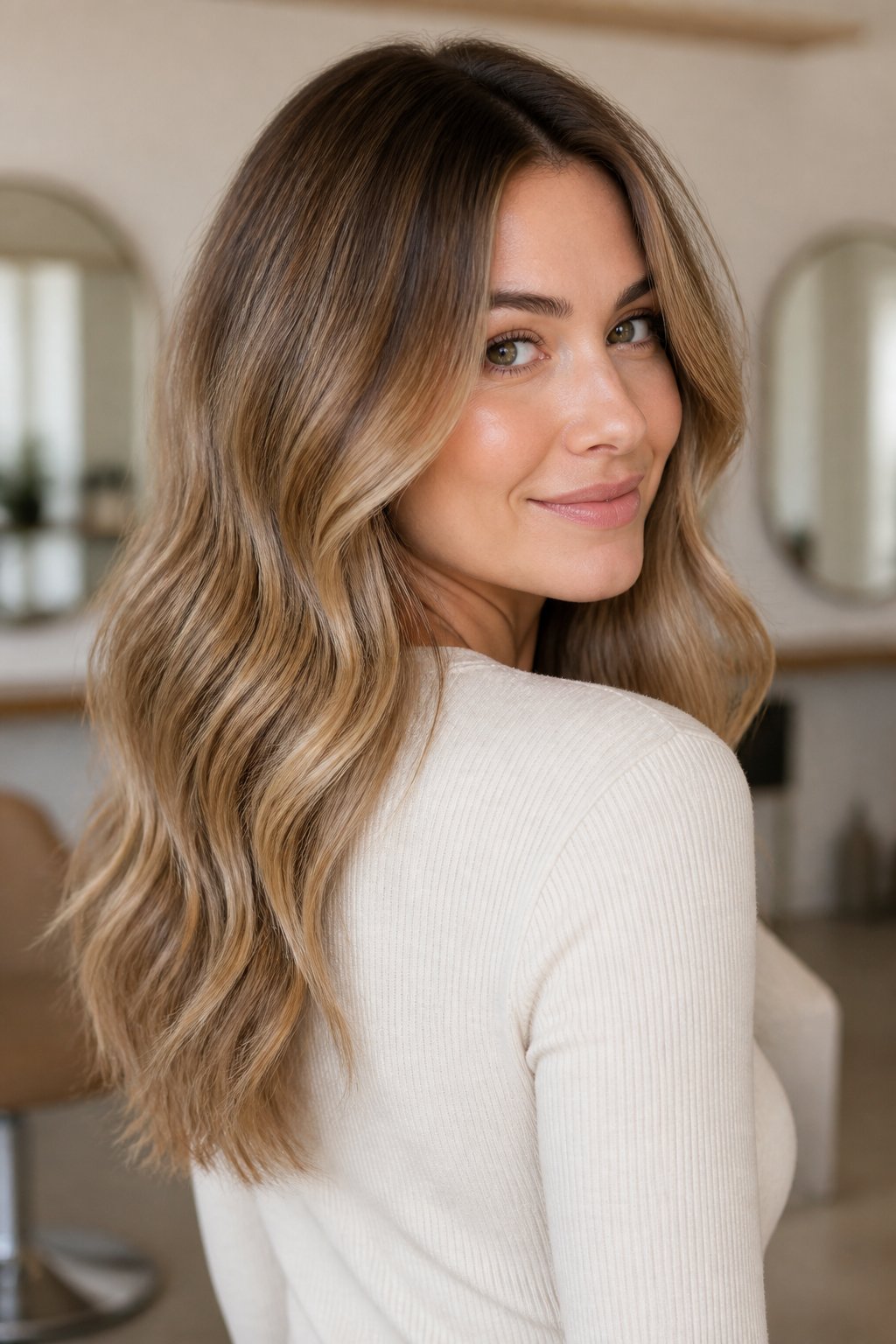
Toasted almond blonde has a warm, nutty quality that feels grounded and natural rather than dramatic. It’s often paired with lightened tips for a bit of extra brightness right where the light naturally falls.
Because the overall base stays close to a natural light brown or dark blonde, this shade requires far less lightening than something like platinum or icy blonde. That translates directly into less frequent, less intensive salon visits.
It’s a great option for anyone coming from a darker natural color who wants a noticeable but subtle shift toward blonde.
27. Pearl Blonde Highlights
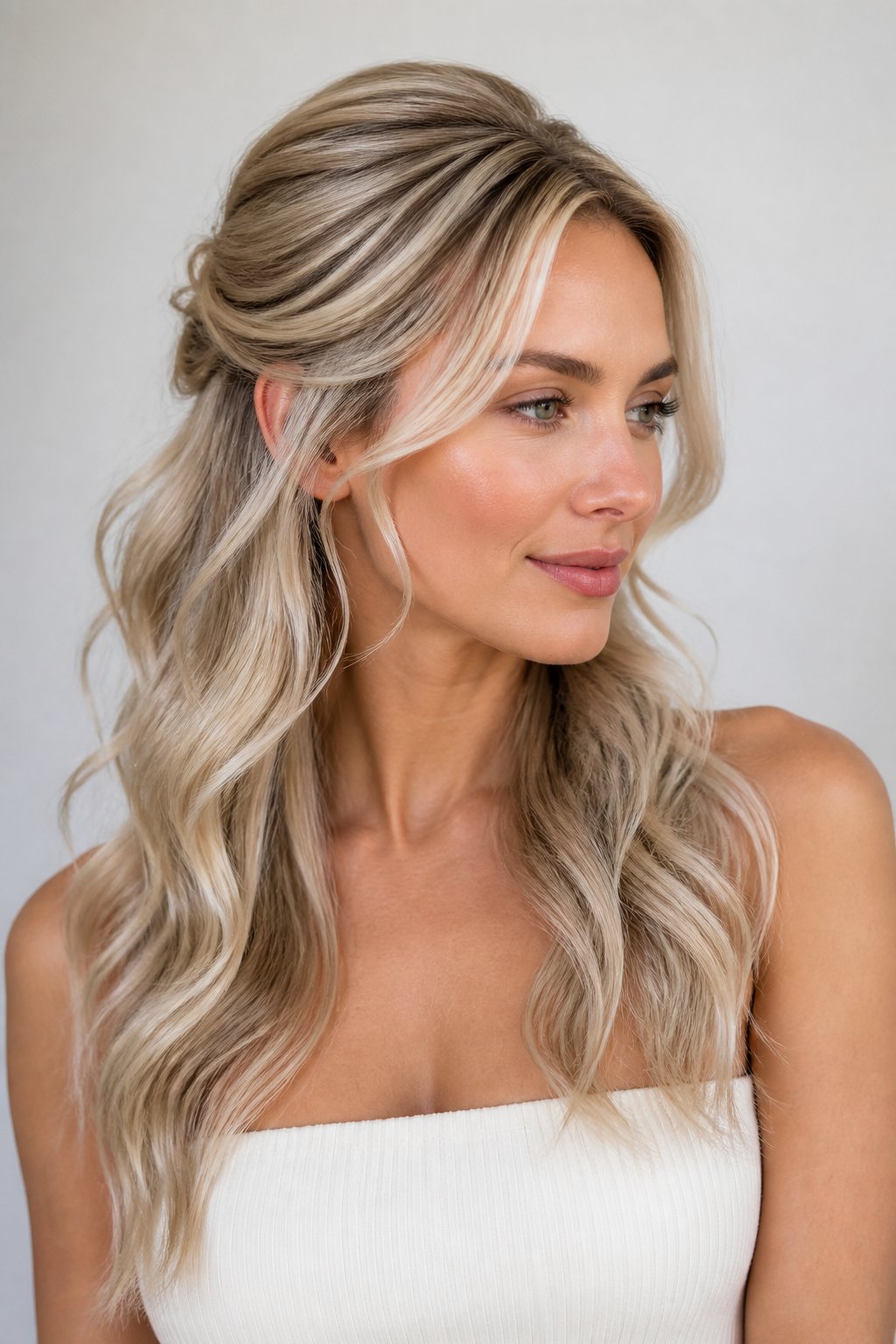
Pearl blonde highlights bring a cool, almost iridescent quality to the hair, adding dimension without a stark, flat brightness. The tone has a soft shimmer that reads as polished rather than harsh.
Because pearl tones lean cool, they tend to resist brassiness particularly well, which reduces how often a toning treatment is needed. Many people find this shade holds its clarity for a long stretch between visits.
It looks stunning styled half-up, since the brightest pieces frame the face from multiple angles as the hair moves.
28. Warm Honey Wheat Blonde
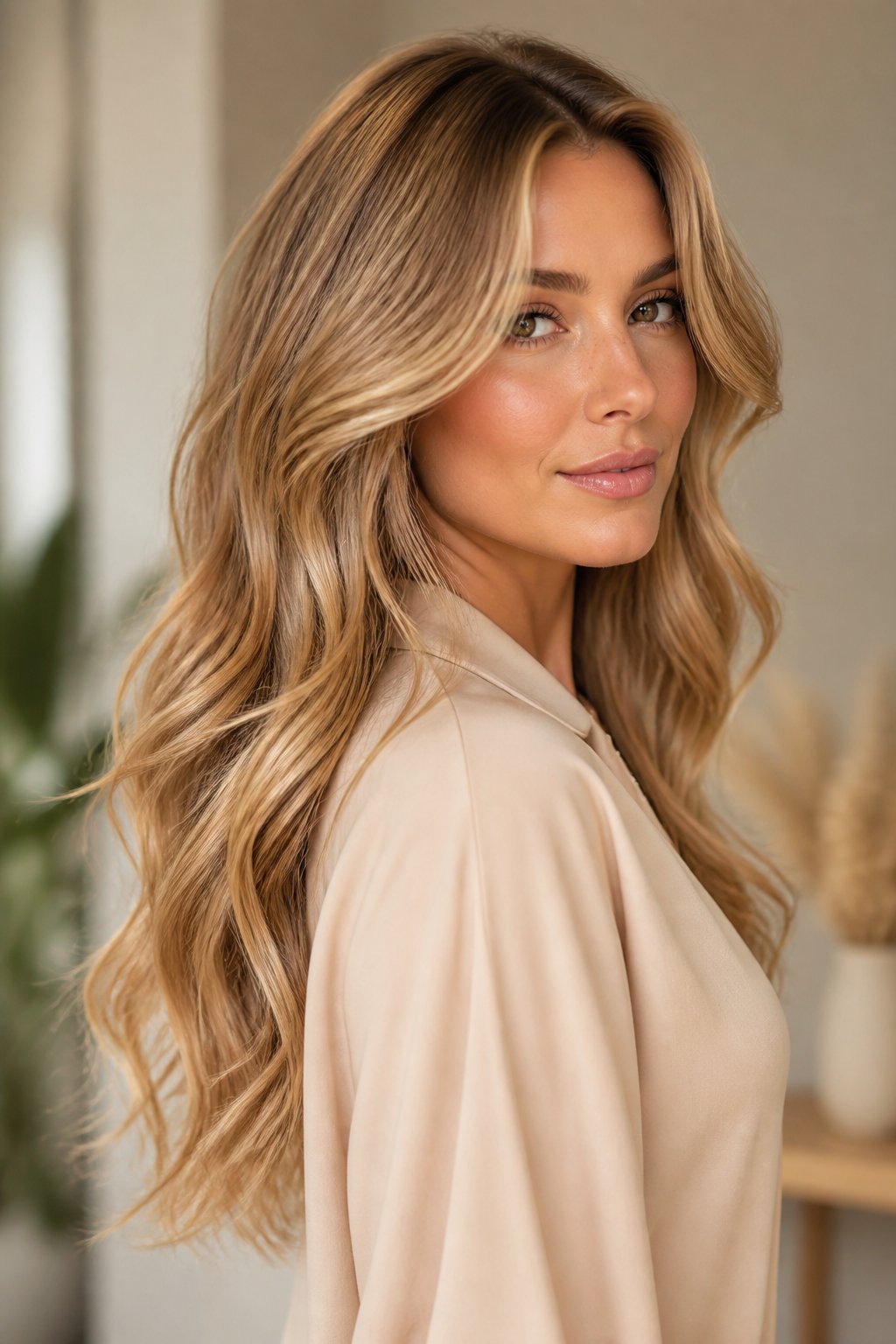
This shade blends the richness of honey with the golden-brown warmth of wheat, creating a multidimensional color that feels both warm and sophisticated. It’s a slightly more complex build than a single-tone honey blonde.
Because several warm tones are layered together, the color naturally masks regrowth better than a flat, single-process blonde would. The variation gives the eye plenty to look at besides the root line.
It works beautifully whether hair is worn pin-straight or in loose waves, making it one of the more versatile options on this list.
29. Cookies and Cream Blonde
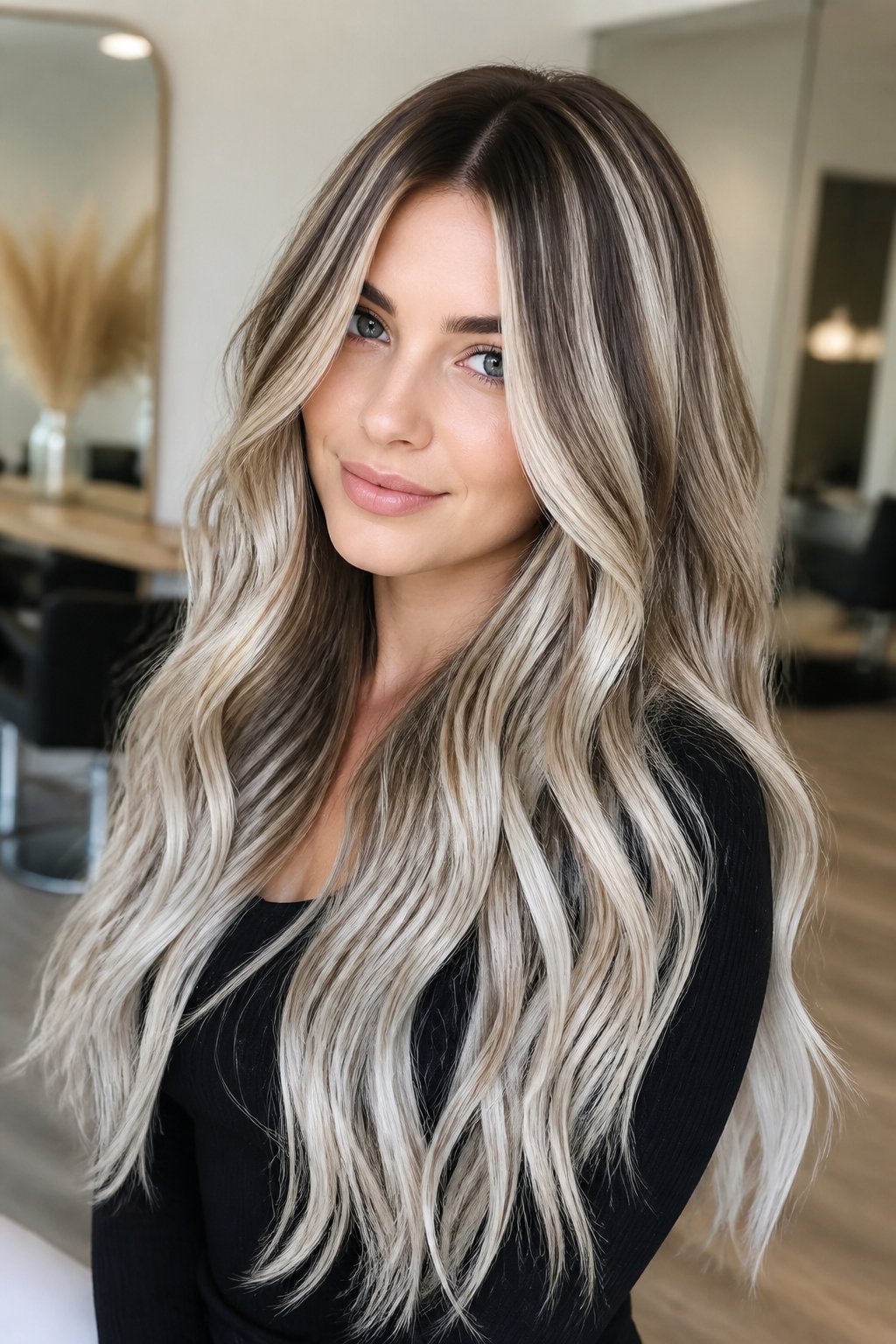
Cookies and cream blonde pairs deep brunette roots with icy, cream-toned ends for serious contrast and visual drama. Chunky, ribbon-like highlights create a bold, graphic effect rather than a soft, seamless blend.
Even though the contrast is high, the deep root actually works in your favor for upkeep, since it can be left to grow out for a long stretch before it looks like it needs attention. The dramatic effect is part of the design rather than something to hide.
This look shows up best on longer hair, where there’s enough length for the deep root and icy ends to create real visual impact.
30. Platinum Ash Blonde
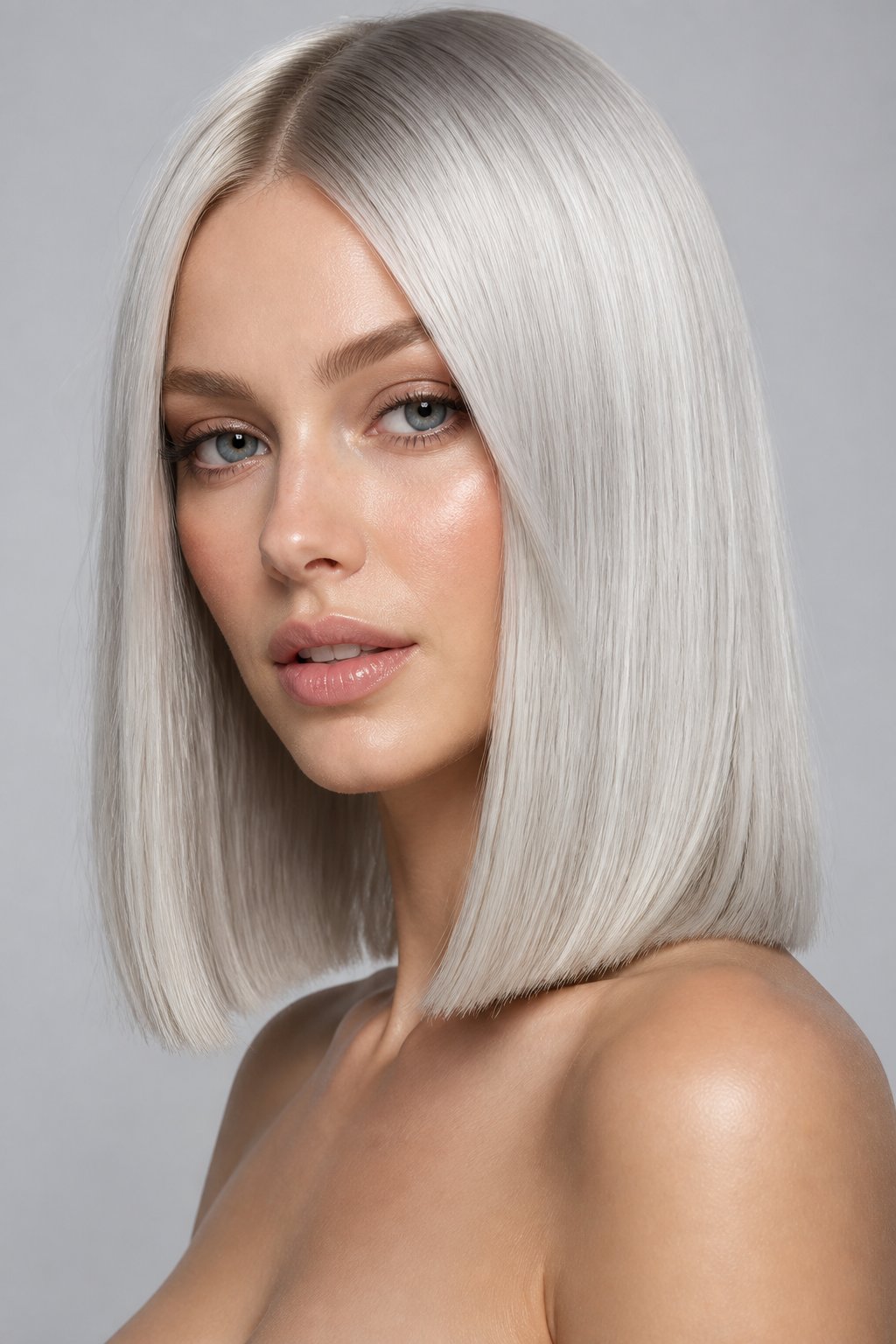
Platinum ash blonde is about as light and cool as blonde gets, combining maximum brightness with a smoky, gray-toned finish. It’s a bold, high-impact choice for anyone who wants their color to make a statement.
Because this shade requires significant lightening, it does call for a strong purple shampoo routine and occasional gloss refreshes to keep the tone from warming up between visits. Even so, many people find the root regrowth itself is less noticeable than expected, since the ash tone minimizes contrast.
A sleek, blunt cut is the classic pairing for this color, letting the cool, icy tone take center stage without any competing texture.
Key Takeaways
- Low-maintenance blonde is mostly about placement, not just shade — techniques like balayage, root smudging, and money piece highlighting all blend color into your natural base so regrowth looks intentional.
- Warmer tones (honey, caramel, toffee, butterscotch) tend to fade more gracefully and hide regrowth better than cooler, high-contrast tones like platinum or icy ash.
- Concentrating highlights only around the face or through the ends, rather than all over, cuts down dramatically on both time in the salon and damage to your hair.
- Cooler, ashier blondes need more consistent purple shampoo use to prevent brassiness, even though they can otherwise stretch just as long between appointments.
- The right low-maintenance blonde for you depends on your natural base color, your skin’s undertone, and how much contrast you’re comfortable growing out.
Conclusion
Choosing a low-maintenance blonde doesn’t mean you have to compromise on style. These 30 ideas show just how versatile blonde hair can be, from icy platinum and smoky ash tones to warm honey, wheat, caramel, and sandy beige shades.
The key to keeping blonde hair low-maintenance is smart color placement. Techniques such as balayage, shadow roots, root smudging, and face-framing highlights help the color blend naturally with your roots as your hair grows. This makes regrowth look softer and allows you to go longer between salon appointments.
Before choosing your next blonde shade, consider your natural hair color, skin undertone, and how much upkeep you are comfortable with. Taking a few inspiration photos to your stylist can also help them customize the perfect low-maintenance blonde look for you.
Frequently Asked Questions
How often do low-maintenance blonde colors need a touch-up?
Most low-maintenance blonde techniques, including balayage and root smudging, can usually last around 10 to 16 weeks between full color appointments. A gloss or toner refresh between visits can help keep the color looking fresh for even longer.
What is the lowest-maintenance blonde hair color?
Bronde and rooted balayage are among the easiest blonde styles to maintain. Both keep a deeper natural-looking root while adding lighter pieces through the lengths, which helps regrowth blend in more naturally.
Do cool blonde shades require more maintenance than warm blondes?
Cool blonde shades such as platinum and ash blonde may not always require more frequent root touch-ups, but they usually need more toning care. Purple shampoo can help reduce yellow or brassy tones and keep cooler shades looking fresh.
Can I get low-maintenance blonde hair if my natural hair is dark?
Yes. Styles such as shadowed balayage, reverse balayage, bronde, and toasted almond blonde work especially well with darker natural hair. Keeping more depth at the roots reduces the amount of lightening needed and creates a softer grow-out.
How can I make my blonde hair color last longer between salon visits?
Use a color-safe, sulfate-free shampoo, apply a hydrating hair mask regularly, and limit excessive heat styling when possible. For cool blonde shades, a purple or blue toning shampoo can also help control brassiness and maintain the color between professional appointments.


