



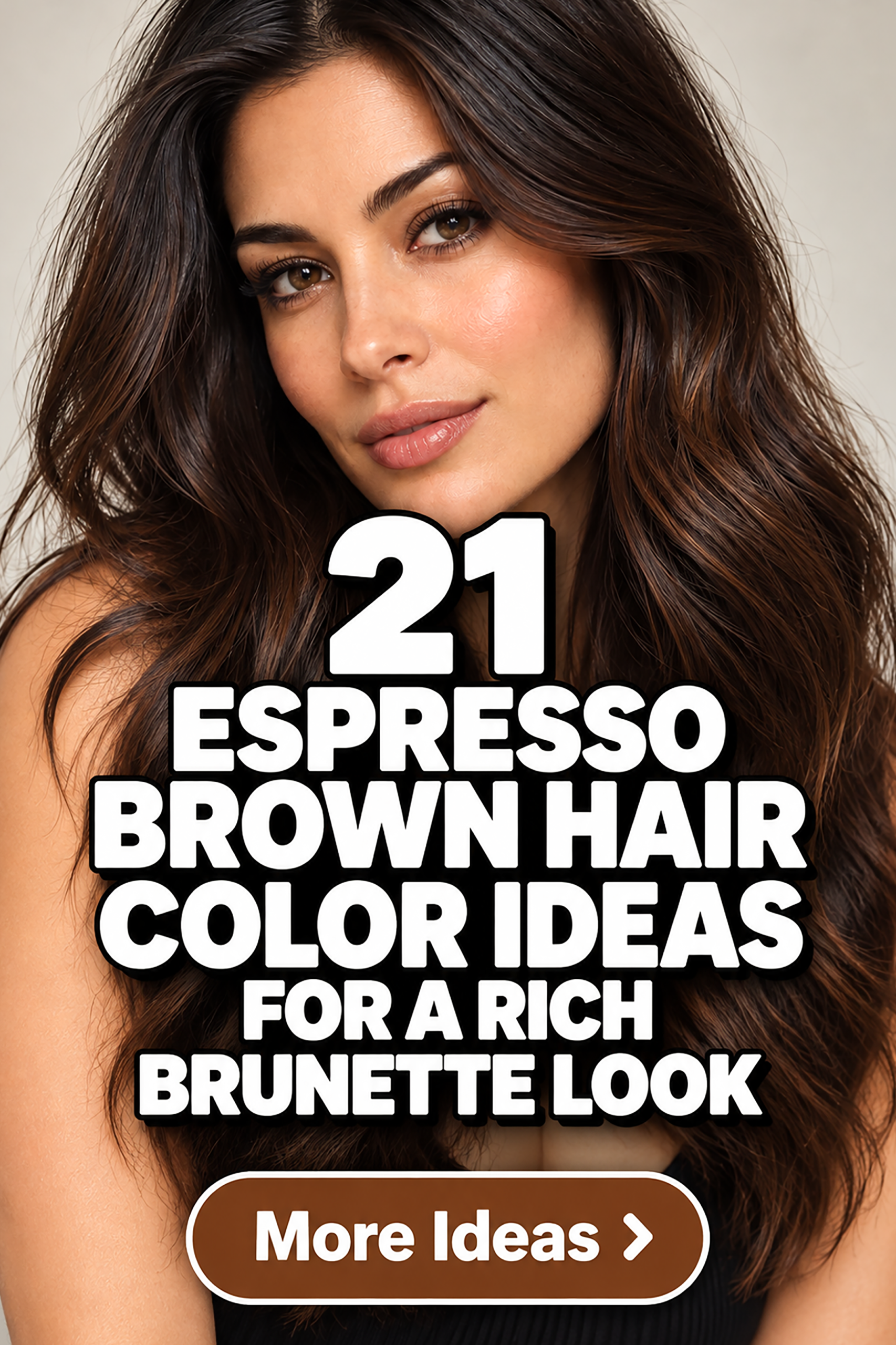
Espresso brown hair is one of the deepest brunette shades, sitting close to black while still maintaining a rich brown appearance. Inspired by the dark, roasted tone of espresso, this shade can look bold and dramatic indoors, then reveal subtle brown warmth or cooler undertones in brighter light. That balance gives espresso brown its appeal: it offers the depth and polished look of very dark hair without appearing completely flat or one-dimensional. Depending on the formula, the color can lean neutral, cool, or softly warm, and it works beautifully with both sleek, glossy finishes and more dimensional styles. Whether your natural hair is already dark or you are transitioning from a lighter shade, espresso brown can create a sophisticated, rich brunette look with noticeable depth and shine.
1. Classic Espresso Brown
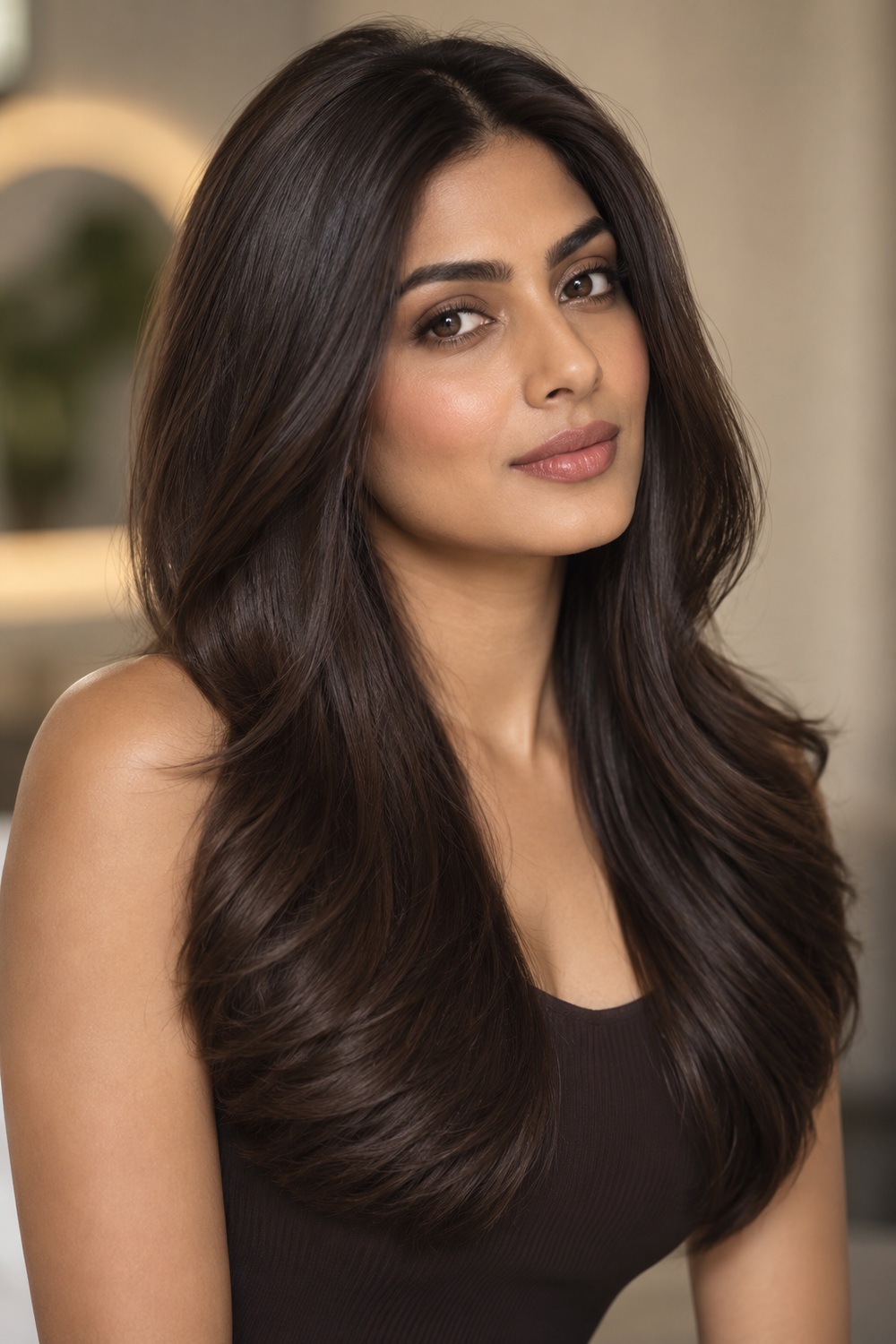

Classic espresso brown is the benchmark version of this shade: a deep, even brunette with a neutral undertone that avoids leaning too warm or too cool. It is the color many people picture when they hear “espresso brown,” and it can look polished on a wide range of hair types because it is not strongly tied to either a warm or an ashy direction. This shade is often more straightforward to achieve on hair that is already medium to dark brown, since less lifting or corrective work may be needed. A blunt cut or a simple layered style can both showcase the shade well because the focus stays on its depth and evenness. Upkeep generally centers on limiting fading and refreshing the tone when it begins to look dull.
2. Glossy Espresso Brunette
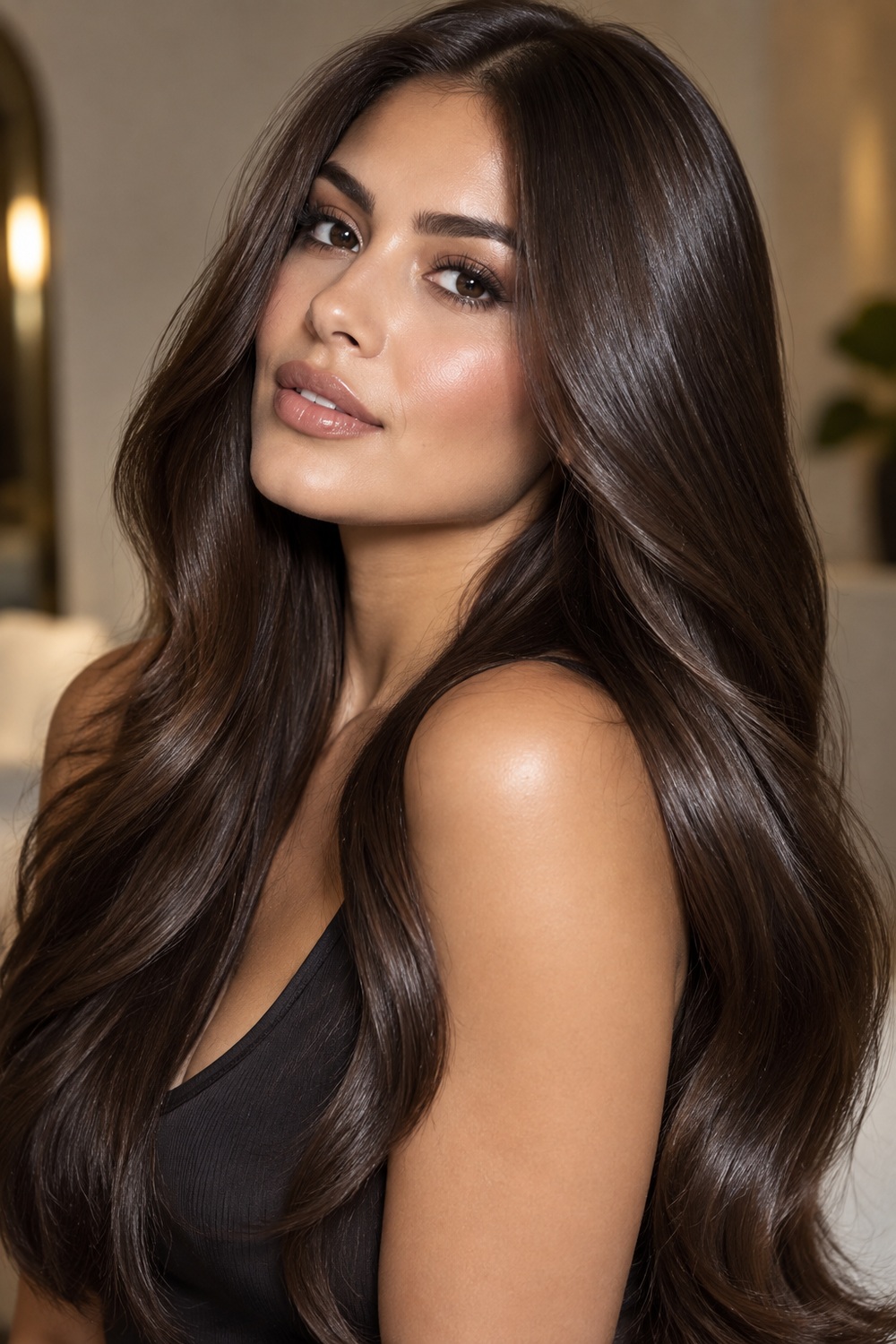
This version emphasizes shine as much as shade. A glossy espresso brunette look pairs a deep brown base with a smooth, reflective finish that makes the color appear richer under the light. Hair that is well-conditioned generally shows this glassy effect more clearly, so a smoothing routine and consistent heat protection can make a noticeable difference in the finished look. Straight styles and polished blowouts display the reflective quality especially well, though smooth waves can create the same luxurious effect with more movement. If shine is a priority, ask your stylist whether a clear or tinted gloss would suit your color plan. A gloss can enhance the tone and refresh surface shine without changing the overall espresso direction.
3. Cool-Toned Espresso Brown
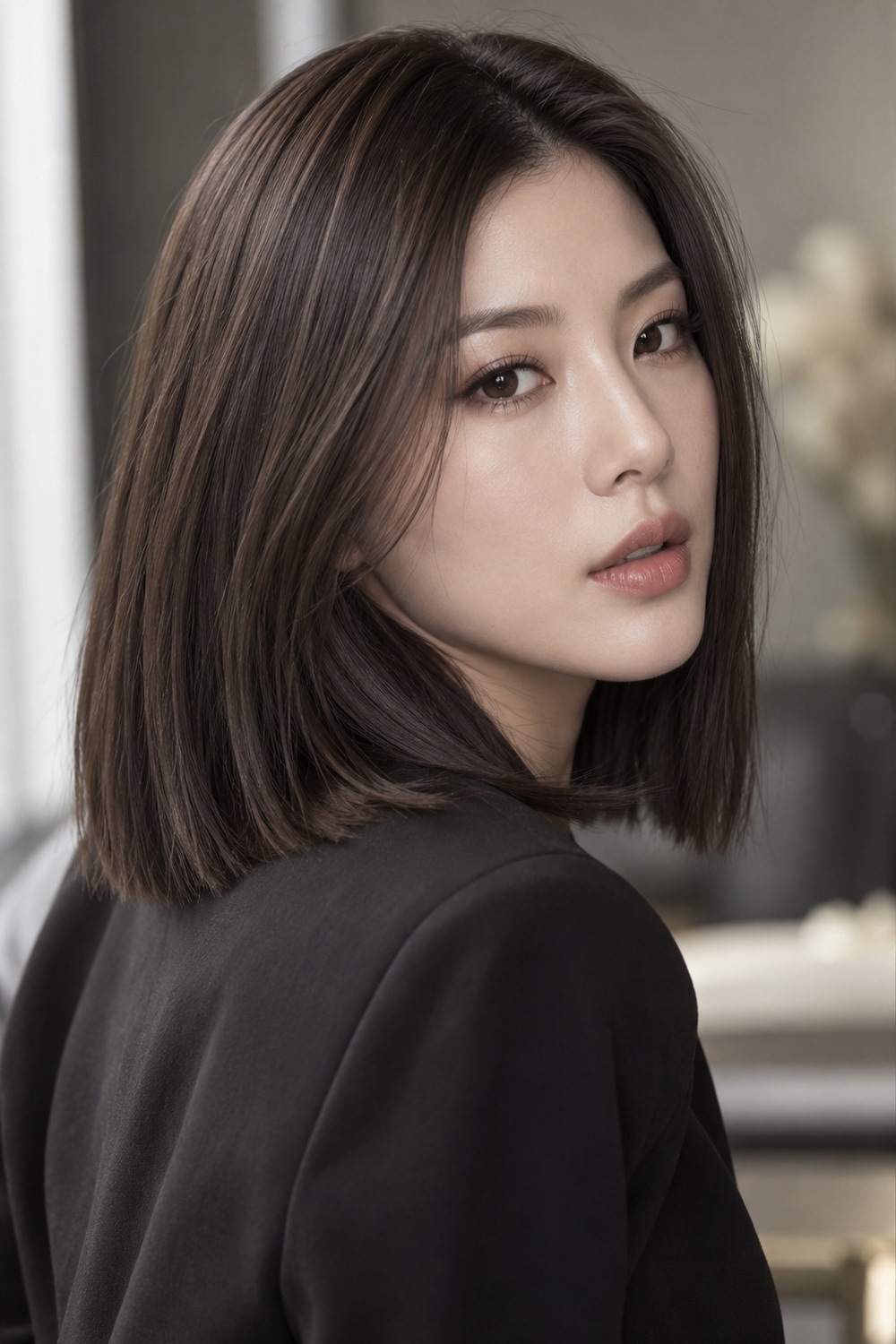
Cool-toned espresso brown pulls slightly ashier, minimizing red or orange undertones that can sometimes surface in dark brunette color as it fades. This version tends to appeal to people who find that neutral or warm dark brown shades shift too quickly toward brassy tones between salon visits. It can complement cool or neutral undertones particularly well, though the right formula depends on the individual’s natural pigment and how the hair has been previously colored. Hair that’s never been lightened usually takes a cool espresso tone more predictably than hair with a warmer color history. A glossy, low-layer cut helps keep the ash tone looking intentional rather than muddy. Toner refreshes are typically more important for this shade since cool tones tend to fade toward warmth over time.
4. Neutral Espresso Brown
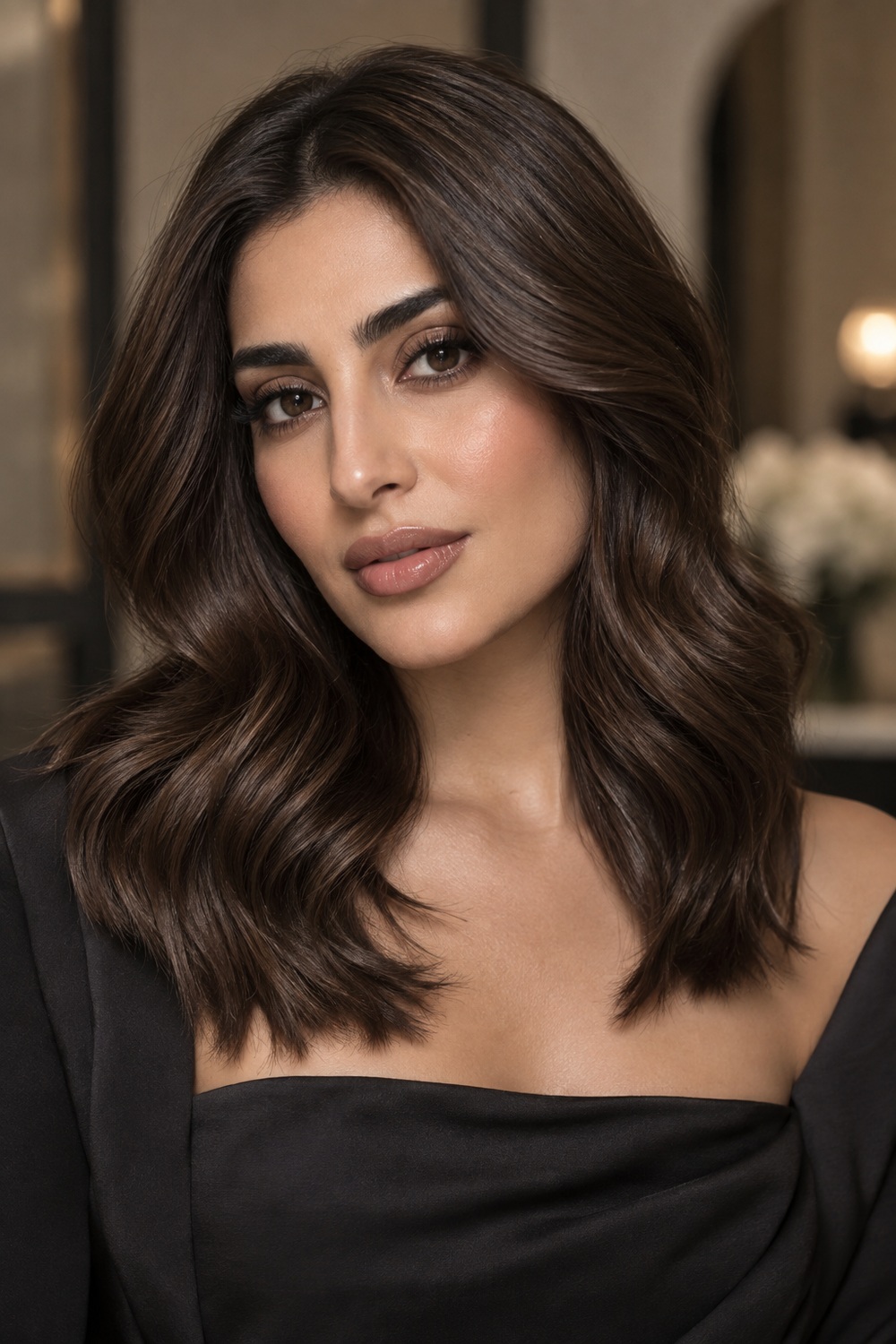
Neutral espresso brown sits directly between warm and cool, avoiding a strong pull in either direction. It is a versatile option for people who are unsure whether warmer or ashier tones suit them, since a balanced brunette can feel easier to wear as it grows out and fades. This shade can work well as either an all-over color or a base for future dimension because it can accommodate both warmer highlights and cooler babylights. Maintenance still depends on the starting color and hair history, but a neutral formula may show tonal shifts less dramatically than a strongly warm or cool shade. A stylist can formulate the color with a balanced brown base tailored to the hair’s underlying pigment.
5. Softly Warm Espresso Brown
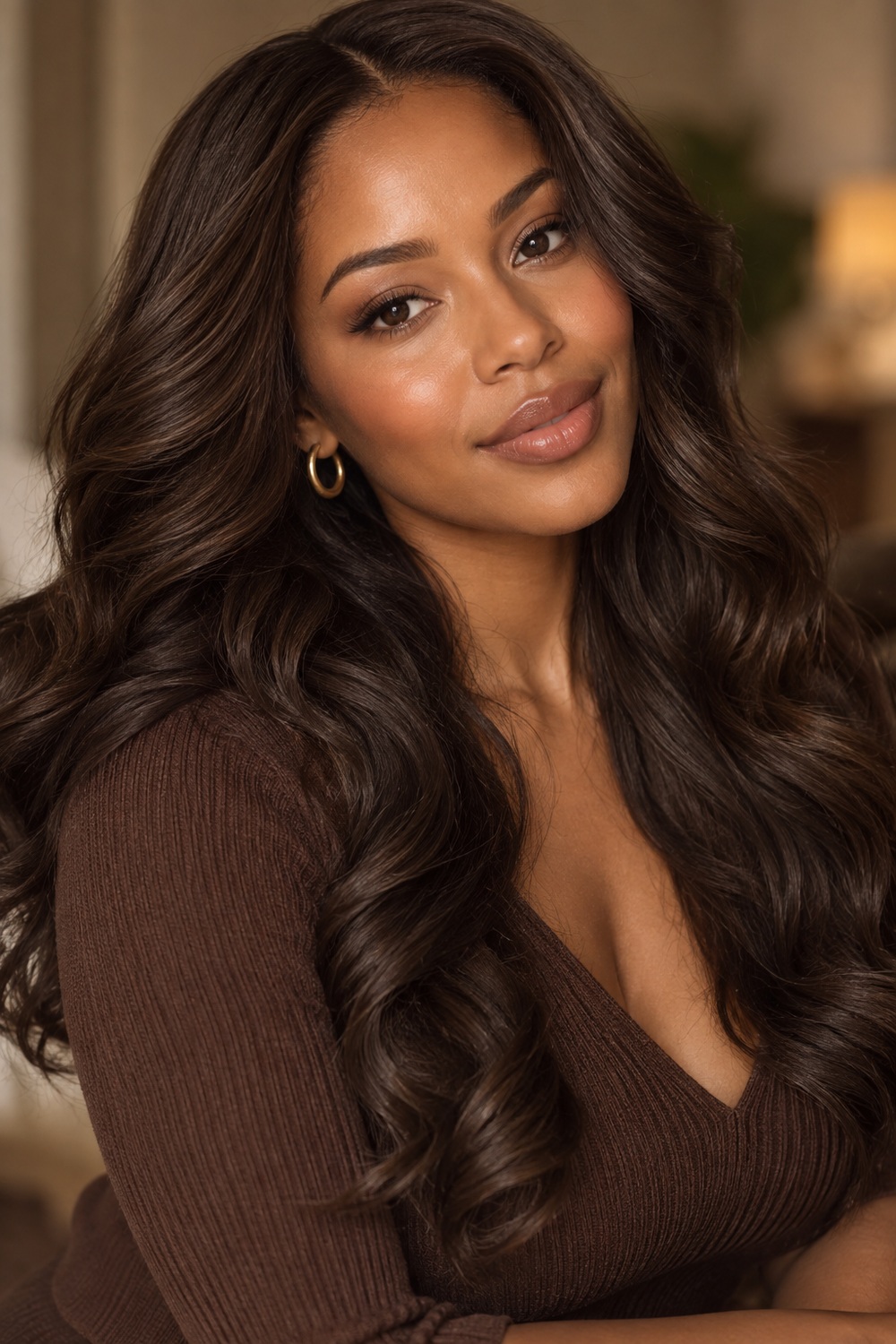
For those who want depth without an ashy or stark appearance, a softly warm espresso brown introduces a touch of warmth into the formula while staying dark enough to read as espresso rather than chocolate or mocha. The warmth here is subtle, more of an undertone than a visible red or copper cast, which keeps the color from veering into a different shade family. This look can be especially flattering on those with warmer natural coloring, though outcomes vary based on the individual’s skin and hair history. It tends to look natural on hair that has some warmth already present, since less correction is required. Regular gloss treatments can help maintain the intended softness rather than letting the warmth intensify with fading.
6. Deep Espresso Brown
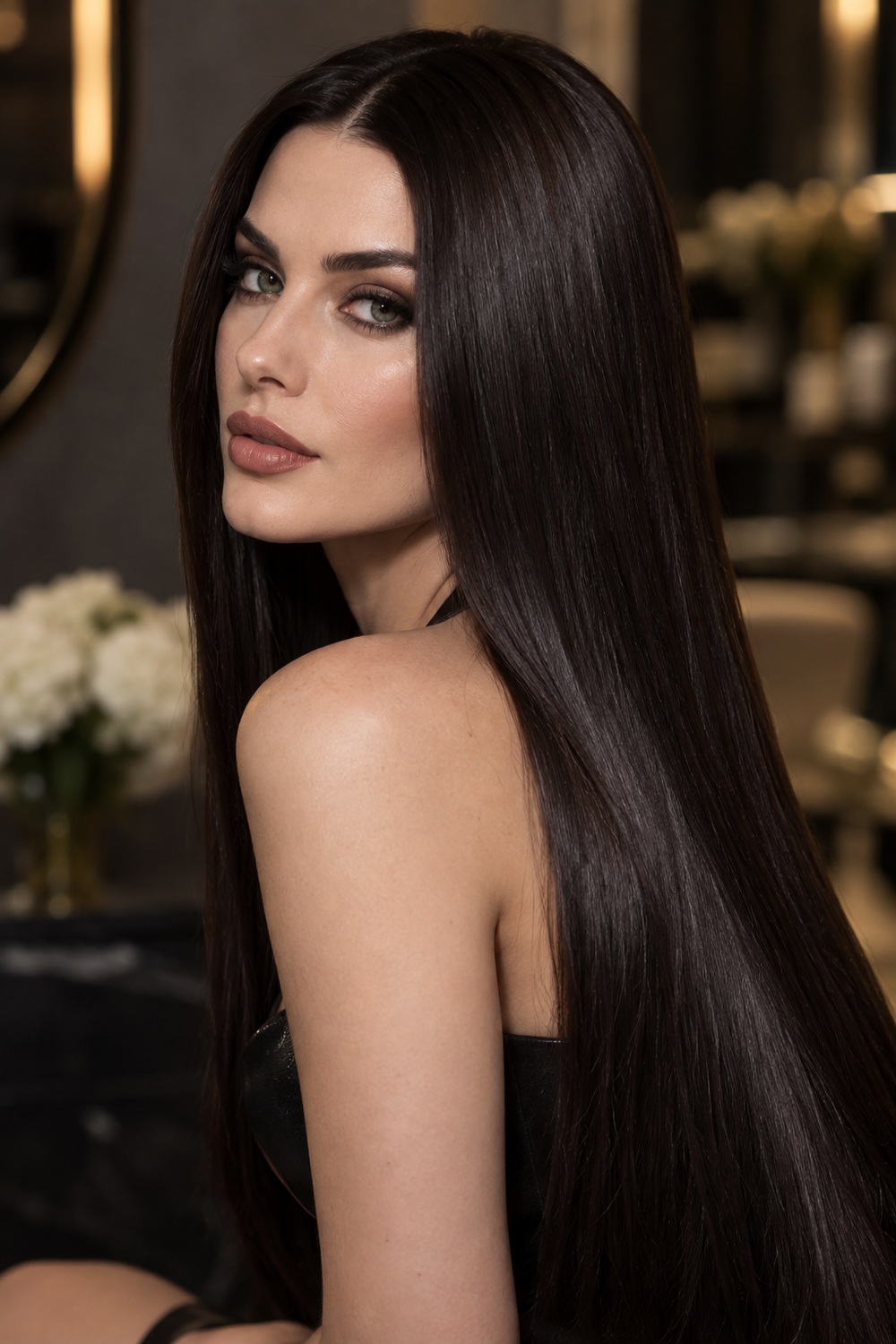
This is the darkest end of the espresso spectrum, sitting close to black while technically remaining a brown-based formula. In most indoor lighting, deep espresso brown can appear almost identical to black hair, with the brown warmth only becoming visible in direct sunlight or with strong backlighting. It’s a strong option for anyone who wants the drama of black hair but likes the idea of a color that reveals brunette tones outdoors. Because the color is so dark, it can provide noticeable gray coverage when the formula is designed for that purpose, although resistant gray hair may require additional formulation or processing considerations. A sleek, glossy finish enhances the richness of this shade, while a matte finish can make it look closer to flat black.
7. Espresso Brown on Long Hair
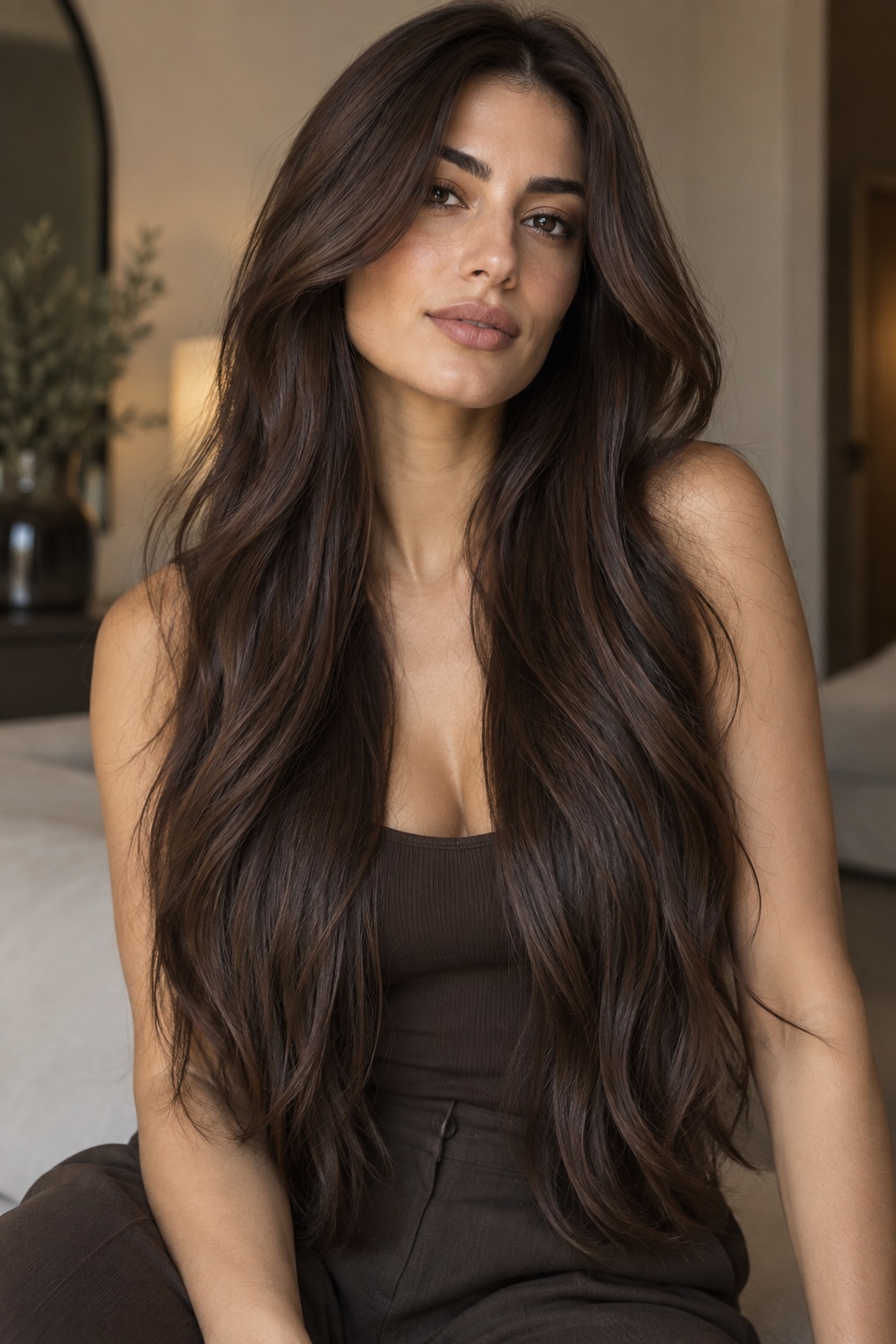
Long hair gives espresso brown room to show subtle dimension as the ends catch light differently than the roots, even within a single-process color. The added length also means the color has more surface area to reflect shine, which is part of why this shade often looks especially glossy on longer styles. Because long hair experiences more sun exposure and mechanical stress from brushing and styling, fading can be slightly more noticeable at the mid-lengths and ends over time. A trim schedule that keeps ends healthy will help the color read as intentional rather than worn. This length pairs well with soft layers, which allow movement without breaking up the depth of the espresso base.
8. Espresso Brown on a Bob
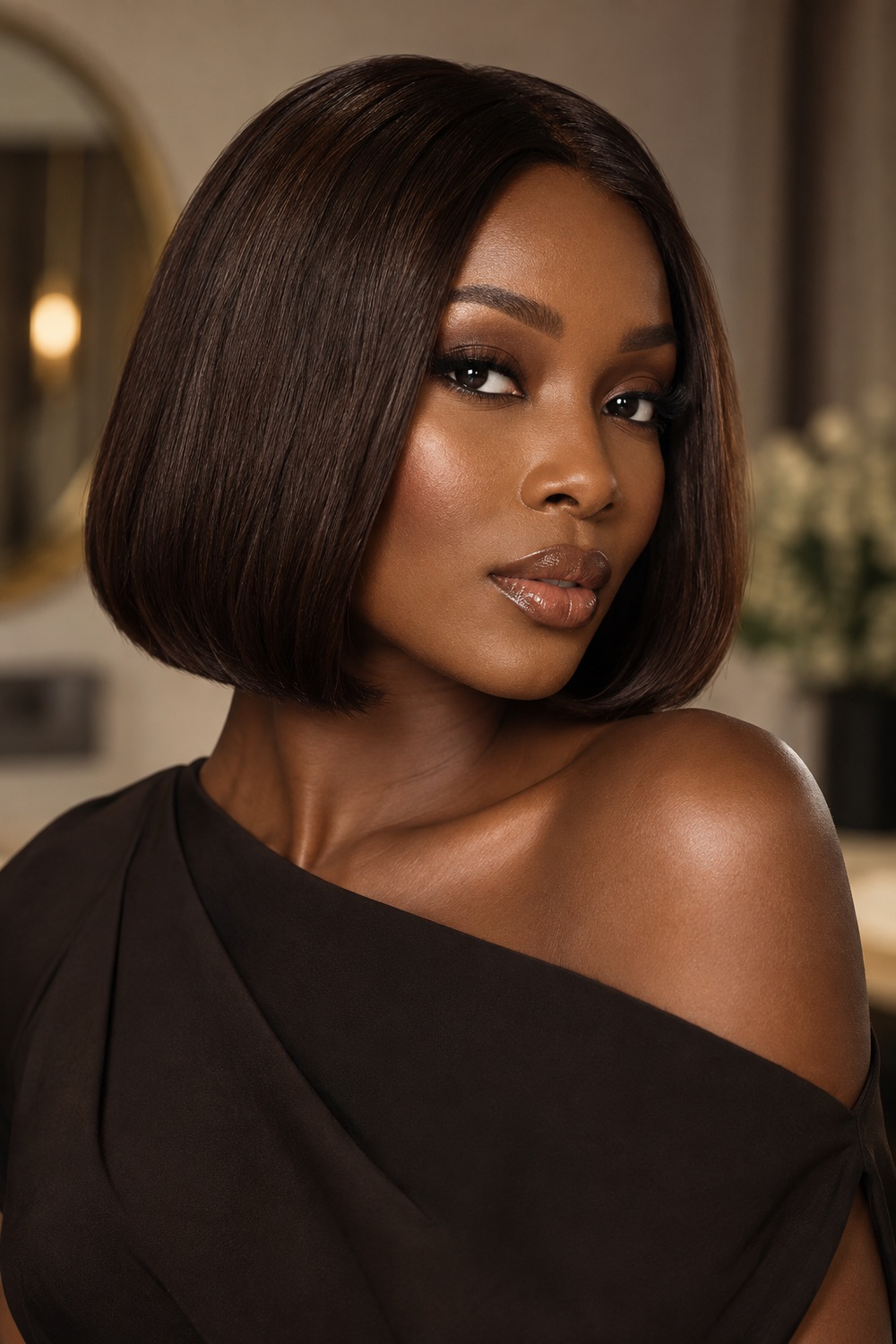
A bob offers a different kind of showcase for espresso brown, since the shorter length concentrates the color and creates a denser, more solid-looking finish. This can make the shade appear especially rich and saturated, particularly on a blunt or lightly graduated bob. Fine hair can look especially polished with this pairing because the shorter shape may create a fuller silhouette, while the solid deep color keeps the overall finish cohesive. Since bobs are trimmed more frequently to maintain shape, root touch-ups often align naturally with regular haircut appointments. A glossy finish tends to suit bobs well, giving the ends a polished, rounded look rather than a flat one.
9. Dimensional Espresso Brown
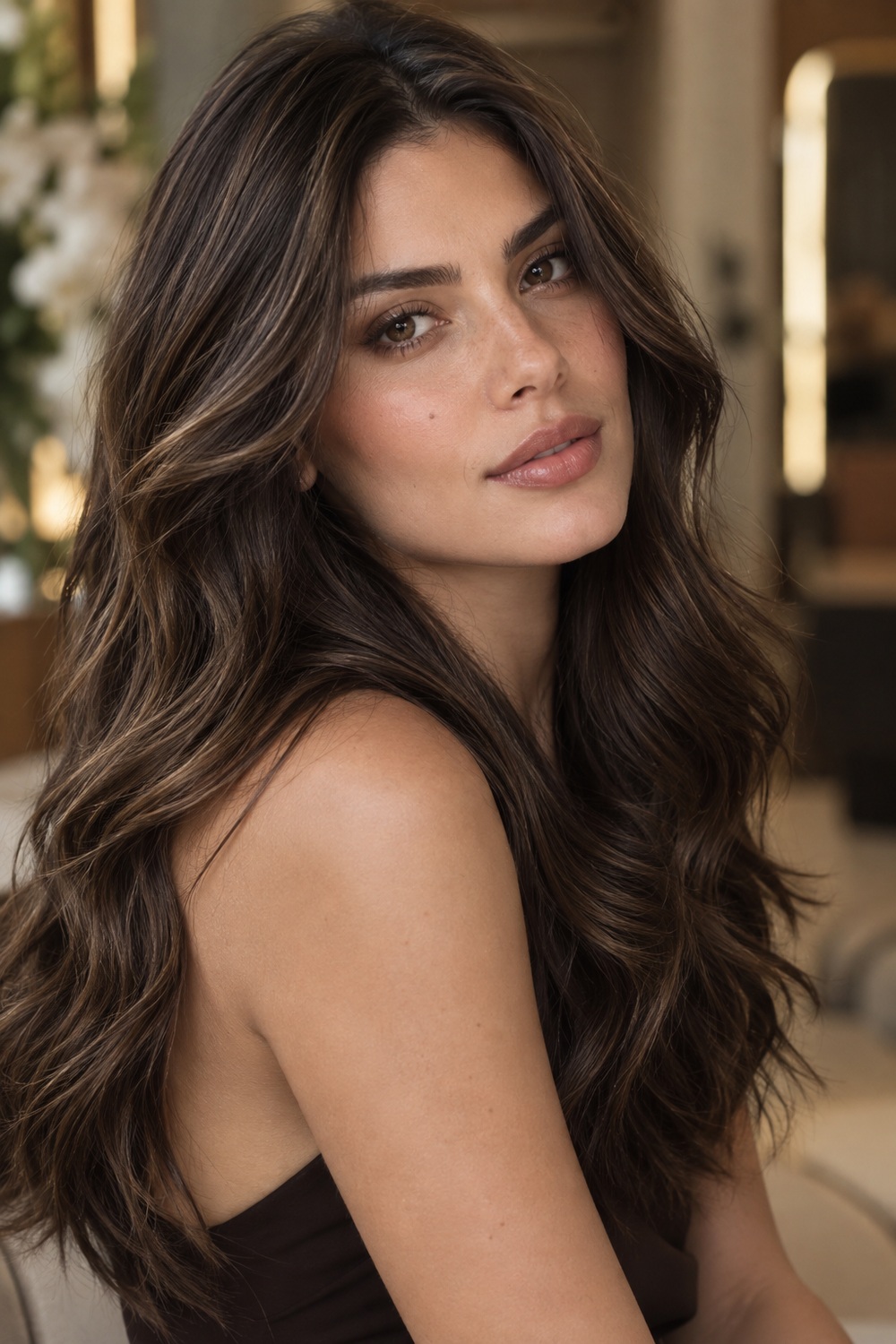
Dimensional espresso brown incorporates subtle tonal variation, usually through lowlights or a soft balayage technique, to break up what would otherwise be a completely flat single shade. The dimension is typically kept close in depth to the base color, so it reads as richness and movement rather than obvious contrast. This approach can work well for those who want the deep look of espresso brown without the color appearing overly uniform under bright light. Hair that already has some natural tonal variation may take dimensional color especially well, since the stylist can build on existing depth. Maintenance is generally similar to a solid espresso color, though blending new growth with dimensional pieces may take a bit more time in the chair.
10. Espresso Brown with Subtle Face-Framing Brightness
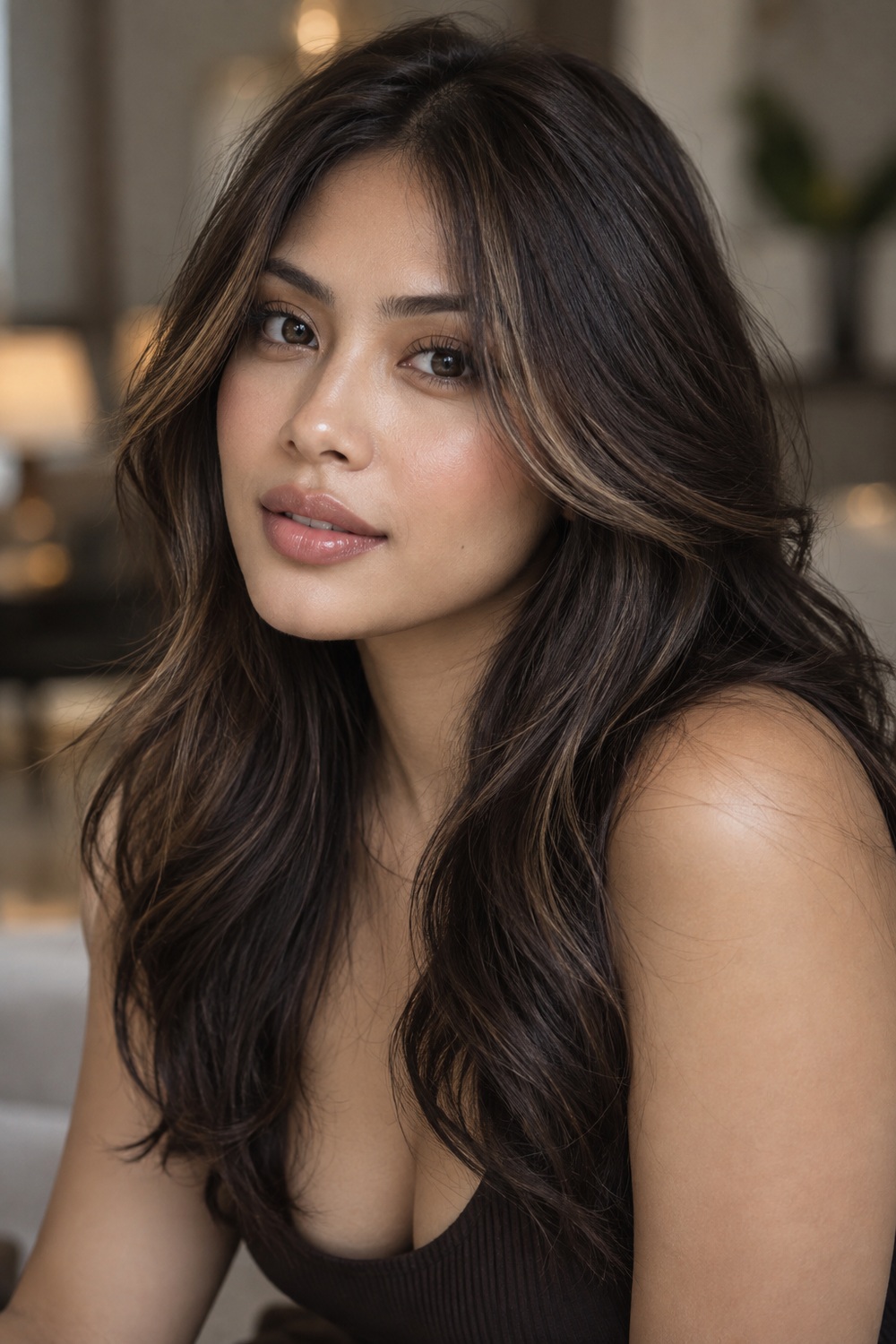
This idea introduces a small amount of lighter color, usually a few soft ribbons, directly around the face while keeping the rest of the hair a deep espresso brown. The contrast is intentionally subtle rather than dramatic, meant to add a bit of brightness near the face without disrupting the overall dark, rich look. It can be a good middle ground for people who like the concept of highlights but don’t want a heavily contrasted result. A stylist can adjust the amount of lift at the front to keep the contrast soft and consistent with the espresso base. Face-framing layers can help emphasize the placement of the lighter pieces. Because these lightened strands see the most fading, they may need a bit more frequent toning than the rest of the hair.
11. Espresso Brunette with Soft Ribbons of Light
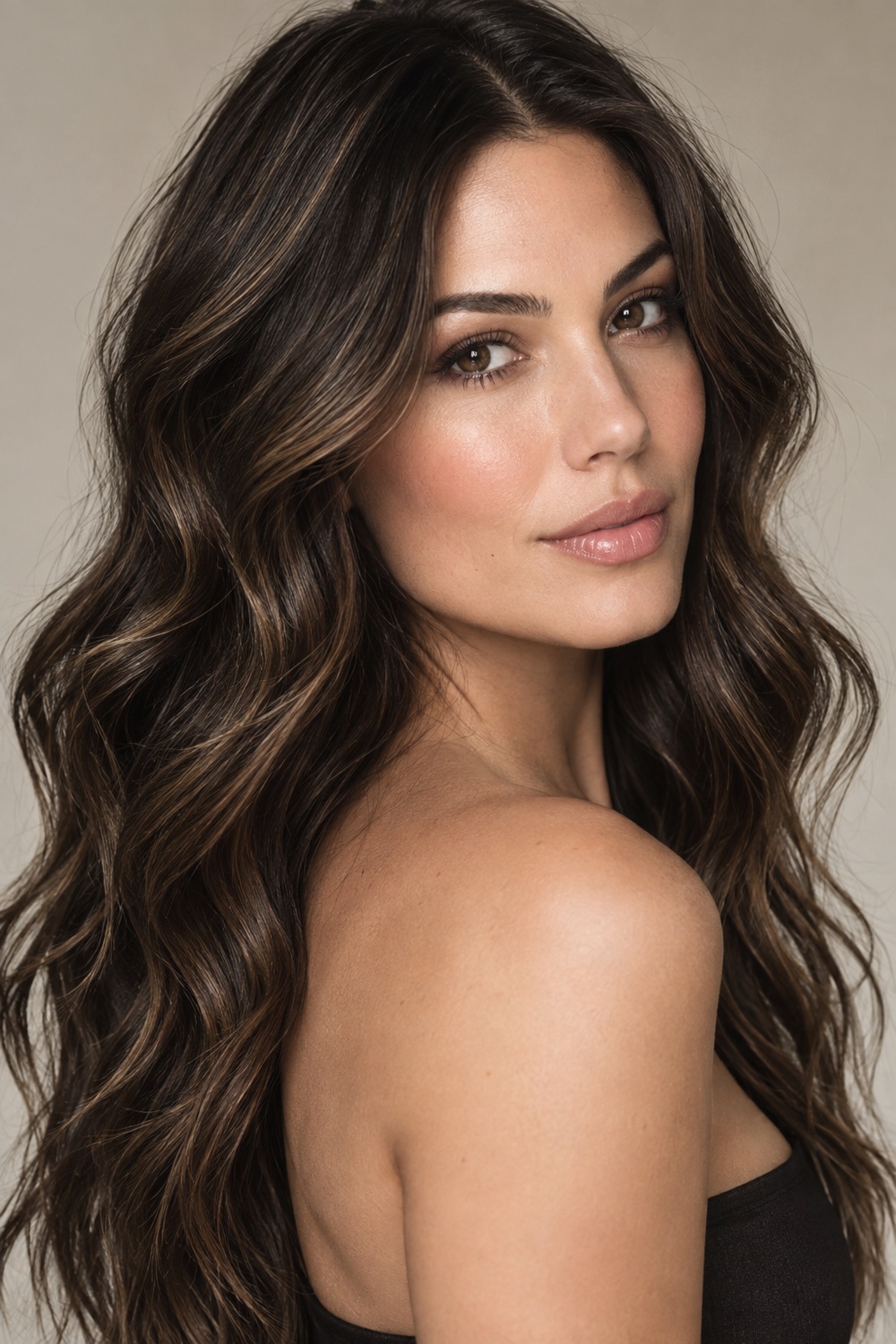
Slightly more widespread than face-framing brightness, this version adds fine, soft ribbons of lighter brown throughout the hair rather than concentrating them near the face. The ribbons are meant to look like natural sun-kissed variation rather than distinct highlights, so they’re typically painted in thin, irregular sections. This technique can add movement to hair that otherwise looks static in a single deep tone, especially when styled with waves or curls that let the lighter pieces peek through. Hair with some existing lift or previous highlights may be easier to work with here, since the stylist has more tonal range to shape. Because the ribbons are subtle, they tend to grow out more gracefully than heavier highlighting techniques.
12. Espresso Brown for Curly Hair
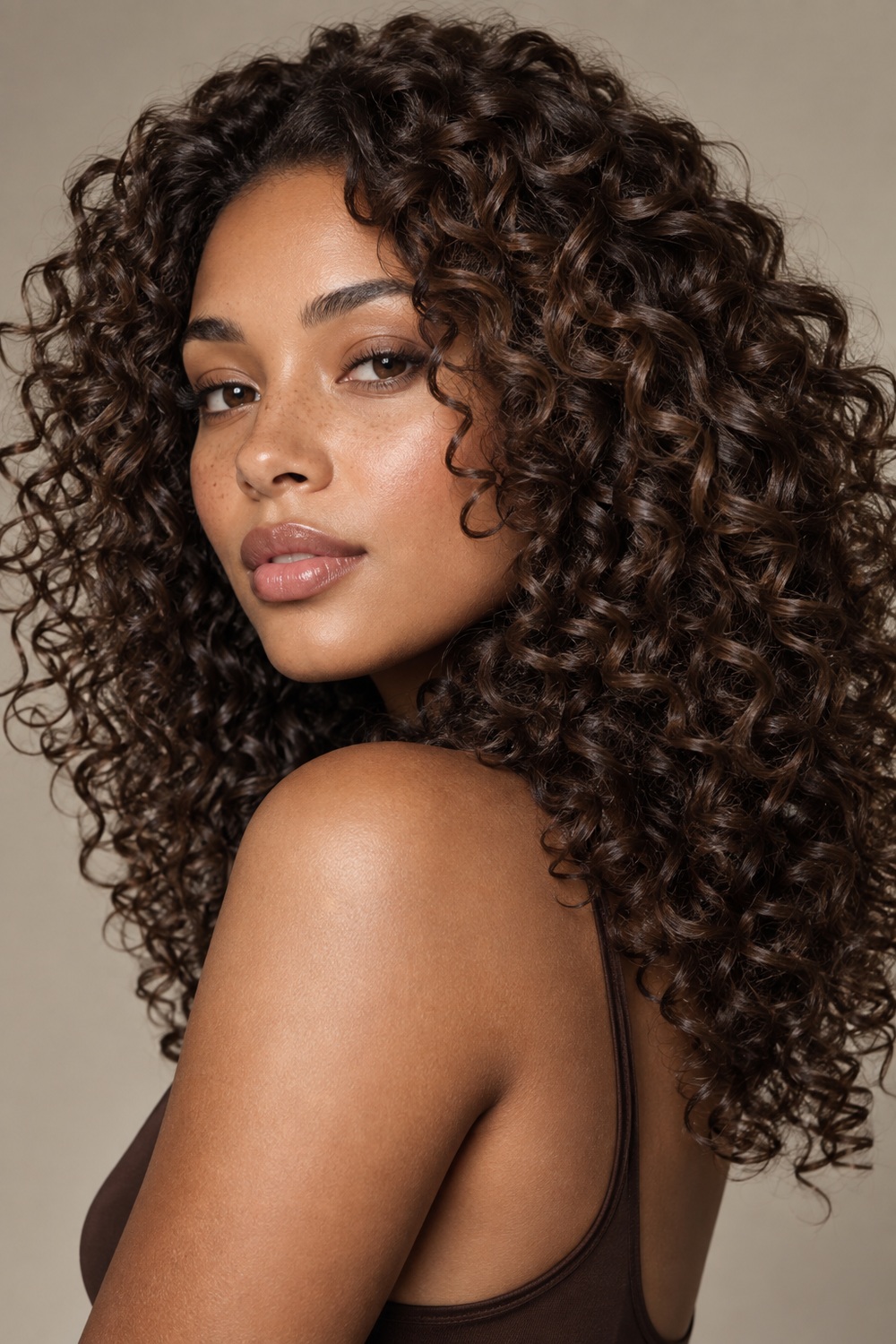
On curly and coily textures, espresso brown behaves differently than it does on straight hair because each curl catches and reflects light at a different angle, creating natural-looking depth even in a solid color. The color can appear richer in the curl’s shadowed areas and slightly lighter along the highlighted curves, giving curly styles a built-in dimensional effect. Curly or coily hair that is dry, porous, or previously chemically treated may process color differently from strand to strand, which a stylist can account for during formulation. Moisture-focused care can be especially helpful when the hair is prone to dryness, since a smoother, better-conditioned surface tends to show dark color more evenly. A well-defined curl routine helps keep the espresso tone looking consistent and vibrant.
13. Espresso Brown for Straight, Sleek Hair
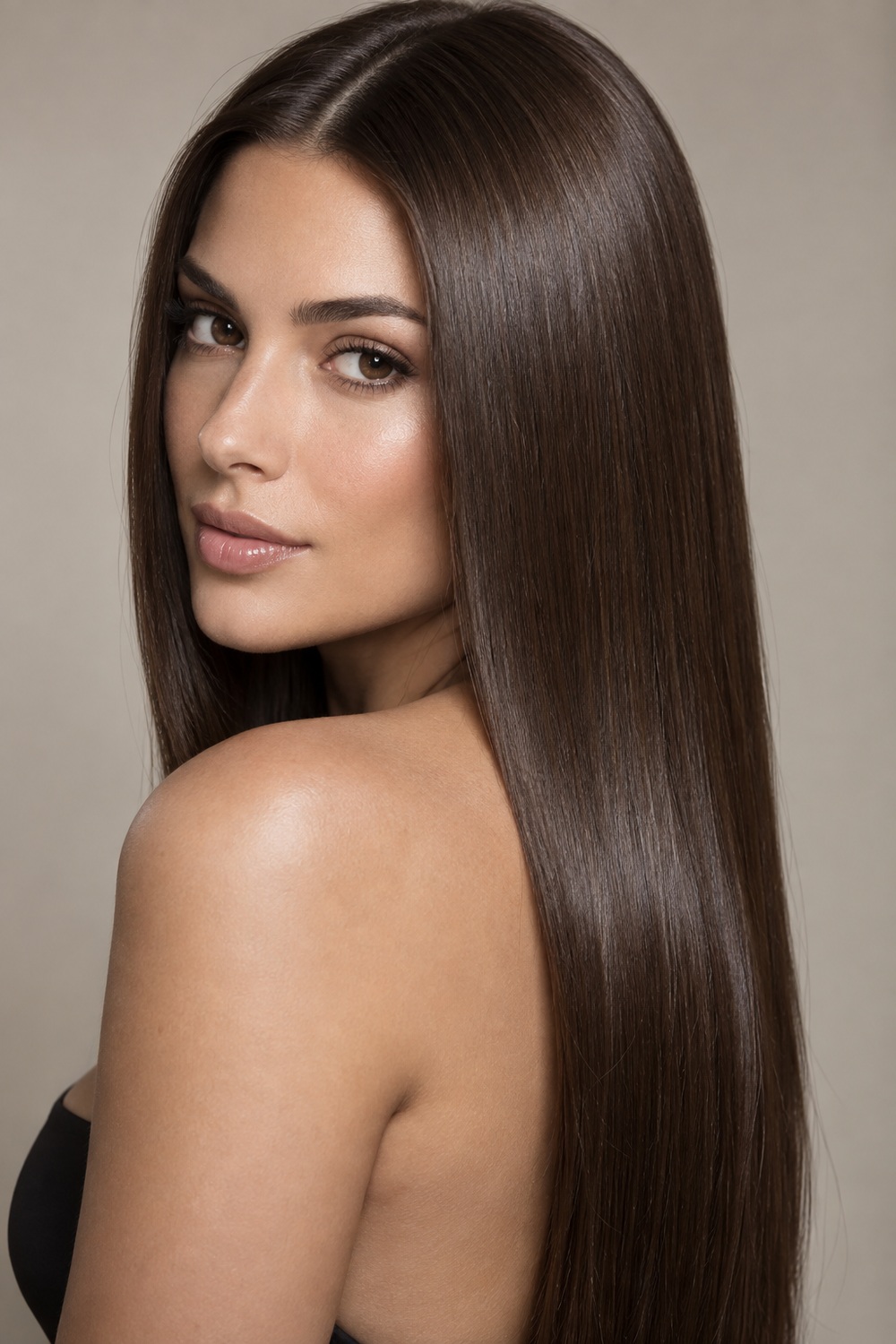
Straight hair offers a smooth, uninterrupted canvas for espresso brown, which tends to emphasize the color’s glossy potential more than its dimension. Because there’s no curl pattern to catch light unpredictably, the finished look often appears sleek and uniform, with shine playing the biggest visual role. This makes straight styles a strong choice for anyone specifically drawn to the glassy, mirror-like quality that espresso brown can have. Flat-ironed or blow-dried styles will show off any unevenness in the color more clearly than textured hair would, so even application matters. Heat protection is especially relevant here, since straightening tools are typically used often to maintain the sleek finish.
14. Espresso Brown with Sculpted Waves
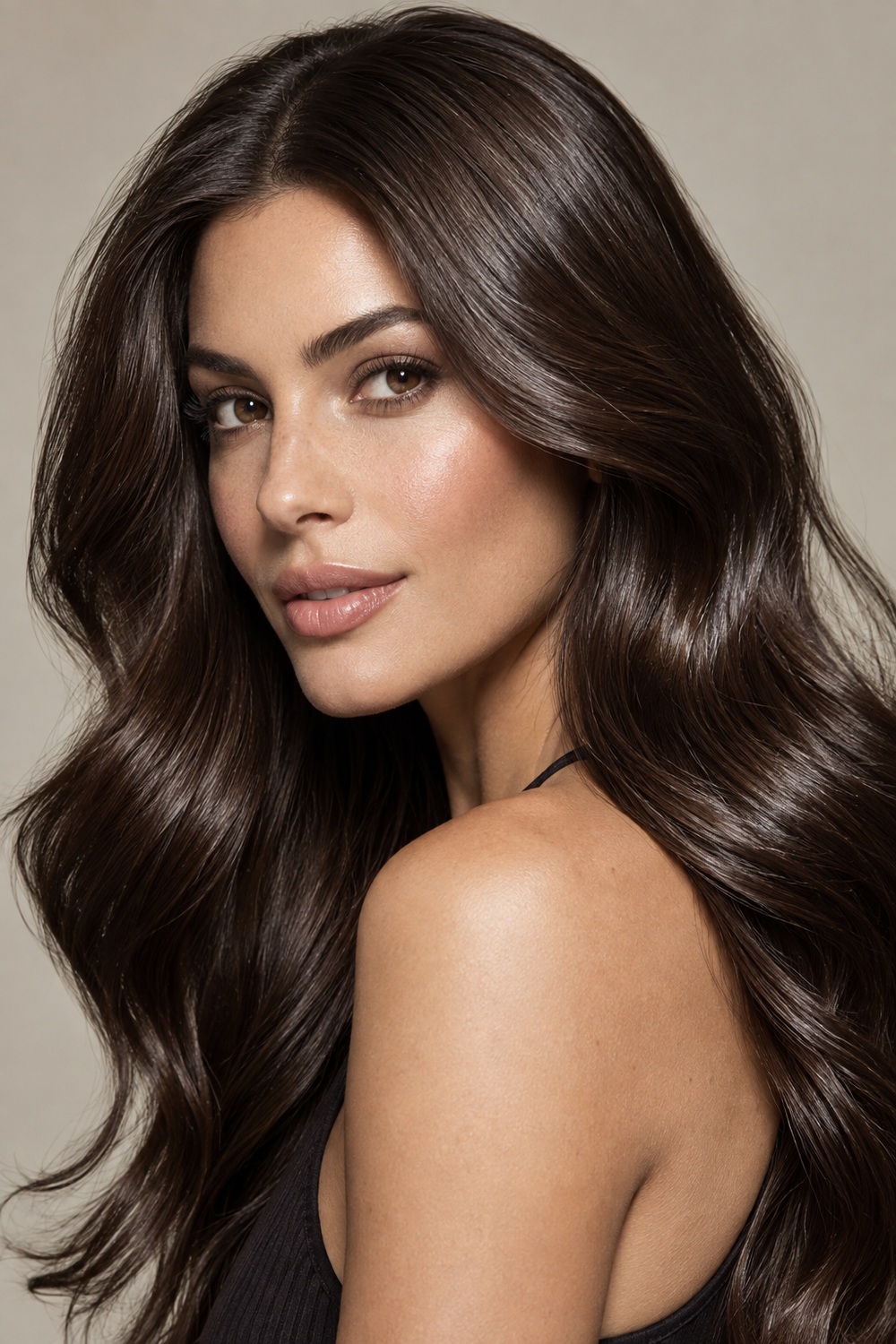
Sculpted waves give espresso brown a different kind of dimension without relying on contrasting highlights. The curved sections create alternating bands of light and shadow, allowing a solid deep brunette shade to look more dimensional as the hair moves. This approach works especially well on medium to long hair because there is enough length for the wave pattern to develop while still keeping the color as the main focus. A polished blowout or large-barrel styling can emphasize the shape, while heat protection helps preserve the hair’s smooth appearance. If the color begins to look dull between appointments, a stylist may recommend a gloss refresh to restore richness and shine without adding obvious lighter pieces.
15. Espresso Brown on Medium-Length Hair
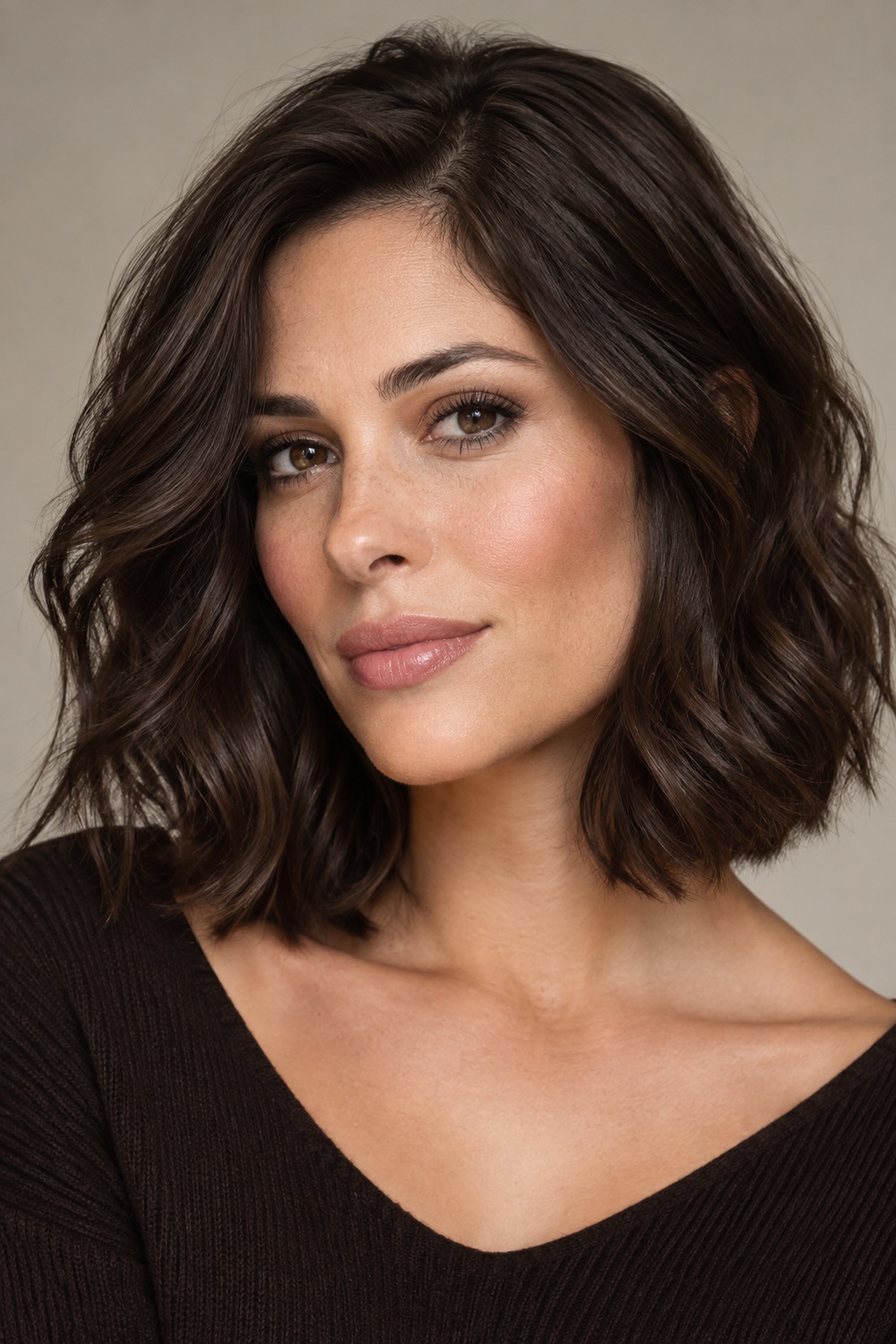
Medium-length hair, often falling around the shoulders or collarbone, offers a practical middle ground for espresso brown that balances the polished density of a shorter cut with some of the movement of longer styles. This length tends to show the color as rich and full without requiring the extended maintenance that comes with very long hair, since there’s less length exposed to sun and friction. Waves or soft layers at this length can introduce gentle dimension even in a single-process espresso shade. It’s also a flexible length for experimenting with subtle face-framing color, since the frame sits close enough to the face to have visible impact. Trims every so often help keep the ends looking fresh rather than thin or worn.
16. Espresso Brown with Subtle Red Undertone
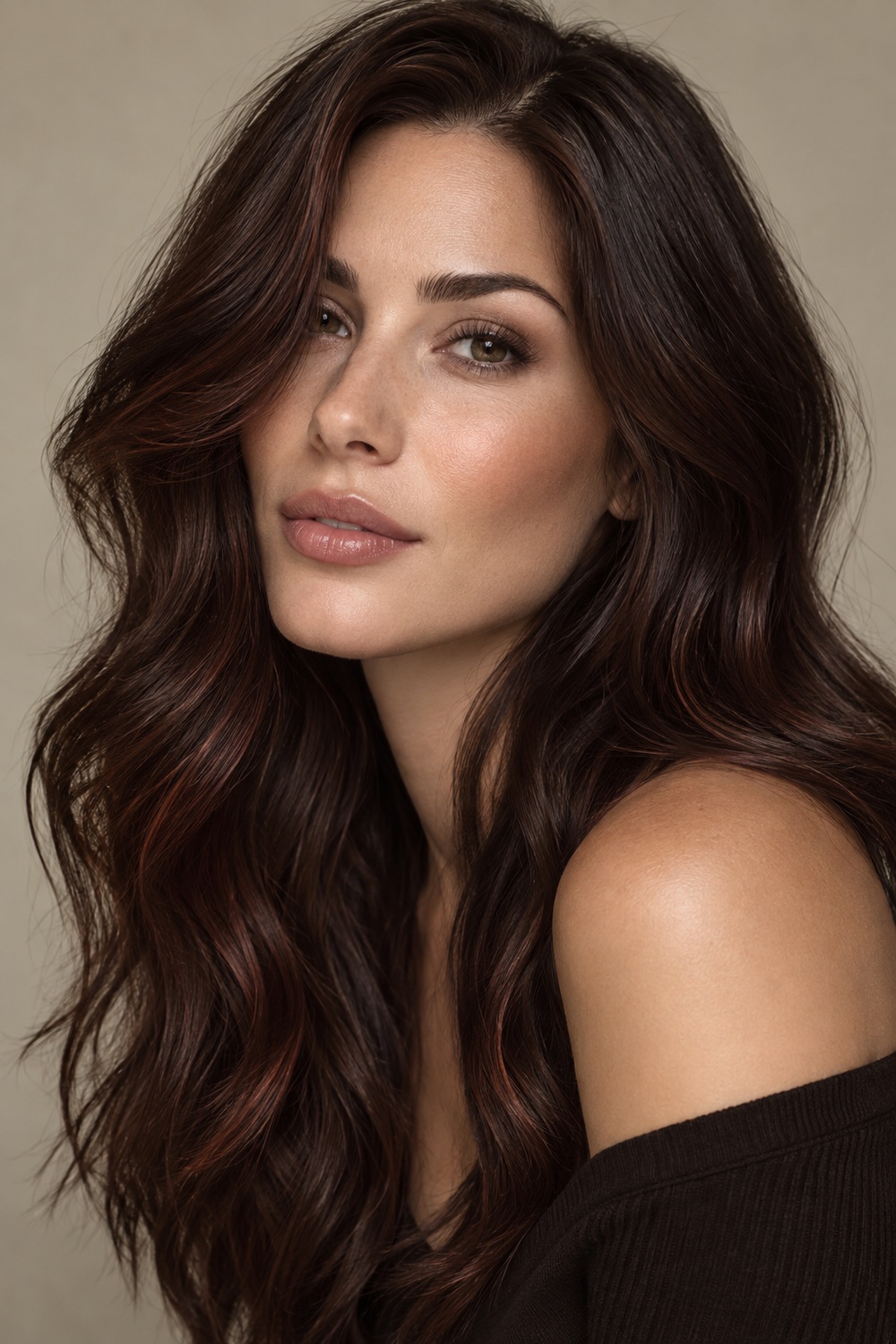
Rather than a soft, generalized warmth, this version introduces a specific hint of red or auburn beneath the espresso base, visible mostly in direct or warm lighting. It’s a more distinctive take than a simply “warm” espresso, since the red undertone gives the color a particular richness reminiscent of dark red wine. This can be an interesting option for those who want something slightly different from a standard neutral or ashy brunette without moving into a fully separate red-brown color family. Hair with a naturally warm base, or previous red color history, may pick up this undertone more readily. Because red undertones can become less noticeable as color fades, occasional gloss or toner refreshes may be useful when you want to keep that subtle auburn cast visible.
17. Espresso Brown with Cool Ash Undertone
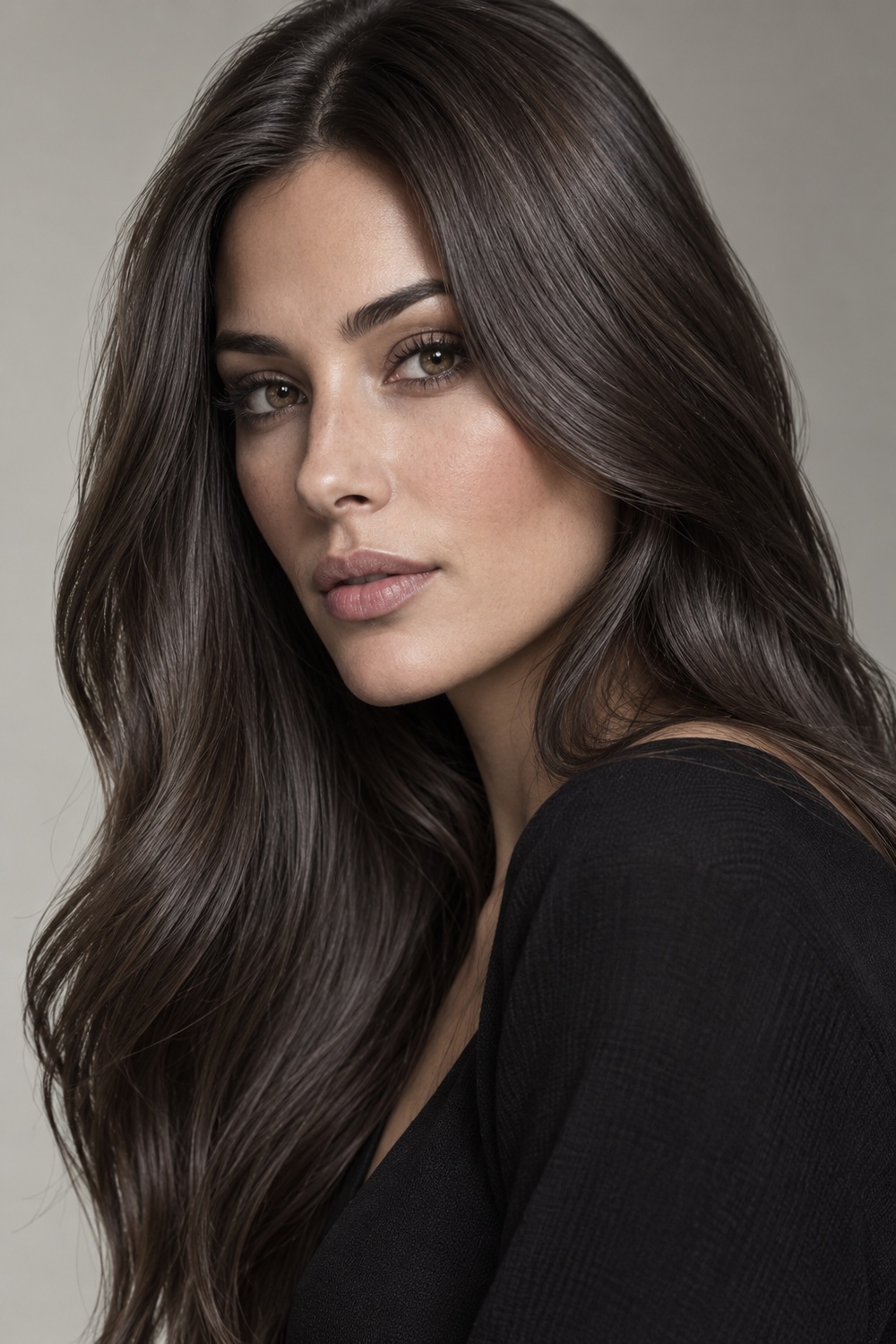
This is a more intentionally ash-forward version of cool-toned espresso, designed for those who want minimal warmth of any kind. The ash undertone can help counteract brassiness in hair that’s prone to picking up orange or copper tones as color fades, particularly in hair that’s been previously lightened. Because ash tones rely on specific pigment concentrations, results can vary depending on the hair’s underlying warmth, so a consultation with a stylist is especially useful before committing to this formula. Glossy, sleek styles tend to highlight the coolness of the tone most clearly. If unwanted warmth starts to appear, a stylist may suggest a blue- or violet-toning product based on the specific underlying tone. These products are best used sparingly so the brunette does not become overly dull or muted.
18. Espresso Brown for Fine Hair
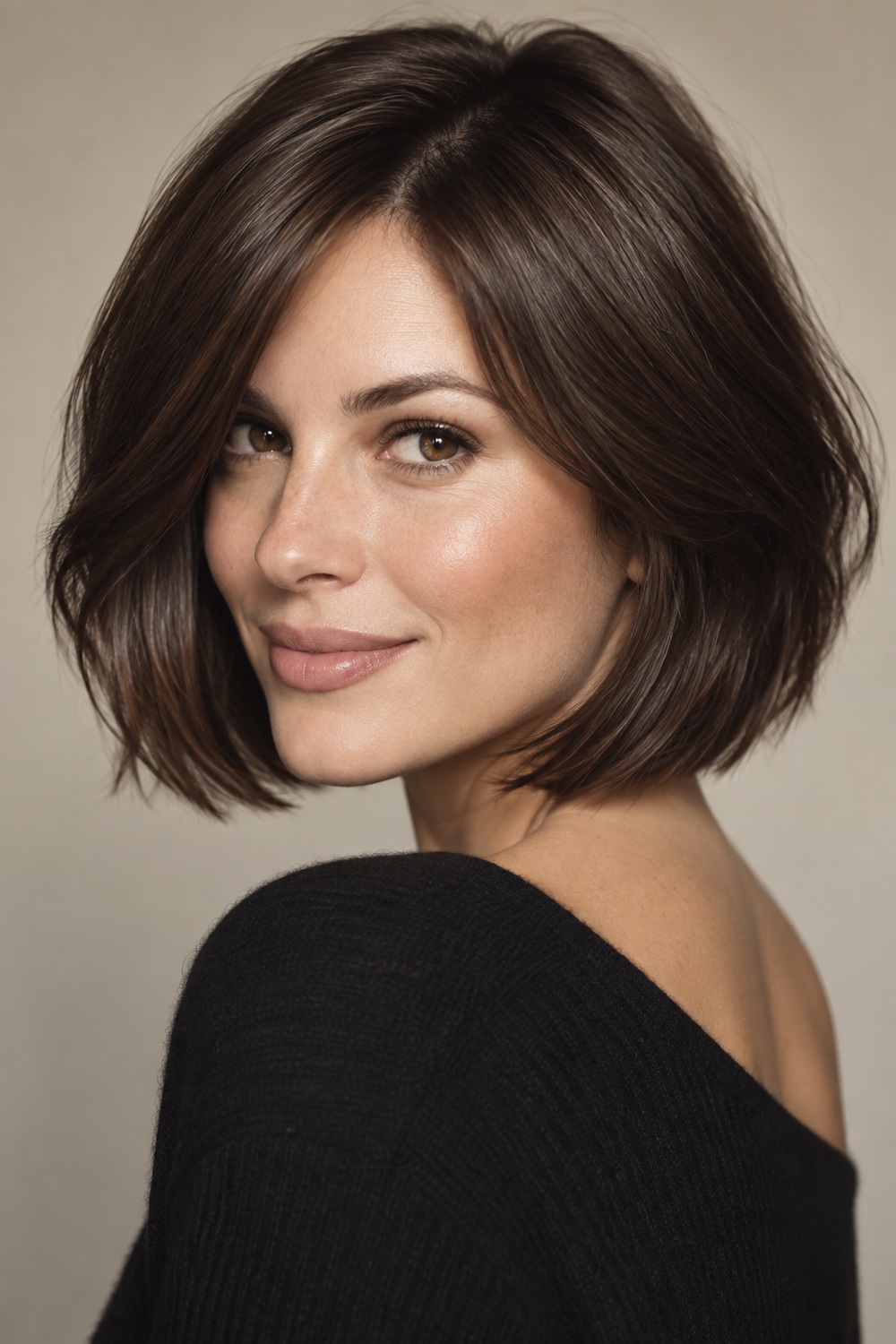
Fine hair can pair well with espresso brown when the goal is a dense, cohesive finish. A solid or low-dimension formula keeps the eye on the overall shape of the haircut rather than creating strong color breaks that may visually separate the strands. Shorter to medium lengths can be especially effective because the silhouette may look fuller and more structured. Lightweight, color-safe products can help protect the shade without weighing the hair down, while a light gloss treatment may add surface shine without changing the overall shape. If you prefer some dimension, ask for very subtle tonal variation rather than heavy contrast so the deep espresso base remains the dominant feature.
19. Espresso Brown for Thick, Voluminous Hair
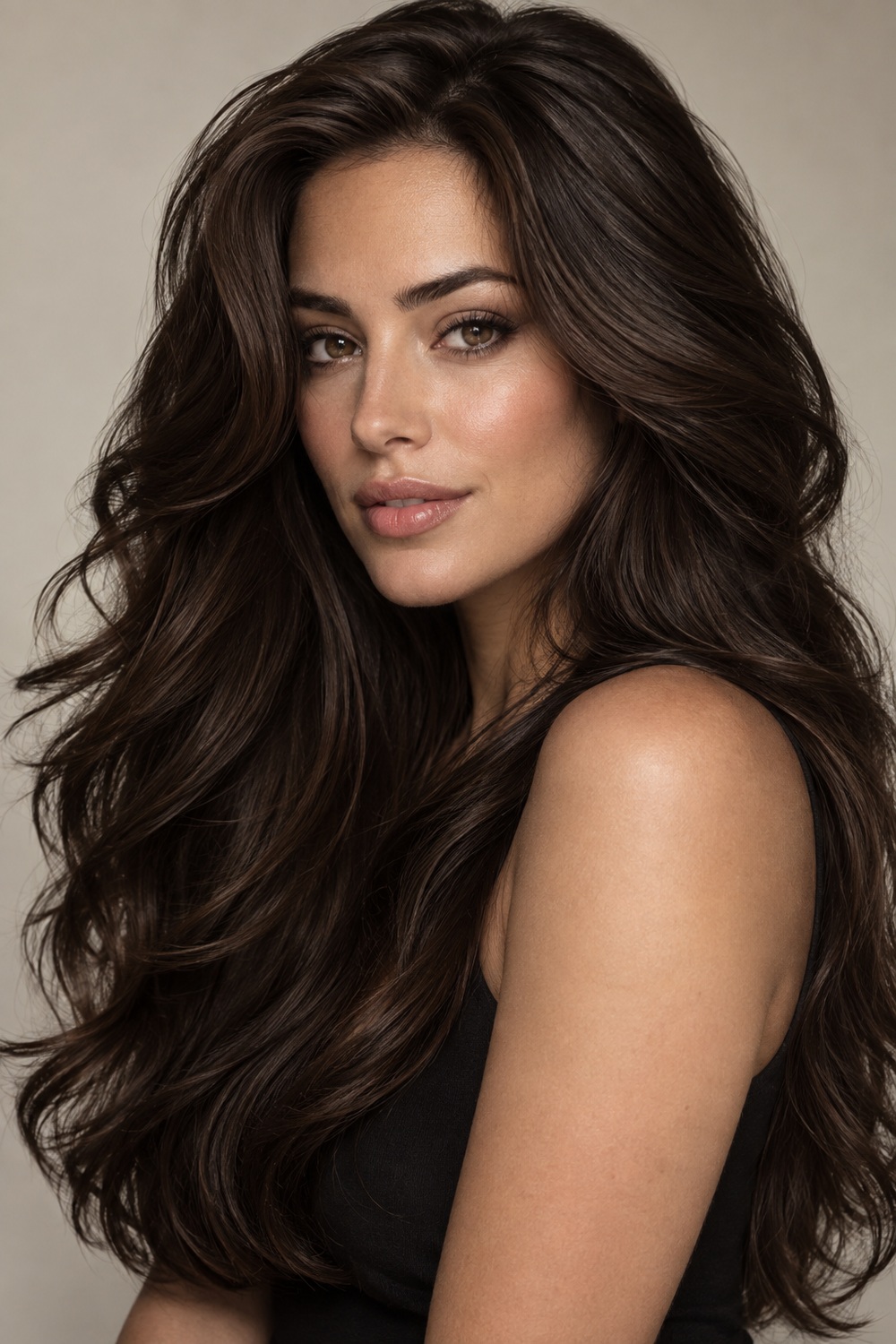
Thick hair provides a different kind of showcase for espresso brown, since the volume itself creates natural shadowing and depth even without added dimension. This texture can handle either a completely solid espresso formula or a more dimensional approach, since there’s enough hair to display subtle tonal variation without it looking sparse. Longer layers can help manage the weight of thick hair while still allowing the deep color to move and catch light. Because thick hair can take longer to process during coloring, appointments may run a bit longer than average. Deep conditioning is often especially important for thick or coarse textures to keep the espresso color looking smooth rather than dry or dull.
20. Espresso Brown with Soft Root Melt
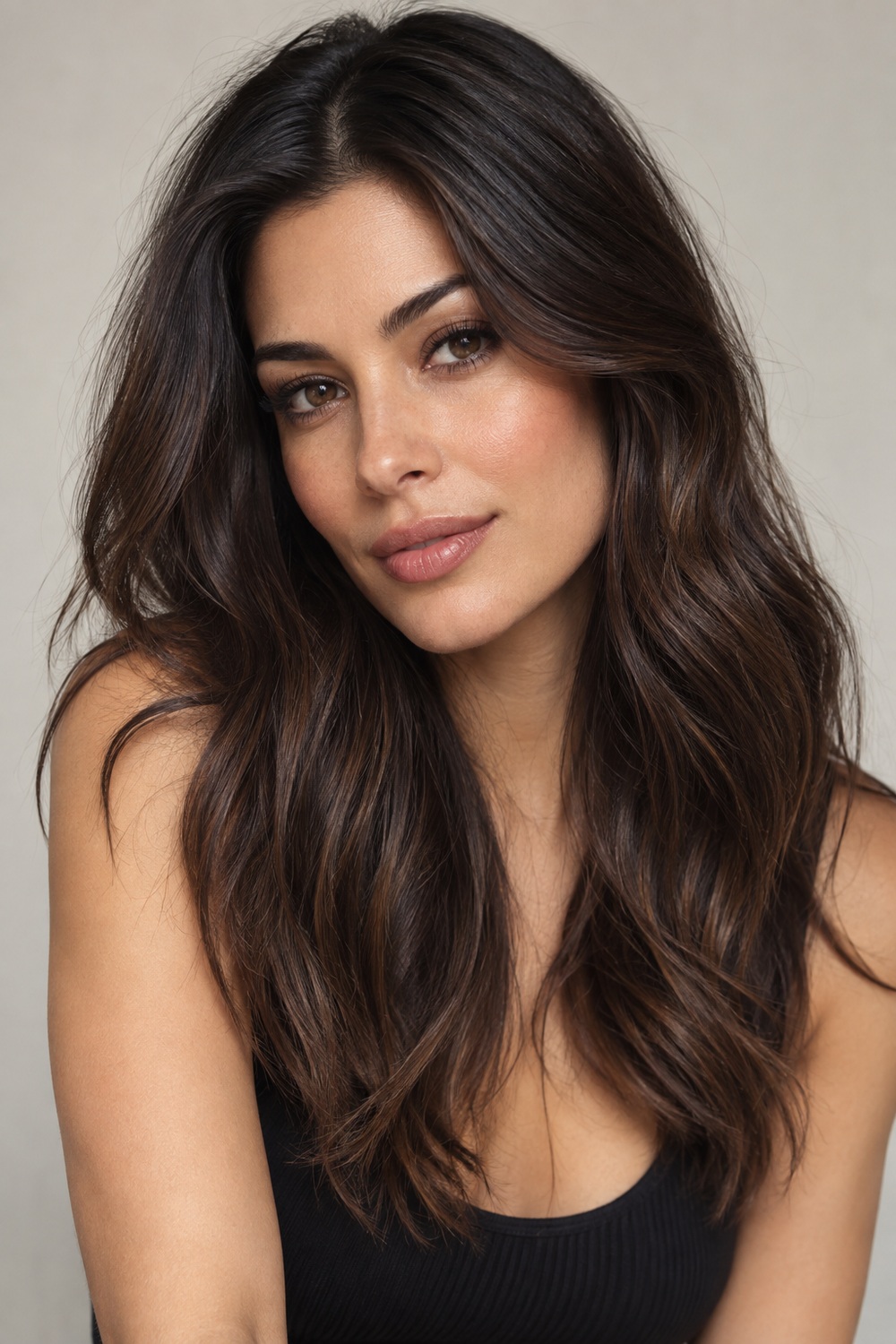
A root melt blends the natural root color into the espresso brown through the mid-lengths, softening the line between regrowth and color rather than creating a hard demarcation. This technique can extend the time between root touch-ups, since new growth blends more gradually into the existing color. It tends to work particularly well for those with naturally dark brown or black roots, since less contrast needs to be bridged. The softness of the melt also gives the hair a slightly more lived-in, natural appearance compared to a uniform single-process color. A stylist can adjust how gradual or subtle the melt is depending on how much natural regrowth is visible between appointments.
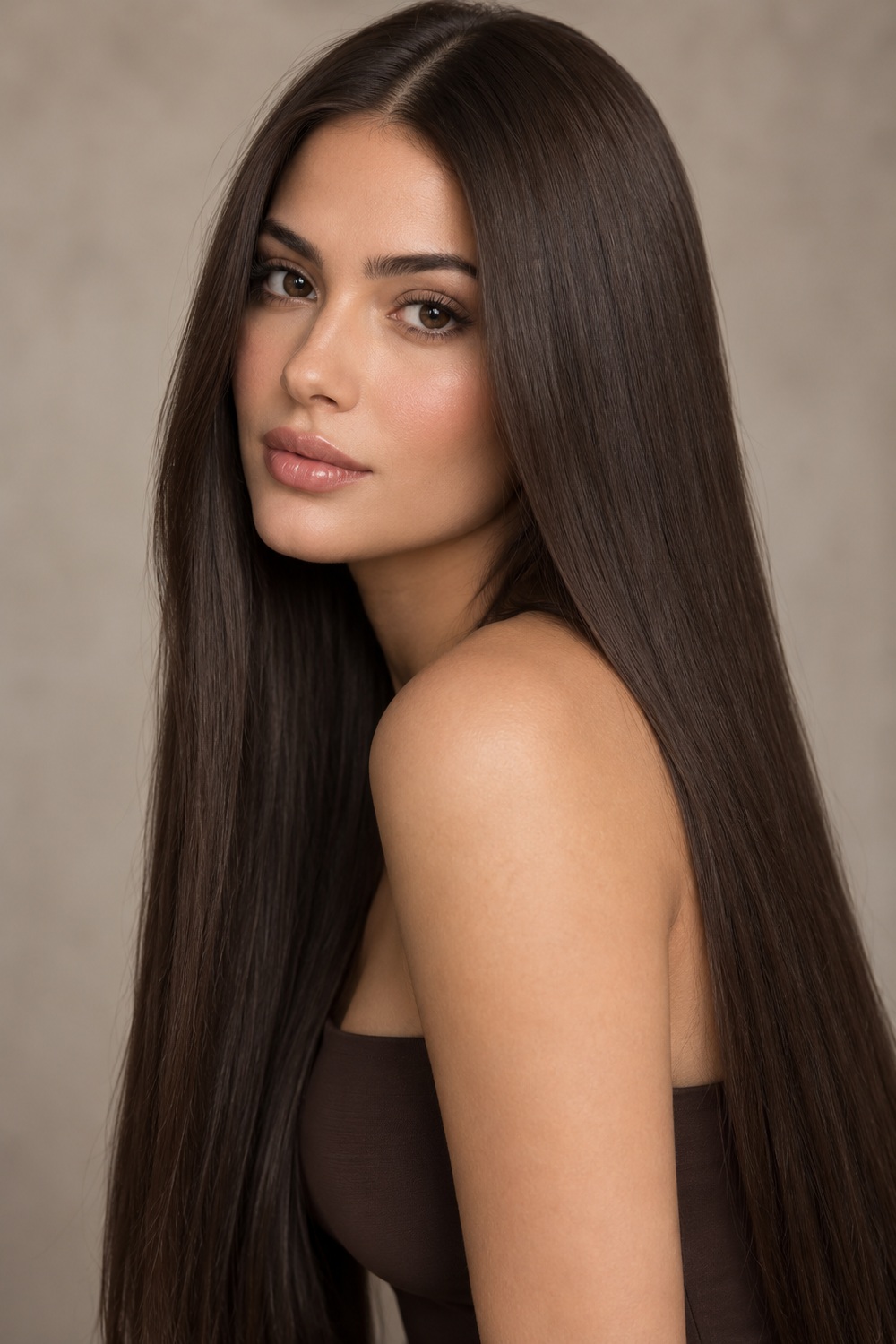
21. All-Over Solid Espresso Brown (No Dimension)
Maintaining Espresso Brown Hair
Espresso brown is a deep, saturated shade, so maintenance mainly focuses on reducing fading and keeping the color glossy. Use a gentle, color-safe shampoo and conditioner, avoid very hot water, and wash less often when possible. Gloss or toner refreshes can help restore depth if the shade starts to look dull or warmer over time. Heat protection is also useful for keeping dark hair smooth and shiny.
Root maintenance depends on your natural color and how much contrast there is with new growth. Naturally dark hair may need fewer touch-ups, while previously lightened or porous hair can fade more quickly. Your stylist can suggest a schedule based on your hair condition, color history, and formula.
How to Choose Your Espresso Brown Shade
Espresso brown can be neutral, cool, softly warm, or very deep. If warm brunette shades tend to look too brassy on your hair, a cool or neutral espresso may be a better fit. If ash tones feel too flat, a softly warm version can look more balanced. Very deep espresso gives a near-black effect, while dimensional espresso creates more movement.
Bring a few reference photos to your stylist because the same shade can look different depending on lighting, hair history, and the formula used. This makes it easier to choose the depth and undertone that suit your preferences.
Frequently Asked Questions
What skin tones suit espresso brown hair?
Espresso brown can work with many skin tones because it comes in neutral, cool, and softly warm versions. Undertone, eye color, natural hair color, and personal contrast preferences all affect how the shade looks.
Is espresso brown darker than regular dark brown?
Usually, yes. Espresso brown is generally deeper than standard dark brown and can appear close to black, although the exact depth varies by formula and brand.
Is espresso brown hair almost black?
It can look almost black indoors or in low light. In brighter lighting, the brown undertone is usually easier to see.
Can naturally dark hair be colored espresso brown?
Yes. Naturally dark hair can often be shifted toward espresso brown without major lifting, although the exact process depends on the starting color and previous treatments.
Does espresso brown hair require a lot of maintenance?
Not always. Solid espresso brown can be fairly low-maintenance, while dimensional versions may need more frequent glossing, toning, or root blending.
Final Thoughts
Espresso brown is a versatile choice for anyone who wants a deep, polished brunette shade without going completely black. It can be worn glossy and solid, softly warm, cool-toned, or dimensional, depending on the look you prefer.
Save a few favorite examples and bring them to your stylist so you can compare depth, undertone, and finish. This makes it easier to choose an espresso brown shade that works with your hair history, maintenance preferences, and overall style.


