
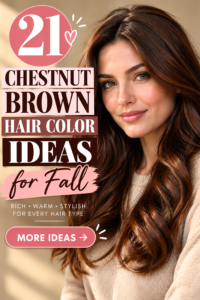



There’s a reason chestnut brown hair color reappears on mood boards every September. It carries the richness of a classic brunette while catching just enough red, copper, or golden light to feel seasonally appropriate, like a chestnut shell split open in early autumn. Unlike flat brown, chestnut brown hair has a built-in warmth that shifts with the light – candlelit amber indoors, deeper mahogany outdoors. That dimension is what makes it such a flexible base for fall hair colors, since a colorist can lean it cooler, redder, deeper, or lighter depending on your natural hair color, skin undertone, and how much upkeep you want. Whether your hair is straight, wavy, or curly, chestnut brown balayage, chestnut highlights, or a solid all-over gloss can all be shaped around the same core shade. Here are 21 chestnut brown hair color ideas for fall, each with its own undertone and personality.
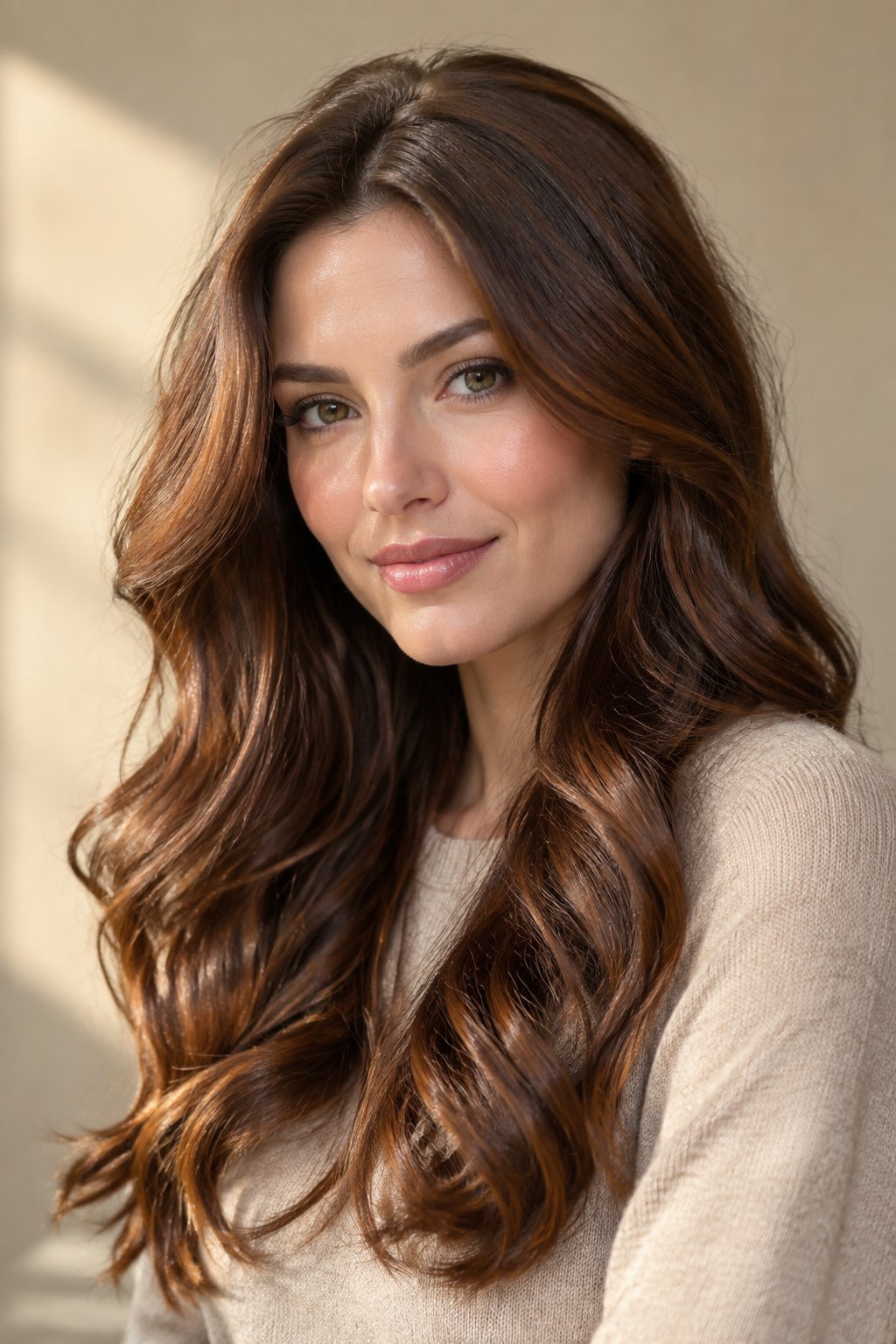

1. Classic Chestnut Brown Hair
The benchmark shade: medium-to-deep brown with a soft reddish-brown cast, somewhere between cocoa and mahogany. It reads as natural rather than dyed, making it a comfortable first step away from flat, ashy brunette. The reddish undertone shows most in direct sunlight on straight or wavy hair, while curly textures look richer overall. Because it sits close to many natural bases, touch-ups can often stretch to 10 to 12 weeks.
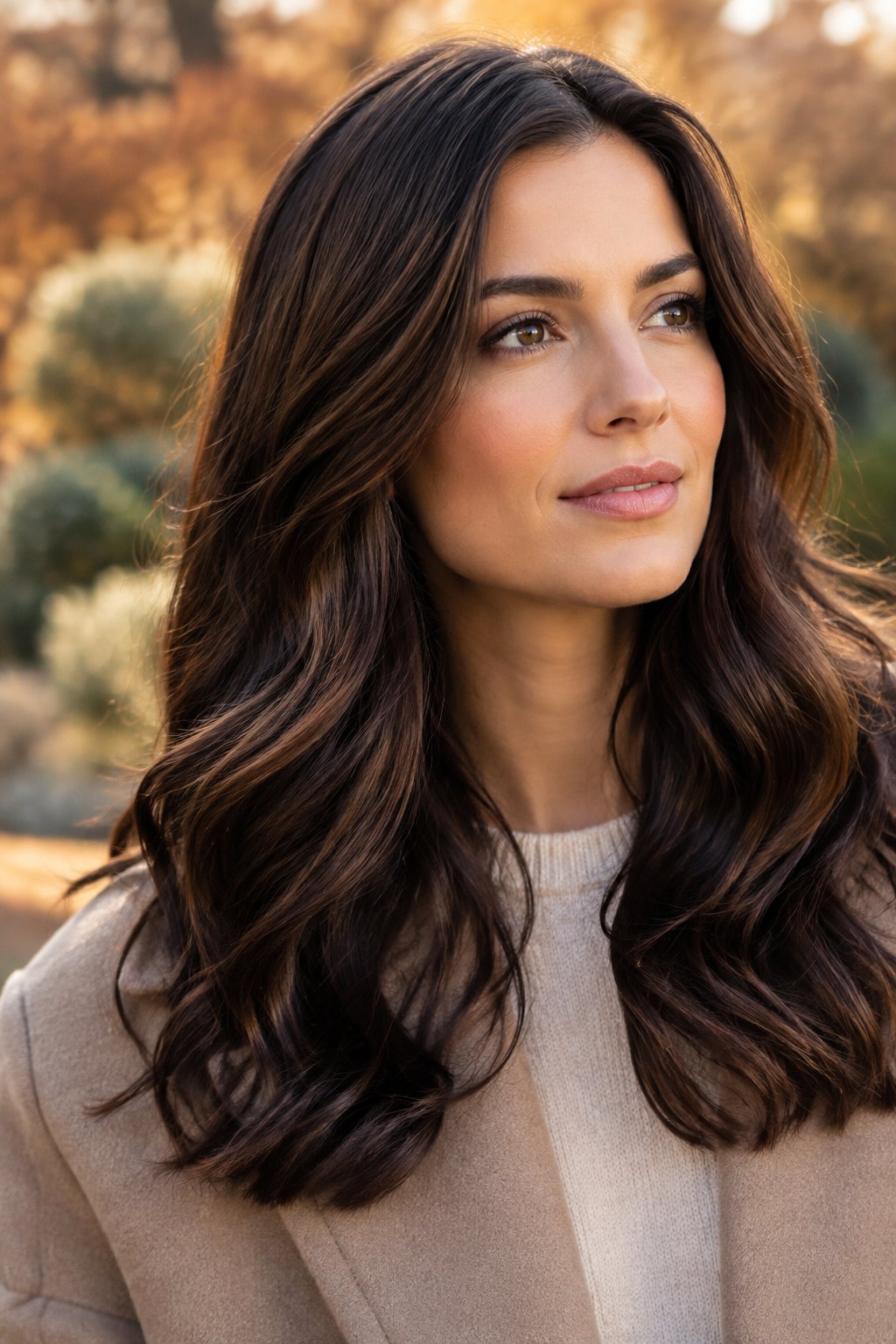
2. Dark Chestnut Brown
This version pushes the base closer to espresso, keeping only a whisper of red-brown warmth instead of an obvious copper glow. It suits naturally dark hair well, adding depth without a drastic overall change, and photographs beautifully in autumn light without turning orange. Cooler and neutral undertones tend to find this shade especially flattering, since the warmth stays understated. Less root contrast also means lower upkeep than most options here.
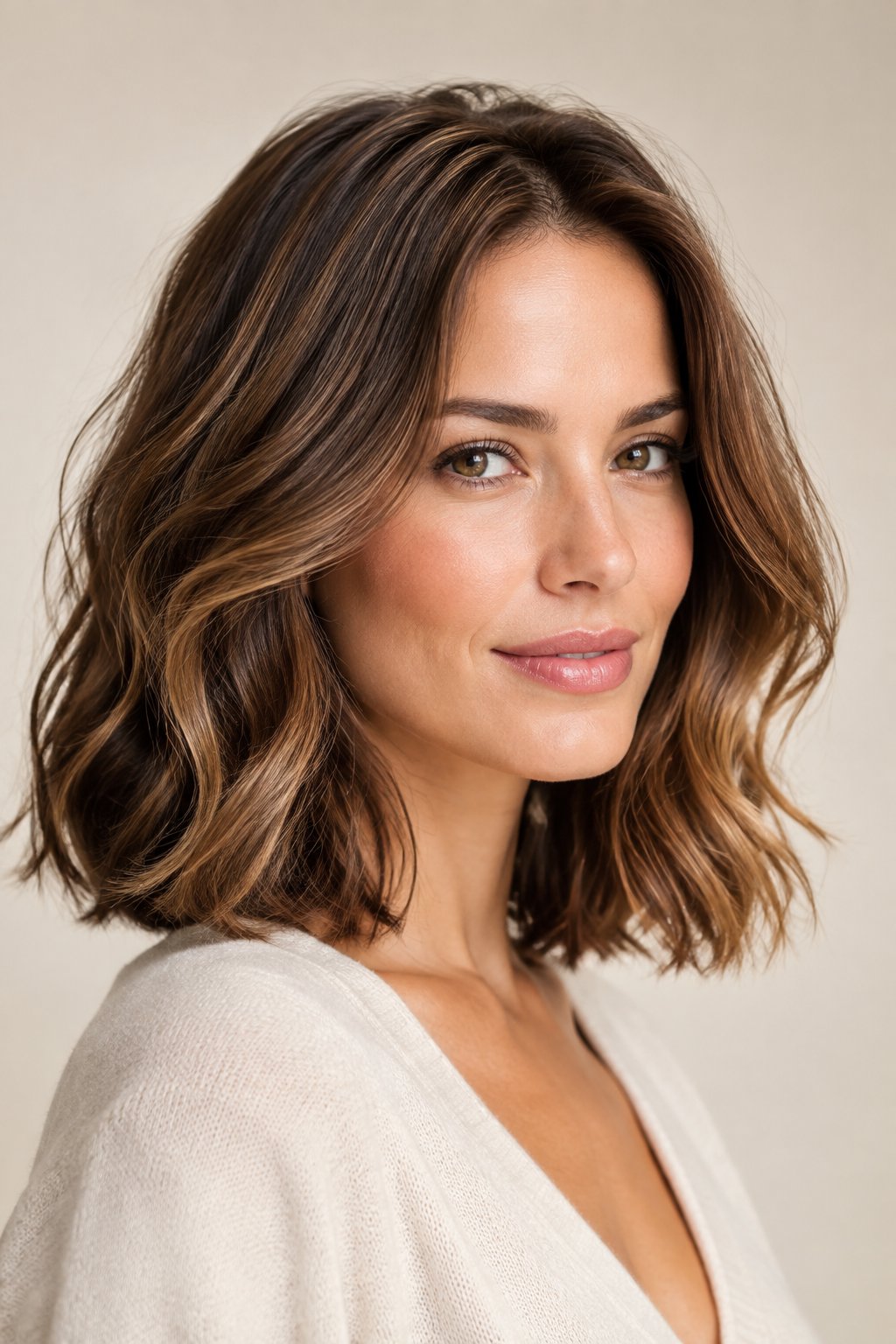
3. Light Chestnut Brown
Landing near warm toffee or milk chocolate with visible reddish-gold undertones, this shade works especially well on medium-length hair and lobs, where the color catches movement. It softens naturally dark brown hair without going near blonde, reading as a subtle evolution rather than a dramatic switch. Fine or thin hair often looks fuller with this lighter chestnut. Root touch-ups come more frequently, since the contrast with dark natural roots is more noticeable.
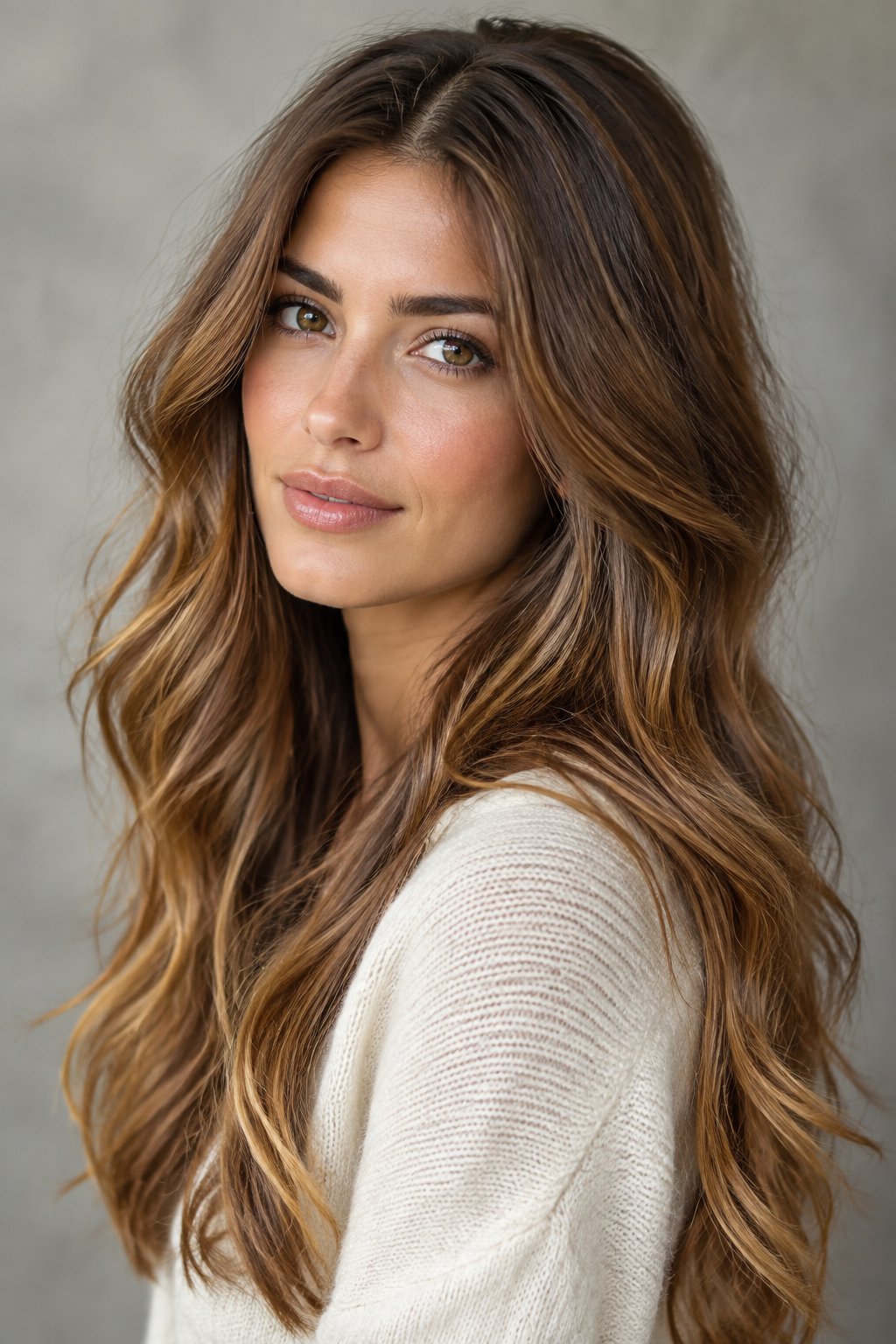
4. Warm Chestnut Brown
Warm chestnut brown leans fully into gold and amber rather than cooler ash tones, giving it a sun-warmed look even in gray weather. It flatters olive and warm-toned skin especially well, and pairs beautifully with hazel or brown eyes by pulling out golden flecks. On longer hair, the warmth shows most at the ends, creating a gentle gradient. Because gold can fade brassy, a toning gloss every few months keeps it looking fresh.
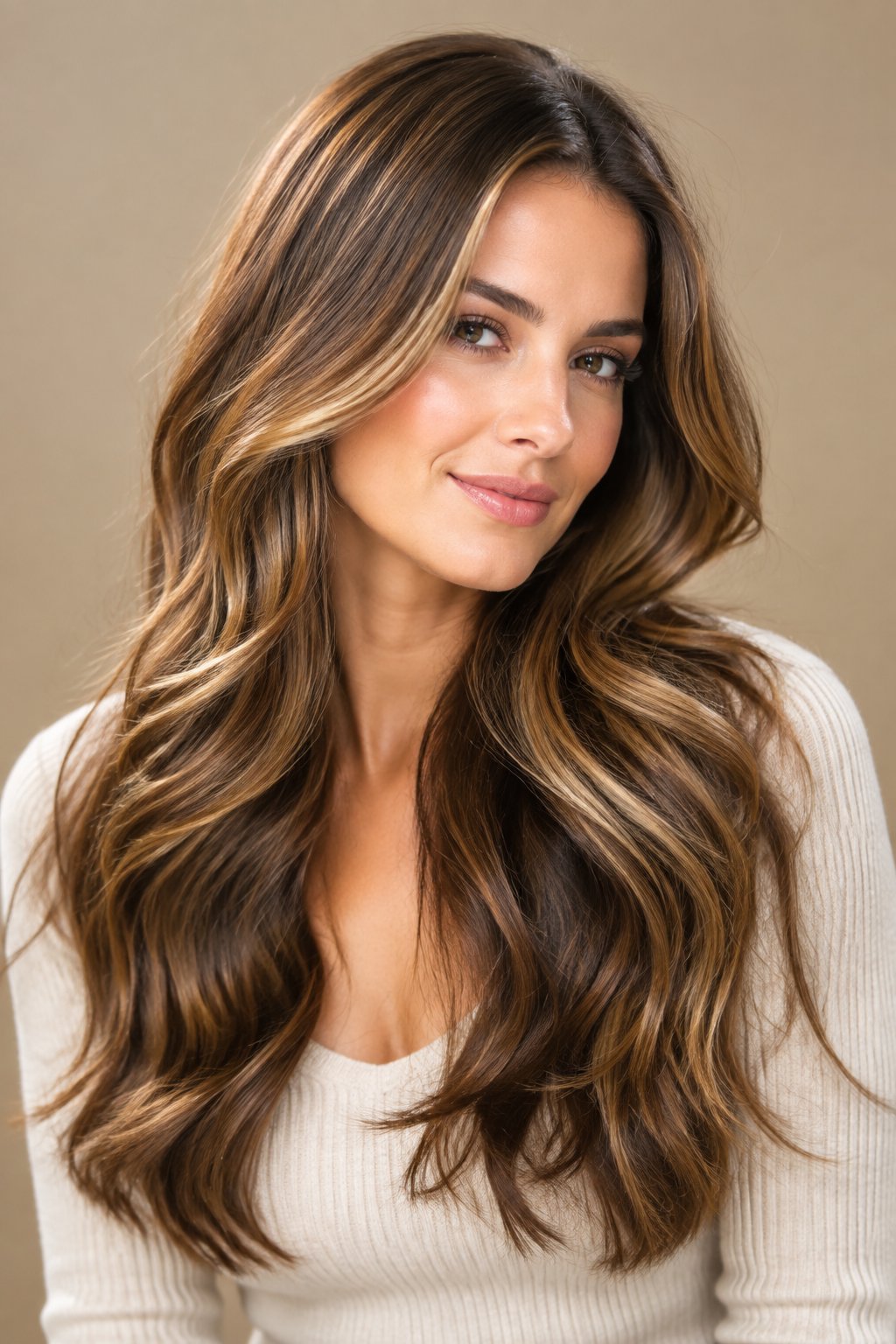
5. Chestnut Brown With Caramel Highlights
Caramel highlights add buttery, honey-toned streaks over a chestnut base, softening the color and creating movement through the mid-lengths and ends. The contrast between deeper roots and lighter caramel pieces mimics naturally sun-lightened hair rather than an obviously salon-applied look. Because caramel sits in a warm-neutral zone, it flatters a wide range of skin tones. It’s especially striking on layered cuts, though the highlights need occasional glossing to stay golden rather than dulling toward tan.
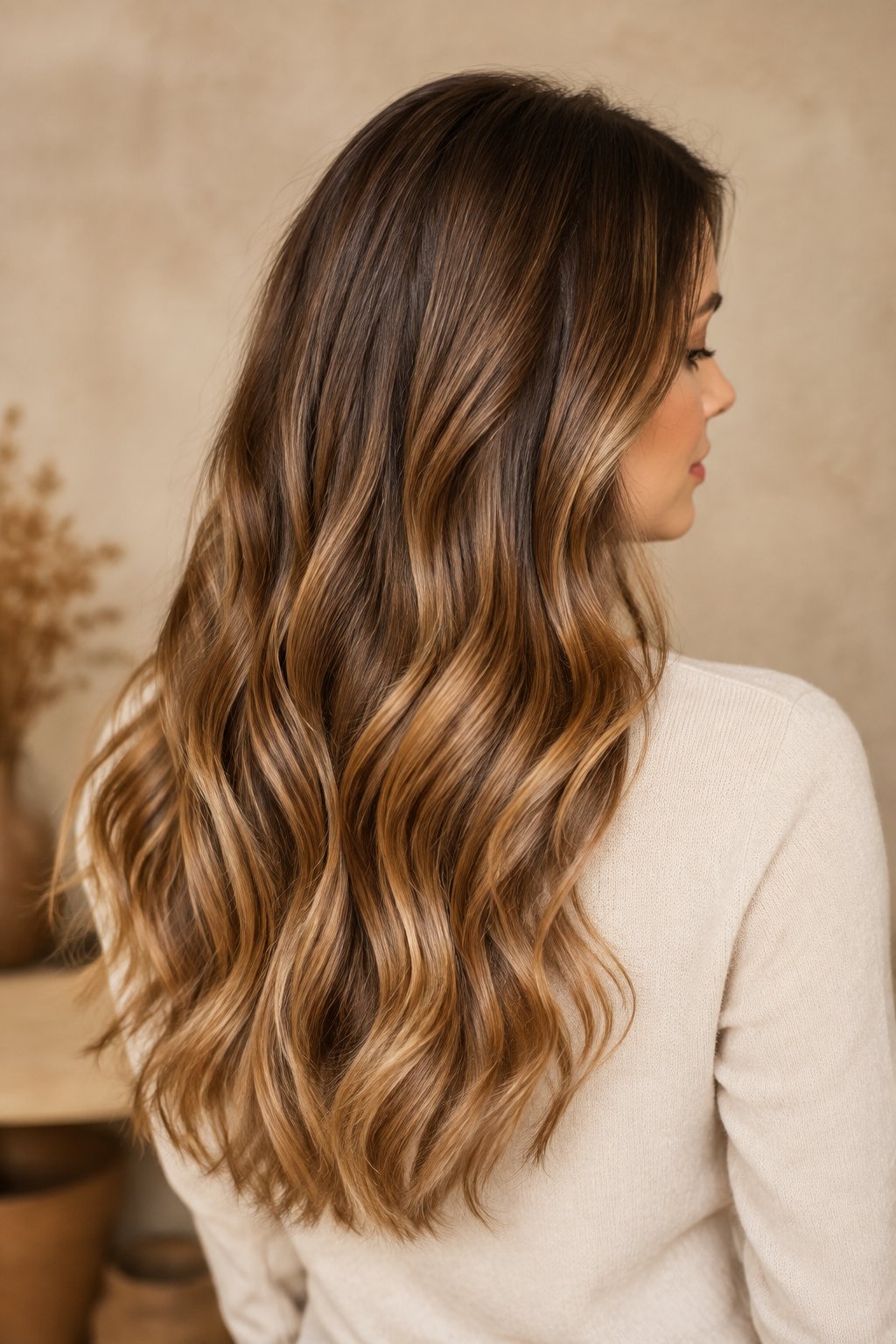
6. Chestnut Brown Balayage
This hand-painted technique blends a deeper root into lighter, sun-kissed pieces concentrated at the mid-shaft and ends, giving a soft, organic transition rather than a hard line. The deeper root grounds the look for fall while the lighter ends still carry a bit of late-summer glow. Balayage also grows out more gracefully than traditional foils, since there’s no harsh demarcation line. It suits anyone who wants dimension without frequent salon visits.
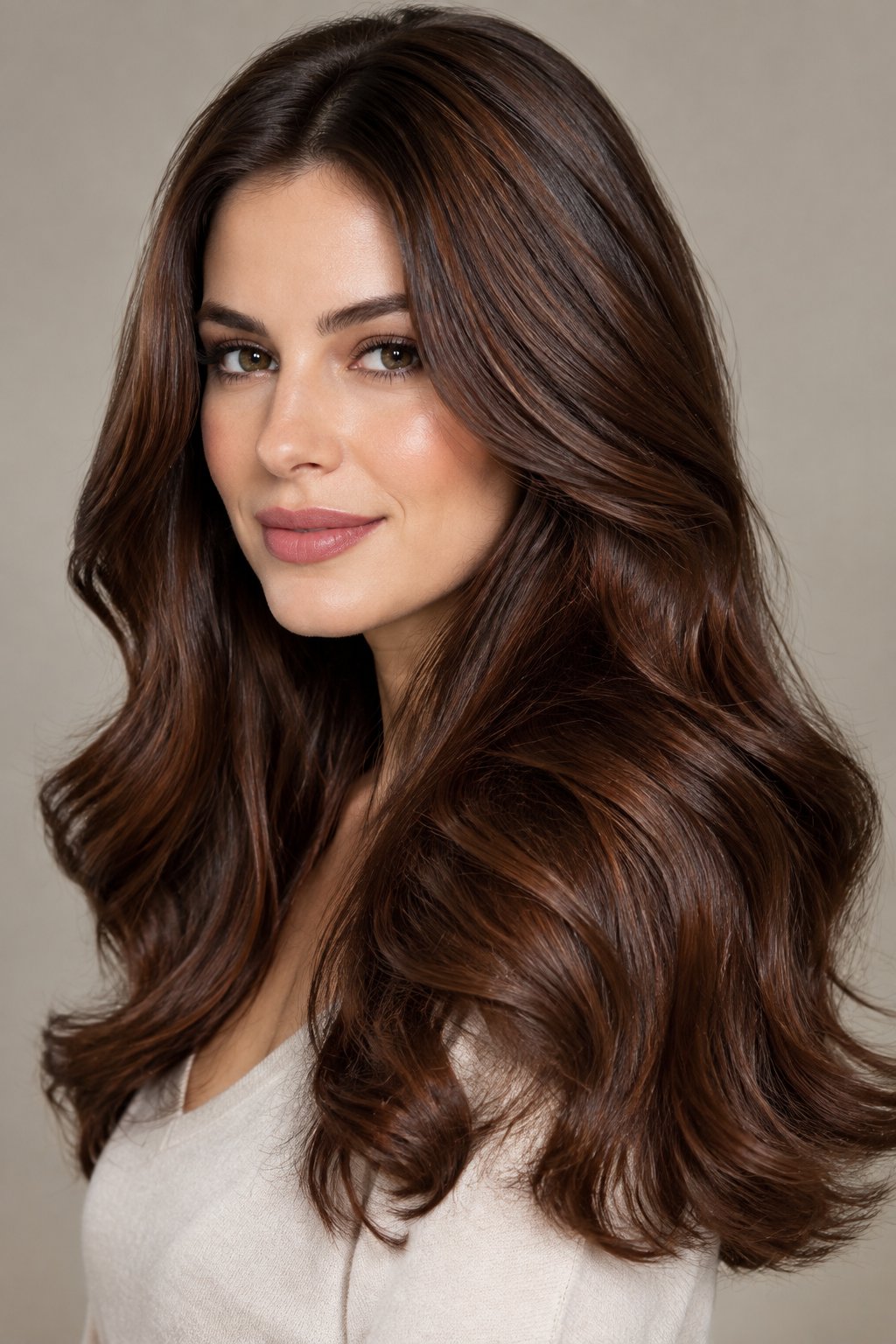
7. Chocolate Chestnut Brown
This blend combines chestnut’s reddish warmth with the deeper, slightly cooler richness of chocolate brown, landing between the two rather than fully committing to either. The result looks glossy rather than flat, with just enough red-brown undertone to avoid reading as plain dark brown. It suits deeper natural hair colors well, since it needs little lightening. On healthy, well-conditioned hair, it can look almost lacquered under indoor light.
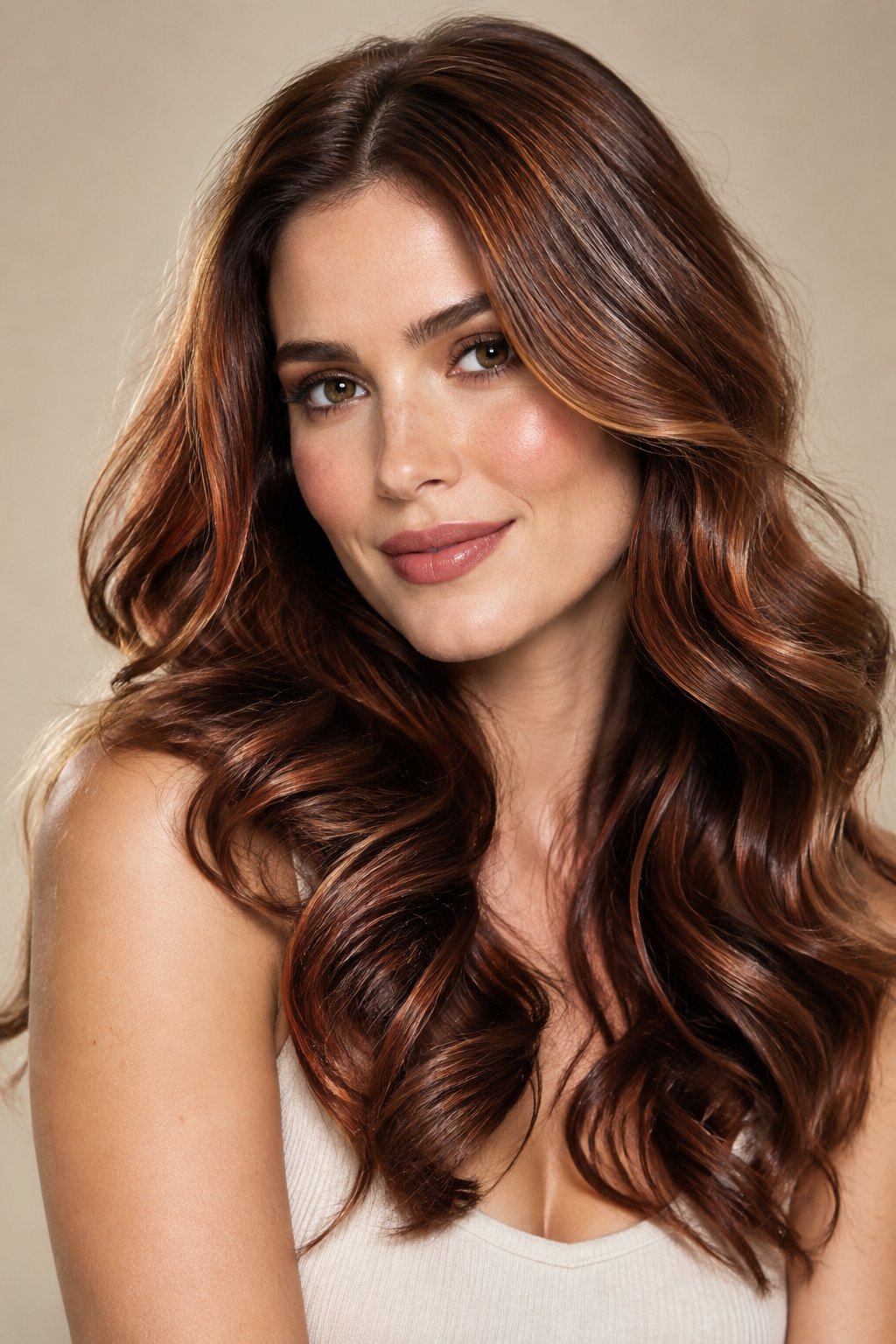
8. Auburn Chestnut Brown
Auburn chestnut brown turns up the red considerably, giving hair a noticeable copper-red glow while staying grounded in a brown base rather than tipping into full red territory. It’s one of the more attention-getting options here, well suited to fair and medium skin tones with warm or neutral undertones. On wavy or curly hair, the red catches light beautifully with movement. Since red pigment fades fastest, this shade needs more frequent glossing to stay vibrant.
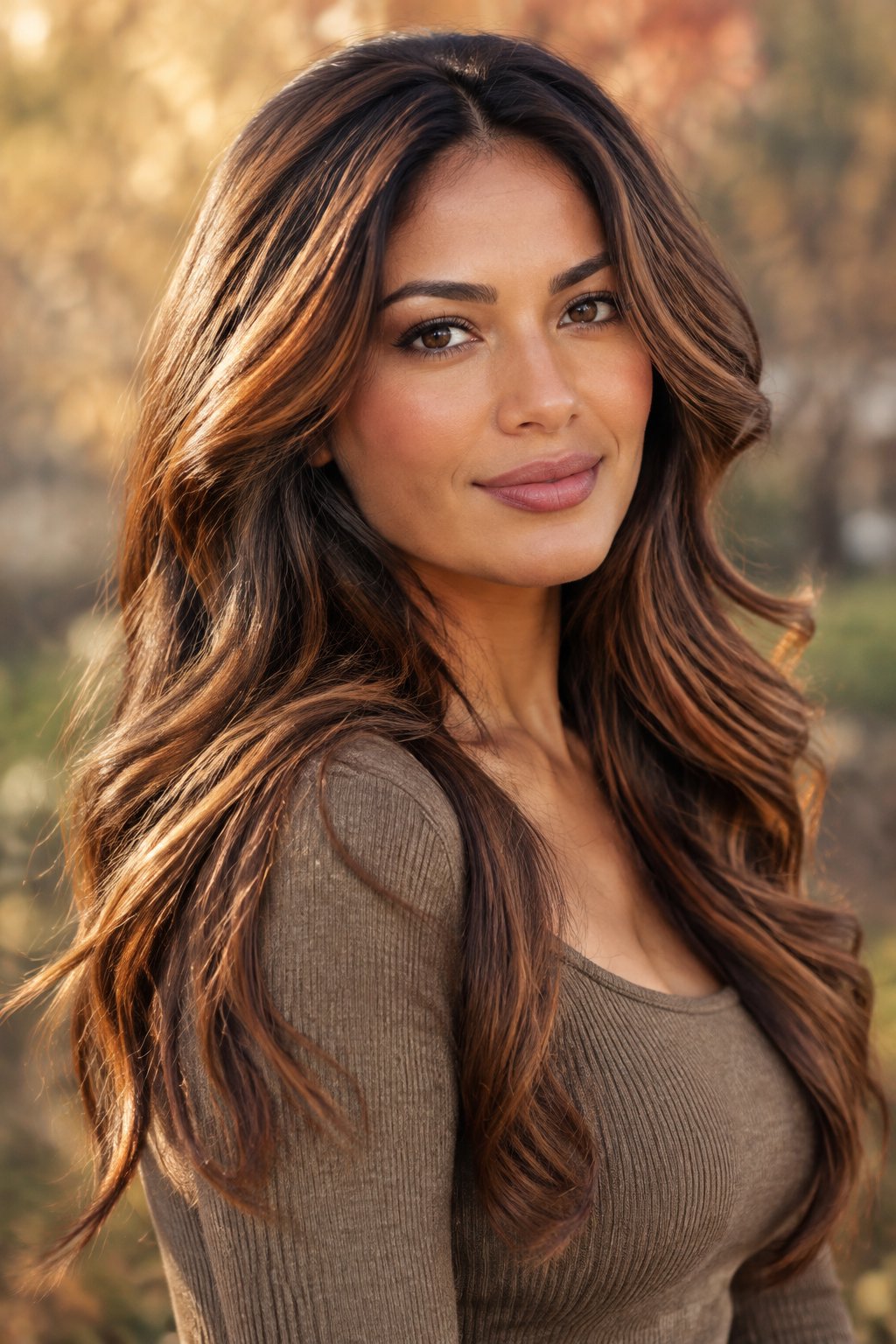
9. Chestnut Brown With Copper Undertones
Rather than an all-over red, this keeps a brown-dominant base with copper woven through as an accent, glowing warm in sunlight and settling into rich brown indoors. It’s a good way to transition out of a summer copper or red shade without losing all that warmth for fall. Medium and deeper skin tones tend to suit this particularly well, since the copper reads as accent rather than overwhelming warmth. Maintenance sits in the middle range.
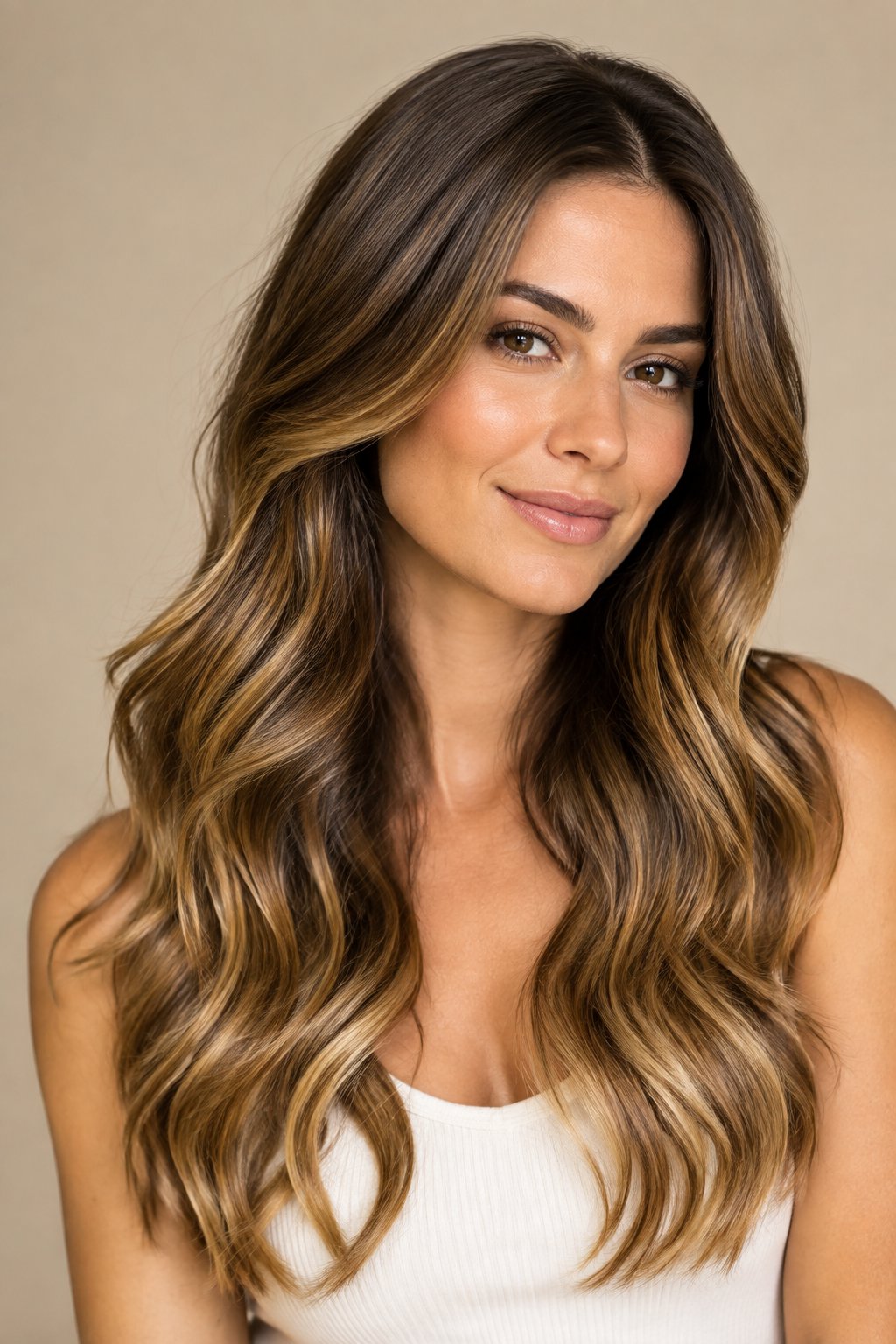
10. Golden Chestnut Brown
Golden chestnut brown swaps red undertones for warm gold, giving hair a honeyed, sun-dappled quality without the coppery red of auburn or copper versions. Gold tones fade more gracefully than red, making this a lower-maintenance way to add warmth. It’s especially flattering on warm and golden skin undertones and tends to brighten the complexion. On long hair the gold shows most through the ends; shorter cuts wear it more evenly.
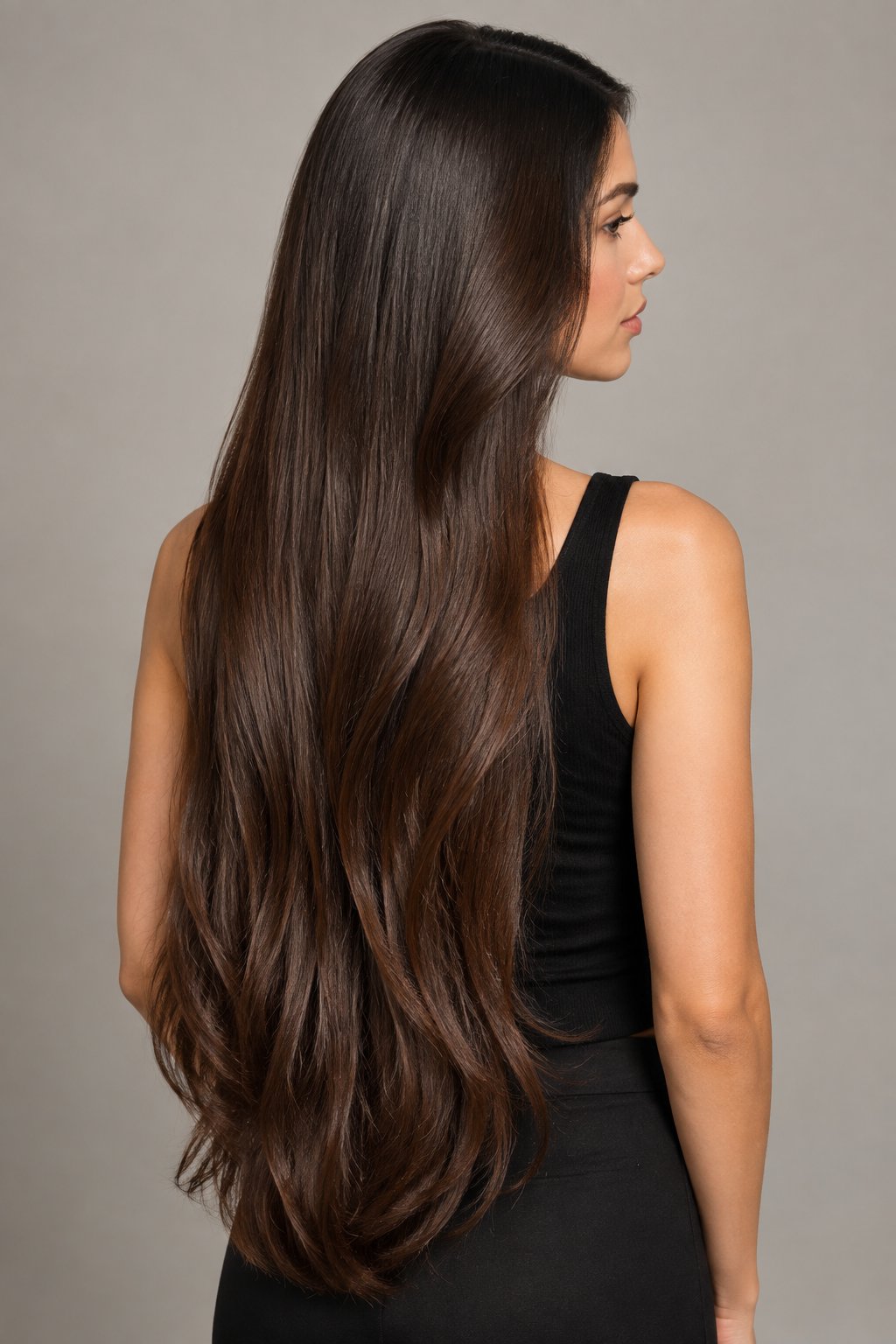
11. Deep Chestnut Brown on Long Hair
Long hair gives a deep chestnut brown room to show its full range, from a near-black root to a slightly lighter, reddish-brown midpoint further down. The extra length lets light travel across more strands, so even a single-process color can look multidimensional without added highlights. This depth also makes long hair look thicker and glossier. Because the shade sits close to many natural colors, upkeep stays manageable despite the length.
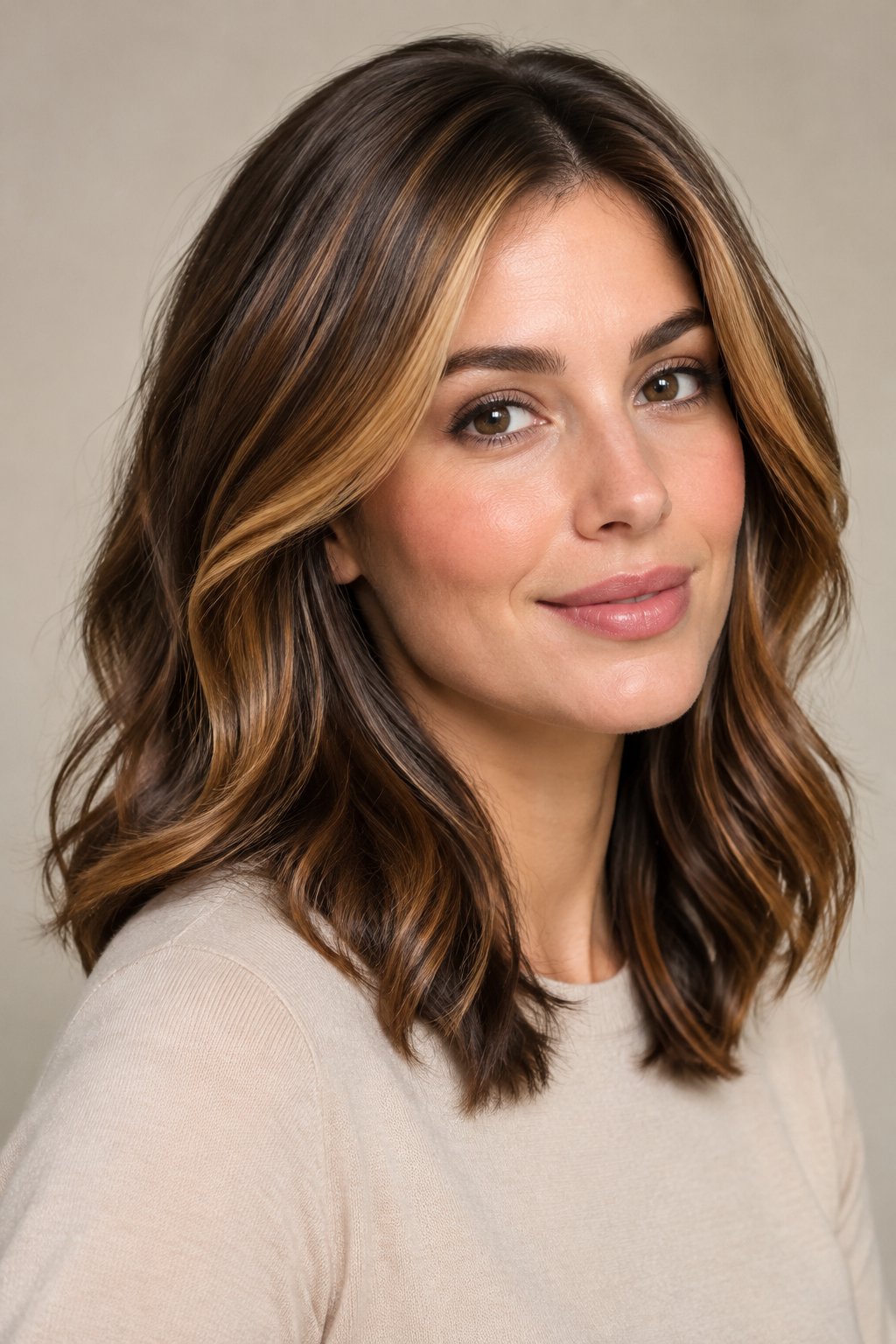
12. Chestnut Brown With Face-Framing Highlights
Rather than lightening the whole head, this approach concentrates warm caramel or golden pieces around the hairline, brightening the complexion without a full lightening service. The placement draws the eye upward and can soften angular features. It works on nearly any length but shows especially well on shoulder-length and longer cuts, where highlighted pieces frame the jaw. Since only front sections lighten, root touch-ups are less involved than with all-over highlights.
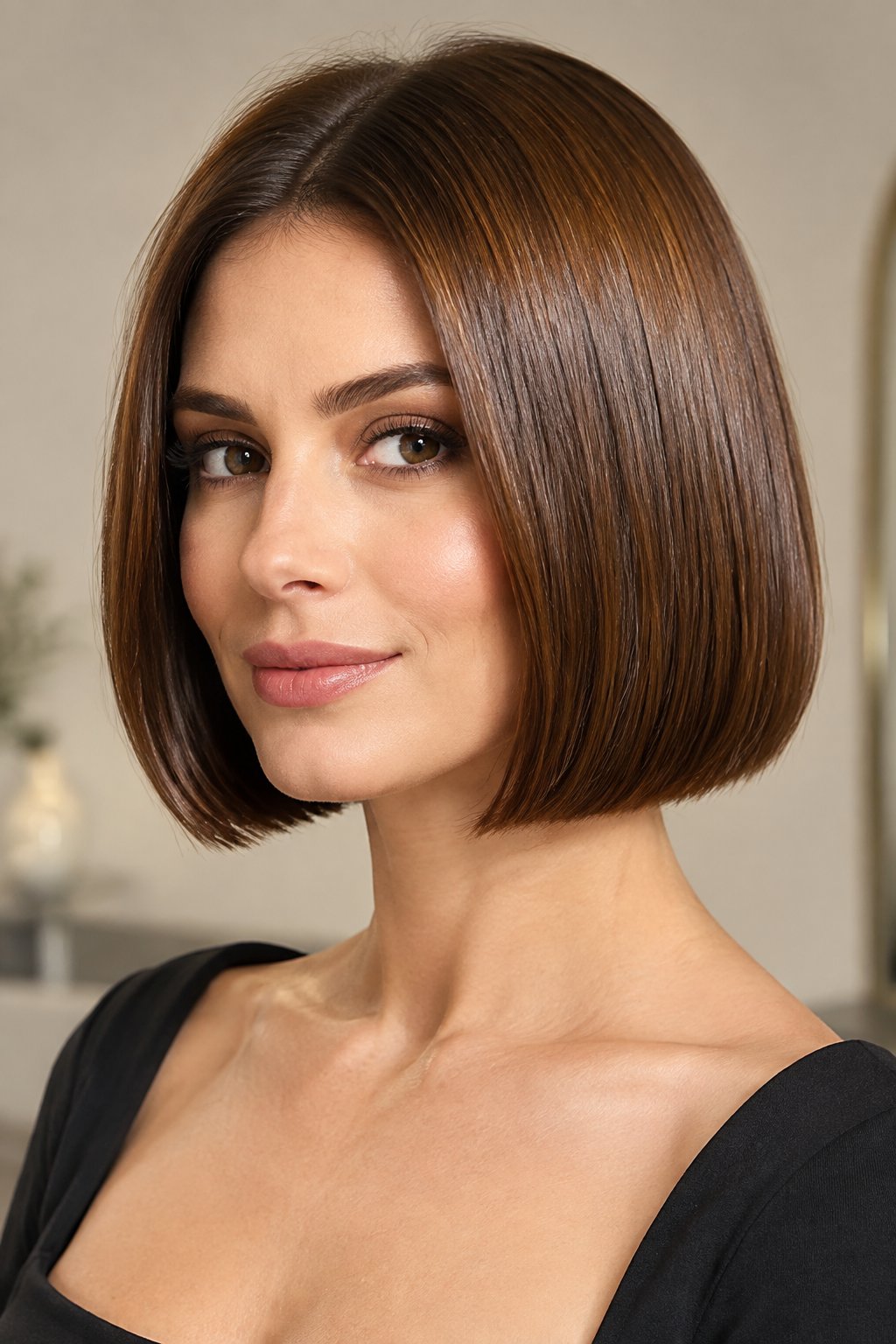
13. Chestnut Brown on a Bob
A chestnut brown bob shows off density and shine, since there’s less length for the color to travel through before catching light. The compact shape makes even subtle reddish-brown undertones look rich and cohesive, with minimal fading toward the ends compared to longer styles. It pairs particularly well with a warm or golden chestnut, since shorter hair reflects light evenly. A blunt cut in this shade also tends to look glossier right after a salon visit.
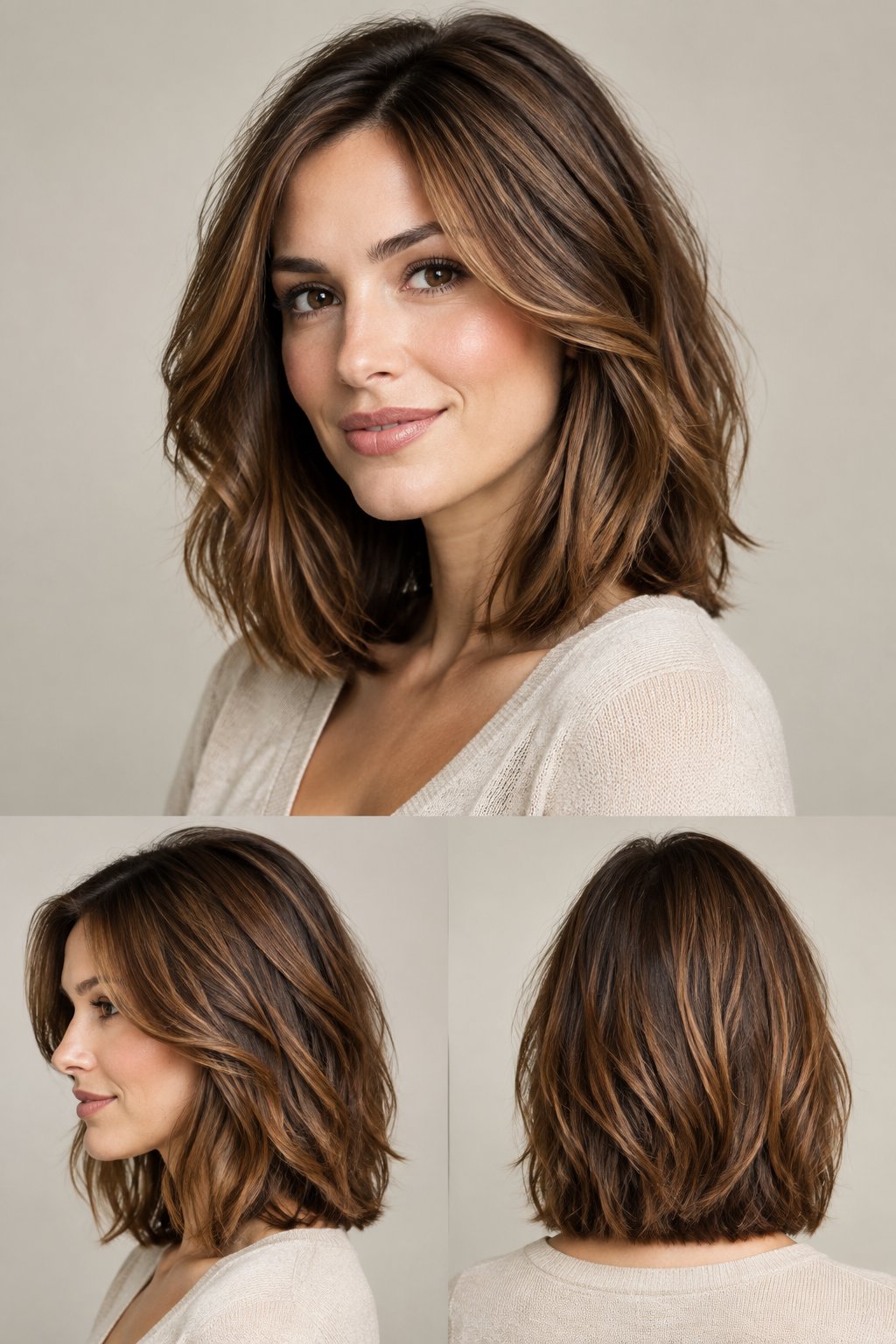
14. Chestnut Brown on a Layered Lob
Layers add movement to chestnut brown, breaking up length into pieces that catch light differently as they fall. This pairs especially well with balayage or subtle highlighting, since each layer reveals a slightly different depth of chestnut. It suits fine to medium hair wanting extra visual volume, and tends to soften most face shapes. Color is typically concentrated at the ends and face-framing pieces, where it shows off the cut best.
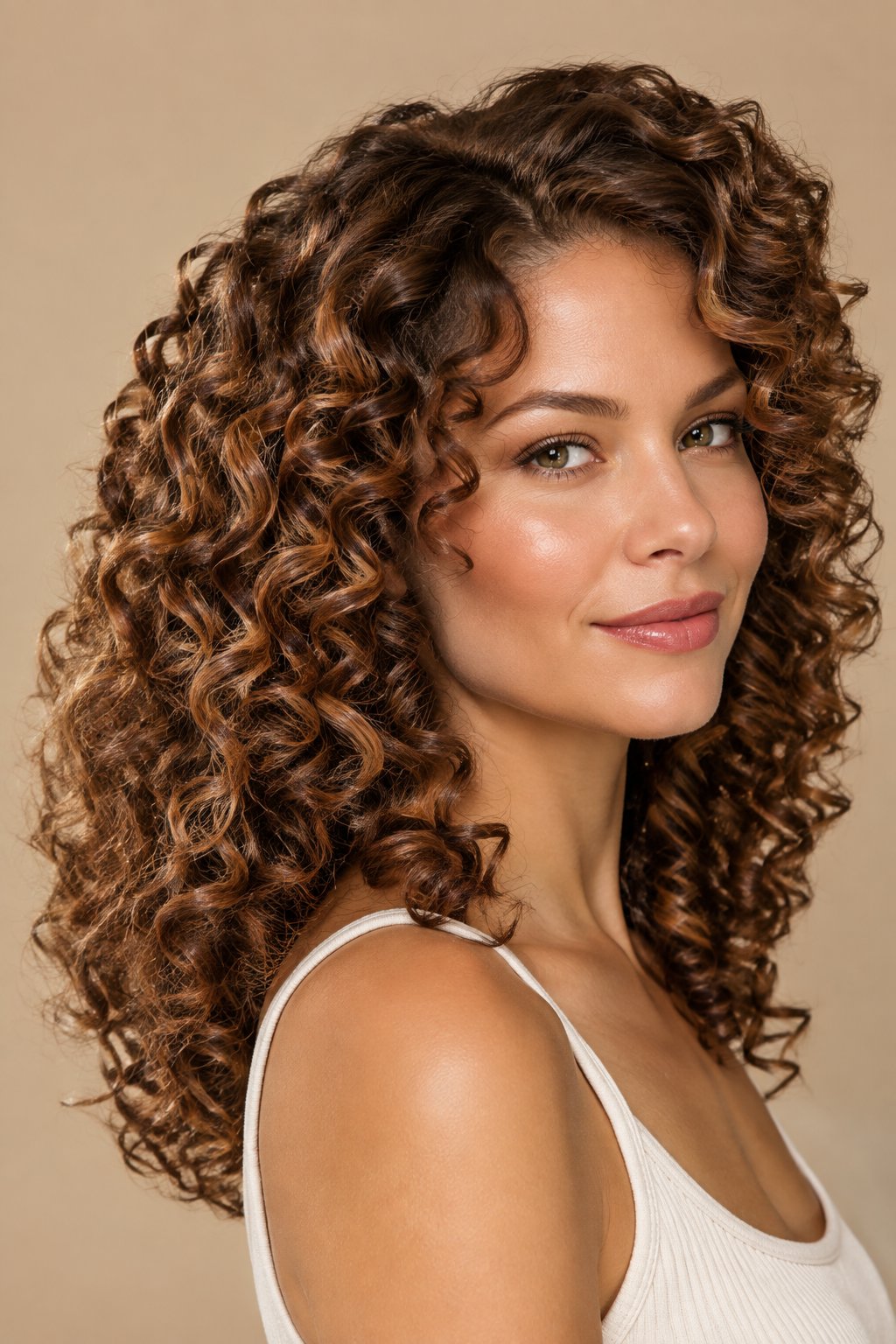
15. Chestnut Brown on Curly Hair
Curls show chestnut brown differently than straight hair, since each curl bends and catches light from multiple angles, intensifying whatever undertone is present. A warm or reddish chestnut can look multi-tonal even with a single-process application, as the curl pattern creates natural highlights and shadows. Moisture matters more here, since curly hair tends to run drier and needs extra hydration to stay glossy rather than dull. A gloss treatment every few months keeps curls vibrant.
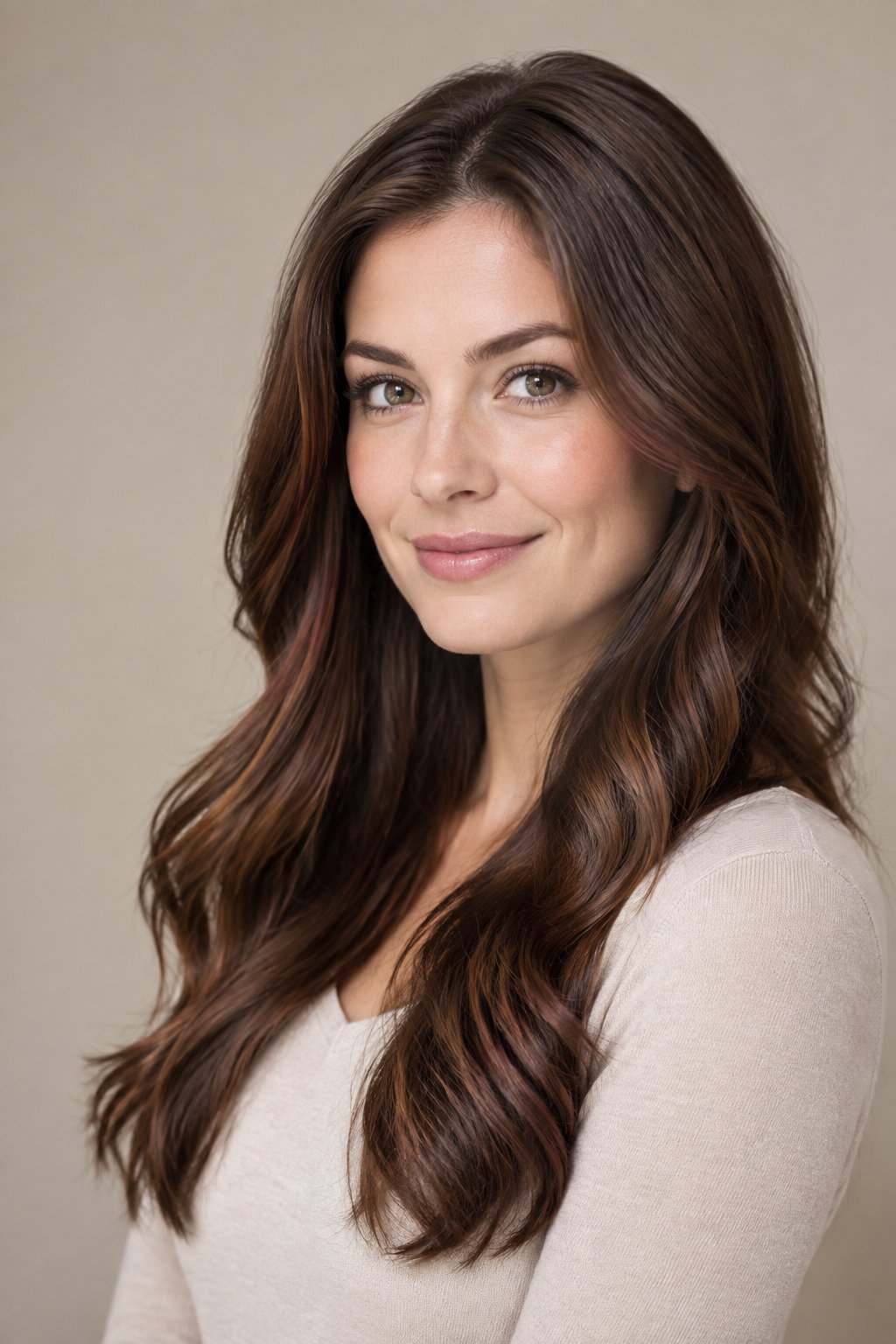
16. Chestnut Brown With Subtle Red Undertones
This version keeps red understated, present just enough to warm up the brown without the intensity of auburn or copper chestnut. It’s an approachable entry point for anyone hesitant about “going red” but still wanting more warmth than a neutral brunette. The subtlety works across a broad range of skin tones, since it’s mild enough to avoid clashing with cooler undertones. It’s also easier to maintain, since faded red pigment is less noticeable when it was never bold to begin with.
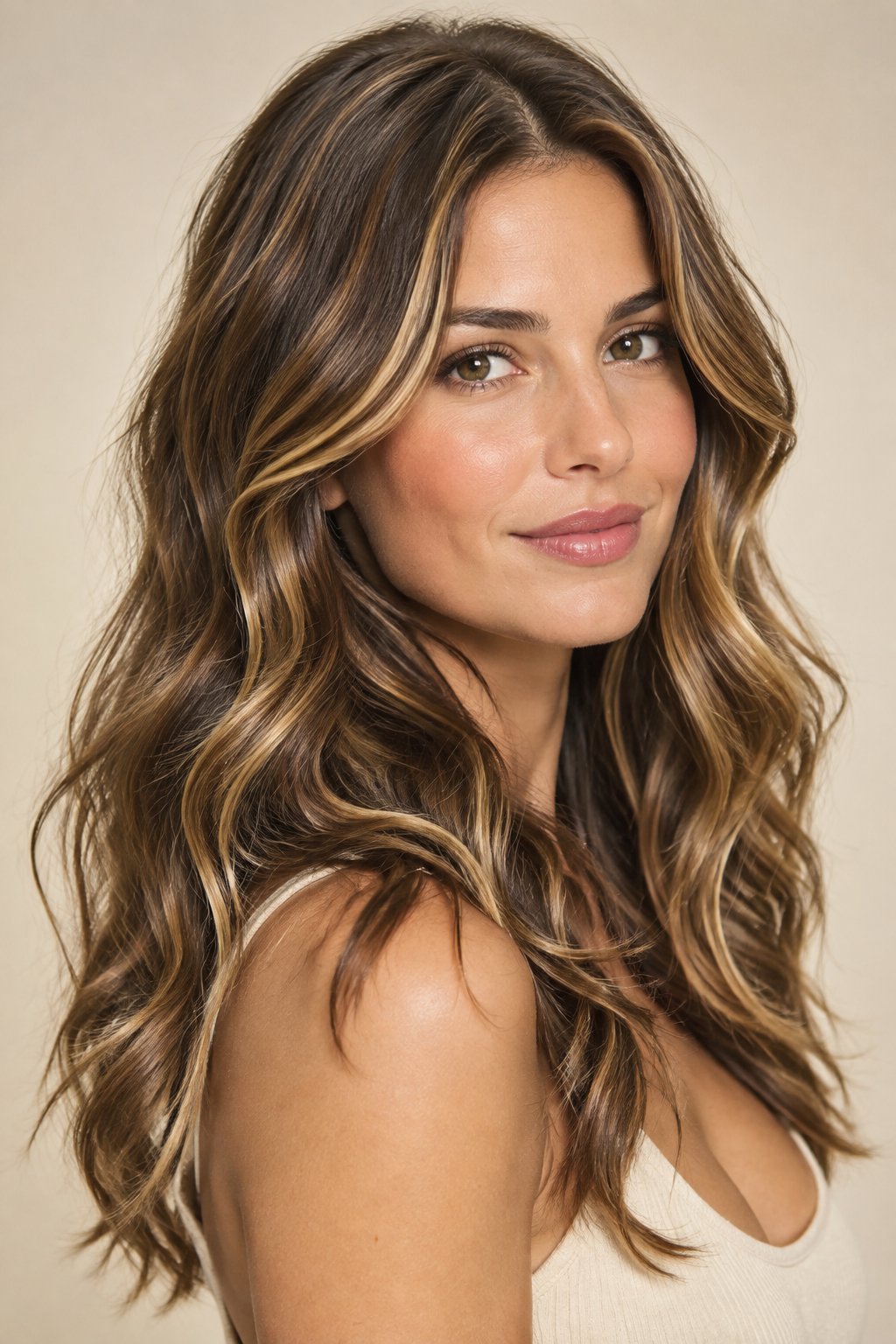
17. Chestnut Brown With Honey Highlights
Honey highlights bring a softer, more golden warmth than caramel, creating delicate, sunlit streaks through a chestnut base without deeper amber intensity. The result feels lighter and airier, almost coastal rather than sun-baked. This combination is especially pretty on wavy hair, where highlights catch and release light with each wave, and tends to suit lighter and medium skin tones best. Because honey highlights are delicate, they need slightly more frequent toning to avoid turning brassy.
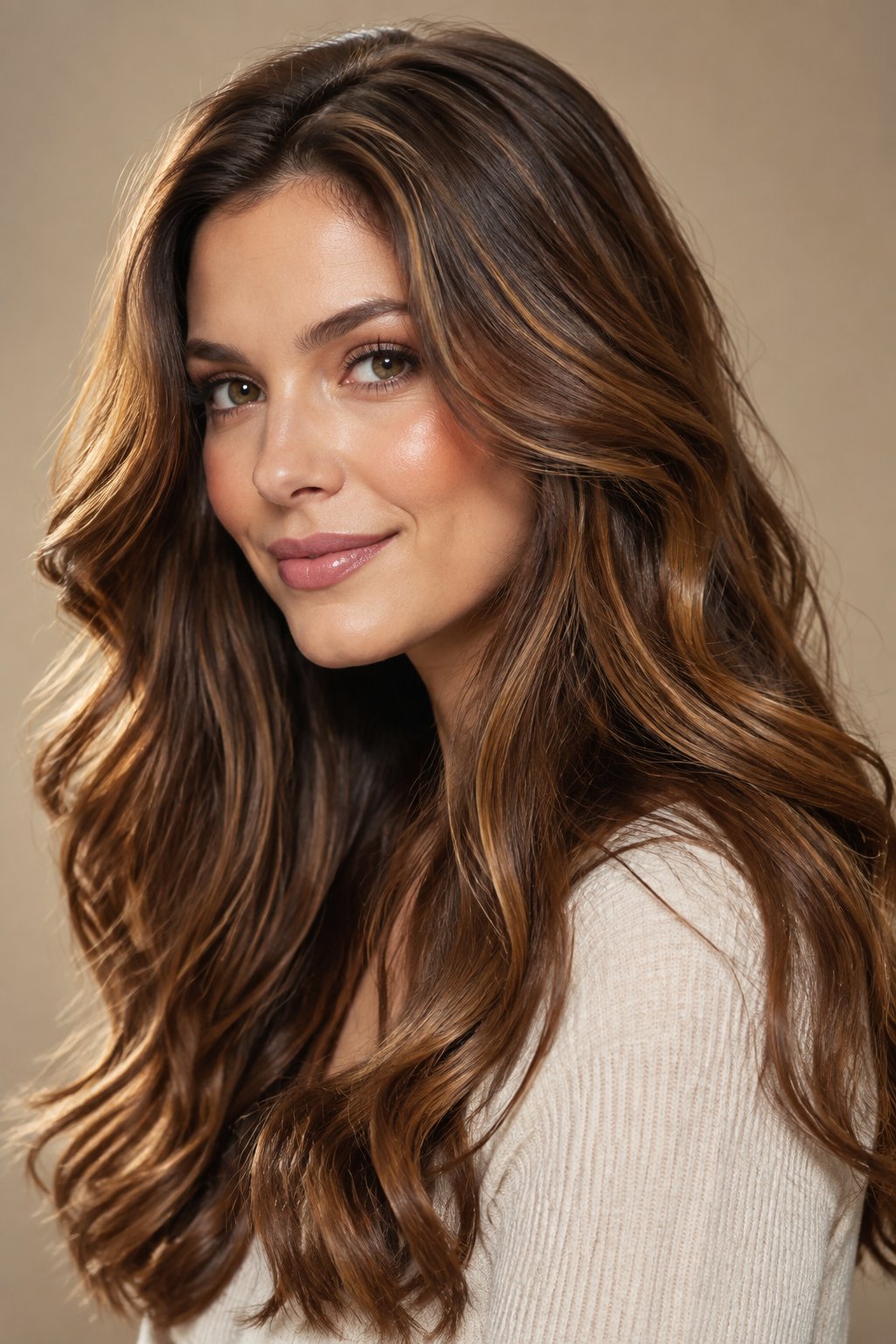
18. Dimensional Chestnut Brunette
Rather than one technique, dimensional chestnut brunette combines a deeper root, mid-toned chestnut through the body, and lighter, warmer pieces throughout, using both lowlights and highlights for richness rather than brightness alone. It can be customized toward warmer gold or deeper red depending on preference. Because the multiple tones blend as new growth appears, regrowth disguises itself more effectively than with a flat shade, making it practical for lower upkeep alongside a high-impact result.
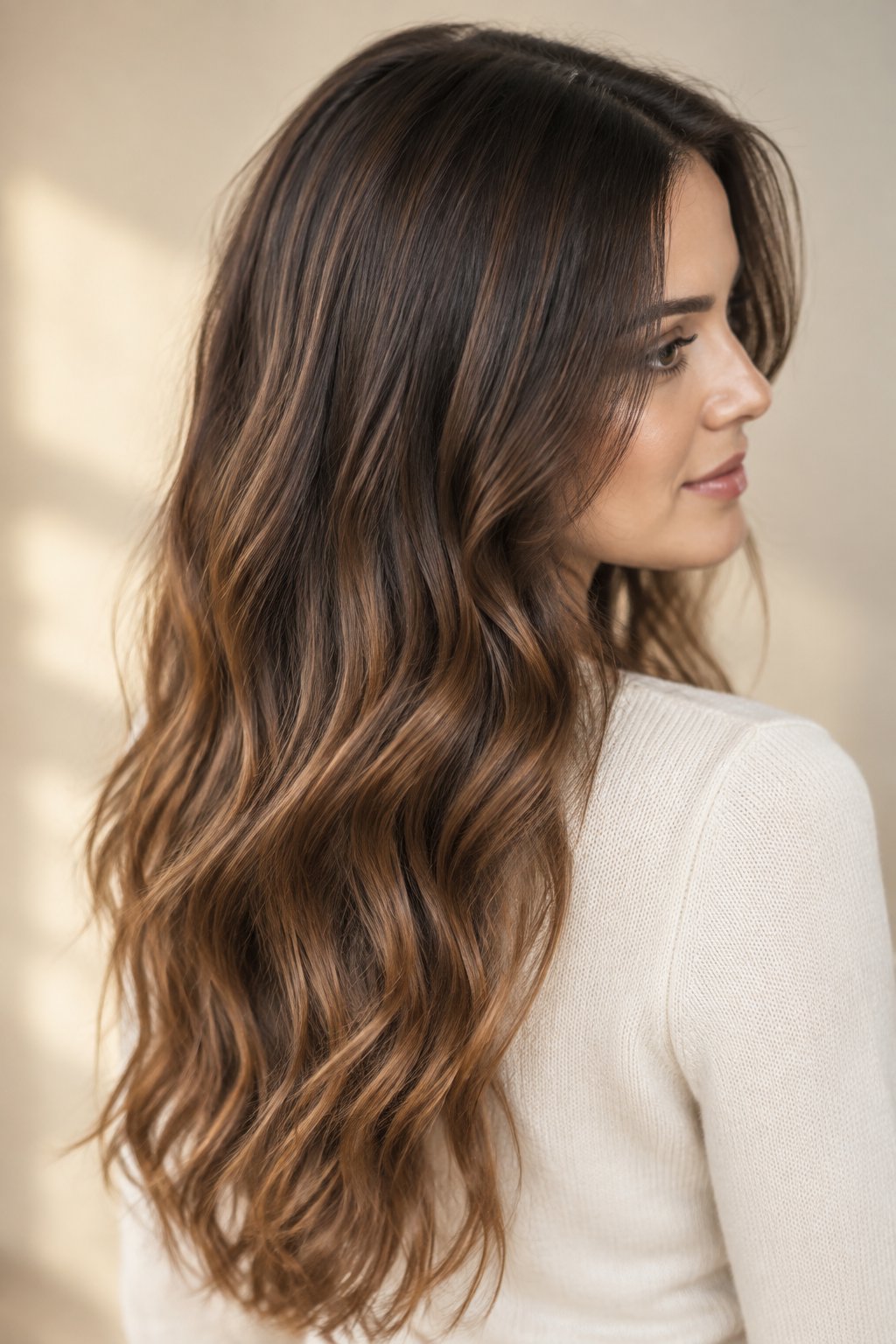
19. Chestnut Brown With Dark Roots
Often called a root melt or root smudge, this technique deepens the root and lets it fade into a lighter, warmer chestnut through the mid-lengths and ends. The contrast creates depth at the crown while lighter tones show through the rest of the hair. It’s practical for fall since deeper roots need far less frequent touch-ups than all-over lightened color, and it works well for anyone growing out a previous color rather than highlighting new growth.
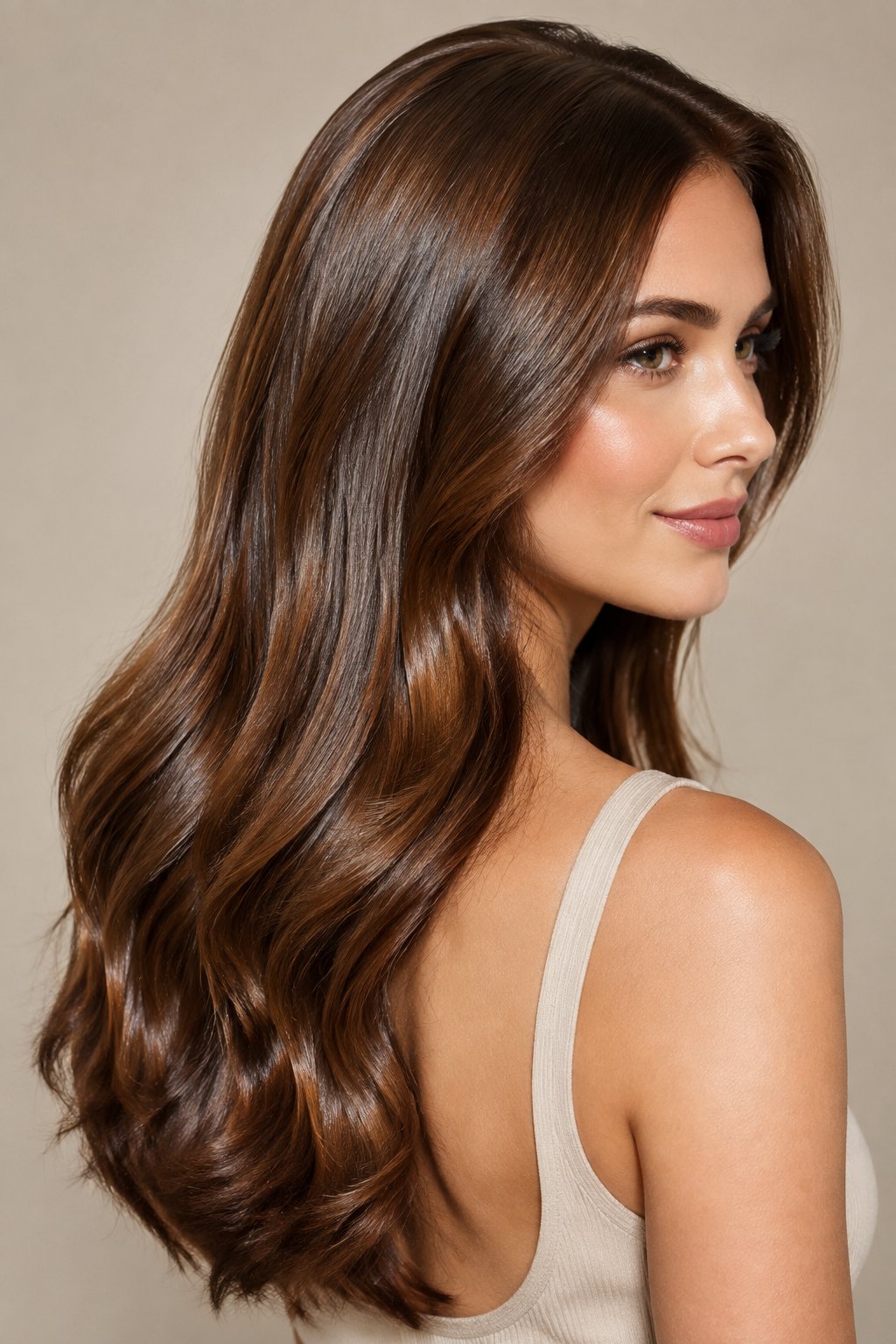
20. Glossy Chestnut Brown
This isn’t a separate hue so much as a finishing step: a clear or tinted gloss applied over existing chestnut color to boost shine and intensify whatever undertone is already there. A smoother cuticle reflects light more directly than dull or porous strands, which is why gloss works on virtually any chestnut variation. It’s especially useful heading into fall, when drier air can leave hair looking less vibrant. Regular gloss appointments, roughly every six to eight weeks, keep tone fresh between full color services.
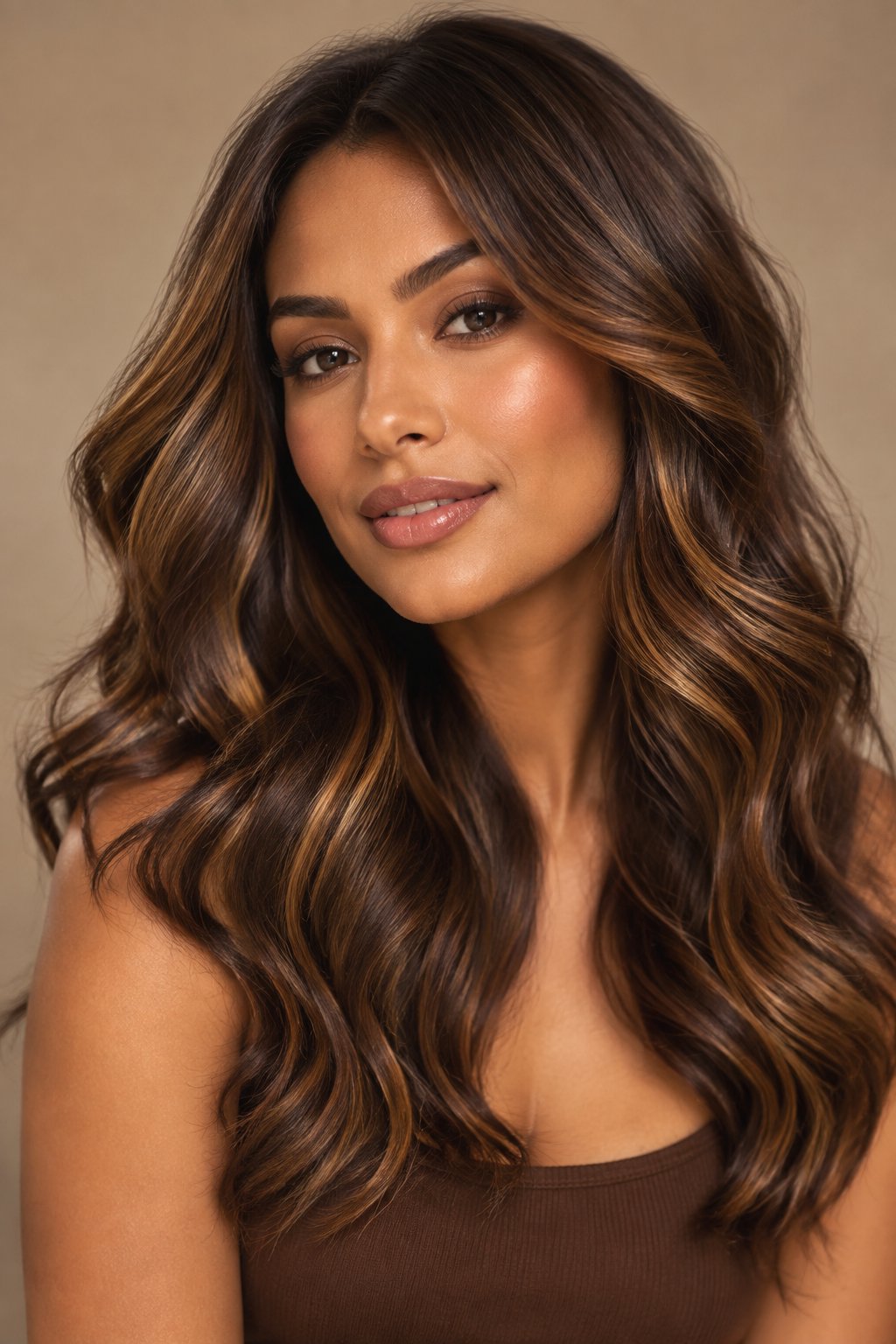
21. Rich Chestnut Brown With Fall-Inspired Warmth
This final variation layers deep chestnut with a touch of copper and subtle golden highlights, built to echo the colors of the season, from turning leaves to worn leather. It takes a skilled colorist to balance the combined warmth so no single tone overpowers the others. It tends to suit medium to deep skin tones especially well, given the saturation involved, and works beautifully on textured or wavy hair, where the tones separate and catch light individually.
How to Maintain Chestnut Brown Hair
Warm brunette shades fade and dull faster than flat, neutral browns, since the red, gold, and copper molecules behind that warmth are less stable than brown pigment alone. A color-safe, sulfate-free shampoo and conditioner help preserve vibrancy, since sulfates strip color and flatten warm tones quickly. Washing two to three times a week rather than daily slows fading regardless of the products used. Heat protectant matters for anyone using hot tools regularly, as heat damage roughens the cuticle and dulls reflectivity. A weekly hair mask helps maintain the smooth surface that glossy chestnut relies on. Salon glosses or toning treatments, generally every six to eight weeks, refresh warmth and correct brassiness before it becomes obvious. Root touch-up frequency depends on the variation chosen – deep, all-over shades need fewer visits than heavily highlighted ones. Finally, UV exposure fades color much like it fades fabric, so a leave-in product with UV filters or simply wearing a hat during peak sun helps protect the investment even as temperatures drop.
How to Choose the Right Chestnut Brown Shade
Your natural hair color affects how easily you can reach a given chestnut tone – dark brown or black hair may need lightening for warmer, lighter variations, while lighter bases often reach a rich chestnut with less processing. Skin undertone matters, though not as a strict rule: warmer undertones often gravitate toward golden or copper chestnuts, while cooler undertones may prefer understated red, but a skilled colorist can adjust warmth and depth to flatter almost any complexion. Eye color can guide the choice too, since reddish-brown tones bring out gold or amber flecks in hazel and brown eyes. Maintenance level is practical: all-over color and root-smudged looks generally need fewer salon visits than heavily highlighted or copper-based shades. Hair texture affects how the final color reads, since curly and wavy hair show more dimension from a single shade than straight hair does. Decide whether you want subtle, everyday warmth or a noticeable red or copper influence, and whether highlights, balayage, or an all-over color fits your lifestyle. If you’re considering a significant change, consult a professional colorist beforehand rather than choosing based on inspiration photos alone.
Frequently Asked Questions
Is chestnut brown hair warm or cool?
Chestnut brown is generally a warm shade, built on red, gold, or copper undertones layered over brown. That warmth can be adjusted, with some variations leaning more neutral than others.
What skin tone looks best with chestnut brown hair?
Chestnut brown can be adapted for most skin tones. A colorist can shift the undertone warmer or cooler and adjust depth so the shade complements your complexion rather than working against it.
What is the difference between chestnut brown and chocolate brown hair?
Chestnut brown carries a noticeable reddish or golden undertone, while chocolate brown is purer and slightly cooler or more neutral, with little to no red visible in the tone.
Does chestnut brown hair have red undertones?
Most variations include some red or reddish-brown undertone, ranging from barely-there warmth in darker versions to a pronounced auburn glow in redder ones.
Is chestnut brown hair difficult to maintain?
It depends on the variation. Deeper, all-over shades are relatively low-maintenance, while lighter, highlighted, or copper-heavy versions need more frequent toning and root touch-ups.
Can dark hair be changed to chestnut brown without bleach?
Often, yes. Many chestnut brown shades, especially deeper and dimensional versions, can be achieved with demi- or semi-permanent color over dark hair without lightening, though lighter tones may need some lift.
What highlights look best with chestnut brown hair?
Caramel, honey, and golden highlights are especially popular, since their warmth complements chestnut’s undertones. Face-framing highlights and balayage are common ways to add dimension without lightening the whole head.
Final Thoughts
Chestnut brown hair earns its place as a fall favorite because it isn’t one fixed shade – it’s a family of warm brunette tones that can be pulled deeper, lighter, redder, or golder depending on what you’re drawn to. Whether that means a deep chocolate-chestnut base for cooler months, a caramel or honey-highlighted version for something brighter, or a copper-leaning chestnut with an autumnal glow, the range within this single color family means there’s rarely a need to compromise. A good starting point is a conversation with your colorist about your natural base, your skin’s undertone, and how much maintenance you’re realistically willing to keep up – from there, chestnut brown can be shaped into a look that feels distinctly yours for the season ahead.


